ZZ Plant Light Requirements [Complete Guide]

ZZ plants are known for their resilience and adaptability, making them a favorite among indoor plant enthusiasts. These tropical plants, formally known as Zamioculcas zamiifolia, have a reputation for surviving in less-than-ideal conditions. ZZ plants thrive best in bright, indirect light but can tolerate low light conditions, though they won’t grow as vigorously in darker spaces.

Many plant owners mistakenly place their ZZ plants in dark corners, assuming they’ll do fine with minimal light. While ZZ plants will survive in low light, they show their true potential when given proper lighting. When placed in bright, indirect light, ZZ plants reward their owners with more robust growth, producing new shoots and maintaining their lush, glossy green foliage.

Finding the right balance is important for ZZ plant care. Direct sunlight can scorch their leaves, while insufficient light slows their growth. These adaptable plants can even manage under artificial lighting, making them versatile options for offices, apartments, and homes with limited natural light sources.

Understanding ZZ Plant Light Needs

ZZ plants are remarkably adaptable when it comes to light conditions. Though they have optimal preferences, these resilient houseplants can thrive in various lighting situations, from low light to bright indirect light.


Nature’s Way Farms ZZ Plant, Zamioculcas Zamiifolia, Indoor, Outdoor, Live Houseplant, in Grower Pot (25-30 in. Tall)

Adaptations to Light in Nature

ZZ plants (Zamioculcas zamiifolia) originate from Eastern Africa, growing in forests and dry grasslands. This native habitat has shaped their light tolerance capabilities. In nature, ZZ plants often grow under tree canopies where light is filtered.

Their thick, waxy leaves help reduce water loss while efficiently capturing available light. This adaptation explains why they can survive in low light conditions indoors.

The plant’s large underground rhizome stores water and nutrients, allowing it to endure periods with minimal light. However, while ZZ plants can tolerate low light, they don’t truly thrive in these conditions long-term.

Photosynthesis and Growth Cycle

ZZ plants use a modified form of photosynthesis that allows them to absorb carbon dioxide at night. This efficient process helps them convert light energy into sugar even in less-than-ideal conditions.

Bright indirect light supports optimal photosynthesis and promotes healthier growth. In proper lighting, ZZ plants produce more leaves and develop fuller foliage. New growth is most active when light levels naturally increase in spring and summer.

Without sufficient light, photosynthesis slows down. While the plant survives, you’ll notice slower growth, longer spaces between leaves, and potentially leggy stems. A ZZ plant in too little light may stop producing new growth entirely.

The plant’s growth cycle directly responds to light availability. When moved from low light to brighter conditions, ZZ plants often reward owners with a burst of new shoots and leaves.

Optimal Lighting Conditions

ZZ plants thrive in specific light conditions that balance their need for brightness without harsh direct rays. Understanding their light requirements will help your plant grow strong and lush.


6" ZZ Plant Zamioculcas Zamiifolia, ZZ Plants Live House Plants Indoors Live House Plants Indoors, Indoor Plants Live, Real Live Plants Indoor Plants Live Houseplants Live Indoor by Plants for Pets

Bright Indirect Light

ZZ plants grow best in bright, indirect light. This means placing them in a spot that receives plenty of natural light that doesn’t shine directly on the leaves. Near north-facing or east-facing windows often provide ideal conditions.

Filtered light through sheer curtains or blinds works well for these plants. If you have west-facing windows, position your ZZ plant a few feet away from the window to avoid the intense afternoon sun.

The bright indirect light encourages healthy growth and helps maintain the plant’s glossy appearance. In these conditions, you’ll notice more regular growth and potentially new shoots developing.

Tolerance to Low Light

ZZ plants are renowned for their adaptability to low-light conditions, making them excellent houseplants for darker corners and offices. They can survive in areas with minimal natural light, which few other indoor plants can tolerate.

However, “tolerance” is the key word here. While ZZ plants survive in low light, they don’t truly thrive. Growth will be significantly slower, and fewer new shoots will emerge.

If kept in low-light conditions for too long, the plant may become leggy as it stretches toward light sources. For the healthiest plant, try to provide at least some indirect light even if bright conditions aren’t possible.

Check out Are ZZ Plants Toxic to Dogs?

Effects of Light on ZZ Plant Health

Light plays a crucial role in determining the overall health and appearance of ZZ plants. The right amount of light affects everything from growth patterns to leaf color and plant structure.


Live ZZ Plant - ‘ZZ Plant’ Zamioculcas zamiifolia - ragnaroc Tropical Plant 6-12” Tall - 1ct - Live Arrival Guaranteed - House Plants for Home Decor & Gift

Leggy Growth Prevention

ZZ plants naturally seek light, leading to leggy growth when light conditions aren’t optimal. In low light situations, stems tend to stretch toward light sources, creating long, spindly growth with increased space between leaves.

Place your ZZ plant in bright, indirect light to prevent leggy growth. This encourages compact, bushy growth with shorter distances between leaves. A ZZ plant receiving adequate light develops a more attractive, fuller appearance.

When ZZ plants don’t get enough light, they redirect their energy into growing taller rather than fuller. This results in weak stems that may require staking or support to prevent leaning or toppling over.

Regular rotation of your plant helps prevent it from leaning toward the light source. Turn your ZZ plant a quarter turn weekly to promote even growth on all sides.

Symptoms of Inadequate Light

Insufficient light shows through several key symptoms in ZZ plants. Yellowing leaves often indicate a plant isn’t receiving enough light to support proper photosynthesis.

New growth may emerge smaller and paler than existing leaves. This happens because the plant lacks energy to produce robust foliage when light levels are too low.

Growth slows significantly in inadequate light conditions. You might notice:

  • Fewer new stems emerging
  • Slower recovery after pruning
  • Minimal or no new leaf development
  • Overall stagnant appearance

ZZ plants can survive in low light but won’t thrive. While they won’t immediately die in dim conditions, their health gradually deteriorates over time, leading to a less vibrant plant with diminished resilience against pests and diseases.


Costa Farms ZZ Plant, Live Indoor Houseplant in Modern Decor Planter, Natural Air Purifier in Potting Soil, Gift for Plant Lovers, Birthday Gift, Tabletop Living Room Decor, Desk Decor, 12-Inches Tall

Consequences of Excessive Light

Direct sunlight can damage ZZ plants, causing scorched leaves with brown, crispy edges or patches. These burns are permanent and the damaged portions won’t recover.

Excessive light stress leads to wilting despite adequate watering. The plant becomes dehydrated as it loses moisture faster than it can be replaced through its root system.

Leaf color changes occur in too much light, including:

  • Yellow patches developing on exposed areas
  • Faded, washed-out green coloration
  • Loss of the characteristic glossy appearance

The plant may also develop a protective response by curling its leaves away from intense light. This defensive position reduces the surface area exposed to harsh rays but indicates the plant is struggling.

Move affected plants immediately to a location with bright, indirect light to prevent further damage. Once the plant is in appropriate lighting conditions, healthy new growth should emerge.

Read ZZ Plant Toxic to Cats

Year-Round Indoor Light Management

ZZ plants need consistent light throughout the year, though their requirements change with the seasons. Properly managing light ensures your plant maintains its vibrant appearance and healthy growth all year long.

Adjusting for Seasonal Changes

During summer months, ZZ plants benefit from 6-8 hours of bright, indirect light. Position them near east or north-facing windows where they receive filtered sunlight. Be careful with south-facing windows, as they can create too much heat and intense light during summer.

In winter, light intensity decreases naturally. Move your ZZ plant closer to windows to maximize exposure to the limited sunlight. South-facing windows become ideal during these darker months.

Watch for signs of inadequate light such as leggy growth or fewer new shoots. ZZ plants are adaptable but will show their best growth with proper seasonal adjustments.

Temperature also affects light needs. In colder months, keep plants away from drafty windows while giving them light access.

Artificial Lighting Solutions

Artificial lighting provides an excellent solution for ZZ plants in windowless rooms or spaces with minimal natural light. LED grow lights are the most energy-efficient option and last longer than other alternatives.


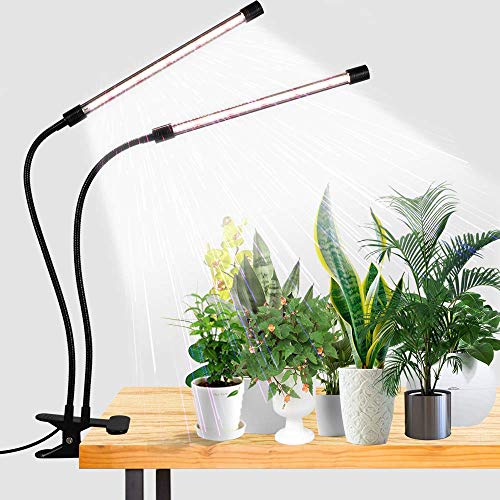
GooingTop LED Grow Light,6000K Full Spectrum Clip Plant Growing Lamp with White Red LEDs for Indoor Plants,5-Level Dimmable,Auto On Off Timing 4 8 12Hrs

Fluorescent lights work well too, especially for ZZ plants in offices. Position the light 12-24 inches above the plant and run it for 10-12 hours daily to simulate natural conditions.

Light intensity matters more than duration. Quality grow light with a proper spectrum (blue and red wavelengths) effectively supports photosynthesis.

For the best results, combine artificial lighting with natural light. This creates a balanced light environment that supports healthy growth without stressing the plant.

Humidity levels near artificial lights may drop, so occasional misting helps maintain proper growing conditions when using grow lights exclusively.

Check out How to Grow ZZ Plant from Cutting

Special Considerations for ZZ Plant Care

ZZ plants thrive with proper attention to watering, fertilizing, and occasional pruning—all of which should be adjusted based on the light conditions where you place your plant.

Watering in Relation to Light

ZZ plants are drought-tolerant houseplants that require careful watering based on their light exposure. In brighter light, they may need water every 2-3 weeks, while in lower light, they might only need water once a month.

Always check that the soil is completely dry before watering. Stick your finger 2 inches into the soil—if it feels dry, it’s time to water.

Overwatering Warning: More ZZ plants die from overwatering than underwatering. Yellow leaves often indicate too much water, while brown tips suggest underwatering.

Reduce watering frequency by about half during winter months. As growth slows down, the plant’s water needs decrease.

Remember that ZZ plants store water in their thick rhizomes, making them naturally resistant to drought conditions. This survival mechanism allows them to go weeks without water if necessary.

Fertilizing and Nutrient Absorption

ZZ plants are light feeders and require minimal fertilization. In moderate to bright indirect light, feed your plant once every 3 months during spring and summer with a balanced houseplant fertilizer diluted to half-strength.

Plants in lower light conditions need even less fertilizer—perhaps just once or twice a year. Over-fertilizing can lead to salt buildup in the soil and damage roots.

Fertilizing Tips:

  • Skip fertilizing newly repotted plants for 6 months
  • Never fertilize dry soil—water first, then apply fertilizer
  • Avoid fertilizing during fall and winter when growth slows

A well-draining soil mix with perlite or pumice provides the aeration ZZ plant roots need for proper nutrient absorption. Consider a mix of 2 parts potting soil, 1 part perlite, and 1 part orchid bark for optimal drainage.

Pruning for Optimized Light Exposure

Strategic pruning helps ZZ plants maintain an attractive shape and optimizes their ability to capture available light. Remove any yellow or brown leaves by cutting stems at the base with clean, sharp scissors.

Prune leggy growth that stretches toward light sources to maintain a balanced shape. This is especially important for plants in lower light conditions that may develop uneven growth patterns.

When to Prune:

  • Spring or early summer (active growing season)
  • After noticing yellowing or damaged stems
  • When the plant becomes too dense or unbalanced

Pruning also creates opportunities for propagation. Cut healthy stems with at least two leaflets and let them callous over for a day before placing in water or directly in soil to root.

For severely crowded plants, consider division. Remove the plant from its pot, gently separate rhizomes with roots attached, and repot the divisions in fresh soil mix.

Check out Is ZZ Plant Good for Bedroom?

Propagation and Repotting with Light in Mind

Understanding how light affects propagation and repotting can significantly improve your success rate when working with ZZ plants. Proper light conditions during these critical growth phases help ensure healthy development of new plants and smooth transitions after repotting.


ZZ Plant Zamioculcas Zamiifolia Zanzibar Gem Live Houseplants - Fully Rooted Indoor Plants in 3 Inch Pot by 3exoticgreen, Rare Zamioculcas Zamiifolia for Elegant Home Decor

Effective Propagation Techniques

ZZ plants (Zamioculcas zamiifolia) can be propagated through several methods, with light playing a crucial role in each approach. Leaf cuttings work well when placed in bright, indirect light. Simply place a healthy leaf in water or directly in soil.

Rhizome division is another effective method. When dividing the rhizomes (underground stems), ensure each section has at least one leaf stem attached. After division, place the new plants in moderate light – not too bright or too dark.

The bulb-like structures at the base of the Zanzibar gem store water and nutrients. These can be separated during propagation. New growth from these structures develops faster when given proper light conditions – bright but filtered light works best.

Propagation Success Tips:

  • Allow cuttings to callus for 24 hours before planting
  • Maintain slightly higher light during propagation than for mature plants
  • Water sparingly until new growth appears

Repotting Considerations for Maximum Light

When repotting a ZZ plant, choose a container that complements your light situation. For lower light environments, select a pot just slightly larger than the current one to avoid excess soil that stays wet.

Root health directly connects to light needs. In bright conditions, ZZ plants develop stronger root systems supporting more growth. Check for root rot when repotting, as this condition often develops when low light combines with overwatering.

Always ensure your new pot has adequate drainage holes. This feature becomes even more important in lower light conditions where soil dries more slowly.

Pot Positioning After Repotting:

  • Gradually introduce the plant to brighter light
  • Rotate the pot regularly to encourage even growth
  • Place newly repotted plants slightly farther from windows initially

After repotting, monitor for signs of stress like yellowing leaves. This could indicate the light level needs adjusting as the plant establishes in its new container.

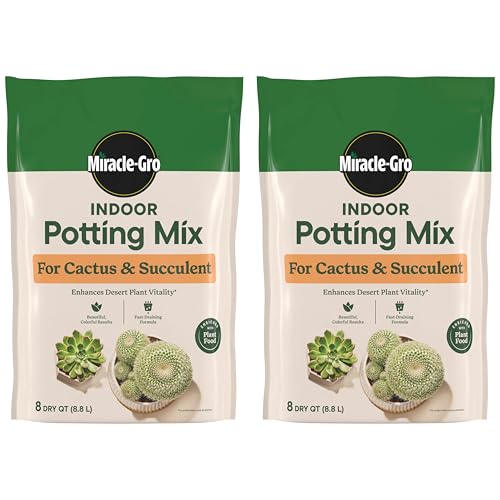
Check out Can I Use Cactus Soil for ZZ Plant?

Dealing with Pests and Diseases

While ZZ plants are generally resistant to pests and diseases, they can still face some common issues, especially when light conditions aren’t optimal. Proper light management plays a key role in preventing many of these problems.

Common Pests and Their Prevention

ZZ plants may attract mealybugs, spider mites, and aphids, particularly when stressed or weakened. Mealybugs appear as small white cotton-like clusters on stems and leaves. Aphids tend to gather on new growth, while spider mites create fine webbing.

Regular inspection is your best defense. Check your houseplant weekly by examining the undersides of leaves and stem joints where pests often hide.

Preventive measures include:

  • Wiping leaves with a damp cloth monthly
  • Isolating new plants for 2 weeks before placing near other indoor plants
  • Maintaining proper spacing between plants to improve air circulation
  • Using neem oil spray as a preventive treatment every 4-6 weeks

If you discover pests, treat immediately with insecticidal soap or horticultural oil, following package directions carefully.


Costa Farms Raven ZZ Plant, Easy Care Indoor Houseplant, Ships in Modern White Decor Planter with Soil, Perfect Room Decor for Tabletop, Shelf, or Desk, Trending Tropicals Collection, 10-Inches Tall

Diseases Related to Light Conditions

Improper lighting can trigger several diseases in ZZ plants. Too little light weakens the plant’s natural defenses, while excessive direct sunlight can cause stress.

Root rot is the most common disease, often resulting from overwatering in low-light conditions. Without adequate light, the plant can’t use water efficiently, leading to soggy soil and rotting roots.

Signs of light-related stress include:

  • Yellowing leaves (too much direct sun)
  • Leggy, stretched growth (insufficient light)
  • Brown spots on leaves (sunburn from sudden exposure)
  • Slow or stunted growth (inadequate light levels)

To prevent light-related diseases:

  • Rotate your plant quarterly for even light exposure
  • Avoid sudden changes in light conditions
  • Keep ZZ plants away from cold drafts and heating vents
  • Adjust watering based on light levels—less water in low light

Check out How to Take Care of a ZZ Plant?

Safety and Potential Hazards

While ZZ plants are prized for their hardiness, important safety considerations must be kept in mind. The plant contains compounds that can cause adverse reactions in humans and animals, and certain environmental conditions can stress it.

ZZ Plant Toxicity

Zamioculcas zamiifolia contains calcium oxalate crystals, which are toxic when ingested. These crystals can cause irritation to the mouth, throat, and digestive system of both humans and pets.

For pets, especially cats and dogs, chewing on ZZ plant leaves may result in:

  • Drooling
  • Vomiting
  • Oral pain
  • Difficulty swallowing
  • Irritation of the mouth and tongue

Symptoms for humans are similar but often less severe. Children are at higher risk due to their tendency to put plants in their mouths.

Safety Tips:

  • Keep ZZ plants out of reach of pets and small children
  • Wash hands after handling the plant
  • Wear gloves when pruning or repotting
  • Place plants on high shelves or in rooms pets don’t access

Environmental Stressors

Though ZZ plants are drought-tolerant natives of dry grasslands in Africa, they can experience stress from environmental factors that compromise their health.

Extreme temperatures pose significant risks. ZZ plants prefer temperatures between 65-85°F (18-29°C). Exposure to temperatures below 45°F (7°C) can damage the plant’s tissues and slow growth.

Too much direct sunlight can scorch the leaves, creating brown spots or bleached areas. This is particularly common when ZZ plants are placed in south-facing windows without protection.

Common Environmental Stressors:

  • Overwatering (leading to root rot)
  • Extreme heat or cold drafts
  • Sudden temperature changes
  • Excessive direct sunlight
  • Very low humidity for extended periods

While ZZ plants handle stress better than many houseplants, monitoring these factors helps maintain their health and appearance.

Frequently Asked Questions

ZZ plants are known for their adaptability to various light conditions. Many plant owners wonder about their specific lighting needs and how to identify when their plants aren’t getting enough light.

Can a ZZ plant thrive in low light conditions?

Yes, ZZ plants can survive in low light conditions, making them excellent choices for darker corners of homes and offices. However, their growth will be slower than that of plants in brighter locations.
ZZ plants in low light may produce fewer stems and smaller leaves. The plant may also become leggy as it stretches toward available light sources.
Though ZZ plants tolerate low light, they won’t reach their full potential without adequate brightness. To prevent root rot and maintain health in low-light areas, reduce watering frequency.

What are the optimal indoor lighting conditions for a ZZ plant?

Bright, indirect light provides the ideal environment for ZZ plants to thrive indoors. A location near a north or east-facing window typically offers this perfect balance of light.
In bright indirect light, ZZ plants produce more stems and larger leaves. The plant maintains its compact growth habit rather than stretching toward light sources.
Filtered light through sheer curtains works well for windows with stronger light exposure. ZZ plants can adapt to medium light conditions with minimal impact on growth and appearance.

How does winter light affect ZZ plant growth and health?

During winter months, ZZ plants naturally slow their growth due to reduced light intensity and duration. This dormancy period is normal and doesn’t indicate poor health.
Winter care should include moving plants closer to windows when possible. Reduce watering frequency as the plant uses less moisture during slower growth periods.
As the sun’s angle changes, light from south-facing windows becomes more beneficial in winter. ZZ plants may lean toward light sources more noticeably during winter months.

Is direct sunlight beneficial or harmful to ZZ plants when grown outdoors?

Direct sunlight can harm ZZ plants by scorching their leaves, especially during intense midday hours. Morning sun or dappled light under trees provides better conditions for outdoor ZZ plants.
In outdoor settings, ZZ plants benefit from protection against strong direct sunlight. Eastern exposures with gentle morning sun create ideal growing conditions.
When acclimating indoor ZZ plants to outdoor conditions, gradual light exposure prevents shock. Sunburned leaves develop yellow or brown patches that don’t recover.

What type of artificial light, such as LED, is best suited for ZZ plants?

Full-spectrum LED grow lights work excellently for ZZ plants in spaces lacking natural light. Position lights 12-24 inches above the plant for optimal exposure without heat damage.
Fluorescent lights also support ZZ plant growth when placed close enough to the foliage. For offices with standard fluorescent lighting, placing ZZ plants on higher surfaces brings them closer to light sources.
Artificial lighting should run 12-14 hours daily to simulate natural daylight conditions. Light intensity matters more than color temperature, though full-spectrum lights provide the most balanced growth.

How can you tell if a ZZ plant isn’t receiving adequate light?

Leggy growth with elongated stems and increased space between leaves indicates insufficient light. The plant stretches toward available light sources in an attempt to capture more energy.
New growth appearing smaller or paler than established leaves suggests light deficiency. ZZ plants growing in too little light may also produce fewer new stems over time.
Extremely slow or stalled growth over several months often points to lighting issues. While ZZ plants grow slowly naturally, no new growth in favorable temperatures over 6-12 months typically indicates lighting problems.

ZZ Plant Light Requirements

Conclusion

ZZ plants are remarkably adaptable when it comes to light conditions. They thrive best in bright, indirect light, which promotes lush growth and maintains their vibrant appearance.

While they can tolerate low light conditions, this may slow their growth. The Raven ZZ variety specifically needs bright indirect light to develop and maintain its distinctive black foliage.

Finding the right light balance is key to success with ZZ plants. Too much direct sunlight can scorch the leaves, while too little light can stunt growth.

Good locations for ZZ plants include near east or north-facing windows, a few feet away from south or west windows, or in office environments with fluorescent lighting.

These resilient plants make excellent choices for beginners or busy plant owners due to their forgiving nature. With proper light conditions, ZZ plants will reward you with glossy, healthy foliage for years to come.

Remember that ZZ plants grow more slowly in lower light conditions. If your plant isn’t thriving, consider gradually moving it to a brighter spot to encourage better growth.

You may also like:

vegetable garden ideas

10 Vegetable Garden Layout Ideas