ZZ plants are popular houseplants known for their glossy green leaves and easy care requirements. However, when those beautiful leaves start turning yellow, it can be concerning for plant owners. Yellow leaves on a ZZ plant often indicate that something in the plant’s environment isn’t quite right and needs attention.
The most common cause of yellowing ZZ plant leaves is improper watering, particularly overwatering. These drought-tolerant plants store water in their thick rhizomes and prefer their soil to dry out completely between waterings. Beyond watering issues, yellow leaves might also signal problems with lighting, temperature, pests, or nutrient deficiencies that need to be addressed for the plant to return to full health.
1. Overwatering the ZZ plant
Overwatering is the most common reason ZZ plants turn yellow. These hardy plants store water in their rhizomes and thick stems, allowing them to tolerate drought conditions quite well.
When a ZZ plant sits in too much water, its roots can’t get the oxygen they need. This leads to root rot, which prevents the plant from absorbing nutrients properly.
The first sign of overwatering is usually yellowing leaves. If you notice your ZZ plant has yellow leaves, especially on the lower portion of the plant, check the soil moisture.
To fix an overwatered ZZ plant, first stop watering it. Allow the soil to dry out completely before watering again. In some cases, you might need to remove the plant from its pot to check for root rot.
Healthy ZZ plant roots should be firm and white or light tan. If you find dark, mushy roots, trim them away with clean scissors or pruning shears.
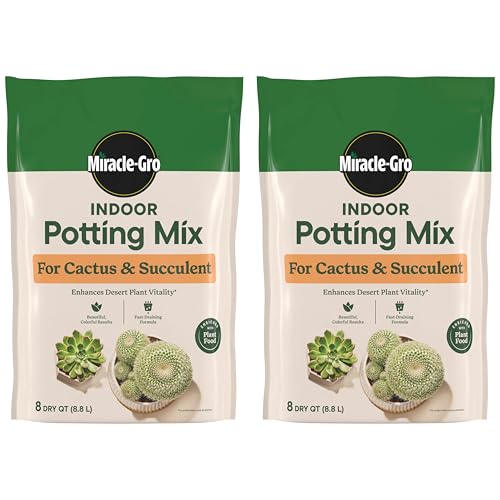
After removing damaged roots, repot your ZZ plant in fresh, well-draining soil. A cactus or succulent mix works well, or you can add perlite to regular potting soil to improve drainage.
Water your ZZ plant only when the top 2-3 inches of soil are completely dry. Depending on your home’s conditions, this might mean watering as little as once every 2-4 weeks.
In winter, reduce watering even more. ZZ plants go into a dormant period during colder months and need very little water.
If you’re unsure whether to water, it’s better to wait. ZZ plants can tolerate underwatering much better than overwatering. They’ll bounce back quickly from drought but may die from root rot.
Consider using a pot with drainage holes to prevent water from collecting at the bottom. If your decorative pot doesn’t have drainage, use it as a cover pot with a plastic nursery pot inside.
Pay attention to environmental factors that affect soil drying. Air conditioning, heating, and seasonal changes can all impact how quickly your plant’s soil dries out.
Check out How to Take Care of a ZZ Plant?
2. Inadequate drainage in soil
ZZ plants are quite sensitive to waterlogged soil. Poor drainage can quickly lead to yellowing leaves as the roots struggle to breathe in overly wet conditions.
Poor drainage creates a lack of oxygen around the roots. When soil remains wet for too long, the roots can’t get the air they need to function properly.
Many store-bought potting mixes are too dense for ZZ plants. These plants evolved in drier conditions and prefer soil that allows water to flow through rather than staying soggy.
If your ZZ plant’s pot lacks drainage holes, water has nowhere to escape. This traps moisture around the roots for extended periods, causing stress to the plant.
Signs of drainage problems include soil that stays wet for days after watering. You might also notice a musty smell coming from the pot, indicating potential root rot beginning.
Consider repotting your ZZ plant in a well-draining mix to fix drainage issues. Combining regular potting soil with perlite, pumice, or coarse sand is a good option to improve aeration.
Make sure your pot has adequate drainage holes. If it doesn’t, either drill holes in the bottom or transfer the plant to a container that has proper drainage.
Terra cotta pots work well for ZZ plants because they’re porous and allow excess moisture to evaporate through the sides. This helps prevent waterlogged soil conditions.
When repotting, check the roots for signs of rot. Healthy ZZ plant roots should be firm and light-colored. Cut away any soft, dark, or mushy roots before replanting.
A layer of gravel or broken pottery pieces at the bottom of the pot can help improve drainage. This creates a space for excess water to collect away from the roots.
Never let your ZZ plant sit in a saucer of water. Empty any collected water promptly after watering to prevent the soil from reabsorbing it.
The frequency of watering is also important. It’s better to water a ZZ plant underwater than overwater it. Allow the soil to dry out completely between waterings.
Check out Is ZZ Plant Good for Bedroom?
3. Excessive sunlight exposure
ZZ plants prefer low to medium light conditions. When they get too much direct sunlight, their leaves can turn yellow, which is the plant’s way of showing that they’re stressed.
Direct sunlight can be too harsh for ZZ plants. It can actually burn the leaves, causing them to turn yellow first, then brown. This damage is usually permanent.
ZZ plants evolved in environments with filtered light. In their native habitats in East Africa, they naturally grow under the canopy of larger plants, which means they’re adapted to thrive in indirect light.
If your ZZ plant is near a window that gets bright, direct sunlight, consider moving it. A few feet away from the window or behind a sheer curtain. This gives the plant the light it needs without the harsh effects.
The yellowing from sun damage often affects the leaves that face the light source first. You might notice one side of the plant turning yellow while the other side remains green.
Unlike yellowing from overwatering, sun-damaged leaves usually don’t feel soft. They may actually feel crispy or dry to the touch, especially at the tips or edges.
This could explain the yellow leaves if you’ve recently moved your ZZ plant to a sunnier spot. Plants need time to adjust to new light conditions, and a sudden increase in light exposure can shock them.
Be extra cautious during summer months. The sun is stronger, and even a normally safe spot might receive too much direct light.
Check out How to Grow ZZ Plant from Cutting
4. Nutrient deficiencies
ZZ plants need certain nutrients to grow properly. When these nutrients are missing, leaves often turn yellow as a sign of distress.
Potassium deficiency typically shows up as yellow edges on the leaves while the center stays green. This happens most often on older leaves first before spreading to newer growth.
Magnesium deficiency causes yellowing between the leaf veins. The veins themselves stay green, creating a pattern that looks like a green network on a yellow background.
Iron deficiency first affects new growth. Young leaves may appear pale yellow while veins remain green. This happens because iron is needed to produce chlorophyll, which gives plants green color.
Nitrogen deficiency causes overall yellowing that starts with older, lower leaves. This happens because plants move nitrogen from older leaves to support new growth when supplies are limited.
Nutrient problems usually develop slowly over weeks or months. This helps distinguish them from other issues like overwatering, which can cause more sudden yellowing.
Most ZZ plants don’t need frequent fertilizing. Applying fertilizer once or twice a year during the growing season is usually enough to prevent nutrient deficiencies.
If you suspect a nutrient problem, use a balanced houseplant fertilizer at half the recommended strength. Over-fertilizing can damage roots and cause more problems than it solves.
Signs of over-fertilizing include leaf tips turning brown or a white crust forming on the soil surface. If you see these signs, flush the soil with water to remove excess fertilizer.
Testing the soil pH can also help, as some nutrients become unavailable if the soil is too acidic or alkaline. ZZ plants prefer a slightly acidic to neutral pH between 6.0 and 7.0.
5. Root rot due to waterlogging
ZZ plants are prone to root rot when they sit in waterlogged soil for too long. This common problem occurs when the roots cannot get enough oxygen because they’re surrounded by too much water.
When roots are constantly wet, they begin to decay and develop a condition called root rot. This decay prevents the plant from absorbing nutrients properly, causing the leaves to turn yellow.
You can identify root rot by checking the roots of your ZZ plant. Healthy roots should be firm and white or light tan. Rotting roots appear brown, black, or mushy and often smell unpleasant.
Overwatering is the main cause of root rot in ZZ plants. These plants are drought-tolerant and store water in their rhizomes, meaning they need less frequent watering than many houseplants.
Poor drainage also contributes to waterlogging problems. If your pot doesn’t have drainage holes or the soil is too compacted, water cannot escape and will pool around the roots.
A heavy soil mix that retains too much moisture can worsen the problem. ZZ plants prefer well-draining soil that allows excess water to flow away from the roots.
To fix root rot, first remove the plant from its pot and examine the root system. Cut away any rotting roots with clean scissors or pruning shears.
After trimming the damaged roots, repot the plant in fresh, well-draining soil. Choose a pot with drainage holes to prevent future waterlogging issues.
Adjust your watering schedule to prevent the problem from happening again. Allow the soil to dry out completely between waterings, which might mean watering only once every 2-3 weeks.
The environment also affects how often you should water. ZZ plants in lower light or cooler temperatures need even less frequent watering than those in bright, warm conditions.
Remember that yellowing leaves due to root rot may not recover, but the plant can survive if you quickly correct the problem. Once the plant recovers, new growth should appear healthy.
6. Improper fertilization techniques
ZZ plants need very little fertilizer to thrive. Using too much or too strong fertilizer can burn the roots and cause yellowing leaves.
Many plant owners make the mistake of over-fertilizing their ZZ plants. These plants naturally grow in nutrient-poor soils and don’t require frequent feeding.
The best approach is to fertilize ZZ plants only during the growing season (spring and summer). Use a balanced, water-soluble fertilizer diluted to half the recommended strength.
Applying fertilizer in winter when the plant is dormant can stress the plant. During dormancy, ZZ plants aren’t actively growing and can’t effectively use the nutrients.
If you’ve never fertilized your ZZ plant and its leaves are yellowing, nutrient deficiency might be the cause. Older leaves turning yellow first often indicates a nitrogen deficiency.
Always water your plant before applying fertilizer. This helps prevent root burn and allows for better nutrient absorption.
If you suspect over-fertilization, flush the soil thoroughly with water. Let the water run through the pot several times to wash away excess fertilizer salts.
After fixing an over-fertilization problem, wait at least 3-4 months before fertilizing again. This gives your plant time to recover from the stress.
For ZZ plants, less is more when it comes to fertilizer. Many healthy ZZ plants thrive with just one or two applications of diluted fertilizer per year.
7. Pest infestations
ZZ plants are generally pest-resistant, but common houseplant pests can still attack them. Aphids, mealybugs, and scale insects are the most frequent culprits.
These pests feed on the plant’s sap, which contains vital nutrients. When they extract these nutrients, the leaves may turn yellow as the plant becomes weakened and unable to produce chlorophyll properly.
Mealybugs appear as small, white, cotton-like clusters on the stems and leaf joints. They can be difficult to spot until an infestation has already taken hold.
Scale insects form hard, shell-like bumps that attach firmly to stems and leaves. They’re often brown or tan and can look like part of the plant to the untrained eye.
Aphids are tiny insects that cluster on new growth and the undersides of leaves. They multiply quickly and can cause significant damage in a short time.
Spider mites, though less common on ZZ plants, can also cause yellowing. These tiny arachnids are difficult to see, but you might notice fine webbing between leaves or stems if they’re present.
Regular inspection of your ZZ plant is key to catching pest problems early. Check under leaves and along stems where pests often hide.
To treat pest infestations, start by isolating the affected plant to prevent spread to other houseplants. This is an important first step in containment.
Wipe leaves and stems with a damp cloth to remove as many pests as possible physically. This simple method can significantly reduce pest populations.
Insecticidal soap or neem oil can be effective treatments for ZZ plant pests. Apply according to package directions, making sure to cover all plant surfaces, especially the undersides of leaves.
For severe infestations, you might need to apply treatments multiple times. Most insecticides require reapplication every 7-14 days to break the pest life cycle.
Systemic insecticides that the plant absorbs can provide longer-lasting protection. These are particularly useful for recurring pest problems.
Preventing pest infestations is easier than treating them. Keep your ZZ plant healthy properly, as stressed plants are more susceptible to pests.
Regularly dust your plant’s leaves to discourage pests from settling. This simple maintenance task can make your plant less attractive to potential invaders.
Avoid bringing new plants into your home without inspecting and quarantining them first. Many pest outbreaks begin when new, infested plants join a collection.
8. Inconsistent watering schedule
ZZ plants prefer a consistent watering routine. A frequently shifted watering schedule can stress the plant and cause yellowing leaves.
Many plant owners water their ZZ plants on random days or whenever they remember. This irregular pattern confuses the plant’s natural growth cycle.
ZZ plants are drought-tolerant and store water in their rhizomes. They do better with a schedule based on soil dryness rather than calendar days.
The best approach is to check the soil moisture before watering. Insert your finger about 2 inches into the soil. Only water when the soil feels completely dry at this depth.
In winter, ZZ plants need less frequent watering than in summer. The plant’s growth slows down during colder months, reducing its water requirements.
Sudden changes between very dry and very wet conditions shock the root system. This stress often appears as yellowing leaves, especially on older growth.
Some plant owners make the mistake of compensating for missed waterings by giving extra water. This doesn’t help and can lead to overwatering problems.
Creating a watering routine based on your plant’s needs helps prevent yellow leaves. Pay attention to environmental factors like temperature and humidity that affect how quickly soil dries out.
If you notice yellowing leaves after changing your watering habits, gradually adjust back to a more consistent schedule. The plant may need time to recover from the stress.
If you struggle to judge soil moisture by touch, using a moisture meter can help you maintain consistency. These inexpensive tools provide more accurate readings than the finger test alone.
9. Old age of the plant leaves
ZZ plants naturally shed their older leaves as part of their growth cycle. This is a normal process that affects most houseplants, including the ZZ plant. As leaves age, they gradually turn yellow before eventually falling off.
Older leaves are typically located at the bottom of the plant’s stems. If you notice yellowing only on these lower leaves while new growth appears healthy, this is likely just the natural aging process.
A mature ZZ plant will occasionally replace its older foliage with new growth. This doesn’t indicate a problem with your plant’s health, but rather shows it’s going through its normal life cycle.
Unlike yellowing caused by watering issues or pests, age-related yellowing happens gradually. It usually affects just a few leaves at a time rather than many leaves simultaneously.
There’s no need to worry about age-related yellowing unless it happens to many leaves simultaneously. If only one or two older leaves turn yellow every few months, your plant usually behaves.
You can’t prevent leaves from aging, as this is a natural part of the plant’s life. The best approach is to simply remove the yellow leaves once they’re completely yellow or start to dry out.
Removing these aging leaves helps maintain your plant’s appearance and allows it to direct energy toward new growth. Use clean scissors or pruning shears to cut the yellowing leaf at its base.
ZZ plants are long-lived houseplants that can thrive for many years. While individual leaves will age and yellow over time, the plant will continue producing new growth when properly cared for.
10. High levels of humidity
ZZ plants prefer moderate humidity levels. When humidity gets too high, it can create problems for your plant. Too much moisture in the air can slow down the plant’s natural transpiration process.
High humidity combined with poor air circulation creates the perfect environment for fungal diseases. These conditions may lead to yellow leaves as the plant struggles to maintain healthy functioning.
If you keep your ZZ plant in a bathroom or kitchen with high humidity, consider moving it to a more suitable location. These plants are native to drier regions of Africa and prefer environments that aren’t too damp.
Watch for signs of condensation on the leaves or around the plant pot. This indicates the humidity might be too high for your ZZ plant to thrive properly.
You can improve the situation by increasing air circulation. A small fan nearby can help reduce humidity around your plant. Just make sure it’s not creating a direct draft on the plant.
Proper spacing between plants also helps air flow more freely. This reduces humidity buildup that can contribute to yellowing leaves.
A dehumidifier might be necessary in very humid climates to create better conditions for your ZZ plant. This can help maintain the moderate humidity levels these plants prefer.
Remember that ZZ plants are naturally drought-tolerant. They store water in their rhizomes and don’t need the extra moisture that high humidity provides.
If you notice yellow leaves during particularly humid seasons, this might be the cause. Monitor humidity levels and adjust as needed to keep your ZZ plant healthy.
Understanding ZZ Plant Health
ZZ plants are known for their durability, but they still show signs of distress through yellowing leaves. Recognizing the causes of this discoloration and providing proper care conditions helps maintain a healthy plant.
Common Causes of Yellowing Leaves
Overwatering stands as the primary reason ZZ plant leaves turn yellow. These drought-tolerant plants prefer dry conditions and can quickly develop root rot when soil remains consistently wet.
Water only when the top 2-3 inches of soil feel completely dry. A good rule is to water every 2-3 weeks, depending on your home’s humidity and temperature.
Nutrient deficiencies also trigger yellowing, particularly in older leaves. ZZ plants don’t need frequent fertilizing but benefit from light feeding with a balanced houseplant fertilizer once every 3-4 months during the growing season.
Though uncommon, pest infestations can cause yellowing. If you notice discoloration, check the undersides of leaves for small insects or webbing.
Optimal Growing Conditions for ZZ Plants
ZZ plants thrive in moderate indirect light. While they tolerate low light, extremely dark conditions eventually cause yellowing leaves as the plant struggles to photosynthesize.
The ideal temperature range is 65-85°F (18-29°C). Protect your ZZ plant from cold drafts and sudden temperature shifts, which stress it and trigger leaf yellowing.
Soil Requirements:
- Well-draining potting mix
- Equal parts potting soil, perlite, and sand
- Pot with drainage holes
ZZ plants prefer being slightly root-bound, so repot only every 2-3 years. When repotting, choose a container just 1-2 inches larger than the previous one to avoid excess soil that holds too much moisture.
Troubleshooting Yellow Leaves
Yellow leaves on ZZ plants typically indicate a care issue that needs addressing. Finding the root cause quickly can help save your plant and restore its vibrant green color.
Identifying Watering Issues
Overwatering is the most common reason ZZ plant leaves turn yellow. These drought-tolerant plants store water in their rhizomes and prefer their soil to dry out completely between waterings.
Check the soil moisture by inserting your finger about 2 inches deep. If it feels wet or damp several days after watering, you’re likely overwatering. Allow the soil to dry out completely before the next watering.
Look for these warning signs of overwatering:
- Yellowing leaves that feel soft or mushy
- Multiple leaves yellowing at once
- Soft, black stems near the soil
- Water pooling in the saucer
To fix overwatering, reduce your watering frequency and ensure your pot has proper drainage holes. Only water when the soil is completely dry, which might be as infrequent as once every 2-3 weeks.
Assessing Light Exposure
Improper light conditions can also cause yellowing leaves on ZZ plants. While they tolerate low light, extremely dark locations or sudden exposure to direct sunlight can stress the plant.
Too little light causes slow yellowing of lower leaves as the plant redirects resources. ZZ plants do best in bright, indirect light but can adapt to medium light conditions.
Too much direct light causes scorched, yellow patches on leaves. If your ZZ plant sits near a sunny window, move it a few feet away or filter the light with a sheer curtain.
Monitor leaf color after adjusting light conditions. Once the plant adjusts to appropriate lighting, new growth should appear healthy green.
Frequently Asked Questions
ZZ plant owners often face challenges with yellowing leaves. These common issues have specific solutions that, when applied correctly, can help restore plant health.
How do I identify and treat an overwatered ZZ plant with yellow leaves?
An overwatered ZZ plant typically shows soft, yellow leaves throughout the plant. The soil will feel consistently wet or soggy when touched.
To treat overwatering, immediately stop watering and allow the soil to dry completely. Remove the plant from its pot to inspect the roots for rot—healthy roots are firm and white or light tan.
If root rot is present, trim away affected roots with clean scissors and repot in fresh, well-draining soil. Wait at least 2-3 weeks before watering again.
Why do the leaves on my ZZ plant turn yellow at the bottom?
The turning yellow of bottom leaves is often normal aging. ZZ plants naturally shed older leaves as they grow new ones at the top.
However, if many bottom leaves yellow simultaneously, this could indicate nitrogen deficiency. During the growing season, apply a balanced houseplant fertilizer at half strength.
Poor drainage might also cause bottom yellowing. Ensure your pot has drainage holes and the soil isn’t compacted.
What are the causes of yellowing and browning ZZ plant leaves?
Yellowing combined with browning typically indicates multiple stressors affecting your ZZ plant. Overwatering is the most common cause, creating conditions for root rot.
Excessive direct sunlight can scorch leaves, causing yellow patches that turn brown. Move your plant to a location with bright, indirect light.
Pest infestations, particularly spider mites, can cause discoloration. Scrutinize leaves for tiny webs or specks and treat with insecticidal soap if needed.
How can I restore the green color to my ZZ plant’s yellowing foliage?
Once leaves turn yellow, they won’t revert to green. Instead, focus on preventing further yellowing by correcting care issues.
Establish a proper watering routine. Wait until the top 2-3 inches of soil are completely dry before watering. Reduce watering frequency in winter.
Provide appropriate lighting—bright, indirect light is ideal. Move plants away from windows with intense direct sun.
What steps should I take to fix yellow and curling leaves on a ZZ plant?
Yellow, curling leaves often indicate underwatering or low humidity. Check if the soil is extremely dry and thoroughly water if needed.
Consider the temperature around your plant. ZZ plants prefer 65-75°F (18-24°C) and can curl their leaves when exposed to cold drafts or extreme heat.
Place the plant on a pebble tray with water or group it with other plants to increase humidity. Avoid placing it near heating vents or air conditioners.
Can trimming yellow leaves benefit the health of my ZZ plant, and how should I do it?
Removing yellow leaves benefits ZZ plants by redirecting energy to healthy growth. Use clean, sharp scissors or pruning shears to cut at the base of the stem.
Disinfect cutting tools with rubbing alcohol before and after trimming to prevent disease spread. Cut at a slight angle to discourage water accumulation on cut surfaces.
After trimming, avoid fertilizing for a few weeks to prevent stress. Resume normal care practices, addressing the underlying cause of yellowing.

Conclusion
ZZ plants turn yellow mainly due to overwatering. These hardy plants prefer neglect over too much attention and can quickly develop root rot when sitting in soggy soil.
Other causes include too much direct sunlight, temperature extremes, pest infestations, and improper fertilization. Each issue requires a specific solution to help your plant recover.
Check the soil moisture before watering. Only water when the top 2-3 inches of soil are completely dry. Ensure proper drainage and moderate lighting conditions.
Regular inspection for pests and maintaining stable temperatures between 65-75°F will help prevent yellowing leaves. Remember that ZZ plants are resilient and can bounce back with proper care.
When in doubt, it’s better to water your ZZ plant underwater than overwater it. These low-maintenance beauties thrive when given just the basics—occasional water, indirect light, and protection from extreme conditions.
Your yellowing ZZ plant can return to its glossy, green state with proper care adjustments. Be patient during recovery, as new growth takes time to develop.

Hello there! I’m Elsa, and gardening is my passion. As an avid gardener, I created GardeningElsa.com to share my knowledge and experience with fellow enthusiasts. My website is a comprehensive resource for gardeners of all levels, offering expert advice on a wide range of topics, including plants, flowers, herbs, and vegetable gardening. Whether you’re a beginner looking to start your first garden or a seasoned pro seeking to expand your knowledge, GardeningElsa.com has something for everyone. Read more about me.