
Most of the time, a money tree drops leaves because something in its routine changed.
The most common causes of a money tree losing leaves are a recent move or light change, soggy soil from overwatering, cold drafts, and long dry spells between waterings. One old yellow leaf now and then is normal.
A steady shower of leaves is the plant telling you it’s stressed.
The good news is that Pachira aquatica is a tough wetland tree from Central and South America, and it bounces back well once you fix the cause.
The leaves themselves, plus a quick check of the soil, will point you to the right fix in a few minutes.
Is the Leaf Drop Normal or a Sign of Trouble?
Money tree leaf loss is normal when it’s slow, limited to the oldest leaves, and the rest of the plant looks green and firm. Fast drop, green leaves falling, or yellowing across the whole canopy means something in the care or setting needs attention.
If you are stocking up, a soil moisture meter is the first thing I would pick up.
What Does Normal Leaf Shedding Look Like?
A healthy money tree sheds its oldest, lowest leaves one at a time as it grows. You’ll see a single leaf turn evenly pale yellow, hang on for a few days, then fall.
If that happens every few weeks and new leaves keep opening at the tips, I wouldn’t change a thing. Just pick up the fallen leaf and move on.
Normal shedding has a few clear traits:
- Only one or two leaves at a time
- The leaves come from the bottom of the stems
- New growth looks healthy and green
- The trunk feels firm, like a raw potato
Which Leaf and Soil Clues Point to a Problem?
The color and texture of the dropped leaves narrow things down fast. Pair what you see with a finger test 2 inches into the soil.
| What you see | Soil check | Likely cause |
|---|---|---|
| Yellow, soft leaves falling from the bottom up | Wet or soggy | Overwatering or root rot |
| Brown, crispy, curled leaves | Bone dry, pulling from pot edges | Underwatering |
| Green leaves dropping suddenly | Normal | Move, light change, or draft |
| Brown tips, leaves slowly thinning | Normal | Low humidity |
| Speckled, sticky, or webbed leaves | Any | Pests |
If several leaves fall in a week, or the trunk feels soft at the base, treat it as a problem. Losing leaves in bulk always has a reason behind it.
Is Overwatering Causing Yellow Leaves to Fall?
Overwatering is the top reason I see money trees decline indoors. The roots need air as much as water, and soil that stays wet for days suffocates them.

The species name aquatica fools a lot of people. In the wild, the tree grows near moving, oxygen-rich water. A pot of soggy mix holds still, stale water that the roots can’t breathe in.
How Can You Recognize an Overwatered Money Tree?
An overwatered money tree shows yellow leaves first, starting low on the plant. The leaves feel soft and limp, and they drop before they turn crispy.
Look for these other signs:
- Soil that still feels damp 2 inches down several days after watering
- A sour or musty smell from the pot
- Fungus gnats hovering over the soil
- Water sitting in the saucer or cachepot
- Brown, mushy spots with a yellow ring on some leaves
The tricky part is that a waterlogged plant can droop like a thirsty one. Damaged roots can’t move water up, so the leaves wilt even in wet soil.
If you see drooping, always check the soil before you water. For more on this pattern, see my guide on money tree leaves turning yellow.
What Should You Do If the Soil Stays Wet?
Stop watering right away and let the top 2 inches dry completely. Empty any saucer and take the plant out of any decorative pot that doesn’t drain.
Next, check the pot itself. It needs at least one drainage hole. If it doesn’t have one, move the plant into a pot that does.
If the soil is still soaked after a week, the mix is holding too much water or the roots are already rotting. That’s when I’d unpot it and look, which I cover in the root section below.
Going forward, water only when the top 2 inches are dry. A simple moisture meter takes the guesswork out of it.
Indoors that works out to roughly every 1 to 2 weeks in spring and summer. My guide on how often to water a money tree explains how to adjust for your home.
Is Underwatering Causing Crispy Leaves to Drop?
Underwatering is less common than overwatering, but it causes plenty of leaf drop, especially in hot rooms or during heating season. A dry money tree sheds leaves to cut down on the water it loses through them.
What Does an Underwatered Money Tree Look Like?
An underwatered money tree has dry, crispy leaves that curl inward and brown from the tips and edges. The soil feels hard and dry all the way down.
Other clues include:
- Soil pulling away from the sides of the pot
- A pot that feels very light when you lift it
- Water running straight through and out the bottom without soaking in
- Leaves that drop while still partly green but brittle
Plants in small pots, terracotta pots, or sunny windows dry out fastest. So do trees that have filled their pots with roots.
How Can You Rehydrate Dry Soil Safely?
Bottom watering is my favorite fix for bone-dry soil. Peat and coir mixes repel water when they dry out hard, so a quick pour from the top just runs past the roots.
- Set the pot in a sink or tub with 2 to 3 inches of room-temperature water.
- Let it soak for 20 to 30 minutes so the mix pulls water up slowly.
- Lift it out and let it drain fully.
- Wait until the top 2 inches dry before watering again.
Skip the urge to water every day after a dry spell. Swinging from parched to soggy stresses the roots all over again and can cause more leaves to fall.
Could Drainage, Root Rot, or Repotting Be the Cause?
Root problems are the most serious cause of leaf loss because the damage hides under the soil. Root rot from soggy, poorly draining mix kills more money trees than anything else, and repotting can also trigger short-term leaf drop called transplant shock.
When Should You Check the Roots?
Check the roots if leaves keep yellowing and falling even after the soil dries out. A soft or wrinkled trunk base, a bad smell, or a plant that wobbles in its pot are also strong signals.
Braided trees deserve an extra look. Nurseries sometimes leave a rubber band or tape around the base of the braid under the soil.
As the trunks thicken, that band can choke the stems and trap moisture against the bark. If you find one, snip it off.
Healthy roots are firm and white to tan. Rotted roots are dark brown or black, slimy, and the outer skin slides off when you pinch them.
How Can You Fix Poor Drainage or a Damaged Root System?
If you find rot, act the same day. Here’s the process I recommend:
- Slide the plant out and shake off as much old soil as you can.
- Cut away every soft, dark root with clean, sharp scissors.
- If one trunk in a braid is soft or hollow at the base, cut it out at the soil line to protect the others.
- Throw out the old soil.
- Repot into a fresh, well-draining potting mix in a pot with drainage holes.
- Wait a day or two before watering so cut roots can seal.
A good well-draining soil for this plant is a peat- or coir-based mix with plenty of perlite or pine bark. My guide to the best soil for a money tree has mix ratios.
Pick a pot only 1 to 2 inches wider than the root ball. A pot that’s too big holds extra wet soil the roots can’t reach.
Expect some leaf drop for a few weeks after any repotting. That’s transplant shock, and it fades as new roots grow.
To keep it mild, repot a money tree in spring, every 2 to 3 years, and avoid moving it to a new room at the same time.
Did Moving Your Money Tree Change Its Light?
A move to a new room, or a new home from the store, is one of the most common triggers for green leaves falling. The plant sheds foliage built for its old light level and grows new leaves suited to the new spot.
Why Do Newly Moved Plants Shed Leaves?
Money trees grown in bright greenhouses arrive in homes with far less light. The plant can’t support all its leaves in dimmer conditions, so it drops some.
The drop shows up a week to a few weeks after the move, which is why many owners don’t connect the two. A dimmer spot also slows how fast the soil dries, so the old watering routine suddenly becomes too much.
If your plant just moved, keep it in one place and hold steady. Steady light, temperature, and watering are the core of good money tree care, and most shocked plants push new leaves within a few weeks.
How Can You Adjust Light Without Scorching the Leaves?
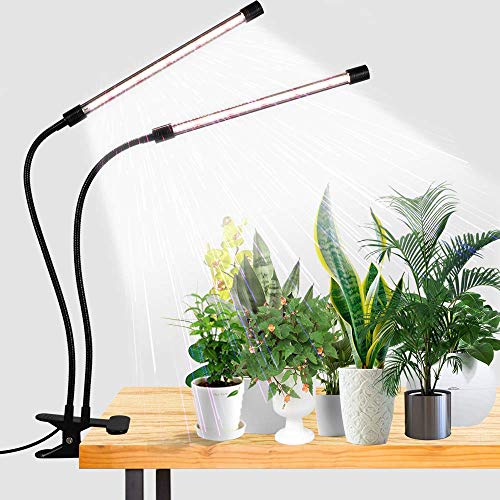
Bright, indirect light is ideal. An east window, or a spot 3 to 5 feet back from a south or west window, works well.
Gentle morning sun is fine. Hot afternoon sun through glass scorches the leaves, leaving bleached or brown patches that later fall.
If the plant has lived in low light, move it closer to the window in steps over 1 to 2 weeks. A sheer curtain softens strong western and southern sun.
Turn the pot a quarter turn every week or two so all sides get light evenly.
Are Drafts or Temperature Swings Stressing the Plant?
Yes, sudden hot or cold air is a fast route to leaf drop. Money trees grow best at 65 to 80°F and suffer below 50°F.
Which Indoor Spots Cause Sudden Leaf Drop?
Watch out for these common trouble spots:
- Next to exterior doors that open often in winter
- Against cold window glass on winter nights
- Near heating vents, radiators, or baseboard heaters
- In the path of an air conditioner or ceiling fan
- In a car or on a porch during a cold snap
In the Northeast and Midwest, cold glass and drafty doors cause most winter trouble. In the Southeast and Southwest, AC blasts in summer are the bigger issue.
Where Should You Move the Plant?
Choose a spot at least 3 feet from vents, doors, and heaters, with bright indirect light. An interior wall near a bright window is often perfect.
If your money tree spent summer outside in shade, bring it in before nights drop below 50°F. Only USDA zones 10 to 12 can keep it outdoors year-round.