
Most of the time, money tree leaves curl because the plant is losing water faster than its roots can replace it.
Curling is most often caused by dry soil, dry indoor air, or too much heat and direct sun, so check the soil 2 inches down first, then look at humidity and light.
Soggy soil, pests, cold drafts, a cramped pot, and too much fertilizer can cause the same curl. Each one leaves its own clues on the leaves, soil, and roots, and you can read them in a few minutes.
The money tree (Pachira aquatica) comes from the wetlands of Central and South America, but in a pot it hates sitting in wet soil. That mix of thirsty leaves and rot-prone roots is why curling leaves on this plant can point in two opposite directions.
What Does the Curl Pattern Tell You?
The shape of the curl and the feel of the leaf give you a strong first clue. Crispy, inward-rolled leaves lean toward dryness or heat, while soft, drooping, yellowing leaves lean toward root stress from wet soil. If you are stocking up, a soil moisture meter is the first thing I would pick up.
Inward Curls and Crispy Edges
When leaflets fold inward along the center vein or cup upward like a taco, the plant is shrinking the leaf surface to hold on to water. This is the classic look of underwatering, low humidity, strong sun, or heat.
Run your fingers over the leaf. If it feels thin, dry, or papery at the edges, and the tips are brown and crispy, dryness of some kind is the likely cause.
Downward Curls, Yellowing, and Limp Leaves
Leaves that roll downward, hang limp, and turn yellow point more toward the roots. Common causes of curling leaves in this group include overwatering, root rot, cold shock, and pests feeding on the undersides.
Root stress is sneaky. Damaged roots can’t move water, so a plant sitting in wet soil can still curl and wilt as if it were thirsty.
Why Curl Direction Alone Isn’t a Diagnosis
Curl direction narrows your list, but several causes overlap. A thirsty plant and a rotting plant can both droop, and spider mites can cause either cupping or rolling.
Brand-new leaflets also open slightly folded and cupped, then flatten as they harden. Light green, downward-pointing new growth is normal. I’d only worry when mature, dark green leaves start curling.
Is Your Money Tree Getting Too Little Water?
Underwatering is the most common reason for curled leaves on a money tree. The braided trunk stores some water, so the plant forgives a short dry spell, but a rootball that dries all the way through will curl the leaves within days.

Check the Soil Before You Water
Push your finger about 2 inches into the potting soil. If it’s dry at that depth, it’s time to water. If it’s still damp, wait a few days and check again.
Other signs of thirst:
- The pot feels light when you lift it.
- The soil has pulled away from the pot’s sides.
- Leaves feel wrinkled, crispy at the tips, or both.
- Lower leaves yellow and drop first.
Indoors, a watering frequency of every 1 to 2 weeks works for most homes, with less water in winter. My guide on how often to water a money tree covers seasonal timing in more detail.
Rehydrate Dry Soil Without Leaving the Pot Soaked
Bone-dry mix sheds water, so a quick splash runs straight out of the drainage holes. Water slowly until it drains, wait 10 minutes, then water again so the soil can absorb it.
For a badly dried rootball, set the pot in a sink or tub with 2 to 3 inches of room-temperature water for 20 to 30 minutes. Then lift it out and let it drain completely.
Never leave it in a full saucer, because that swaps one problem for root rot.
Could Soggy Soil Be Damaging the Roots?
Overwatering is the number one killer of money trees, and it can curl leaves just as badly as drought. Wet soil pushes air out of the root zone, roots suffocate and rot, and the leaves go short on water.
Signs of Overwatering and Root Rot
Look for these clues together:
- Soil still damp a week or more after watering
- Yellow leaves with soft, limp, downward curls
- A sour or musty smell from the pot
- Fungus gnats flying up from the soil
- A trunk that feels soft or spongy near the soil line
Gently squeeze each strand of the braided trunk. A healthy trunk feels firm.

A soft or hollow spot means rot has moved into the stem, and that trunk should be cut out at the base. If you’re seeing widespread damage, my guide on why a money tree is dying walks through rescue triage.
How to Improve Drainage and Save Healthy Roots
Slide the plant out of its pot. Healthy roots are firm and light tan or white; rotten roots are brown or black, mushy, and pull apart easily.
Trim all rotten roots with clean scissors. Repot in fresh, well-draining potting mix in a pot with drainage holes.
A peat- or coir-based mix with perlite or pine bark dries out at a healthy pace. My breakdown of the best soil for a money tree has mix ratios.
After repotting, wait until the top 2 inches are dry before watering again. Watch out for decorative cachepots, which trap runoff even when the inner pot has holes.
Is Dry Indoor Air Curling the Leaf Edges?
Low humidity curls money tree leaves from the edges inward, especially in winter when the heat runs. Around 50% humidity or higher is ideal, though the plant handles average home humidity if the soil is right.

How to Recognize Low-Humidity Stress
Dry-air damage shows up as crispy brown tips and edges, with leaves curling inward even though the soil is moist. It tends to hit in cold months across the Northeast and Midwest, and year-round in the Southwest.
A cheap digital hygrometer next to the plant tells you for sure. Readings under 40% mean the air is pulling water from the leaves faster than the roots can keep up.
For tips on the brown edges themselves, see my guide to money tree leaves turning brown.
Why a Humidifier Helps More Than Misting
Misting raises humidity for a few minutes, then the droplets dry and the air goes back to where it was. Frequent misting can also leave leaves wet long enough to invite leaf spots.
A small room humidifier set to 50% keeps the air steady all day, which is my top pick. A pebble tray (a shallow tray of pebbles and water under the pot) or grouping plants together adds a little moisture too.
Keep the pot bottom above the water line.
Are Sunlight or Heat Scorching the Leaves?
Strong direct sun and heat make money tree leaves cup upward and dry out at the edges. The plant grows best in bright indirect light, and gentle morning sun is fine, but hot afternoon sun scorches it.
Spot Sunburn and Heat Stress
Sun damage shows as pale, bleached, or papery patches in the middle of leaves, with crispy edges on the side facing the window. Leaves on that side curl first.
Heat stress looks similar and is common near south- or west-facing glass in summer, especially in the Southeast and Southwest. Leaves right next to a window can heat up well above room temperature even when the thermostat reads 72°F.
Find a Better Spot Without Making a Sudden Change
Move the plant 3 to 5 feet back from a south or west window, or right beside an east window. A sheer curtain softens afternoon sun if you don’t have another spot.
Make the move in one step to a spot with somewhat less light, then leave it there. Money trees dislike frequent moves and can drop leaves after a big, sudden change.
Rotate the pot every week or two so all sides get even light. Scorched leaflets won’t turn green again, so trim them once new growth appears.
Could Pests Be Distorting New Growth?
Sap-sucking pests pucker, twist, and curl leaves, often starting with the newest growth. The common pest infestation culprits on money trees are spider mites, aphids, mealybugs, thrips, and scale insects.
Check for Webbing, Speckling, and Sticky Residue
Hold a flashlight behind a curled leaf and look at the underside. Here’s what each pest leaves behind:
| Sign | Likely pest |
|---|---|
| Fine webbing, tiny pale speckles, dusty look | Spider mites |
| Clusters of green or black dots on new tips | Aphids |
| White cottony tufts in leaf joints | Mealybugs |
| Silvery scrapes and black specks | Thrips |
| Brown bumps on stems, sticky leaves | Scale insects |
Spider mites love warm, dry air, so they often show up in late fall once the heat comes on. Tap a leaf over white paper and watch for tiny moving dots.
Wash and Treat Infested Leaves Safely
Move the plant away from your other houseplants first. Rinse the leaves, tops and undersides, with lukewarm water in a shower or sink to knock off most of the pests.
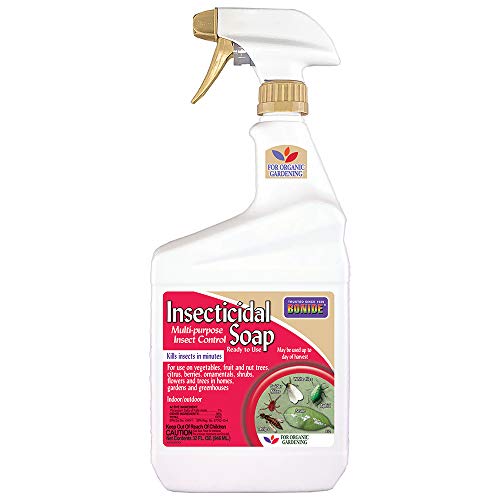
Next, spray insecticidal soap or neem oil on all leaf surfaces every 5 to 7 days for about three weeks. That schedule catches eggs as they hatch. Follow the product label, test a few leaves first, and spray out of direct sun.
<