7 Best Potting Soil for ZZ Plant [For Healthy Growth]

ZZ plants are popular houseplants known for their hardiness and low maintenance requirements. When it comes to helping these plants thrive, choosing the right potting soil is crucial for their overall health and growth. The ideal soil for ZZ plants combines good drainage with just enough moisture retention to support their semi-succulent nature.

Many plant owners wonder what specific soil components work best for ZZ plants. A well-balanced mix typically includes standard potting soil amended with materials that improve drainage, such as perlite, sand, or cactus soil. Understanding these soil requirements can help ensure your ZZ plant remains healthy and continues to grow for years to come.

1. Miracle-Gro Tropical Potting Mix

Miracle-Gro Tropical Potting Mix is a specially formulated soil designed for tropical plants, making it an excellent choice for ZZ plants. This mix contains lava rock, which provides superior drainage that ZZ plants need to prevent root rot.

The potting mix feeds plants for up to 6 months with its nutrient-rich formula. This extended feeding period means less frequent fertilizing, which is ideal for low-maintenance plants like ZZ plants.

Combining sphagnum peat moss and processed forest products creates an airy texture that allows roots to breathe. ZZ plants thrive in soil that doesn’t compact easily, and this mix maintains its structure over time.


Miracle-Gro Tropical Potting Mix - Growing Media for Tropical Plants Living in Indoor and Outdoor Containers, 6 qt. (2-Pack)

Drainage is crucial for ZZ plants since they’re susceptible to overwatering. The lava rock in this mix creates pockets of air that help excess water drain away from the roots quickly.

The lightweight nature of this potting mix makes it easier to handle when repotting. ZZ plants don’t need repotting often, but when they do, this soil won’t put extra stress on their rhizomes.

Many tropical plant enthusiasts specifically recommend this mix for plants like monsteras and pothos, which share soil requirements similar to ZZ plants. The mix provides the right balance of moisture retention and drainage.

The fast-draining properties help prevent the soggy conditions that often lead to ZZ plant problems. Even if you accidentally overwater, this soil will help protect your plant from sitting in excess moisture.

Miracle-Gro’s reputation for quality growing media adds confidence when choosing this mix. The consistent texture and reliable performance make it a staple option among plant care enthusiasts.

Check out Are ZZ Plants Toxic to Dogs?

2. Cactus and Succulent Soil Blend

Cactus and succulent soil blends are excellent choices for ZZ plants. These mixes are designed to provide good drainage, essential for ZZ plants to thrive.

Most cactus and succulent soil contains a mixture of regular potting soil with additional drainage materials. The blend typically includes perlite, pumice, sand, or grit, which help water move quickly through the soil.

ZZ plants naturally grow in drier conditions and can suffer from root rot if they sit in water for too long. A cactus soil mix addresses this issue by draining efficiently while still retaining enough moisture for the plant’s needs.

Many gardeners use a 50/50 mix of regular potting soil and cactus soil for their ZZ plants. This combination provides the perfect balance of nutrients and drainage that ZZ plants need.


Omitgoter Succulent & Cactus Soil Potting Mix 1qt, Natural Organic Potting Mix for Cactus, Succulent, Palm, and Citrus Grown in Containers Indoors and Outdoors

Commercial cactus and succulent mixes are widely available at garden centers and online stores. These ready-made options eliminate the guesswork involved in creating the right soil environment.

Some quality blends include ingredients like coco coir, which helps with moisture retention without becoming soggy. Horticultural sand and lava rock are also common components that improve aeration.

If using a pure cactus mix, be aware that it might drain too quickly for indoor ZZ plants. This could mean more frequent watering than is typically needed for these drought-tolerant plants.

Adding a small amount of organic matter to a cactus soil blend can improve nutrient content. Worm castings are a good choice as they provide nutrients without making the soil too dense.

When repotting a ZZ plant, gently shake off excess old soil and place it in fresh and succulent cactus. This gives the plant a fresh start with proper drainage and aeration.

The texture of a good cactus soil blend should feel gritty to the touch. If it compacts easily in your hand, it may not provide enough air pockets for healthy ZZ plant roots.

ZZ plants in proper cactus soil blends often show better growth and fewer problems with yellowing leaves. The improved drainage helps prevent the common issue of overwatering.

When ZZ plants need even less water in winter, a well-draining cactus soil mix becomes even more important. It helps prevent moisture from lingering around the roots when the plant’s water uptake slows down.

Check out ZZ Plant Toxic to Cats

3. Equal parts compost and perlite mix

A simple yet effective potting mix for ZZ plants combines equal parts compost and perlite. This balanced mixture provides excellent drainage while still retaining enough moisture for the plant’s needs.

Compost adds organic matter that slowly releases nutrients over time. This gentle feeding approach works well for ZZ plants, which don’t require heavy fertilization.

Perlite, a volcanic glass heated until it expands, creates air pockets in the soil. These air pockets prevent the mix from compacting and allow roots to breathe properly.

This mix works particularly well because ZZ plants store water in their rhizomes. They need soil that drains quickly to prevent rot issues. The equal ratio ensures neither component dominates.

When creating this mix, use a high-quality, fully decomposed compost. Fresh compost can continue breaking down and changing the soil structure over time.


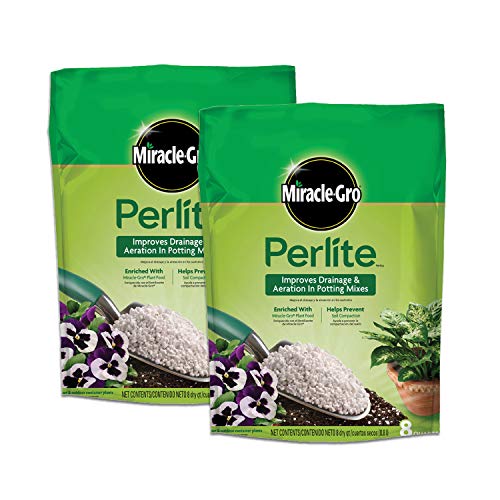
Riare 2 Quarts Organic Perlite for Plants - Horticultural Perlite Soil Amendment for Plants Potting Mix, Natural Chunky Perlite Soil Additive Conditioner Improve Root Growth, Drainage and Ventilation

You can adjust the ratio slightly if your home environment requires it. For very humid areas, add a bit more perlite. In drier climates, a touch more compost helps retain moisture.

This mixture provides a good foundation that can be customized. Some gardeners add some bark chips for additional drainage and structure.

The compost and perlite mix is also cost-effective. Both components are readily available at garden centers and can be used for many other houseplants.

When repotting your ZZ plant with this mix, gently loosen the roots. This helps the plant establish itself in the new soil environment.

Water thoroughly after repotting, then allow the soil to dry out completely before watering again. This practice helps the ZZ plant adjust to its new growing medium.

Check out How to Grow ZZ Plant from Cutting

4. Coco Coir-based Potting Soil

Coco coir has become a popular sustainable alternative for ZZ plant soil mixes. Made from recycled coconut husks, this lightweight growing medium offers excellent moisture retention while still providing good drainage for ZZ plants.

Unlike peat moss, coco coir is a renewable and environmentally friendly resource. It breaks down slowly, creating a stable growing environment that ZZ plants appreciate. The fibrous texture helps prevent soil compaction over time.

A quality coco coir mix for ZZ plants typically includes additional ingredients to enhance drainage. Many gardeners combine coco coir with perlite or horticultural sand at a 1:1 ratio to create the perfect balance of moisture retention and aeration.

Some commercial coco coir mixes come pre-blended with nutrients, though ZZ plants don’t need heavy fertilization. These ready-made options can be convenient for beginners who want a simple potting solution.


Back to the Roots Organic Coir, 51 Quart Expanding Soil, Great for Seeds and Potting

Coco coir has a neutral pH, making it suitable for ZZ plants which prefer slightly acidic to neutral soil conditions. This pH balance helps the plants access nutrients efficiently without stress.

When using coco coir, it’s important to note that it can sometimes dry out quickly at the surface while remaining moist below. This characteristic benefits ZZ plants by reducing the risk of overwatering, one of the most common causes of ZZ plant problems.

For best results, look for coco coir products that have been properly washed to remove excess salts. High-quality coco coir should have minimal dust and a pleasant earthy smell.

One advantage of coco coir is its ability to rewet easily, unlike peat which can become hydrophobic when dried out. This makes watering more effective and consistent for your ZZ plant.

Some gardeners create custom blends by mixing coco coir with worm castings for added nutrients. A simple mix might include 60% coco coir, 30% perlite, and 10% worm castings to provide both drainage and nutrition.

The moisture-retaining properties of coco coir mean you’ll likely need to water your ZZ plant less frequently. This aligns perfectly with the ZZ plant’s drought-tolerant nature and low-maintenance reputation.

When repotting a ZZ plant into a coco coir-based mix, ensure the plant’s rhizomes are positioned just below the soil surface. This allows the plant to establish properly while preventing issues with rot.

Check out Is ZZ Plant Good for Bedroom?

5. Horticultural Sand for Improved Drainage

Horticultural sand is an excellent addition to ZZ plant potting soil. This coarse-grained material helps create better drainage in the soil mix, preventing the root rot that ZZ plants are susceptible to when overwatered.

For ZZ plants, coarse sand is preferred over fine sand. It creates larger air pockets in the soil, allowing water to flow through more easily rather than becoming trapped around the roots.

When using sand in ZZ plant soil, look specifically for horticultural or coarse sand rather than playground or beach sand. These latter types often contain fine particles and salts that can harm plants.

A good ratio is about 1 part sand to 3 parts potting mix. This provides enough drainage improvement without making the soil too heavy or dense.


1-3mm Fine Silica Sand, Boniosz 2.4lb Horticultural Sand Potting Sand Soil for Plants, Aquariums, Fire Pits, Terrariums, Bonsai Succulent Cactus & Garden Sand Grit - Gardening Landscape Rocks

Horticultural sand works well when combined with regular potting soil and other amendments like perlite or pumice. The combination creates an ideal balance of moisture retention and drainage.

The weight of sand also helps stabilize tall ZZ plants in their pots. This can be particularly helpful for mature specimens that might otherwise become top-heavy.

Unlike some soil amendments, sand doesn’t break down over time. This means it continues providing drainage benefits long-term, making it a reliable choice for ZZ plants.

When mixing sand into potting soil, ensure it’s evenly distributed throughout. Pockets of sand won’t provide the consistent drainage needed for healthy root development.

Some gardeners prefer to create a sand layer at the pot’s bottom. However, mixing it throughout the soil improves overall drainage for ZZ plants.

Combining Canadian peat moss and sand creates a balanced moisture environment where ZZ plant roots can thrive. This balance leads to healthier growth and more vibrant foliage.

Check out How to Take Care of a ZZ Plant?

6. Loamy Soil for Nutrient Retention

Loamy soil provides an excellent foundation for ZZ plants due to its balanced composition. It’s mix of sand, silt, and clay creates ideal growing conditions for these resilient houseplants.

The texture of loamy soil strikes a perfect balance between drainage and water retention. This balance helps prevent the root rot that ZZ plants are susceptible to while still providing necessary moisture.

One of the most significant advantages of loamy soil is its nutrient-holding capacity. ZZ plants aren’t heavy feeders, but they do appreciate a steady supply of nutrients for optimal health and growth.

When using loamy soil for ZZ plants, look for a mix that isn’t too heavy. You want the soil to feel somewhat light and crumbly rather than dense and compacted.

Many gardeners enhance loamy soil with organic matter like compost. This addition improves the soil’s structure and nutrient content, benefiting ZZ plants over time.


Doter Citrus Tree Potting Soil Mix, Organic Loamy Potting Soil for Potted Lemon or Lime Tree, Special Blend for Indoor Oranges, Lemons, Limes and More

A good loamy mix for ZZ plants might include regular potting soil amended with sand and perlite. This combination creates the well-draining yet moisture-retentive environment that ZZ plants prefer.

The natural fertility of loamy soil means you may need to fertilize less frequently. ZZ plants typically only need feeding every 2-3 months during the growing season, and loamy soil helps extend the effectiveness of any fertilizer applied.

Loamy soil also maintains a more stable pH level than other soil types. ZZ plants prefer a slightly acidic to neutral pH range between 6.0 and 7.0, which loamy soil naturally provides.

When repotting a ZZ plant into loamy soil, gently loosen the roots before placement. This helps the roots establish more quickly in the new soil environment.

Over time, the organic components in loamy soil break down. This natural process releases nutrients gradually but also means you’ll need to repot your ZZ plant every 2-3 years to refresh the soil.

For ZZ plants that appear to be struggling, switching to a quality loamy soil mix can make a significant difference. The improved nutrient availability and balanced moisture levels often result in visibly healthier plants.

Commercially available loam-based potting mixes can be found at most garden centers. Look for mixes labeled for indoor plants or specifically for aroids, which share soil preferences similar to ZZ plants.

7. Repotme ZZ Plant Imperial Mix

The Repotme ZZ Plant Imperial Mix is specifically formulated for Zanzibar Gem plants. This potting soil offers excellent drainage, which is crucial for ZZ plants that are prone to root rot when overwatered.

The foundation of this mix is coir, imported for quality. Coir helps retain just enough moisture while allowing excess water to drain away, creating an ideal environment for ZZ plant roots.

This specialized mix comes in a resealable pouch. This practical packaging helps keep the soil fresh for future use, making it convenient for plant owners who may not use all the soil at once.

Repotme makes their soil mixes fresh daily in small batches. This approach helps ensure quality and freshness, contributing to better plant growth outcomes.

The ZZ Plant Imperial Mix provides optimal water content for these drought-tolerant plants. It strikes the right balance between moisture retention and drainage that ZZ plants need to thrive.

This mix offers convenience for those looking for a premium option specifically designed for ZZ plants. The soil is ready to use straight from the package without blending additional components.

Repotme is known for creating pest-free potting mixes made in the USA. Their attention to quality control can give plant owners peace of mind when repotting valuable houseplants.

ZZ plants typically don’t need frequent repotting, so investing in a high-quality soil mix can be worthwhile. The Imperial Mix provides the right environment for ZZ plants to grow their thick rhizomes and develop healthy root systems.

Understanding ZZ Plant Soil Needs

ZZ plants require specific soil conditions to thrive despite their reputation for being low-maintenance. The right soil mix promotes healthy growth while preventing common issues like root rot and stunted development.


Nature’s Way Farms ZZ Plant, Zamioculcas Zamiifolia, Indoor, Outdoor, Live Houseplant, in Grower Pot (25-30 in. Tall)

Essential Soil Characteristics

ZZ plants prefer soil that balances moisture retention with excellent drainage. Well-draining soil with both organic and inorganic components provides the ideal environment for these plants. A quality ZZ plant mix typically contains:

  • Cactus/succulent soil as a base
  • Perlite to improve aeration
  • Peat moss or coco coir for limited moisture retention
  • Loamy soil for stability and nutrients

The mix should be coarse rather than fine and dense. ZZ plants evolved in drought-prone areas of Africa, making them adapted to soil that doesn’t stay wet for long periods. A slightly acidic to neutral pH (6.0-7.0) works best for nutrient absorption.

Importance of Drainage

Proper drainage is crucial for ZZ plant health and prevents the most common cause of ZZ plant failure: overwatering. In soggy conditions, the rhizomes that store water can quickly rot.

Good drainage comes from:

  1. Soil composition – Using chunky materials that create air pockets
  2. Pot selection – Containers with drainage holes
  3. Watering practices – Allowing soil to dry completely between waterings

Using a mix of standard potting soil and cactus soil creates the right balance. Many gardeners add extra perlite or small gravel to commercial mixes to enhance drainage further. This prevents water from pooling around the roots and rhizomes.

When repotting a ZZ plant, ensure the new container has adequate drainage holes and consider adding a layer of pebbles at the bottom for additional drainage support.

How to Improve Potting Soil Quality

Even the best commercial potting mixes for ZZ plants can be enhanced to meet their specific needs better. Improving soil quality helps prevent root rot, ensures proper drainage, and maintains adequate nutrition.


rePotme ZZ Plant Potting Soil - Imperial Houseplant Mix - Standard Bag (8 Quarts) - Great Potting Mix for Indoor Plants

Amending with Perlite or Sand

Adding perlite or sand to ZZ plant soil significantly improves drainage. Mix in perlite at a ratio of 1 part perlite to 2 parts soil to create air pockets that prevent water logging. Coarse sand works similarly but is heavier and less likely to float to the top when watering.

Pumice is another excellent amendment that provides drainage without breaking down over time. For ZZ plants that struggle with excess moisture, consider adding up to 30% perlite or pumice to the mix.

Vermiculite can be used in small amounts (10-15%) if the growing environment tends to be dry, as it helps retain some moisture while still allowing adequate drainage.

Incorporating Organic Matter

Organic materials enrich ZZ plant soil with essential nutrients and improve its structure. Compost serves as a natural fertilizer, releasing nutrients slowly as it breaks down. Add 10-20% compost to the potting mix to provide nutrients without risk of burning roots.

Worm castings are particularly beneficial, containing beneficial microbes that enhance soil health. They can compose 5-10% of the total mix.

Coconut coir makes an excellent peat moss alternative, improving water retention while remaining sustainable. It creates a lighter soil texture that roots can easily penetrate.

Bark chips or orchid bark can be added at 10-15% to create additional air spaces in heavier soils, preventing compaction that would impede root growth and drainage.

Best Potting Soil for ZZ Plant

Conclusion

Choosing the right soil for your ZZ plant is crucial for its health and growth. The ideal potting mix should be well-draining, light, and airy to prevent root rot and support the plant’s rhizome system.

A mix containing equal parts of regular potting soil, perlite, and either peat moss or coco coir creates an excellent foundation. For added drainage, incorporating succulent or cactus soil is highly beneficial.

ZZ plants don’t need specialty soils to thrive. They simply require a medium that balances moisture retention with good drainage. The soil should never remain soggy but should hold enough water to sustain the plant between waterings.

When repotting, choose a container only slightly larger than the current one with adequate drainage holes. This prevents overwatering issues and gives the plant room to grow without excess soil that stays wet.

Remember that ZZ plants are hardy and adaptable. While they appreciate a good soil mix, they can tolerate less-than-perfect conditions. The key factors are drainage and aeration.

With the right soil mix, ZZ plants require minimal maintenance and will reward plant owners with lush, glossy foliage for years to come.

vegetable garden ideas

10 Vegetable Garden Layout Ideas