
Cactus mix on its own is a poor fit for a dieffenbachia. It drains fast and holds little food or water, while this tropical plant wants soil that stays lightly moist between drinks.
You can use cactus soil for dieffenbachia only as a minor ingredient, blended about one part cactus mix to two parts regular indoor potting soil, because the potting soil supplies the moisture and organic matter the roots need.
That small change gives you the best of both bags. The gritty cactus portion keeps air moving around the thick roots, and the potting soil keeps the leaves from crisping between waterings.
I’ll show you how to blend it, how to build a mix without it, and how to tell if your plant is happy in its new home.
Can You Use Cactus Mix on Its Own?
No, I don’t recommend planting a dieffenbachia in straight cactus mix. The soil for dieffenbachia has two jobs at once: it should drain freely and still hold a steady reserve of water.
Cactus mix only does the first job well. The best soil for dieffenbachia sits in the middle, loose and airy but damp a day or two after watering.
Why Adding Moisture-Holding Potting Mix Makes the Difference
This plant’s soil needs come from where it grows wild. It lives on the humid floor of rainforests in Central and South America and the Caribbean, where roots grow through loose, leafy, damp ground.
Regular potting mix copies that. Its peat or coir soaks up water like a sponge and lets it go slowly, so roots can sip for several days.
When you stir potting mix into cactus soil, you add back that sponge. The grit still keeps pockets of air open, so you get moisture without sogginess.
A plant in straight cactus mix will dry out in two or three days in a warm room. A blended mix stretches that to about a week in most homes, which suits this plant’s rhythm much better.
What Is Cactus Mix Made to Do?
Cactus mix exists to get water away from roots fast. Desert cacti store water in their stems and rot if their roots stay wet, so the soil is built from coarse, gritty pieces with only a little organic matter.
That design is perfect for a barrel cactus and too dry for a leafy plant like dieffenbachia. The trick is knowing what’s in your particular bag.
Why Bagged Cactus Mixes Vary
No two brands of cactus mix are built the same. Some bags are mostly fine peat with a sprinkle of perlite, and they hold water almost like regular potting soil.

Others are heavy with grit and drain in seconds. The label “cactus and succulent” tells you the goal, but the ingredient list tells you how it will behave.
Here’s a quick way to check. Wet a handful and squeeze it:
- It falls apart right away: a gritty mix that will dry very fast.
- It holds a loose clump that crumbles when poked: a peat-heavy mix that’s closer to potting soil.
- It packs into a firm ball: a dense mix that can stay wet for days.
Knowing which type you have lets you adjust how much potting soil to add.
Which Ingredients Make a Mix Too Gritty?
A few ingredients do most of the drying work in a cactus mix:

| Ingredient | What it does | Effect on dieffenbachia |
|---|---|---|
| Perlite | White, puffed volcanic glass that adds air | Helpful in moderation |
| Pumice | Heavier volcanic rock that drains and stays put | Fine in small amounts |
| Coarse sand | Opens space for water to run through | Too lean if it dominates |
| Zeolite | Porous mineral grains | Adds grit, little organic value |
| Peat | Holds water and adds body | The part dieffenbachia likes |
If the bag lists pumice, sand, or zeolite first, it’s a very gritty mix. That kind needs more potting soil added before a dieffenbachia will do well in it.
What Do Dieffenbachia Roots Need Instead?
Dumb cane roots want an even mix of water and air around them, plus slightly acidic soil. Root health depends on that balance more than on any single fancy ingredient.
How Moisture and Air Support Healthy Roots
Roots breathe. This process, called root respiration, uses oxygen from tiny air pockets in the soil.
When every pocket fills with water and stays full, roots run out of oxygen and start to die. When soil dries out completely, the fine root hairs that take up water shrivel.
A good mix holds water in some spaces and air in others at the same time. That’s why I like a peat- or coir-based potting soil lightened with perlite or bark.
Healthy dieffenbachia roots look firm and white to tan. They spread through the whole pot instead of circling one wet corner.
What Soil pH Should You Aim For?
Aim for a soil pH of about 6.0 to 6.5, which is slightly acidic. Anything up to about 7.0 works fine, and most bagged indoor potting mixes already land in that range.
You don’t need pH testing for a healthy plant in fresh mix. I’d only test if leaves are pale and growth has stalled even with good light and feeding.

Inexpensive test strips or a meter work for a quick check. If the reading is too high, mix a small amount of elemental sulfur into the top of the soil and recheck in a few weeks.
If the reading falls below about 5.5, a light sprinkle of garden lime raises it. Go easy with both, since repotting into fresh mix fixes most pH problems faster.
What Can Go Wrong with Cactus Soil Alone?
Straight cactus mix causes two opposite problems: thirst stress from drying too fast, and root rot when you try to make up for it with too much water.
Fast Drying, Brown Edges, and Drooping
The first sign of trouble is drooping. Gritty soil dries in a day or two, and the big leaves lose water faster than the roots can replace it.
Next come crispy tips and edges. If you’re seeing dieffenbachia leaves turning brown, fast-drying soil is one of the first things I’d check, along with dry indoor air.
Cactus mix also holds very few nutrients. Over a few months, a plant in it often grows smaller new leaves with weaker color.
Why Poorly Matched Mixes Can Still Cause Root Rot
It sounds backward, but a fast-draining mix can still lead to root rot. When a plant droops every few days, most people respond by watering more often.
That constant watering keeps the lowest inch of soil wet, and in a peat-heavy cactus bag, that wet layer lingers. Overwatering at the bottom of the pot is how rot starts, even when the top looks dry.
Watch for mushy brown roots, a sour smell, and soft stem bases. Yellowing leaves that show up on several stems at once also point to root trouble.
How Should You Blend Cactus Mix with Potting Soil?
Blend two parts potting soil with one part cactus mix for most homes. This uses up a bag you already own and gives you a loose, well-draining dieffenbachia soil.
A Starting Ratio for an Indoor Plant
For a plant in a 6- to 8-inch pot, this makes enough:
- 4 cups indoor potting soil (peat- or coir-based)
- 2 cups cactus mix
- 1 handful compost or worm castings (optional, for extra nutrients)
Pour everything into a bucket or tub. Add a splash of water and toss with your hands until the mix feels damp like a wrung-out sponge.
Peat moss and coco coir both work as the base. Coconut coir rewets more easily after drying out, and peat holds a bit more water.
Do the squeeze test. A good blend holds a loose shape, then breaks apart when you poke it.
How to Adjust the Blend for a Dry or Humid Home
Your climate changes how fast any mix dries. Here’s how I’d tweak it:
| Home conditions | Potting soil | Cactus mix | Extra |
|---|---|---|---|
| Dry air, Southwest, or heated winters | 3 parts | 1 part | Small scoop of coir |
| Average home | 2 parts | 1 part | None |
| Humid Southeast, or cool, low-light rooms | 1 part | 1 part | None |
In the Southwest and in heated Northeast and Midwest apartments, indoor air can drop below 30% humidity in winter. A mix with more potting soil keeps roots from drying out between checks.
In the humid Southeast or a shady room, soil stays wet longer. More cactus mix helps the pot dry in a reasonable time.
How Do You Make a Mix Without Cactus Soil?
You don’t need cactus mix at all to make great soil. A bag of potting soil plus perlite and bark does the same job, and I’d pick this route if you’re buying ingredients from scratch.
A Simple Potting Mix, Bark, and Perlite Recipe
This is my go-to aroid mix for a dieffenbachia:
- 2 parts indoor potting soil
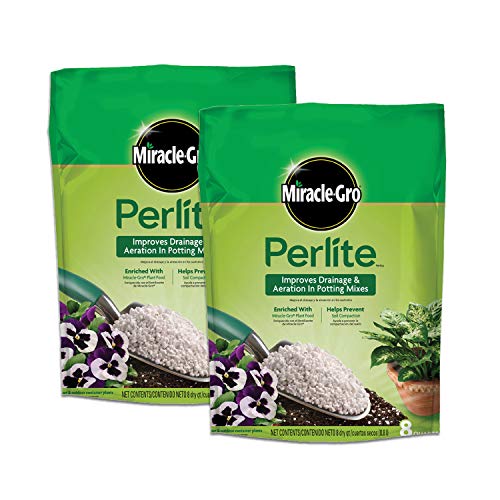
- 1 part perlite
- 1 part small orchid bark or pine bark (pieces about ¼ to ½ inch)
The potting soil holds water and food. The perlite adds air, and the bark keeps the mix from packing down as it ages.
If your home is very dry, swap a little of the perlite for vermiculite. Vermiculite holds more water and some nutrients.
A handful of worm castings per gallon of mix adds slow, gentle food. For more on base mixes, see my guide to the best soil for indoor plants.
When Is a Ready-Made Aroid Mix a Better Choice?
A bagged aroid mix is the easy choice if you have only one or two plants. You skip buying three separate bags and storing leftovers.
Read the label before buying. Look for bark, perlite, and coir or peat near the top of the ingredient list.
Some aroid blends are very chunky and made for climbing plants like philodendrons. For a dieffenbachia, I’d stir in one part regular potting soil for every three parts of a very chunky blend so it holds a bit more water.
Which Pot and Drainage Setup Works Best?
The pot affects drainage almost as much as the soil does. Your best setup is a container with holes in the bottom, sized just a little larger than the root ba