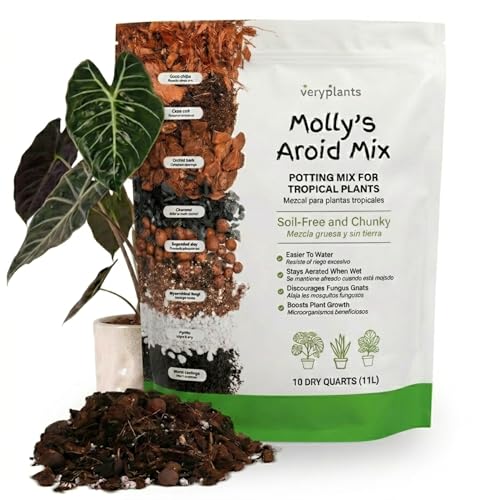
The best soil for indoor plants holds some moisture, drains fast, and leaves room for air around the roots. It isn’t one bag for every plant.
A monstera, a cactus, and a maidenhair fern each want a different balance of water and air in the pot.
In this guide, I’ll explain what potting mix needs to do, which ingredients matter, and which mix fits each type of houseplant. You’ll also get simple DIY ratios you can stir together at the kitchen table.
What Houseplant Soil Needs to Do
Houseplant soil has three jobs. It holds enough water for roots to drink, drains the extra quickly, and keeps air pockets open so roots can breathe. When one of those jobs fails, roots suffer.
Hold Moisture Without Staying Soggy
Roots take up water from the thin film clinging to soil particles. A good mix holds that film for days, not hours.
But water shouldn’t sit in every gap. When pore spaces stay full, roots run out of oxygen and start to rot. That is the most common way houseplants die.
Drain Fast and Keep Air Pockets Open
Drainage and air go together. As extra water flows out of the pot, it pulls fresh air into the spaces it leaves behind.
Roots need that oxygen as much as they need water. A mix with plenty of coarse pieces keeps those spaces open, even after months of watering.
Drainage also depends on the container. A mix can only drain well if the pot has a hole, so I’d pair good soil with the right pots for indoor plants before anything else.
The Two Products I’d Start With
For most beginners, two products cover a lot of ground:
- An all-purpose indoor potting mix. This is a soilless blend made for containers. It’s light, holds moisture well, and suits most foliage plants straight from the bag.
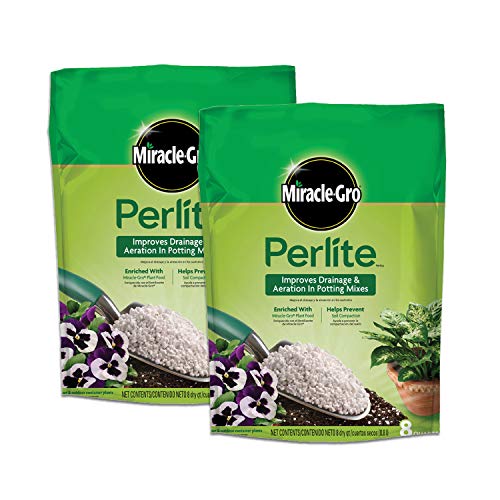
- Perlite. These white, popcorn-like bits of expanded volcanic glass add air and drainage. Stirring 20 to 30 percent perlite into potting mix makes it drain faster.
With just those two, you can make a mix for pothos, peace lilies, and dracaenas, or a grittier blend for snake plants. The rest of this guide builds on that base.
Potting Mix vs. Garden Soil
Potting mix is a light, soilless blend made for containers, while garden soil is the heavy mineral earth from your yard. Garden soil belongs in the ground, not in pots.
Why Garden Soil Fails in Pots
In a garden bed, worms, roots, and freeze-thaw cycles keep soil loose. Water also drains down into the earth below.
A pot has none of that. Garden soil packs down after a few waterings, turns dense, and holds water at the bottom. Roots end up sitting in a wet, airless block.

Garden soil can also carry weed seeds, insect eggs, and disease organisms into your home. That’s a risk you don’t need.
What Makes Potting Mix Different
Potting mix is built from light, organic, and mineral ingredients like peat, coco coir, bark, compost, and perlite. These pieces don’t pack tightly, so the pot drains and breathes.

Bagged mixes are also made to be fairly clean and consistent. You know roughly what you’re getting each time.
Here’s how they compare:
| Feature | Potting mix | Garden soil |
|---|---|---|
| Weight | Light | Heavy |
| Drainage in pots | Good | Poor |
| Air space | High | Low after compaction |
| Pest and weed risk | Low | Higher |
| Best use | Containers indoors and out | In-ground beds |
What About “Potting Soil” and “Topsoil” Bags?
Bag labels can be confusing. Products sold as topsoil or garden soil are meant for beds and lawns, so skip them for houseplants.
Look for bags labeled for containers or indoor plants. When in doubt, check the ingredient list for peat or coir, bark, and perlite.
Potting Mix Ingredients That Matter
A few ingredients do most of the work. Some hold water, some add air, and some feed the plant. Knowing what each one does helps you fix a mix that isn’t working.
Water-Holding Ingredients
- Peat moss. Holds a lot of water and stays light. It’s slightly acidic and can be hard to rewet once bone dry.
- Coco coir. Made from coconut husk fiber. It holds water like peat but rewets more easily.
- Compost. Adds organic matter and a small amount of nutrients. Too much can make a mix heavy, so it’s usually a minor part.
These are the sponges in the pot. Plants that like steady moisture want more of them.
Drainage and Air Ingredients
- Perlite. Light, white, and full of air pockets. It’s the easiest way to loosen any mix.
- Pumice. A porous volcanic rock. It’s heavier than perlite, so it doesn’t float to the top when you water.
- Orchid bark. Chunks of bark that create big air gaps. Aroids and orchids love it.
- Coarse sand. Adds grit and weight for cacti. Use coarse sand only, since fine sand fills gaps and slows drainage.
- Vermiculite. Holds water and some nutrients. It’s handy for seed starting and moisture-loving plants, but it doesn’t add much air.
These are the spacers. Dry-loving plants want more of them.
Fertilizer and Other Additives
Many bagged mixes include a starter dose of slow-release fertilizer. That’s why I hold off on feeding for 4 to 6 weeks after repotting.
Some mixes also contain wetting agents that help dry peat absorb water. Others add a bit of lime to balance peat’s acidity.
Once the starter fertilizer runs out, you’ll need to feed regularly in the growing season. My guide on how often to fertilize indoor plants covers timing and strength.
| Ingredient | Main job | Best for |
|---|---|---|
| Peat moss | Holds water | Ferns, calatheas, foliage plants |
| Coco coir | Holds water, rewets easily | Ferns, calatheas, general mixes |
| Compost | Organic matter, light nutrients | Moisture-loving plants |
| Perlite | Drainage and air | Nearly every mix |
| Pumice | Drainage, stays in place | Cacti, succulents |
| Orchid bark | Big air gaps | Aroids, orchids |
| Coarse sand | Grit and weight | Cacti, succulents |
| Vermiculite | Holds water and nutrients | Moisture-lovers, seedlings |
All-Purpose Mix for Foliage Plants
An all-purpose indoor potting mix works for most leafy houseplants, especially with 20 to 30 percent perlite added. For a lot of homes, this is the best soil for indoor plants that don’t have special needs.
Which Plants Do Well in All-Purpose Mix
This mix suits plants that like even moisture and don’t need a chunky or gritty blend:
- Peace lilies
- Dracaenas
- Spider plants
- Rubber plants
- Fiddle-leaf figs
- Parlor palms and other indoor palms
- Dieffenbachia
- Chinese evergreens
Most of these grow fine in a bagged mix as-is. Adding perlite simply gives you more room for error if you water a little too often.
How Much Perlite to Add
My advice is to mix about 3 parts potting mix with 1 part perlite. That lands right around 25 percent, which fits the 20 to 30 percent range most foliage plants like.
Use the higher end if your home is cool, your light is low, or you tend to overwater. Soil dries slowly in all three cases.
Use the lower end for thirsty plants in bright, warm rooms, or in plastic pots that already hold moisture well.
Signs Your All-Purpose Mix Needs Adjusting
Watch how the soil behaves for a few weeks after repotting. It tells you what to change.
- Soil still damp a week later in bright light: add more perlite or bark next time.
- Soil dries in a day or two: the mix is too coarse, or roots have filled the pot.
- Water runs down the sides without soaking in: the mix has dried out too far or broken down.
- Hard crust on top: the mix has compacted and needs refreshing.
A healthy mix should feel like a wrung-out sponge a day after watering. It shouldn’t feel muddy or dusty.
Soil for Monstera and Other Aroids
Monstera, philodendron, and pothos grow best in a chunky aroid mix made from roughly equal parts potting mix, orchid bark, and perlite. Many aroids climb trees in the wild, so their roots expect loose material and plenty of air.

Why Aroids Want a Chunky Mix
In nature, many aroids root into leaf litter and bark on the forest floor or on tree trunks. Their roots are thick and thirsty for oxygen.
Plain potting mix can stay too wet around those roots, especially in a big pot. A chunky blend lets water rush through while bark holds a bit of moisture between waterings.
This mix also resists compaction. That matters because large aroids often stay in the same pot for a year or two.