
Most indoor plants do best with fertilizer every 2 to 4 weeks in spring and summer, when they’re putting out new leaves.
I recommend a liquid houseplant fertilizer mixed at half strength every 2 to 4 weeks from spring through late summer, then tapering in fall and stopping from late fall to late winter unless the plant is still growing.
That one rhythm covers pothos, monstera, philodendrons, and most other leafy tropicals. Slow growers like succulents need far less, and plants under grow lights may keep eating all year.
The trick is matching food to growth, because a pot only holds so much, and extra fertilizer just sits there as salt.
A Simple Feeding Schedule for Most Indoor Plants
For most houseplants, a half-strength feeding every 2 to 4 weeks during the active growing season is plenty. The exact gap depends on how fast the plant is growing and how much light it gets. A few situations call for skipping a feeding entirely.
When Does Every 2 to 4 Weeks Make Sense?
Feed every 2 weeks when a plant is clearly racing along. That means a new leaf every week or so, roots pushing out the drainage holes, and soil drying fast in a bright window.
Stretch to every 3 or 4 weeks for plants in medium light or plants that grow slowly, like snake plants and ZZ plants. If you’re unsure, I’d start at every 4 weeks and shorten the gap only if growth looks pale or slow.
Here’s how I’d set it up:
| Growth and light | How often to feed (half strength) |
|---|---|
| Fast growth, bright indirect light | Every 2 weeks |
| Steady growth, medium light | Every 3 to 4 weeks |
| Slow growth or low light | Every 6 to 8 weeks |
| No new growth | Skip |
When Should You Skip a Feeding?
Skip fertilizer when the soil is bone dry. Water first, then feed the next day, because fertilizer on dry roots is the fastest route to burn.
Also skip it when a plant is sick, wilting, freshly repotted, or sitting dormant. Fertilizer feeds growth.
It won’t fix a plant that’s stressed by overwatering, cold drafts, or pests. If you see insects, deal with them first; my guide on how to get rid of bugs on indoor plants walks through that.
Why Do Potted Houseplants Need Fertilizer?
Potted plants need fertilizer because their small pot of soil runs out of nutrients and has no way to refill itself. Outdoors, fallen leaves and soil life keep adding food. Indoors, that cycle doesn’t happen.

Most potting mixes are made of peat, coir, and bark. These hold water and air well but carry very few nutrients of their own. The starter fertilizer in a fresh bag usually gets used up in roughly 6 to 8 weeks.
Watering speeds up the loss. Each time water runs out the drainage holes, it carries dissolved nutrients with it. Over months, the mix gets poorer and poorer.
Fertilizing houseplants puts those nutrients back. A good houseplant fertilizer supplies the big three (nitrogen, phosphorus, and potassium) plus small amounts of iron, magnesium, zinc, and other trace minerals.
Plants can survive without feeding, but they slow down. You’ll see smaller new leaves, paler color, and fewer flowers. Well-fed plants also tend to handle pests better, while weak, hungry plants are easier targets for spider mites on indoor plants and similar problems.
How Should Feeding Change Through the Seasons?
Feeding should follow daylight. Start light in early spring, feed most steadily in summer, cut back in fall, and rest in winter. Across most of the US, that means feeding roughly March through August or September.
Spring: Restart When New Growth Appears
Restart feeding when you see fresh leaves unfurl or the soil starts drying faster. In most of the country, that’s around mid-March, when the days get noticeably longer.
I like to ease in. Give the first two or three feedings at a quarter to half strength, every 4 weeks. The plant is just waking up and can’t use a full meal yet.
Spring is also a good time to check whether a plant needs a bigger pot or fresh mix. Repot first, then wait before feeding (more on that below).
Summer: Keep Pace with Active Growth
Summer is peak feeding time. Long days and warm rooms mean the plant is using water and nutrients quickly, so every 2 to 4 weeks at half strength fits most plants.
Fast growers like pothos and monstera can take feeding every 2 weeks. Slow growers do fine monthly. If you move plants out to a shaded porch for summer, keep the same schedule, since they’ll grow even faster outside.
In hot Southeast and Southwest summers, check soil moisture before each feeding. Pots dry out fast, and dry soil plus fertilizer means burned roots.
Fall: Taper Off as Growth Slows
Start cutting back in late August or September. I’d keep the half-strength mix but stretch the gap to every 6 weeks, then make the last feeding by early October.
In the Northeast, Midwest, and Pacific Northwest, light drops off quickly in fall, so tapering early makes sense. Gardeners in South Florida, South Texas, and Southern California see less change and can taper later.
Winter: Pause Unless the Plant Is Still Growing
Winter fertilizing is usually a mistake for plants that have stopped growing. Low light slows them down, and unused fertilizer builds up as salt in the soil.
There are exceptions. Plants that bloom in winter, like Christmas cactus, and plants under grow lights are still active.
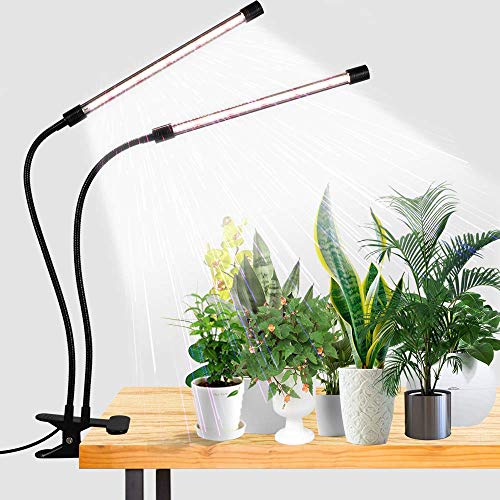
In frost-free areas, I’d feed at half the summer rate and half as often. If you see steady new growth in December, a light feeding is fine.
How Does Fertilizer Type Change the Schedule?
The form of fertilizer sets how often you apply it. Liquid fertilizer and water-soluble fertilizer last a couple of weeks, granular fertilizer lasts 4 to 6 weeks, and slow-release fertilizer can last 3 to 6 months.

Organic and synthetic products both work, but organic fertilizer releases food more slowly.
Liquid and Water-Soluble Fertilizers
Liquid concentrates and water-soluble powders are my top choice for houseplants. You mix them into your watering can and feed every 2 to 4 weeks.
Their biggest plus is control. You can feed more in summer, less in fall, and stop in winter right away. If you’d like help choosing one, I cover the options in my guide to liquid fertilizer for indoor plants.
Always measure. A heaping capful instead of a level one is how most overfeeding starts.
Slow-Release Granules
Slow-release fertilizer comes as coated beads that leak nutrients each time you water. One application usually lasts 3 to 6 months, so you feed once in spring and maybe again in early summer.
The catch is heat. Release speeds up in warm rooms, so a hot sunny windowsill can dump a lot at once. I’d use half the label rate indoors.
I wouldn’t add liquid feed on top of slow-release granules in the same pot, since the combined salts can damage roots.
Fertilizer Spikes
Spikes are easy: push one into the soil and it feeds for 1 to 2 months. The trouble is uneven feeding. Roots right next to the spike can burn while roots across the pot get nothing.
If you like spikes, use them in larger pots and place them near the edge, away from the main stem. For small pots, I’d stick with liquid.
Organic Fertilizers and Worm Castings
Organic options like fish emulsion, kelp, and worm castings are gentle and low risk for burn. Fish emulsion smells strong for a day or two, which some people don’t want in the living room.

Worm castings are my favorite organic choice indoors. Top-dress with about ¼ to ½ inch each spring for a mild, odor-free background feed.
Keep the surface from staying soggy, though, since rich, damp topsoil invites fungus gnats. Their larvae live in the top 1 to 2 inches of soil, so let that layer dry between waterings.
Which Houseplants Need More or Less Feeding?
Fast-growing leafy plants and bloomers want the most food. Succulents, cacti, orchids, and ferns want much less. Any balanced fertilizer for indoor plants works across most groups if you adjust strength and timing.
Foliage Plants: Pothos, Monstera, and Spider Plants
Pothos, monstera, and philodendrons are hungry in summer. Feed them every 2 to 3 weeks at half strength with a balanced or slightly higher-nitrogen formula.
Spider plants are the exception in this group. They’re sensitive to fluoride and salt buildup, which shows up as brown leaf tips. I’d feed them monthly at half strength and flush the pot every few months.
Flowering Plants: African Violets and Peace Lilies
African violets bloom on and off all year, so many growers feed them lightly with each watering using a violet-specific fertilizer at about a quarter strength. Keep fertilizer water off the fuzzy leaves.
Peace lilies need less than people think. Feed every 6 weeks or so during spring and summer. Too much brings brown tips without more flowers.
A quick pet note: the ASPCA lists peace lilies as toxic to cats and dogs, while African violets and spider plants are listed as non-toxic.