9 Ways to Get Rid of Bugs on Indoor Plants: Effective Solutions for Healthy Houseplants

Indoor plants add life and a touch of nature to our homes. Unfortunately, they can also attract bugs that damage leaves, stems, and roots.

The most effective way to get rid of bugs on indoor plants is to identify the pest first, then use the appropriate treatment method that targets that specific invader.

It’s honestly frustrating when pests show up. But there are real solutions, from simple soap sprays to introducing beneficial insects.

Checking your plants regularly helps catch infestations early. If you spot bugs before they spread, you’ll have an easier time getting rid of them.

1. Use insecticidal soap spray to suffocate and remove bugs

Insecticidal soap is a safe, reliable way to treat bug problems on houseplants. It breaks down the outer layer of soft-bodied insects, so they quickly dehydrate and die.

This spray works well on spider mites, aphids, and mealybugs. It coats the bugs, suffocates them, and disrupts their cell membranes.

You can buy commercial insecticidal soaps made for plants. These are designed to kill pests without harming your plants or putting pets and people at risk.

If you’d rather make your own, just mix 1–2 tablespoons of pure liquid castile soap with 1 quart of water. Steer clear of dish soaps with bleach or degreasers.

Before spraying the whole plant, test your solution on a small patch. Wait a day to see if there’s any burning or discoloration.


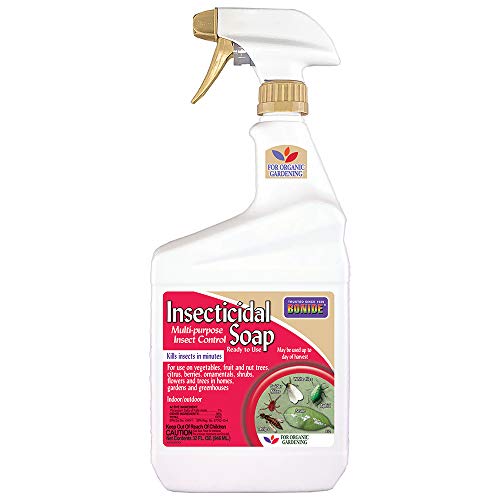
Garden Safe 32 oz. Insecticidal Soap Ready-to-Use, 1 Count (Pack of 1)

Spray all surfaces, especially under the leaves, where bugs love to hide. The solution must come into direct contact with the pests to be effective.

You’ll need to repeat the treatment every 7–10 days, at least three times, to break the pest cycle. Don’t expect a miracle overnight.

For tough infestations, add a few drops of neem oil to your spray. This boosts its effectiveness and can hit pests at every life stage.

Remember, insecticidal soap only works when it’s wet. Once it dries, it stops working, which is actually good news for any helpful insects that might show up later.

Check out 15 Best Indoor Plants for Asthma

2. Apply neem oil mixed with water to control flying insects

Neem oil is a natural insecticide that’s highly effective in controlling flying pests. It’s made from neem tree seeds and has been a go-to for centuries.

To make a spray, mix one or two teaspoons of neem oil with a teaspoon of mild liquid soap in a quart of water. The soap helps the oil mix and stick to the leaves.

Shake the bottle well before spraying. Make sure you cover all parts of the plant, especially under the leaves.

It’s best to apply neem oil in the evening or early morning. That way, you avoid burning the leaves in direct sunlight.

Neem oil works on lots of flying pests like aphids, whiteflies, thrips, and fungus gnats. It mainly disrupts their feeding and breeding, so don’t expect instant results.


BioAdvanced Organics Brands Neem Oil, Ready-to-Use, 1 Gal

Spray every 7–14 days to keep bugs away. Stick with it for at least three weeks to break their life cycle.

It also acts as a preventative if you use it before you see bugs. Honestly, that’s not a bad idea in some homes.

Always test neem oil on a small leaf first. Some plants are sensitive, and it’s better to be safe than sorry.

If you’re battling a big infestation, you can use neem oil as a soil drench. Pour the mix into the soil to target pests living down there.

Check out 10 Common Pests and Diseases Affecting Areca Palm Plants

3. Spray a homemade solution of 5 tablespoons dish soap in 4 cups water

Dish soap is a surprisingly effective and budget-friendly way to fight off bugs. Mix 5 tablespoons of dish soap with 4 cups of water to create a simple spray for common pests.

The soap breaks down the bugs’ outer layer. When you spray it on aphids, spider mites, or mealybugs, it dries them out and kills them.

Use regular dish soap with no bleach or degreaser. Fill a spray bottle with 4 cups of water, add your soap, and shake gently.

Spray directly on the affected areas, making sure you get under the leaves. Do this early or late in the day to avoid sunburn on the leaves.

Repeat every 5–7 days until you don’t see pests anymore. Test on a small area first to make sure your plant doesn’t react badly.

This works best on soft-bodied bugs. The soap clogs their breathing pores, which are on their thorax and abdomen.

It’s less harsh than commercial pesticides, but keep it away from flowers to protect pollinators. No need to zap the good bugs.

If your plant looks stressed after spraying, dilute the mix next time. Leaf damage or discoloration means you should go gentler.


Nani's Pure Neem Oil for Plants Concentrate - Dilute for Use as Organic Neem Oil Spray for Plants, Outdoor & Indoor Use - 100% Cold Pressed - Horticultural Enhanced Plant Health & Shine Need (17 oz)

4. Introduce mosquito dunks to soil to kill larvae effectively

Mosquito dunks are awesome for tackling fungus gnats in houseplants. These little donut-shaped blocks contain Bacillus thuringiensis israelensis (BTI), a bacteria that targets larvae but leaves humans, pets, and plants alone.

Break a dunk into small pieces—about a quarter dunk treats a gallon of water. Soak it in water for a few hours or overnight to let the BTI do its thing.

Water your plants with this treated water to kill larvae in the soil. BTI only goes after pest larvae, so it’s an eco-friendly choice for indoor plant care.

Repeat once a week until the gnats are gone. It might take a few weeks to break their life cycle fully.

Mosquito dunks work best as part of a bigger plan. They kill larvae in the soil, but you may need other methods to handle the adult gnats.

They’re inexpensive and readily available at garden shops or online. Plus, they last a long time, so you can keep them on hand.

Keep in mind, dunks only kill larvae, not adult gnats. You’ll probably still see adults flying around for a week or two after you start treatment.

Check out Best Grow Lights for Indoor Plants

5. Wipe or rinse leaves under a gentle shower to remove pests

Washing leaves is a simple way to get rid of bugs. It works great for pests like aphids, whiteflies, and spider mites that cling to foliage.

For smaller plants, take them to the sink and wipe each leaf with a damp paper towel. Swap out towels frequently to prevent the spread of bugs.

Bigger plants can go in the shower or bathtub. Use lukewarm water and gentle pressure to rinse off pests without hurting the plant.

Don’t use hot water or too much force—you could damage the leaves. Support the stems as you rinse to keep them from snapping.

If your plant has fuzzy leaves, skip the water. Use a soft brush to knock off bugs instead gently.

After washing, let your plant drain fully before putting it back. Standing water can cause root rot, which is a headache you don’t need.

Regular cleaning like this keeps pests in check. If you’re dealing with a heavy infestation, you’ll probably need to combine this with other methods.


Polka Dot Plant Collection (4-Pack) - House Plants Indoors Live, Air Purifying Live Indoor House Plants, (Red, White, Rose, and Pink) Indoor Plants Live houseplants.

6. Use a cotton swab dipped in rubbing alcohol for targeted bug removal

Rubbing alcohol is a handy, effective way to kill certain pests on houseplants. It’s especially good for mealybugs, spider mites, and aphids since it breaks down their protective coating.

First, isolate the plant so bugs don’t move to others. Dip a cotton swab in undiluted rubbing alcohol.

Touch the alcohol-soaked swab to visible bugs. It kills them right away, and you can wipe them off the plant.

This is best for small infestations where you can see the bugs. Pay close attention to leaf joints, stem bases, and the undersides of leaves.

For larger areas, use a cotton pad soaked in alcohol and gently wipe affected spots. Be careful not to rub too hard or damage the plant.

Check your plants weekly and treat as needed if you’ve had pest problems. Early action can save a lot of hassle later on.

Some folks recommend this method as a first step when you bring home a new plant. A quick inspection and alcohol wipe can stop pests from moving into your collection.

If the infestation is stubborn, repeat as needed. The alcohol evaporates fast and doesn’t leave behind anything harmful.

This targeted approach is safer for your plant than spraying chemicals everywhere. It lets you treat just the problem spots and skip the rest.


Earth's Ally 3-in-1 Plant Spray 32 oz | Safe & Organic Insecticide, Fungicide & Spider Mite Control, Use on Indoor Houseplants and Outdoor Plants, Gardens & Trees, Insect Repellent & Antifungal Use

7. Place a plastic cover over soil to prevent adult bugs from emerging

Lots of indoor plant pests spend part of their lives in the soil. They lay eggs there, which hatch into larvae and later turn into adults that climb out and infest your plants again.

Covering the soil with plastic is a really simple way to break this cycle. It acts like a barrier, stopping adult bugs from crawling out once they develop.

When you cover the soil, grab a piece of plastic that fits around the base of your plant. Cut a small hole in the middle so the stem can poke through.

Make sure the plastic reaches all the way to the pot’s edge. It should hug the stem pretty snugly.

This trick works especially well for fungus gnats. Their larvae grow in damp soil before turning into those annoying flying adults, but the plastic keeps them trapped underneath.

Keep the cover on for at least two weeks. That should be enough time for any trapped bugs to die off so they can’t keep the cycle going.

Be careful when watering plants with the cover on. You might need to pop it off for a minute or water from the bottom by setting the pot in a tray.

Plastic wrap, a chunk cut from a plastic bag, or even aluminum foil can work. Just make sure whatever you use makes a complete seal around the stem so nothing sneaks out.

You can pair this with other pest control methods. While the plastic blocks new adults from emerging, things like sticky traps or insecticidal soap can help catch any bugs already on the plant.

8. Repot plants using fresh, sterile potting mix to eliminate infestation

Repotting with fresh, sterile potting soil is one of the best ways to get rid of soil-dwelling bugs. You basically remove all the infested dirt where pests live and breed.


Easy to Grow Houseplants (Pack of 6), Live House Plants in Containers, Growers Choice Plant Set in Planters with Potting Soil Mix, Home Décor Planting Kit or Outdoor Garden Gifts by Plants for Pets

Begin by gently removing the plant from its pot. Shake off as much old soil as you can from the roots.

If needed, rinse the roots under lukewarm water to get rid of any lingering soil. Check the roots for damage or pests while you’re at it.

Trim away any roots that look diseased or mushy. Use clean scissors or pruning shears for this part.

Pick a clean pot for your plant. If you’re reusing an old one, wash it with hot, soapy water and rinse it well. Some folks even use a diluted bleach solution to be extra sure all pests are gone.

Always use fresh, high-quality potting soil when repotting. Sterilized potting mix helps prevent reintroducing bugs to your plant.

Some gardeners like to test their potting mix before using it. One way is to steep a bit of soil in hot water (like tea), let it cool, and then use that water on a test plant to see if any pests show up.

When you’re ready, fill the pot partway with fresh soil. Set the plant in at the right depth and fill in around the roots. Water it well to help the plant settle into its new home.

Keep an eye on your newly repotted plant for a few weeks. Watch for any signs of pests trying to make a comeback.

Repotting can stress plants slightly, so place them in an area with the right light and temperature to help them recover.

9. Remove mealybugs manually with tweezers or cotton swabs

Mealybugs are those tiny, white, cottony pests that pop up on indoor plants. They love hiding in leaf joints and under leaves, sucking sap and weakening your plant.

If you catch them early, manual removal really works. Tweezers let you pick off individual mealybugs from stems and leaves.

Be gentle so you don’t tear the plant. For smaller infestations, dip a cotton swab in water and carefully wipe away the bugs.

This method helps you reach those tight little spots between leaves. A lot of plant owners use isopropyl alcohol (70%) on cotton swabs, too. The alcohol zaps mealybugs on contact—just dab it right on the pests and they’re done.

Check your plants regularly to spot mealybugs before they spread. Always inspect new plants before bringing them home, as mealybugs often hitch a ride on fresh arrivals.

After manual removal, rinse your plant in the sink or shower. This washes off any remaining bugs and the sticky honeydew they leave behind.

If the infestation sticks around, repeat the process every few days. Persistence is key—those newly hatched bugs can be sneaky.


Mighty Mint Peppermint Plant Protection Spray for Insects, Gnats, Fungus, Mites, and Disease, 16 oz

Understanding Common Indoor Plant Pests

Indoor plants can fall victim to various pests that compromise their health and appearance. Catching pest problems early and understanding how they harm your plants helps you act quickly and keep your green buddies healthy.

Identifying Signs of Infestation

Spotting pests early can save your plants from a lot of trouble. Yellow or brown spots on leaves usually indicate the presence of bugs.

Sticky residue on leaves or nearby surfaces points to honeydew from insects like aphids. Tiny webs between leaves? That’s probably spider mites, especially if you see small yellow specks on the foliage.

If you notice fungus gnats buzzing around the soil, it’s usually a sign the soil is too wet. White, cottony blobs tucked into leaf joints or under leaves are mealybugs—they can spread fast.

Small brown bumps stuck to stems that won’t wipe off are likely scale insects. Always inspect new plants thoroughly before bringing them home, as many infestations originate from new arrivals.

How Bugs Affect Plant Health

Pests hurt plants in a bunch of ways. Most of them suck sap, stealing nutrients and moisture the plant needs to grow.

You’ll often see yellowing leaves, stunted growth, or just a generally sad-looking plant. Spider mites can make leaves lose color and drop off too soon.

Mealybugs and aphids leave behind sticky honeydew, which attracts sooty mold and exacerbates the problem. Fungus gnat larvae chew on roots, messing with water uptake and making the plant unstable.

If left unchecked, a bad infestation can kill a plant. Pest-weakened plants are also more susceptible to illness or environmental stress.

Preventive Practices for Lasting Plant Health

Keeping indoor plants pest-free really starts with prevention. If you build good habits from the start, you’ll have healthier plants and way fewer bug problems.

Routine Inspection Techniques

Make it a weekly ritual to check your plants for early pest signs. Look under leaves, since that’s where bugs like to hide.

A magnifying glass can help you spot tiny troublemakers like spider mites or thrips before they get out of hand. Wipe leaves with a damp cloth to clear away dust and any lurking pests. It actually helps the plant breathe and soak up light, too.

Keep an eye on new growth—young leaves are particularly susceptible to pests. Check the soil surface for fungus gnats if things seem too damp.

Some folks jot down what they find in a plant journal. It’s a good way to spot patterns and catch problems before they get big.

Choosing Healthy Soil and Pots

Start with high-quality, sterile potting mix instead of garden soil, which can hide pests and diseases. Commercial potting soils usually have a good blend for drainage and moisture.

Pots with drainage holes help stop water from pooling, which attracts fungus gnats. Clay or terracotta pots are suitable for plants that prefer a drier environment, as they allow excess moisture to escape.

Sprinkle a thin layer of diatomaceous earth on top of the soil. It’s a natural barrier that repels crawling insects but doesn’t harm plants or people.

Replace or refresh your potting soil annually. That’s the best way to get rid of hidden pest eggs and larvae hanging out in old dirt.

Get Rid of Bugs on Indoor Plants

Conclusion

Keeping your indoor plants bug-free doesn’t have to be complicated or expensive. There are plenty of ways to protect your leafy friends from common pests—maybe more than you think.

Regular plant inspection is your first line of defense. If you catch infestations early, you can treat them much more easily.

Natural solutions like soap sprays, neem oil, and diatomaceous earth can control pests without harsh chemicals. Honestly, these options just feel safer for your home.

Don’t underestimate the simple power of water. Sometimes a strong spray knocks off pests before they even settle in.

Quarantining new plants and keeping proper growing conditions really does help prevent problems before they start. Healthy plants tend to resist pests better, which is always a relief.

If pests persist, you may want to consider using beneficial insects or commercial products. Sometimes, mixing a few methods does the trick for those stubborn cases.

vegetable garden ideas

10 Vegetable Garden Layout Ideas