
Spider mites on dieffenbachia are tiny, and you’ll usually notice their damage long before you see the mites themselves. They suck sap from the leaf undersides and leave pale freckles that slowly turn a dull, dusty bronze.
If you ignore them, a healthy dumb cane can look tired and washed out within a few weeks.
To get rid of them, isolate the plant, rinse every leaf (top and bottom) with lukewarm water, then spray the undersides with insecticidal soap every 5 to 7 days for at least three to four weeks. Repeating the treatment is what wins.
Eggs hatch after each spray, so one round almost never clears an infestation.
How Can You Confirm Spider Mites?
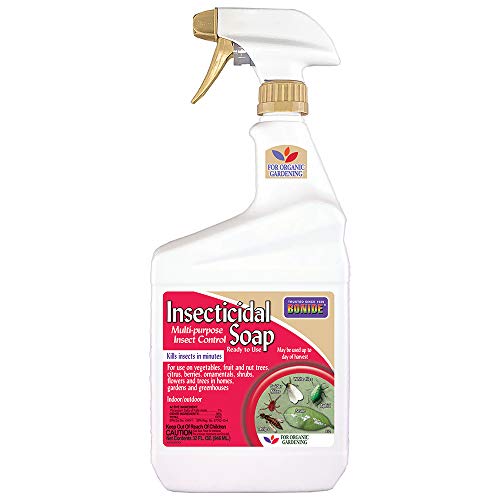
You can confirm spider mites with three checks: look for fine pale speckles, look for silky webbing, and tap a leaf over white paper to see if specks start walking. If you are stocking up, a insecticidal soap is the first thing I would pick up.
Spider mite damage overlaps with dry-air browning and other pests, so it pays to check carefully before you treat.
Look for Stippling, Bronzing, and Fine Webbing
Stippling is the first sign. It looks like hundreds of tiny yellow or white pinpricks on the top of the leaf, right above where the mites are feeding underneath.
On a variegated dieffenbachia like ‘Camille’ or ‘Tropic Snow’, those speckles blend into the cream patterns. I’d compare a suspect leaf to a newer, healthy one so the difference stands out.
As feeding goes on, the speckles merge. The leaf turns dull, grayish, or bronze, and it can feel dry and papery.
Webbing shows up in heavier infestations. Look for thin, silky threads where the leaf stem meets the cane, along the main vein, and around new unfurling leaves. Dust clings to that webbing, so it can look like a grimy film.
Use the White-Paper Test and Check Leaf Undersides
The white-paper test takes about a minute. Hold a sheet of plain white paper under a leaf and tap the leaf sharply a few times.
Watch the paper for 10 to 20 seconds. Dust stays put, while spider mites crawl. If you smear a speck and it leaves a red, green, or brown streak, that’s a mite.
Next, flip several leaves over and check the undersides with good light. A cheap 10x hand lens helps a lot. You’ll see tiny oval mites, round clear eggs, and sometimes white shed skins along the veins.
Tell Mites Apart from Other Pests and Leaf Problems
Several look-alikes cause confusion, so I use this quick comparison:
| Problem | What you see | Sticky honeydew? |
|---|---|---|
| Spider mites | Fine speckles, bronzing, silky webbing | No |
| Mealybugs | White, cottony clumps in leaf joints | Yes |
| Scale insects | Hard or soft brown bumps on stems and veins | Yes |
| Aphids | Soft green or black bugs on new growth | Yes |
| Dry air or salt burn | Brown, crispy tips and edges only | No |
Honeydew is the sticky, shiny residue that sap-sucking insects leave behind. Spider mites don’t make it, so a sticky leaf points to mealybugs, scale, or aphids.
If you see crispy edges but no speckles or webbing, read my notes on dieffenbachia leaves turning brown before reaching for a spray.
Why Does Dieffenbachia Get Spider Mites?
Dieffenbachia gets spider mites mainly because indoor air is warm and dry for much of the year, and its broad leaves give mites a sheltered place to feed. A stressed plant or a new arrival from the store makes an outbreak more likely.
Warm, Dry Air and Sheltered Leaf Undersides
Spider mites breed fastest in warm, dry air. Winter heating across the Northeast and Midwest can push indoor humidity well below 30%, and air conditioning in the Southwest dries rooms out too.

Dieffenbachia prefers 40 to 60% humidity or more. When the air drops far below that, the plant weakens just as the mites speed up.
The leaves themselves help the pests. Big, wide leaves create a shaded, still pocket underneath, and mites settle there where you rarely look.
Water Stress, New Plants, and Nearby Infestations
A thirsty dieffenbachia is easier for mites to damage. Water when the top 1 to 2 inches of soil are dry, soak it, and let it drain. My guide on how often to water a dieffenbachia covers the seasonal changes.
New plants are a common source. Mites hitch rides on nursery plants, cut flowers, and even your clothes after you’ve been outdoors.
They also spread between houseplants that touch or sit close together. A plant on a summer porch can bring them in when you move it back inside before nights fall below 55 to 60°F.
Isolate the Plant and Rinse Away Mites
Your first two steps are to move the infested plant away from the others and wash off as many mites as you can. These steps cut the population fast and make every later treatment work better.
Separate It and Inspect Neighboring Houseplants
Move the dieffenbachia to a separate room if you can. If not, keep it at least several feet from other plants so leaves don’t touch.
Then check every plant nearby with the white-paper test. Pay extra attention to known mite favorites like palms, ivy, crotons, and scheffleras.
Keep the plant isolated for the whole treatment period, plus about two weeks after you stop seeing mites. Wash your hands after handling it so you don’t carry mites to the next pot.
Rinse Both Sides of Every Leaf with Lukewarm Water
A shower or bathtub works best for a full-size plant. Cover the soil with a plastic bag or plastic wrap so it doesn’t get soaked.
Use lukewarm water, around 70 to 80°F. Cold water can shock a tropical plant, and hot water burns leaves.
Hold each leaf gently by its edge and spray the underside first, then the top. Rinse the stems and the spots where leaves join the cane, since mites and webbing collect there.
A firm spray is fine. A strong jet can tear the big leaves, so keep the pressure moderate. Let the plant drip dry out of direct sun, and repeat the rinse every few days during treatment.
How Should You Use Insecticidal Soap?
Insecticidal soap is my first choice for spider mites on dumb cane, as long as you test it first and cover the undersides every time.
It kills mites only on contact and leaves no lasting residue, which means coverage and repeat sprays do all the work.
Test a Small Area Before Treating the Plant
Some plants react badly to soap sprays, and a quick test protects the whole plant.
- Mix or buy an insecticidal soap labeled for houseplants.
- Spray one leaf, top and bottom.
- Wait 24 to 48 hours.
- Check for brown spots, yellow patches, or a scorched look.
If the leaf looks normal, go ahead. If it shows damage, rinse it off and try a weaker mix or switch to the oil approach below.
Skip dish soap. Many dish detergents contain degreasers and fragrances that damage leaves, and they aren’t designed for plants.
Cover Leaf Undersides and Repeat Every 5 to 7 Days
Spray until leaves are wet but not dripping heavily. Start with the undersides, because that’s where most mites live, then do the tops and stems.
Treat in the morning or evening, away from bright sun. Soap works while it’s wet, so faster drying in a hot, sunny spot weakens it.
Repeat every 5 to 7 days for at least three to four rounds. Eggs aren’t killed by soap, and new mites hatch in a few days, so the next spray catches them before they lay more eggs.
Some growers rinse the leaves with plain water a few hours after each spray to lower the risk of residue buildup. I think that’s a smart habit on sensitive variegated types.
When Should You Try Horticultural or Neem Oil?
Try horticultural or neem oil when soap and rinsing haven’t cleared the mites after two or three rounds, or when your plant reacts badly to soap. Horticultural oils smother mites and some eggs, so they reach a stage that soap misses.
Choose a Product Labeled for Indoor Plants and Mites
Read the label before you buy. Pick a product that lists spider mites as a target and allows use on indoor plants or houseplants.
Neem oil is a plant-based oil that coats mites and disrupts feeding. Lightweight horticultural oils work in a similar way. Both act on contact, so neither stays effective for long after drying.
Stronger miticides exist, but I’d leave them for severe cases. Many are labeled for outdoor or commercial use, and mites can build resistance to repeated chemical treatments. Follow the label exactly if you use one.
Apply Safely and Avoid Heat or Direct Sun
Oils can burn leaves when they heat up. Keep these rules:
- Spray only when the room is under about 85°F.
- Keep the plant out of direct sun for at least a day after spraying.
- Shake the mix often, because oil separates from water.
- Never spray soap and oil on the same day.
- Test a single leaf first, just as you would with soap.
Repeat every 7 days for three to four treatments, or as the label directs. Spray in a ventilated spot, since neem has a strong smell indoors.
Wipe Large Leaves Without Irritating Your Skin
Wiping each leaf by hand is one of the most effective ways to clear mites from dieffenbachia, because the leaves are big enough to clean thoroughly. It removes mites, eggs, and webbing that sprays can miss.
Wear Gloves and Lift Each Leaf Gently
Dieffenbachia sap contains needle-like calcium oxalate crystals that irritate skin and eyes. Wear gloves, keep your hands away from your face, and wash up when you’re done.

Use a soft cloth or paper towel dampened with lukewarm water or your diluted soap mix. Support each leaf from below with one hand and wipe from the stem toward the tip.
Use a fresh section of cloth for each leaf. A dirty cloth can smear mites onto clean foliage.