
Your dieffenbachia weeps because of guttation. When the soil is very moist and the air is humid, the roots keep pushing water up into the plant faster than the leaves can release it as vapor.
In short, it’s pushing extra water out through tiny pores at its leaf tips and edges, and an occasional droplet on a healthy plant is normal.
Those clear beads usually show up overnight or after a deep watering, and they dry by midday. In my view, the drops are a useful signal: if they appear every single morning, your plant is telling you to water a little less.
What Is Guttation in Dieffenbachia?
Guttation is a natural process where a dieffenbachia releases liquid from special pores when its roots take in more water than the leaves can use. If you are stocking up, a soil moisture meter is the first thing I would pick up.
The liquid comes from inside the plant, which is why it gathers in neat drops at the same spots each time.
How Do Droplets Form at Leaf Tips?
Along the leaf tips and edges, dieffenbachia has small openings called hydathodes. They work like pressure valves.
When roots keep drawing water from damp soil, pressure builds inside the stems and leaves. That pressure pushes sap out through the hydathodes, and it beads up as guttation droplets.
The fluid is mostly water. It also carries small amounts of dissolved minerals, sugars, and plant compounds, so it’s slightly different from tap water.
On a dumb cane, you’ll most often spot a single clear drop hanging from the pointed tip of a leaf. Some plants also show a row of tiny beads along the leaf margins.
Why Do They Often Appear in the Morning?
During the day, your plant loses water as vapor through tiny leaf pores in a process called transpiration. Light and warmth keep that process moving.
At night, transpiration slows way down, but the roots keep drinking. With nowhere to go, the extra water exits as droplets, so the plant looks fine at bedtime and “teary” by breakfast.
Once the room warms up and the light gets brighter, transpiration picks back up. The drops either evaporate or stop forming until the next night.
Why Is My Plant Dripping After Watering?
Dripping right after you water happens because the roots suddenly have plenty of moisture, and the plant can’t release it all as vapor. Humid air and dim, cool conditions make the effect stronger.
Moist Soil and Root Pressure
High soil moisture is the main driver. A freshly soaked pot gives the roots more water than the leaves can move out overnight.

That surplus creates root pressure, and guttation is the release. One or two drops the morning after a thorough watering don’t mean you’ve done anything wrong.
The bigger question is what the soil does next. If the top inch or two dries within a week or so, your plant is handling water fine.
Humid Air and Slower Overnight Water Loss
Humidity slows transpiration because moist air can’t take on as much water vapor from the leaves. Dieffenbachia likes 40 to 60% humidity or higher, so a comfortable plant often sits right in the range where guttation shows up.

You’ll notice more weeping in muggy Southeast summers, in bathrooms, or near a humidifier. In dry, heated Northeast or Midwest homes during winter, the same plant may barely drip at all.
The Effects of Light and Temperature
Light speeds up water use. A dieffenbachia in bright indirect light pulls water through its leaves faster than one in partial shade, so it builds less leftover pressure.
A plant in a dim corner uses water slowly, which makes it more likely to weep. Low light also causes leggy stems and faded variegation, so I’d move it closer to a bright window with no direct afternoon sun.
Temperature fluctuations play a part too. Your plant grows best at 65 to 80°F, and a cool night after a warm day slows transpiration while the roots keep working.
Keep it away from cold drafts, AC vents, and heat registers. Steady warmth means steadier water use and fewer surprise drips.
Is Occasional Weeping Harmful?
Occasional weeping is harmless, and guttation is not a disease. The pattern of the drops tells you whether your watering routine needs a change.
When Healthy Leaves Need No Intervention
If your plant has firm, well-colored leaves and steady new growth, a few morning droplets need no fix at all. That’s a tropical plant balancing its water.
I’d leave it alone when these signs line up:
- Drops appear only after watering or on humid days
- The top 1 to 2 inches of soil dry out between waterings
- The pot drains freely with no water left in the saucer
- New leaves unfurl normally and the stems feel solid
Wiping the drops off is fine for looks. The plant itself doesn’t need treatment.
When Frequent Droplets Deserve a Closer Look
Heavy dripping every morning, even days after watering, is worth checking. It points to soil that stays wet too long.

Constant wetness starves roots of oxygen. Roots need air in the soil as much as they need water, and soggy mix is how root rot gets started.
If daily drips come with yellow lower leaves, soft stems, or a sour smell, treat it as a warning and check the roots and drainage.
When Does Dripping Point to Overwatering?
Dripping points to overwatering when it comes with other overwatering signs, like soggy soil, yellowing, or wilting in a wet pot. Overwatering leads to root and stem rot, which is the top killer of indoor dieffenbachia.
Check the Soil, Saucer, and Pot Smell
Start with your finger. Push it 1 to 2 inches into the mix near the pot edge.
If it feels cool, wet, and sticky several days after watering, the soil is staying too damp. Lift the pot too; a heavy pot that hasn’t gotten lighter in a week holds too much water.
Then check the saucer or decorative outer pot. Standing water there keeps the bottom roots soaking, which is a classic case of poor drainage.
Finally, smell the soil. Healthy mix smells earthy, while a sour or rotten odor means roots are breaking down.
Watch for Yellowing, Wilting, and Root Rot
Yellowing leaves are one of the first clues. One old lower leaf turning yellow and dropping is normal aging, but several yellow leaves at once while the soil is wet signals trouble.
For more causes, my guide to dieffenbachia leaves turning yellow covers light, cold, and nutrients too.
Wilting in wet soil is a bigger red flag. Damaged roots can’t move water, so the plant droops even though the pot is soaked.
Other warning signs include:
- Leaf drop from the middle of the plant
- Soft, dark, or mushy spots at the base of the cane
- Brown, slimy roots that pull apart easily
- Fungus gnats hovering over the soil
What to Do If the Roots Are Damaged
Put on gloves first, since dieffenbachia sap irritates skin and eyes. Slide the plant out of its pot and rinse off loose soil.
Healthy roots are white or tan and firm. Rotten roots are brown or black and mushy.
Here’s what I’d do next:
- Cut away every soft, dark root with clean, sharp shears.
- Trim any mushy stem tissue back to firm, pale growth.
- Repot in fresh, well-draining mix in a clean pot with drainage holes.
- Hold off watering for a few days so cut roots can heal.
- Keep it in bright indirect light at 70 to 80°F while it recovers.
If the base of the cane has rotted through, take a healthy stem section with a node and root it as a backup plant.
Are Sticky Droplets a Sign of Pests Instead?
Sticky droplets usually point to pests, because guttation feels watery and sap-sucking insects leave sugary honeydew behind. Run your finger over the drop before you decide what it is.
How Honeydew Differs from Guttation
Guttation is clear, thin, and sits at leaf tips or edges. Honeydew feels like syrup and spreads as a shiny film across leaves, stems, and the furniture underneath.
Aphids and mealybugs are the usual honeydew makers on dieffenbachia, along with scale. If honeydew stays on the leaves, a black coating called sooty mold can grow on it.
| Clue | Guttation | Pest honeydew |
|---|---|---|
| Feel | Watery | Sticky, syrupy |
| Location | Leaf tips and edges | Leaf surfaces, stems, shelves below |
| Timing | Overnight, after watering | Any time, spreads over days |
| Insects nearby | None | Often visible |
| Black coating | No | Sooty mold possible |
If there are no bugs and no spreading film, keep an eye on it before treating.
Where to Look for Insects and Leaf Damage
Turn leaves over and check the undersides, the leaf joints, and the tender new growth. Pests hide in those protected spots.
Mealybugs look like bits of white cotton. Aphids cluster on soft new shoots, and scale shows up as small brown bumps stuck to stems.
Spider mites don’t make honeydew, but they love hot, dry air. Look for fine webbing and tiny pale speckles, and see my guide to spider mites on dieffenbachia if you find them.
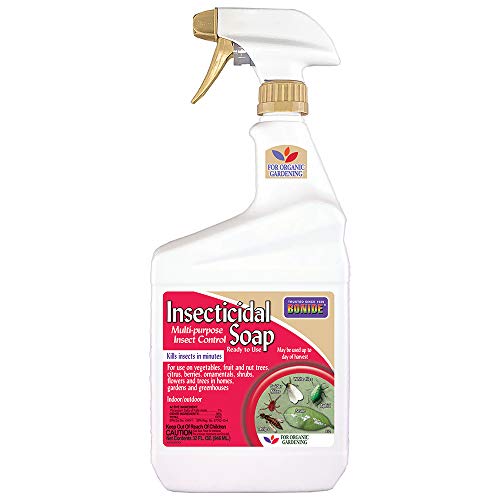
Leaf curling and stunted growth are signs pests have been feeding for a while. I’d rinse the plant in the shower, then spray insecticidal soap or neem oil every 5 to 7 days, testing on one leaf first.
How Can You Tell Guttation from Condensation?
You can tell them apart by where the water sits and what else around the plant is wet. Guttation droplets come from inside the plant, while condensation forms when humid air meets a cool surface.