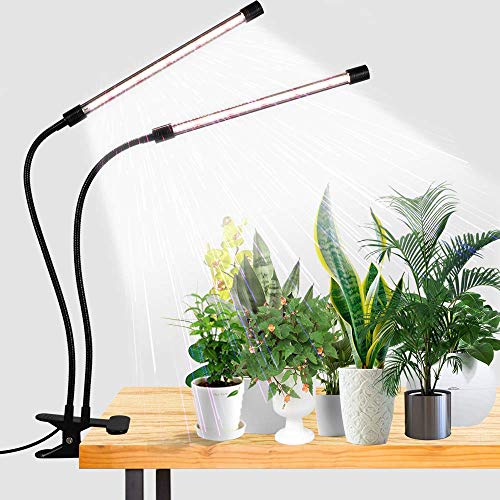
Growing plants indoors adds energy and color to your space, but it’s not always easy. Limited sunlight is a real problem, especially in apartments or during the winter months.
Grow lights step in to help. These clever lights mimic natural sunlight, letting your indoor plants photosynthesize and grow even in those shadowy corners.
There are a few main types: LED, fluorescent, and HID (High-Intensity Discharge). Each works a bit differently and suits different setups.
LEDs have taken over lately—they’re energy-efficient, last forever, and don’t run hot. They do cost a bit more at first, but in the long run, they’re usually worth it.
When you’re shopping for grow lights, look at the spectrum, intensity, and coverage. Full-spectrum lights are more versatile, since plants need different wavelengths at different times.
Distance from the plant and wattage matter, too. We spent weeks trying out a bunch of grow lights to see which ones actually help indoor plants thrive, no matter the season.
Best Grow Lights for Indoor Plants
We put a bunch of grow lights through their paces to see what really works for indoor plants. Our list covers different plant types, spaces, and budgets—so chances are, there’s something here for you and your leafy companions.
GooingTop Full Spectrum Grow Light
This clip-on grow light offers full-spectrum illumination, adjustable settings, and a timer function—making indoor plant care a lot less stressful.
Pros
- Natural white/red light spectrum (high 95 CRI) helps plants thrive
- Three timer settings (4/8/12 hours) for easy scheduling
- Flexible gooseneck for easy positioning
Cons
- Clip could be stronger for heavy spots
- Covers only small to medium plants well
- Plastic parts feel a bit flimsy
We’ve run this GooingTop grow light with our indoor herb garden for a few weeks, and honestly, it’s been a game changer. The white and red LEDs create a spectrum that’s pretty close to real sunlight.
Basil and mint perked up fast—way more than with our old desk lamp. The flexible gooseneck is super handy. We can point the light right where we want it as the plants get taller, without shifting the whole lamp.
The clip grabs onto our shelving unit just fine, though it’s happiest on surfaces under 1.5 inches thick. The timer function is a lifesaver. We set it for 8 hours, and it just does its thing every day.
It’s also energy efficient, which is nice if you’re running it daily. At only 10 watts, it gives off the same light as a 50-watt halogen, so our electricity bill barely budged.
KEELIXIN 5-Head Grow Light with Stand
This grow light packs a punch with its full spectrum options, adjustable tripod, and a remote control that makes everything easier.
Pros
- Three lighting modes for different stages of growth
- Tripod stand adjusts from 15″ to 63″
- Auto-timer and remote control included
Cons
- Not water-resistant—strictly indoor use
- Tripod connection could be sturdier
- Some users report issues with the power adapter
We tried the KEELIXIN grow light on our indoor herb garden and a bunch of houseplants. The difference was obvious within a few days. The 5-head design spreads light much more evenly than those single-head models.
The spectrum modes are a nice touch. We used warm white for general growth, then flipped to red-blue when our basil started to flower. With 10 brightness levels, it’s easy to fine-tune for each plant.
The adjustable stand is handy for multi-level setups. We aimed the goosenecks at plants on different shelves, though the tripod could be more stable. The remote and timer make it a set-and-forget deal—we just set it for 8 hours and let it run.
Yadoker LED Plant Grow Light
This adjustable LED grow light delivers full-spectrum lighting, a built-in timer, and flexible height options—great for anyone who wants more control.
Pros
- Height extends to 61 inches, fitting all sorts of plants
- Timer with 3 cycle modes (8/12/16 hours) for hands-off use
- Ten brightness levels to match plant needs
Cons
- Light looks more white-fluorescent than the warm yellow in photos
- Single unit covers a small area, even at full height
- USB power means you’ll want an outlet nearby
We’ve had the Yadoker grow light running in our indoor garden for a few weeks, and it’s definitely perked up the plants in those darker corners. The mix of white, warm white, red, and blue LEDs gives plants the full range of light they crave.
The adjustable pole is a real plus. We could set the height for everything from tiny succulents to taller potted plants. It stretches from about 14 inches up to 61 inches, so you get a lot of flexibility.
The timer is a time-saver. Set it once, and it sticks to your schedule. With ten brightness levels, we could dial in just the right amount of light for each plant. Some of our shade-lovers liked the lower settings, while sun-hungry plants wanted the full blast.
The 13-foot cord is generous, so we didn’t have to rearrange the room or hunt for extension cords. The bamboo finish looks surprisingly nice—doesn’t scream “grow light” in the living room.
Briignite Full Spectrum Grow Lights
Briignite’s LED grow bulbs strike a nice balance between natural-looking light and plant-friendly wavelengths—ideal for most indoor gardeners.
Pros
- White light blends in with your regular home lighting
- Fits standard E26 sockets (super easy to set up)
- Energy efficient—just 11W per bulb
Cons
- Some plants might want a bit more power
- Heat output is low—not great for starting seeds
- Each bulb covers a pretty small area
We popped these Briignite bulbs into regular lamps around our indoor garden. They’re a breeze to install—no special fixtures needed. Unlike those harsh purple lights, these give off a soft 4000K white glow that doesn’t mess with your room’s vibe.
Our herbs and leafy greens seemed to love them. The bulbs provide both blue and red wavelengths, but look white to us. We stuck a struggling pothos under one and saw new growth in just a few days.
Each bulb puts out 1000 lumens but only uses 11 watts. They work best about 12-18 inches from your plants. For bigger setups, you’ll probably want a few bulbs. The aluminum heat sink keeps them cool, so we don’t worry about burning leaves.
LEOTER 80 LED Grow Light
This versatile grow light has great spectrum options, handy timer functions, and an adjustable design. Honestly, it’s a smart buy for any indoor plant enthusiast.
Pros
- Multiple spectrum options ideal for different growth stages
- Convenient auto timer with 3/9/12 hour settings
- Flexible gooseneck design for perfect positioning
Cons
- Goosenecks may droop slightly with time
- Timer needs resetting if power is disconnected
- USB power may require adapter in some setups
We’ve used this LEOTER grow light for months, and wow, it’s made a difference for our houseplants. With 80 LEDs and red, blue, and full spectrum options, we can tweak the light depending on what our plants need—sprouting, growing, or flowering.
The timer function is a lifesaver. We set it for 9 hours a day, and it keeps the schedule on its own, which is such a relief when we’re not home.
The gooseneck arms adjust easily, so we can put the light right where we want it. The clip mount is sturdier than expected and attaches to shelves or desks without a fuss.
We like having 10 brightness levels to play with, especially since different plants and rooms need different light. Heat management is surprisingly solid for such a small unit.
The light stays cool, even after hours of use. That makes it safe and cheap to run—definitely better than some of the hotter grow lights we’ve tried.
Aokrean Full Spectrum Grow Light
This 3-pack of adjustable LED grow lights gives you a lot of flexibility. You can install them in different ways and tweak the lighting for most indoor plants.
Pros
- Multiple lighting modes and 10 brightness levels
- Built-in timer with 3 settings (3/9/12 hours)
- Height adjustable up to 26 inches
Cons
- Smaller than they appear in photos
- Base needs weight on it for stability
- Relatively short power cord
We tested these Aokrean lights with several houseplants in low-light corners. The circular design spreads light evenly, and we love having three spectrum options—white, warm white, and red.
Switching modes is a breeze with the touch controls. The adjustability really stands out too.
We raised the height as our plants got taller, and the 90-degree head rotation helped us aim the light right where we wanted. The timer worked without a hitch, turning the lights on and off exactly as set.
Installation is flexible. You can stake them in the soil or use the base provided.
The base feels best with heavier pots for stability, honestly. For smaller plants, the soil stake is more secure.
These aren’t as bright as pro grow lights, but they give enough supplemental light to keep our plants happy—even in rooms with barely any sun.
SANSI LED Pot Clip Grow Light
The SANSI grow light is an efficient, adjustable pick for small indoor plants that need a boost. It’s compact but surprisingly powerful.
Pros
- Compact yet powerful 5W design with flexible gooseneck
- Convenient timer with 3/6/12 hour options
- Four brightness levels to suit different plant needs
Cons
- Light can be too intense if placed too close to plants
- Limited coverage area for larger plants
- Requires nearby power outlet or USB source
We tried these SANSI lights with some indoor plants that weren’t getting enough sun. The change was obvious within a week—our succulents perked up, and even our struggling African violet pushed out new growth.
Setup is simple: just clip it to the pot and bend the neck to aim the light. The 4000K natural light spectrum looks way better than those harsh purple grow lights.
It actually creates a nice vibe in the room, too. The timer is super helpful for anyone who forgets to turn lights on and off.
We set ours for 6 hours daily, and it never misses a beat. With four brightness levels, we can adjust for each plant—our low-light pothos likes 50%, while herbs need the full blast.
For the price, these lights are impressive. Our office plants are finally blooming!
Just don’t put the light too close to delicate leaves—we accidentally scorched one. Six to eight inches away seems just right.
Barrina 4FT Plant Grow Lights
Barrina grow lights are a fantastic investment for indoor plant lovers. You get bright, full-spectrum light, easy installation, and great value for money.
Pros
- Extremely bright with 252W output that truly supports plant growth
- Super easy to install with included clips, tape, and connectors
- Can link up to 6 lights together for larger growing areas
Cons
- Not water resistant for humid environments
- Adhesive tape mounts aren’t very reliable long-term
- Light color appears more white than pinkish as advertised
We set up these Barrina lights in our indoor garden, and the results were immediate. The full spectrum mimics sunlight—our seedlings started growing faster right away.
Each box comes with six 4-foot fixtures, which can be linked together. Thus, your setup can be easily customized.
Mounting was quick—maybe 15 minutes for all six lights. The aluminum housing keeps them light but sturdy, and they stay cool even after hours of use.
The on/off switch on the cord is a small thing, but it saves us from unplugging every time. Our plants look healthier since we switched to these.
The reflector design directs light downward, so you get more efficiency. We found the adhesive tape mounts don’t last, so we recommend the clips for a solid hold.
For this price, these lights deliver performance that really stacks up against pricier options out there.
Kullsinss Wood Grain Grow Light
This adjustable halo grow light looks good and works well. It’s perfect for boosting indoor plant growth while keeping things stylish.
Pros
- Attractive wood grain design that blends with home decor
- Adjustable height from 10″ to 65″ works with plants of all sizes
- Smart controller with multiple light modes and timer functions
Cons
- No base included, must be inserted directly into soil
- Pole may feel slightly unstable at maximum height
- Higher price point than basic grow lights
We tried the Kullsinss grow light with some struggling houseplants, and honestly, we noticed a difference within days. The ring-shaped light covers plants evenly with full-spectrum light, and the faux wood grain finish looks way better than the usual plastic designs.
Setup took just a few minutes. We popped the pole into the soil and adjusted the height for each plant.
The controller is straightforward. We could switch between white, warm white/red, and mixed light modes easily.
Our tropicals liked the mixed mode, while seedlings seemed to prefer the white setting. The timer made life easier—we set it for 12 hours and didn’t have to think about it again.
Our plants got consistent light without wasting energy. Five brightness levels let us dial in the right intensity for each plant.
Overall, this grow light balances looks and function. It’s a bit of a splurge, but for serious indoor gardeners, it’s worth it.
Rocoking Ultra-Thin Panel Grow Lights
These slim, customizable grow lights make life easier for indoor gardeners. You get handy timer functions and several brightness settings, so there’s a lot to play with.
Pros
- Arrange the four thin panels however you want
- Timer options (3/9/12 hours) with automatic daily cycling—set it and forget it
- Three lighting modes and 10 brightness levels for different plant moods
Cons
- Some units don’t last as long as you’d hope
- Panels are smaller than they look in the pictures
- Light output might not cut it for bigger plants
We tested the Rocoking grow light system in our own indoor setup. The four ultra-thin panels fit in a bunch of different ways, thanks to the included zip ties and adhesive strips.
This flexibility let us put light right where our plants needed it, and it barely took up any space. That’s a win.
The timer function? Genuinely useful. We set it once, and it just did its thing every day—even when we were gone.
The remote makes it easy to adjust the lights. You can choose from 10 brightness levels and three lighting modes.
Our seedlings seemed to really like the full-spectrum light. It’s about as close to sunlight as you’re going to get indoors.
The aluminum backing keeps the lights cool, even after hours of use. All four panels together use just 40 watts, so they’re pretty energy efficient compared to some other lights we’ve tried.
Installation didn’t give us much trouble, though the cables could be a bit longer. The light is enough for small plants and seedlings. If you’ve got bigger or fussier plants, you might want something with more power.
Buying Guide
Picking a grow light can feel overwhelming. Here’s a guide to help you sort through the options and focus on what matters.
Light Type
Different lights come with their own perks. Here are the basics:
- LED: Saves energy and lets you tweak the spectrum
- Fluorescent: Cheap and ideal for starting seeds
- HID: Super bright for flowering, but runs hot—watch out
Light Spectrum
Plants need certain light wavelengths at different growth stages. Full-spectrum lights are a safe bet for most indoor plants.
Red light helps with flowers and fruit. Blue light is for leafy growth. Most plants like a mix of both.
Coverage Area
Check that your light covers all your plants. Manufacturers usually list a recommended coverage area in square feet.
| Plant Density | Recommended Coverage |
|---|---|
| Low density | 30-50 watts per sq ft |
| Medium density | 50-80 watts per sq ft |
| High density | 80+ watts per sq ft |
Features to Consider
Look for adjustable height options so your lights can keep up as your plants grow. Timer functions save you from having to remember daily schedules.
Dimming is nice for dialing in just the right intensity. Waterproof ratings are worth checking if you’re growing in a humid spot.
Heat management matters. Fans or heat sinks help keep things cool and prevent your plants from getting scorched.

Conclusion
Picking the right grow light for your indoor plants really shapes how well they thrive. There are all sorts of options out there, from budget-friendly fluorescents to those high-powered LED setups.
If you’re just starting out, I’d say go for a simple full-spectrum LED light. It usually gives good coverage for most common houseplants and doesn’t burn through much electricity.
Make sure your light matches what your plants actually need. Some low-light varieties do fine with less intensity, while the ones that flower or fruit want something stronger.
The distance between your light and plants? That’s also pretty important. Most LED lights work best 12-24 inches above your plants, though it’s smart to double-check the manufacturer’s instructions.
Budget matters, but a quality light usually pays for itself over time. Many solid options for home growers are in the $50-150 range.
Pay attention to color temperature as well. Leafy plants like cooler lights (around 5000-6500K), while flowering types usually do better with warmer tones (2700-3500K).
With the right setup, you can keep your indoor plants happy all year, no matter how much natural light you get. Good luck and happy growing!

Hello there! I’m Elsa, and gardening is my passion. As an avid gardener, I created GardeningElsa.com to share my knowledge and experience with fellow enthusiasts. My website is a comprehensive resource for gardeners of all levels, offering expert advice on a wide range of topics, including plants, flowers, herbs, and vegetable gardening. Whether you’re a beginner looking to start your first garden or a seasoned pro seeking to expand your knowledge, GardeningElsa.com has something for everyone. Read more about me.