
Yes, you can keep lemongrass alive and growing inside your home through the coldest US winter.
To grow lemongrass indoors, give it a large pot with drainage, at least 6 hours of direct sun or an LED grow light, temperatures above 60°F, and soil that stays lightly moist. With that setup, you can cut fresh leaves for tea all winter.
You also have a second choice. If you grew lemongrass outside this summer, you can cut it back and let it rest in a cool garage or basement until spring.
I’ll walk you through both paths so you can pick the one that fits your space, your light, and how much lemongrass you want to cook with between November and May.
Can Lemongrass Grow Indoors?
Lemongrass grows well indoors as long as it gets strong light and steady warmth.
The cooking type, Cymbopogon citratus, is a tropical perennial grass that’s hardy outdoors only in USDA zones 10 to 11 (zone 9 with protection), so most American gardeners need an indoor plan once fall arrives.
Your first decision is whether you want a growing plant or a resting one, and your second is making sure you have the right species.
Choose Between Year-Round Growth and Winter Storage
The two paths ask very different things of you. Here’s how they compare:
| Path 1: Kitchen Houseplant | Path 2: Dormant Storage | |
|---|---|---|
| Light | 6+ hours direct sun or grow light | Dim light is fine |
| Temperature | 65°F to 85°F | 50°F to 60°F |
| Watering | When the top inch is dry | About once a month |
| Harvest | Yes, all winter | None until summer |
| Effort | Moderate | Low |
I’d pick Path 1 if you have a bright south window or don’t mind running a grow light. It gives you fresh lemongrass for soups and tea every week.
Path 2 suits gardeners in the Northeast, Midwest, and Pacific Northwest who mostly want to save an outdoor clump for next year. It takes far less work, and the plant comes back strong in spring.
Know Which Lemongrass You’re Growing
West Indian lemongrass, Cymbopogon citratus, is the one sold in grocery stores and used in Thai and Vietnamese cooking. East Indian lemongrass, Cymbopogon flexuosus, is grown more for its oil.
Citronella grass looks similar, but it’s a different species and isn’t meant for the kitchen. If you’re buying a nursery plant, check the tag for C. citratus. Grocery store stalks are almost always the right one.

Path 1: Start a Productive Kitchen Plant
The easiest way to start growing lemongrass indoors is to root a few fresh grocery stalks in water, then plant them in a big pot of loose, fast-draining mix. A nursery plant gets you to harvest faster.
Either way, pot size and drainage decide whether the plant thrives or sulks.
Root Fresh Stalks or Start with a Nursery Plant
Rooting store-bought stalks costs a couple of dollars and works most of the time. Here’s how to grow lemongrass from the grocery store:
- Pick firm, green stalks with the bulb base still attached. Skip any that look dry or shriveled.
- Peel away one or two papery outer layers.
- Stand the stalks bulb-down in a glass with 1 to 2 inches of water.
- Change the water every day or two.
- Look for roots in about one to two weeks. Plant once they reach 1 to 2 inches long.
I have a full walkthrough if you want to regrow lemongrass from store-bought stalks with more detail on picking good ones.
A nursery plant skips the rooting step. Garden centers in the Southeast and Southwest carry them often in spring; elsewhere, check herb sections in May and June.
Choose a Pot and Plant in Well-Draining Mix
Lemongrass reaches 3 to 5 feet outdoors, and indoor plants still get big. I’d start with a pot at least 12 inches wide with several drainage holes and a saucer underneath. Smaller pots dry out fast, which is a top cause of brown tips.
For planting lemongrass, use an organic potting mix with perlite for drainage. Lemongrass likes a pH around 6.5 to 7.0 and soil that holds some moisture without staying soggy.

Set each rooted stalk so the crown sits just above the soil surface. Trim the tops back to about 6 inches so the new roots don’t have to support tall leaves.
You can put two or three stalks in one 12-inch pot. For more on container sizes and materials, see my guide on how to grow lemongrass in pots.
How Much Light Does an Indoor Plant Need?
Indoor lemongrass needs at least 6 hours of direct sun a day, and 8 is better. Light is the factor most indoor growers fall short on, especially from November through February when days are short across the northern US.
Find the Brightest Window
A south-facing window is the best spot in most American homes. West and southwest windows come next. An east window works in summer but often falls short in winter.
Place the pot right against the glass. Light drops off sharply even 3 feet back from a window. A sunroom or enclosed porch that stays above 60°F is even better.
Watch for signs of low light:
- Pale, floppy leaves
- Thin stalks that lean toward the window
- Very slow new growth
If you see these, add a light. You can read more about how much sun lemongrass needs indoors and out.
Use an LED Grow Light When Daylight Falls Short
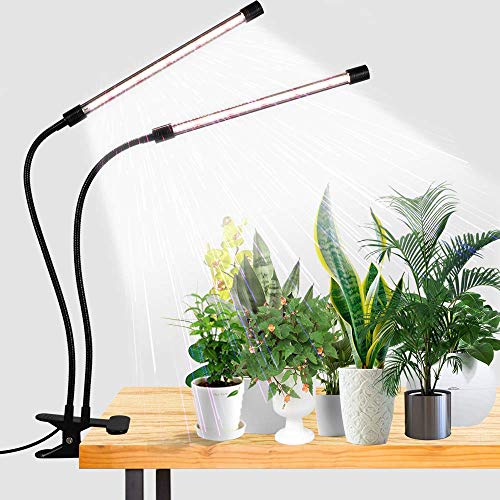
An LED grow light makes indoor lemongrass possible in north-facing apartments and dark winters. I’d choose a full-spectrum LED panel or bar sized to cover the whole pot.
Run it 12 to 16 hours a day on a simple outlet timer. Turn it off at night, since plants need a dark period too. Hang the light about 6 to 12 inches above the leaf tips and raise it as the plant grows.
If the leaf tips look bleached or scorched, move the light up a few inches. If the plant stretches, lower it.
Keep the Plant Warm Without Drying It Out
Lemongrass grows best between about 65°F and 85°F, and it slows down hard below 60°F. Winter heating keeps rooms warm but dries the air, so you’ll balance warmth and moisture all season. Cold glass, drafty doors, and hot vents all cause problems.
Avoid Cold Windows and Drafts
A sunny window can drop below 50°F on January nights in Minnesota or upstate New York, even when the room feels fine. Leaves touching cold glass can turn brown or translucent.
Pull the pot a few inches back from the glass on cold nights, or close a curtain behind it. Keep it away from exterior doors that open often.
Also keep the plant out of the direct blast of heating vents and radiators. Hot, moving air dries leaves out fast.
Manage Dry Air with a Humidifier or Pebble Tray
Most homes drop to 20% to 30% humidity in winter, which is far drier than lemongrass likes. Brown leaf tips are the usual result.
Two easy fixes help:
- A humidifier: A small cool-mist unit placed nearby raises the moisture around the plant. It helps you too.
- A pebble tray: Fill a wide saucer with pebbles and water, then set the pot on top so its bottom sits above the waterline. Evaporation adds moisture right where the plant needs it.
Grouping lemongrass with other houseplants helps a little as well. I’d skip daily misting, which only lasts a few minutes.
Water and Feed for Steady Indoor Growth
Lemongrass has shallow roots and doesn’t handle drying out, so check the soil often and water deeply when it’s dry. Feeding keeps the leaves green in spring and summer, then you’ll cut back as winter light fades.

Check the Soil Before Watering
Push your finger 1 inch into the soil. If it’s dry, water until it runs out the drainage holes. If it’s still damp, wait a day and check again.
In a bright window, that often means watering once or twice a week. Under a grow light in a warm room, it can be more. Always empty the saucer after 30 minutes so the roots don’t sit in water.
Soggy soil and a mushy crown mean you’re overwatering. Crispy leaves and soil pulling away from the pot edge mean it’s too dry.
Adjust Feeding as Growth Slows in Winter
From spring through early fall, feed every 2 to 3 weeks with a nitrogen-rich or balanced liquid fertilizer mixed at half strength. Nitrogen supports the leafy growth you harvest.
When growth slows in late fall, cut feeding to once a month. If your plant barely grows in December and January, stop until you see fresh leaves again in late winter.
Too much fertilizer on a slow plant builds up salts and stresses the roots, which also invites pests.
Spot and Treat Indoor Pests
Spider mites are the pest I’d watch for most, because dry indoor air suits them perfectly. Most indoor lemongrass problems trace back to pests, low humidity, or watering, and each leaves different clues.
Check for Spider Mites and Other Pests
Spider mites are tiny and live on leaf undersides. Look for:
- Fine speckling or yellow dots on leaves
- Thin webbing where leaves meet the stalk
- Leaves that look dusty or dull
Once a week, hold a white paper under a few leaves and tap them. Moving specks mean mites.
To treat them, rinse the whole plant in the shower with lukewarm water, then wipe the leaves. For heavier problems, spray insecticidal soap or neem oil every 5 to 7 days for a few weeks, covering leaf undersides.
Since you’ll eat this plant, follow the label’s directions for edible herbs and rinse leaves before using them.
Aphids, mealybugs, and fungus gnats show up sometimes too. Gnats point to soil staying too wet.
Troubleshoot Brown Tips and Weak Growth
Match the symptom to the likely cause: