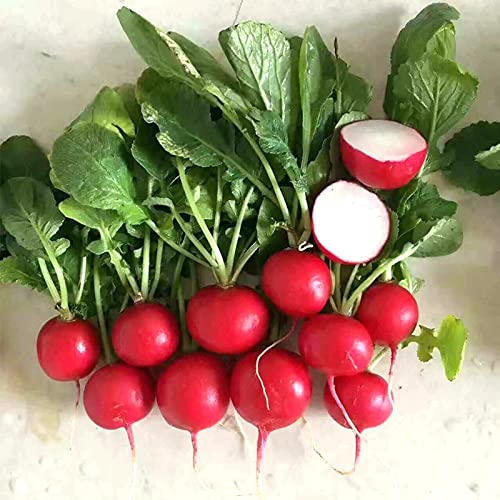
9 Steps to Grow Radish in Square Foot Gardening

Growing radishes in a square foot garden is a fun and rewarding experience. These fast-growing vegetables are perfect for small spaces and can be harvested quickly. Square foot gardening allows for efficient use of limited garden areas while maximizing crop yields.

Radishes thrive in loose, well-draining soil with a pH between 6.0 and 7.0. They need proper spacing to develop fully and avoid becoming thin or shriveled. By following some simple steps, gardeners can enjoy a bountiful harvest of crisp, flavorful radishes from their square foot gardens.

1. Choose the Right Radish Variety

Selecting the right radish variety is crucial for achieving success with square foot gardening. Small, compact radish types work best in limited spaces.

Cherry Belle is a popular choice for square foot gardens. It grows quickly and remains compact, making it ideal for tight planting.

French Breakfast radishes are another good option. They have an oblong shape and grow well in small areas.

Sparkler radishes add nice color variety. Their red and white roots look great and fit nicely in square foot plots.

For those wanting something different, try white icicle radishes. They grow longer but still work in square foot spaces if planned well.

Avoid large varieties like daikon radishes. These require more space and are not suited for square-foot methods.

When choosing, consider how fast the radishes grow. Most are ready in 3-4 weeks, but some take longer.


Organic Radish Seeds Variety Pack - 10 Individual Packs - 2025 Season - Pink Beauty, Purple Plum, French Breakfast, Misato Rose and More! for Indoor & Outdoor Planting (Non-GMO, Certified Organic)

Think about taste, too. Some radishes are milder, while others have more bite. Pick what you like to eat.

Remember to check seed packets for spacing info. This helps ensure you plant the right number for your space.

Check out Square Foot Gardening For Pole Beans

2. Prepare Your Square Foot Garden Bed

Getting your square foot garden bed ready for radishes is key. Begin by clearing the area of any weeds or debris. This gives your radishes a clean slate to grow.

Next, focus on the soil. Radishes need loose, well-draining soil to thrive. Mix in some compost or aged manure to boost nutrients. This helps create the perfect environment for radish roots to develop.

Make sure your bed is at least 6 inches deep. Radishes have shallow roots, but they still need room to grow downward. If your bed isn’t deep enough, consider adding more soil or building up the sides.


Best Choice Products 8x4x2ft Outdoor Metal Raised Garden Bed, Deep Root Planter Box for Vegetables, Flowers, Herbs, and Succulents w/ 478 Gallon Capacity - Gray

Level out the soil surface with a rake. This creates an even planting area for your radishes. It also helps prevent water from pooling in certain spots.

Divide your garden bed into square foot sections. Use string or thin boards to mark off each square. This makes it easy to plant the right number of radishes in each section.

Before planting, water the soil lightly. Moist soil is better for seed germination. Just don’t make it too wet, as radishes don’t like soggy conditions.

Check out Square Foot Gardening Tomatoes

3. Test and Amend the Soil for Nutrients

Soil testing is a key step in preparing for radish growth. It helps gardeners understand what nutrients are present and what might be lacking.

To test the soil, use a home testing kit or send a sample to a lab. These tests check for pH levels and essential nutrients like nitrogen, phosphorus, and potassium.

Radishes prefer slightly acidic to neutral soil with a pH between 6.0 and 7.0. If the soil is too acidic, add lime to raise the pH. If it’s too alkaline, add sulfur to lower it.

For nutrients, radishes need a balanced mix. If the soil lacks any key elements, add organic matter or specific fertilizers. Compost is an excellent all-around soil amendment.

Well-draining soil is crucial for radishes. If the soil is heavy clay, mix in sand or perlite to improve drainage. This prevents waterlogging and root rot.


Miracle-Gro Organic Outdoor Potting Mix, for Outdoor Container Plants, Contains Quick-Release Natural Fertilizer, OMRI Listed, 16 qt., 2-Pack

Organic matter like compost or well-rotted manure improves soil structure and adds nutrients. Mix it into the top few inches of soil before planting.

After amending the soil, let it rest for a few days before planting. This allows the amendments to settle and start working their magic.

Check out Grow Pumpkins in Square Foot Gardening

4. Plant Radish Seeds at the Correct Depth

Planting radish seeds at the right depth is key for successful growth. For most radish varieties, the ideal planting depth is about 1/2 inch to 1 inch deep.

Smaller radish seeds should be planted at a depth of about 1/2 inch. Larger seeds can be planted up to 1 inch deep. This depth provides enough soil coverage to keep the seeds moist while allowing easy emergence of seedlings.

To plant, make a shallow furrow in the soil using your finger or a small tool. Gently place the seeds in the furrow, spacing them about 1 inch apart.


Seed Needs, Multicolor Radish Seed Packet Collection (6 Individual Varieties of Radish Seeds for Planting) Non-GMO & Untreated

Cover the seeds with soil and lightly pat it down. This ensures good contact between the seeds and soil, which helps with germination.

After planting, water the area gently to moisten the soil. Be careful not to wash away the seeds. Keep the soil consistently moist until the seeds sprout.

In square foot gardening, you can plant 16 radish seeds per square foot. This spacing allows enough room for each radish to grow while maximizing your garden space.

Check out 11 Steps to Grow Eggplant in Square Foot Gardening

5. Space Seeds Appropriately per Square Foot

Proper spacing is key for growing radishes in square foot gardens. Radishes need room to develop their roots and form plump, crisp bulbs.

For small radish varieties, plant 16 seeds per square foot. This gives each plant about 3 inches of space to grow. Larger radish types may need more room, so reduce the number to 9-12 seeds per square foot.

Sow radish seeds about 1/2 inch deep in the soil. Spread them evenly across the square foot area. Don’t crowd the seeds too closely together.

If using rows within the square foot, space them about 3 inches apart. Place seeds every 2-3 inches along each row. This helps prevent overcrowding as the radishes grow.


Amerlife 8x4 Ft Raised Garden Bed, 16 Inch Depth Featuring Legs, Drainage Holes, Ideal for Vegetables, Flowers, Herbs, Elevated Wood Planter Box for Balcony, Patio, Backyard, Easy Assembly

After planting, gently cover the seeds with soil. Water the area lightly to settle the soil around the seeds. Keep the soil moist but not waterlogged as the seeds germinate.

Proper spacing allows radishes to form round, well-shaped roots. It also helps prevent disease issues that can occur when plants are too close together.

Check out Make Organic Soil at Home for Plants

6. Water Regularly to Keep the Soil Moist

Radishes need consistent moisture to grow well. They don’t like dry soil, but they also can’t handle being waterlogged.

Aim to give radishes about 1 inch of water per week. This amount can come from rain or watering.

Check the soil daily by sticking your finger about an inch deep. If it feels dry, it’s time to water.

Water deeply but gently. Use a watering can or hose with a spray nozzle to avoid disturbing the soil.

In hot weather, you might need to water more often. The soil can dry out quickly in square foot gardens.

A layer of mulch around the plants can help keep moisture in the soil. Use straw, leaves, or grass clippings.

Be careful not to overwater. Too much water can cause the radishes to split or rot.

If you’re not sure, it’s better to underwater slightly than to overwater. Radishes are pretty tough plants.

Remember, consistent moisture is key for tasty, crunchy radishes. With the right amount of water, your crop will thrive.

Check out Grow Onions in Square Foot Gardening

7. Thin Seedlings to Prevent Overcrowding

Thinning seedlings is a key step in growing healthy radishes in a square foot garden. When radish seeds sprout, they often grow close together. This can lead to problems if left unchecked.

Overcrowded seedlings compete for water, nutrients, and sunlight. This can result in weak plants and small radishes. To avoid this, gardeners need to thin out extra seedlings.

Start thinning when seedlings reach 2-4 inches tall. Look for plants with 1-2 sets of true leaves. These are the leaves that appear after the initial seed leaves.


Yaheetech 8×2ft Wooden Horticulture Raised Garden Bed Divisible Elevated Planting Planter Box for Flowers/Vegetables/Herbs in Backyard/Patio Outdoor, Natural Wood, 95 x 25 x 11in

Choose the strongest seedlings to keep. Remove weaker ones by gently pulling them out or cutting them at soil level. This prevents damage to nearby roots.

Aim for about 16 radish plants per square foot. This gives each plant enough space to grow well. Proper spacing allows radishes to develop full, round roots.

Thinning may seem hard, but it’s important for plant health. Think of it as choosing the best plants to grow. The remaining radishes will be stronger and produce better harvests.

After thinning, water the remaining seedlings gently. This helps settle the soil around their roots. Keep the soil moist but not waterlogged as the radishes continue to grow.

Check out Start a Vegetable Garden in Your Backyard

8. Monitor and Control Pests Naturally

Keep an eye out for pests in your radish garden. Common culprits include flea beetles, root maggots, and aphids. These bugs can damage your plants and reduce your harvest.

To protect your radishes, use natural pest control methods. Sprinkle diatomaceous earth around plants to deter crawling insects. This powdery substance is safe for humans but harmful to many pests.

Try companion planting to keep bugs away. Plant herbs like basil or mint near your radishes. These strong-smelling plants can confuse and repel some insects.


Mighty Mint Insect & Pest Control Plus – Natural Mint Oil Insect Killer Spray, 1 Gallon

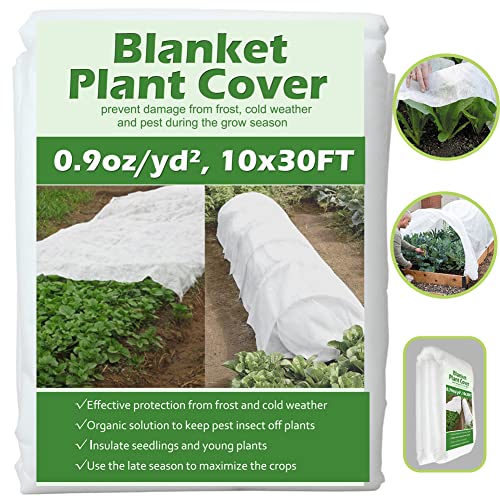
Use row covers to create a physical barrier against flying pests. These lightweight fabrics let in sunlight and water while keeping bugs out.

Encourage helpful insects in your garden. Ladybugs and lacewings eat aphids and other small pests. Plant flowers like marigolds to attract these good bugs.

If you spot pests, remove them by hand when possible. For larger infestations, try spraying plants with a mix of water and mild soap. This can help control soft-bodied insects without harsh chemicals.

Keep your garden clean to prevent pest problems. Remove dead leaves and plant debris regularly. This takes away hiding spots for bugs and helps stop diseases from spreading.

9. Use Mulch to Retain Soil Moisture

Mulch is a great tool for radish growers using square foot gardening. It helps keep soil moist and cool, which radishes love.

Good mulch options include straw, shredded newspaper, or pine needles. These materials work well for radishes.

Add a thin layer of mulch around your radish plants. Be careful not to cover the plants themselves. Leave a small space around the stems.

Mulch stops water from evaporating quickly. This means you won’t need to water as often. Your radishes will have steady moisture.


HealthiStraw GardenStraw, 3 cu ft, All-Natural Mulch for Vibrant Gardens, Vegetables Lawn Seeding - Water-Conserving, Weed-Suppressing Wheat Straw - Sustainably Sourced, Thoroughly Cleaned

The mulch also blocks weeds from growing. This gives your radishes more space and nutrients. The less weeding, the less work for you too.

As the mulch breaks down, it adds nutrients to the soil. This improves soil health over time. Healthy soil leads to tastier radishes.

Remember to check soil moisture before watering. Even with mulch, radishes still need regular water. But you may find you’re watering less often.

Mulch can also keep soil temperatures more stable. This is helpful for radishes, which prefer cooler growing conditions.

By using mulch, you’re creating a better environment for your radishes. This simple step can lead to a bigger, healthier harvest.

Understanding Square Foot Gardening

Square foot gardening is a simple method for growing vegetables in small spaces. It uses a grid system to divide garden beds into square foot sections for efficient planting.

Benefits of Square Foot Gardening

Square foot gardening saves space and water. It allows for high yields in small areas. This method works well for urban gardens and small yards.

The raised beds warm up faster in spring. This extends the growing season. Plants are closer together, which reduces weeds.

Square foot gardens are easier to maintain. The soil stays loose and doesn’t get compacted. Gardeners can reach all plants without stepping on the soil.

This method uses less water than traditional row gardening. The close plant spacing creates a living mulch. This helps retain moisture in the soil.

Basic Principles

Square foot gardens use raised beds filled with a rich soil mix. A typical bed is 4 feet by 4 feet, divided into 16 one-foot squares.

Each square is planted based on the size of the mature plant. For example, one square may hold 16 radishes or one tomato plant.


Yaheetech 3 Tier 47 x 47 x 22in Raised Garden Bed Horticulture Outdoor Elevated Flower Box Tiered Garden Bed Wooden Vegetables Growing Planter for Backyard/Patio/Gardener

The soil mix is key. A good blend contains equal parts compost, peat moss, and vermiculite. This creates a nutrient-rich, well-draining medium.

Vertical supports help save space. Trellises allow vining plants to grow up instead of out. This maximizes the growing area in each bed.

Companion planting is often used in square foot gardens. This means placing plants that benefit each other’s growth side by side.

Check out Grow Carrots in Square Foot Gardening

Optimal Growing Conditions for Radishes

Radishes thrive in specific conditions that promote quick growth and crisp, flavorful roots. The right soil, temperature, and sunlight are key to a successful crop.

Soil Requirements

Radishes need loose, well-drained soil rich in organic matter. The soil pH should be between 6.0 and 7.0. Mix compost into the top 6 inches of soil before planting. This improves drainage and adds nutrients.

Avoid heavy clay soils. They can lead to misshapen roots. If your soil is clay-like, add sand and organic matter to improve texture.

Keep the soil moist but not waterlogged. Consistent moisture helps radishes grow quickly and stay crisp. Mulch around plants to retain moisture and suppress weeds.

Ideal Temperature and Sunlight

Radishes grow best in cool weather. They prefer temperatures between 50°F and 65°F. Plant them in early spring or late summer for fall harvests.

These vegetables need full sun to partial shade. Aim for at least 6 hours of direct sunlight daily. In hot climates, some afternoon shade can prevent bolting.

Avoid planting radishes when temperatures rise above 80°F. Heat can make them tough and bitter. If summers are hot, use shade cloth to protect plants.

Cool nights and mild days produce the sweetest, crispest radishes. In square foot gardens, plant 16 radish seeds per square foot for optimal spacing.

Frequently Asked Questions

Growing radishes in a square foot garden is simple with the right approach. Here are answers to common questions about planting, growing, and caring for radishes in this space-saving method.

How to plant radishes in a square foot garden?

Plant radish seeds 1/2 inch deep in well-prepared soil. Space seeds 3 inches apart. In a square foot, plant 16 radish seeds. Water gently after planting to keep the soil moist.

What are the stages of growing radishes?

Radish seeds sprout in 3-10 days. Leaves form next. Roots start to swell around day 20. Radishes are ready to harvest 3-5 weeks after planting, depending on the variety.

How far apart should I plant radishes?

In square foot gardening, space radish seeds 3 inches apart. This allows 16 radishes per square foot. Proper spacing prevents overcrowding and ensures good root growth.

How long do radishes take to grow from seed to harvest?

Most radish varieties are ready to harvest 3-5 weeks after planting. Some fast-growing types may be ready in as little as 21 days. Check the seed packet for specific timing.

What are common problems when growing radishes, and how can they be addressed?

Pests like flea beetles can damage leaves. Cover plants with row covers to protect them. Overwatering can cause root rot. Water only when soil is dry to the touch. Hot weather can make radishes taste bitter. Plant in cooler seasons for the best flavor.

Can radishes be successfully grown in pots, and if so, how?

Yes, radishes grow well in pots. Use containers at least 6 inches deep. Fill with loose, well-draining potting mix. Plant seeds 1/2 inch deep and 3 inches apart. Water regularly and place pots in full sun.

Grow Radish in Square Foot Gardening

Conclusion

Growing radishes in a square foot garden can be a rewarding experience. These fast-growing vegetables are well-suited to this efficient gardening method. By following the steps outlined, gardeners can maximize their space and yield.

Proper soil preparation, spacing, and watering are key to success. Radishes prefer loose, fertile soil with good drainage. Plant them 3 inches apart, with 16 per square foot.

Regular care and monitoring help prevent issues. Thin seedlings as needed and keep the soil consistently moist. Harvest radishes when they reach the desired size, typically 3-4 weeks after planting.

Square foot gardening allows for successive plantings of radishes throughout the season. This technique provides a steady supply of fresh, crisp radishes for salads and other dishes.

With minimal space and effort, even novice gardeners can grow tasty radishes. The square foot method makes it simple to plan, plant, and enjoy these zesty root vegetables.

You may also like:

vegetable garden ideas

10 Vegetable Garden Layout Ideas