
If you want healthy eggplant, wait for real warmth.
The best time to plant eggplant outdoors is 2 to 3 weeks after your last spring frost, once nights stay above 55°F and the soil 4 inches down reads at least 60°F (65 to 70°F is even better). In most of the US, that lands somewhere between March in Florida and mid-June in the Northeast.
Eggplant is a warm-season crop in the nightshade family, and it reacts to cold more strongly than its tomato cousins.
Plant it a few weeks too soon and it sits there, yellowing and stalled, while a plant set out later in warm soil catches up and passes it.
Start seeds indoors 8 to 10 weeks before that transplant date, and you’ll have sturdy plants ready the moment the weather turns.
When Is It Warm Enough to Plant Eggplant Outside?
It’s warm enough when frost is 2 to 3 weeks behind you, nighttime lows hold at 55°F or higher, and the soil has warmed to 60°F or more.
Your frost date sets the earliest possible eggplant planting time, and a thermometer tells you when the ground is ready.
Why Wait 2 to 3 Weeks After the Last Spring Frost?
Your last spring frost date is an average. In some years, a cold snap shows up a week or two later, and a single frost kills eggplant outright.
Even without frost, the weeks right after that date tend to bring chilly nights in the 40s. Eggplant is more easily injured by low temperatures than tomatoes and won’t grow until temperatures warm.
Cool nights also cause blossoms to drop, so you end up with a leafy plant and no fruit.
That’s why I treat eggplant transplanting as a separate step from tomatoes. Set your tomatoes out on schedule, then give your eggplant another two or three weeks in pots.
To find your date:
- Look up your average last spring frost date with your county extension office.
- Add 14 to 21 days.
- Check the 10-day forecast for nights below 55°F before you dig.
What Soil and Nighttime Temperatures Matter Most?
Soil temperature is the number I trust most. Eggplant grows best with daytime temperatures between 70 and 85°F and soil warmed to roughly 60 to 70°F before transplanting.
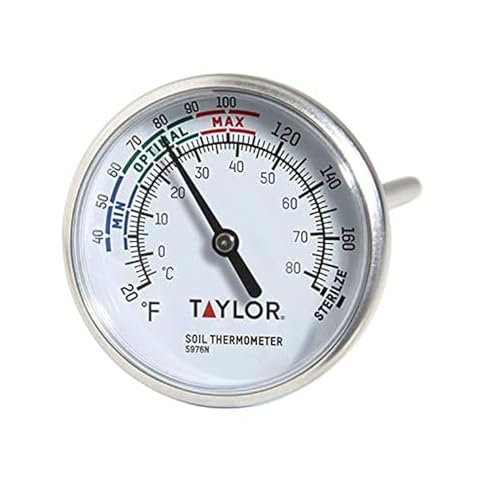
A basic soil thermometer costs a few dollars. Push it 4 inches deep in the morning, when soil is coolest, and check for three or four days in a row.
| Condition | Too cold | Okay | Ideal |
|---|---|---|---|
| Soil at 4 inches | Below 60°F | 60 to 65°F | 65 to 70°F |
| Night lows | Below 50°F | 50 to 55°F | 55°F and up |
| Daytime highs | Below 65°F | 65 to 70°F | 70 to 85°F |
If the soil is warm but nights still dip to 50°F, you can plant with row covers ready. If both numbers are low, wait.

When Should You Start Eggplant Seeds Indoors?
Start eggplant seeds indoors 8 to 10 weeks before your planned transplant date. Eggplant seeds sprout slowly and seedlings grow slowly, so they need that long runway, plus steady heat and strong light.
Count Back 8 to 10 Weeks From Your Transplant Date
Count back from the transplant date, not the frost date. Since transplanting comes 2 to 3 weeks after frost, that works out to about 6 to 8 weeks before your last frost.
Here’s an example. If your last frost is April 20, your transplant target is about May 10. Count back 8 to 10 weeks and you’d sow seeds between March 1 and March 15.
Eggplant seedlings are ready to go outside when they’re 4 to 6 inches tall with several true leaves. If they hit that size before the weather cooperates, move them into a bigger pot so they keep growing.
If you’d like to keep them in containers all season, my guide on how to grow eggplant from seed in pots walks through pot sizes and mixes.
In long, hot climates, some gardeners skip the indoor step. You can plant eggplant seeds directly in the ground only where the soil is warm and the season is long enough for the plants to mature.
Keep Seeds Warm and Give Seedlings Enough Light
Starting eggplant seeds indoors takes more heat than most crops. Keep the seed-starting mix at 75 to 85°F, and the seeds sprout in about 7 to 14 days. In cool mix, they sit for weeks or rot.
My setup advice:
- Sow seeds ¼ inch deep in a light seed-starting mix.
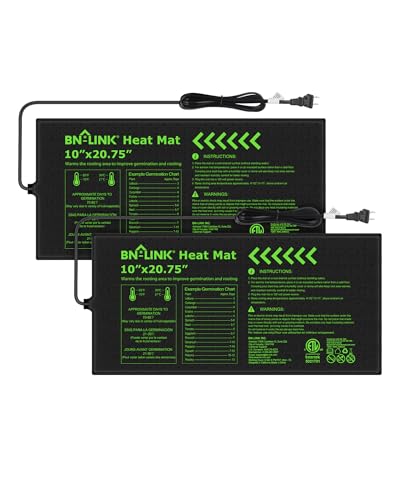
- Use a heat mat under the tray until sprouts appear.
- Keep the mix moist, never soggy.
- Once seedlings emerge, drop the mat and keep room temperature around 70°F, with nights above 62°F.
- Give 14 to 16 hours of light a day, with grow lights a few inches above the leaves.
Thin to one seedling per cell once the strongest reaches 2 inches. A sunny windowsill alone leaves seedlings tall and floppy in most US winters, so I’d use lights.
When Can You Transplant Eggplant in Your Region?
Most US gardeners transplant eggplant between March and mid-June, depending on how far south and how high up they live. The table below gives typical windows, and your local soil reading has the final say.

Compare Planting Windows Across US Regions
These windows assume average frost dates. Higher elevations within each region run later.
| Region | Typical last frost | Transplant eggplant | Fall planting? |
|---|---|---|---|
| Florida | Late Jan to early March | February to April | Yes, August to September |
| Southeast (Gulf Coast, Georgia, Carolinas) | March to mid-April | April to mid-May | Yes, July |
| Texas | Late Feb (south) to early April (north) | March (south) to late April or May (north) | Yes, July |
| Southern California | Rare frost on the coast | April to June | Inland, July |
| Southwest desert (Phoenix, Tucson) | Mid to late February | Late February to March | Yes, July to August |
| Zone 7 (Mid-Atlantic, Upper South) | Mid-April | Early to mid-May | Rarely |
| Midwest | Early to mid-May | Late May to early June | No |
| Northeast | Mid to late May | Early to mid-June | No |
| Pacific Northwest | April to May | Early to mid-June, with protection | No |
Texas spans several climates, so north Texas runs about a month behind the coast and the Rio Grande Valley. Southern California splits the same way: mild coastal gardens can plant from April, while hot inland valleys do best with a spring crop and a July planting for fall.
Adjust Regional Dates for Local Frost and Soil Temperatures
Regional dates get you close. Your yard can run a week or two ahead or behind them.
Plant a bit later if you garden in a low spot where cold air settles, on a north-facing slope, or in heavy clay that stays wet. Plant a bit earlier if you have raised beds, a south-facing wall, or dark containers, since those warm faster.
The Pacific Northwest needs extra care. Days can be pleasant while nights stay in the 40s well into June, so I’d lean on early varieties and row covers there.
In Zone 7, early to mid-May is usually the sweet spot.
Can You Plant Eggplant for a Fall Crop?
Yes, in hot regions you can, and it often beats the spring crop. Florida, the Gulf Coast, Texas, and the Southwest desert can fit a second eggplant planting time in mid to late summer for a fall harvest.
Time a Second Planting in Hot Regions
Summer heat above 95°F makes eggplant drop blossoms, so spring plants in the South often stall in July and August. A fresh planting set out in July or early August grows through the heat and starts setting fruit as temperatures ease in September.
For a July transplant, start seeds indoors in May. Shade new transplants for the first week with a piece of shade cloth during the hottest afternoon hours, and water deeply every day or two until roots settle.
In the desert Southwest, I’d aim for late July into August. In South Florida, August through September works well, and plants can keep going into winter.
Check Days to Maturity Against Your First Fall Frost
Count back from your first fall frost date. Take the variety’s days to maturity, add about two weeks for slower growth as days shorten, and plant at least that many days before frost.
For example, a 60-day variety in a spot with a November 15 first frost needs to be in the ground by about early September. Fast eggplant varieties make fall crops much more reliable than slow 80-day types.
Fall planting rarely works in the Midwest, Northeast, or Pacific Northwest. Those seasons are too short for a second round.
How Do You Harden Off Eggplant Seedlings?
Harden off eggplant seedlings over 7 to 14 days by slowly adding sun, wind, and outdoor temperatures. Plants raised indoors have soft leaves, and full sun on day one scorches them.
Gradually Introduce Sun, Wind, and Outdoor Temperatures
Start about two weeks before eggplant transplanting day. Here’s the schedule I recommend:
- Days 1 and 2: Set plants in shade, out of the wind, for 1 to 2 hours.
- Days 3 and 4: Give them 3 to 4 hours, with an hour of morning sun.
- Days 5 to 7: Leave them out half the day, with a few hours of direct sun.
- Days 8 to 10: Leave them out all day in full sun.
- Days 11 to 14: Leave them out overnight if lows stay above 55°F.
Let the soil dry slightly between waterings during this time, but never let plants wilt hard. Check them midday, since small pots dry out fast in sun and wind.
Hold Transplants Indoors During Cold Nights
Bring eggplant seedlings inside any night that drops below 55°F. One chilly night can set them back a week.
If the weather stays cold past your target date, keep plants growing indoors. Move them into a pot one size bigger, keep them under lights, and feed lightly. Hold the plants and keep them growing until the soil warms.
How Should You Set Eggplant Transplants in the Garden?
Plant eggplant in full sun and rich, well-drained soil, at the same depth it grew in its pot. Good placement on day one saves you trouble all summer.
Choose Full Sun, Well-Drained Soil, and Proper Spacing
Eggplant needs 6 to 8 hours of direct sun, and more is better. Pick the warmest, brightest spot you have.
For soil, aim for:
- pH: 6.0 to 7.0
- Texture: loose, rich, well-drained soil (eggplant roots rot in soggy ground)
- Prep: 1 to 2 inches of compost worked in before planting
Space plants 18 to 24 inches apart in rows 30 to 36 inches apart. Dwarf and container types can sit closer.
My guide on how far apart to plant eggplant covers spacing by variety, and if you garden in a grid, you can grow eggplant in a square foot garden at one plant per square.
Eggplant shares needs and pests with peppers, so many gardeners plant eggplant and peppers together in the same bed.
Plant in Beds or Containers Without Disturbing the Roots
Plant on a cloudy day or in late afternoon. Water the seedlings an hour before so the root ball holds together.
- Dig a hole a bit wider than the pot.
- Tip the plant out gently, holding the soil, not the stem.
- Set it at the same depth it grew; burying the stem deeper, like a tomato, doesn’t help eggplant.
- Firm the soil and water slowly until it soaks in.
- Push in a 2-foot stake or small cage now, before roots spread.
For containers, use at least 5 gallons of potting mix per plant. Raised beds and dark pots warm faster, which gives eggplant a quicker start in cool areas.
How Can You Protect an Early Eggplant Planting?
You can plant a week or two early if you warm the soil first and cover the plants on cold nights. These tricks help most in the Midwest, Northeast, and Pacific Northwest.
Warm the Soil With Black Plastic Mulch
Lay black plastic mulch over the bed about two weeks before eggplant transplanting. It soaks up sun and raises soil temperature by several degrees.
Water the bed well first, then stretch the plastic tight and bury the edges. At planting time, cut an X-shaped slit for each plant. Run a drip line or soaker hose under the plastic, since rain runs off the top.
Once summer heat arrives and the soil reaches about 75°F, you can leave the plastic or cover it with straw to keep roots from overheating.
Use Row Covers or Water-Filled Protectors During Cold Spells
Floating row cover traps heat and blocks wind. Drape it over wire hoops so it doesn’t press on the leaves, and pin the edges down.
Row cover also keeps flea beetles off young plants. Leave it on until blossoms open, then remove it or open the ends on warm days so bees can reach the flowers.
Water-filled plant protectors (plastic sleeves of upright tubes you fill with water) wrap around a single plant. The water absorbs heat by day and releases it at night.
Set them up a week ahead so the soil inside warms, then plant in the center. On a forecast night near 40°F, add an old sheet on top of either cover.
What Are the Signs You Planted Too Early?
Eggplant set out in cold soil shows it within a week or two. Learn the signs so you can act before the season slips away.
Spot Stalled Growth, Drooping, and Curling Leaves
Watch for these signs in the first two to three weeks:
- No new growth: the plant looks the same size it was on planting day.
- Yellow or purple-tinged lower leaves: cold soil makes it hard for roots to take up nutrients, especially phosphorus.
- Drooping in the morning: cold roots can’t draw water well, even in wet soil.
- Curled or cupped leaves: chill and wind both cause this.
- Dropped flower buds: nights under 55°F make blossoms fall.
Flea beetle holes on top of any of these make things worse, since a stalled plant can’t outgrow the damage.
Decide When to Wait, Protect, or Replace a Plant
If the plant looks pale but the growing tip is still green and firm, cover it with row cover and wait for warmer weather. Most recover within two weeks of warm nights.
If you have more cold nights in the forecast, add protection right away. Avoid fertilizing a stalled plant; roots in cold soil can’t use it yet.
Replace the plant if the stem is soft or dark at the soil line, the growing tip is black, or nothing has changed after three weeks of warm weather. A healthy nursery transplant set out now will pass a stunted one.
What Care Helps Eggplant Establish After Planting?
Even watering, modest feeding, and early pest watch carry eggplant (Solanum melongena) through its first month. Get these right and the plant moves quickly from rooting in to flowering.
Water Evenly and Feed Without Overdoing Nitrogen
Give eggplant 1 to 2 inches of water a week, applied deeply. Uneven watering leads to odd-shaped fruit, and in some cases blossom end rot, a dark sunken spot at the bottom of the fruit.
Mulch helps hold moisture steady once the soil is warm. Use drip or a soaker hose at ground level to keep leaves dry. For a schedule by weather and soil type, see my post on how often to water eggplant.
At planting, work in compost or a balanced fertilizer. Side-dress when the first fruits set, then every 3 to 4 weeks.
Too much nitrogen gives you a big leafy bush with very few fruits. I go over amounts and timing in my guide to fertilize eggplant.
Watch for Pests and Rotate Away From Nightshades
Flea beetles are the most common eggplant pest. These tiny dark beetles chew pinholes in leaves and can stunt young transplants. Row cover from planting day until bloom is the simplest fix.
Other common eggplant pests:
- Colorado potato beetle: check leaf undersides and crush orange egg clusters.
- Spider mites: look for fine webbing and speckled leaves in hot, dry weather.
- Aphids: knock them off with a strong spray of water.
Verticillium wilt and Phomopsis blight both live on in soil and plant debris. Eggplant belongs to the Solanaceae family with tomatoes, peppers, and potatoes, so don’t plant any of them in the same spot for 3 to 4 years.
If you have pets, keep them from chewing the plants. Eggplant leaves and stems contain glycoalkaloids such as solanine.
How Long Until Eggplant Is Ready to Harvest?
Most eggplant is ready 60 to 80 days after transplanting. From seed, plan on about 100 to 120 days, which is why the indoor head start helps so much.
Compare Maturity Times for Common and Early Varieties
Small and slender eggplant varieties ripen fastest. Big globe types take longer and need more heat.
| Type | Days from transplant | Best for |
|---|---|---|
| Small-fruited and dwarf types | 50 to 65 | Containers, short seasons |
| Long Asian types (Japanese, Chinese) | 55 to 70 | Northern gardens, fall crops |
| Italian and oval types | 65 to 75 | Most regions |
| Large globe types like ‘Black Beauty’ | 75 to 85 | Long, hot summers |
In the Northeast, Midwest, and Pacific Northwest, I’d pick varieties listed at 70 days or less. In the South, you have room for any of them.
Pick Fruit While the Skin Is Glossy
Harvest when the skin is shiny and the flesh springs back after a gentle thumb press. If the dent stays, the fruit is past its best. If it feels rock hard, give it a few more days.
Dull skin means the eggplant is overripe; expect bitter flesh and hard brown seeds. Size isn’t a reliable guide, so go by gloss and feel.
Cut fruit with pruners, leaving the green cap and an inch of stem. Wear gloves, since some varieties have prickly stems. Check plants every 2 to 3 days at peak season, because regular eggplant harvest keeps new fruit coming.
Frequently Asked Questions
What month do you plant eggplant?
Most US gardeners plant eggplant outdoors in May or early June. Florida and the desert Southwest plant in February or March, while the Northeast and Pacific Northwest wait until early to mid-June.
Can I plant eggplant in July?
Yes, in hot regions such as Texas, the Gulf Coast, Florida, and the desert Southwest, July is a good time for a fall crop. In northern states, July is too late for most varieties to ripen before frost.
How cold is too cold for eggplant?
Nights below 55°F slow eggplant down and cause blossom drop, and temperatures below 50°F for several days can cause lasting harm. Frost kills the plant, so cover or bring in young plants whenever lows dip under 55°F.
When should I start eggplant seeds indoors?
Start seeds 8 to 10 weeks before you plan to transplant, which is about 6 to 8 weeks before your last frost. Keep the mix at 75 to 85°F with a heat mat so seeds sprout in 7 to 14 days.
Can eggplant be planted in the fall?
Eggplant can be planted in late summer for a fall harvest in warm regions with long seasons. Count back from your first fall frost by the variety’s days to maturity plus two weeks, and choose a fast variety of 60 to 70 days.

Hello there! I’m Elsa, and gardening is my passion. As an avid gardener, I created GardeningElsa.com to share my knowledge and experience with fellow enthusiasts. My website is a comprehensive resource for gardeners of all levels, offering expert advice on a wide range of topics, including plants, flowers, herbs, and vegetable gardening. Whether you’re a beginner looking to start your first garden or a seasoned pro seeking to expand your knowledge, GardeningElsa.com has something for everyone. Read more about me.