
If your fiddle leaf fig started dropping leaves or growing brown patches soon after it came home, you’re in good company. This plant reacts loudly to change, and most problems trace back to light, water, or a move it didn’t like.
Good fiddle leaf fig care comes down to five habits: give it the brightest indirect light in your home, water only when the top 1 to 2 inches of soil are dry, use a pot that drains, keep it between 60 and 85°F away from drafts, and then leave it in one spot.
Get those right and the fiddle leaf fig plant turns into a steady grower that can reach 6 to 10 feet indoors.
Your Fiddle Leaf Fig’s Needs at a Glance
The fiddle leaf fig (Ficus lyrata) is a tropical tree from West Africa that wants bright light, steady moisture, and warm, stable rooms. It belongs to the fig family, Moraceae, along with rubber plants and weeping figs. If you are stocking up, a balanced liquid fertilizer is the first thing I would pick up.
If you’re curious how it compares, my guide to types of ficus plants covers its relatives.
Light, Water, Soil, and Room Conditions
| Need | What the fiddle-leaf fig wants |
|---|---|
| Light | Bright, indirect light for at least 6 hours a day |
| Water | Water when the top 1 to 2 inches of soil are dry |
| Soil | Chunky, well-draining mix, pH 6.0 to 7.0 |
| Temperature | 60 to 85°F, never below 50°F |
| Humidity | 30 to 65 percent; higher is welcome |
| Food | 3-1-2 style fertilizer, spring and summer only |
| Pets | Toxic to cats and dogs, per the ASPCA |
I treat light as the anchor for everything else. A plant in a bright spot uses water faster, grows faster, and shrugs off small mistakes.
Soil and room conditions come next. Soggy roots and cold drafts cause more leaf loss than any pest.
Feeding and Pet Safety
Feed only while the plant is pushing new leaves, roughly March through September in most of the US. In the Gulf Coast and Southern California, the growing season runs a few weeks longer.
The sap in this ficus irritates skin and mouths. If you have a cat that chews leaves or a puppy that chews everything, plan the plant’s spot with that in mind before you buy.
Light Makes or Breaks Indoor Growth
Light is the single biggest reason a fiddle leaf fig thrives or stalls. It needs strong indirect sunlight most of the day, and a dim corner leads to slow growth, droopy leaves, and drop from the bottom up.
Window direction and distance from the glass decide whether you need extra help from a lamp.
Where Should You Place It Near a Window?
My first choice is an east-facing window. Morning sun is gentle enough that a little direct light does no harm.
Here’s how I’d place it by window direction:
- East: 1 to 3 feet from the glass.
- South: 3 to 5 feet back, or closer behind a sheer curtain.
- West: 4 to 6 feet back, since hot afternoon sun can scorch leaves.
- North: Right at the glass, and expect slow growth.
A simple test helps. At midday, hold your hand a foot above a leaf; a crisp, clear shadow means bright light, while a faint, fuzzy one means the spot is too dim.
When Does a Grow Light Help?
A grow light helps when your best window faces north, when trees shade your house, or during short Northeast and Midwest winters. A fiddle leaf fig not growing for months in a dim room is the classic sign.
Use a full-spectrum LED, hang it 12 to 24 inches above the top leaves, and run it 10 to 12 hours a day on a timer. My picks for the best grow lights for indoor plants include fixtures tall enough for floor plants.
Water Thoroughly Without Drowning the Roots
Water deeply, then wait until the upper soil dries before watering again. Overwatering is the top killer of this plant because it leads to root rot, while underwatering shows up as curled, crispy leaves.
Checking the soil, soaking it fully, and slowing down in winter keep you between those two extremes.
How Do You Check Whether the Soil Is Dry?
Water most houseplants, including fiddle leaf fig, when the top inch of potting soil is dry. I push my finger in up to the second knuckle, about 2 inches, before I decide.
For big pots, a wooden chopstick works better. Push it halfway down, pull it out, and water only if it comes out clean.
A moisture meter is handy for tall plants in deep containers. Water when the reading at root depth drops to about 3 on a 1-to-10 scale.
How Much Water Should You Give It?
Pour slowly over the whole soil surface until water runs out the drainage holes. That tells you the full root ball got wet.
As a rough guide, a 6-inch pot takes about 1 cup and a 10-inch pot about 3 cups, according to Costa Farms. Bigger trees in 14-inch pots may take half a gallon or more.
Empty the saucer after 15 to 20 minutes. Water sitting under the pot keeps roots soggy, and yellowing leaves with brown spots often follow.
Once a month, I’d flush the pot under running water for a minute to wash out fertilizer salts.

How Should Watering Change in Winter?
Watering every 10 days or so is common, and cooler rooms call for a few extra days between drinks. In winter, many plants go two to three weeks.
Keep checking the soil, though. Forced-air heat in Northeast and Midwest homes can dry small pots surprisingly fast.
Choose Soil and a Pot That Drain
Drainage protects roots more than any other choice you make at potting time. A loose, chunky mix, a pot with holes, and a modest size step keep water moving instead of pooling around the roots.
What Goes Into a Chunky Potting Mix?
I like a chunky potting mix of about:
- 2 parts quality indoor potting soil
- 1 part perlite
- 1 part fine pine bark
- A handful of coconut coir to hold some moisture
A 50/50 blend of cactus mix and regular potting soil also works if you’d like something ready-made. My roundup of the best soil for indoor plants lists bagged mixes that drain well.
Dense, soggy soil also invites fungus gnats. A well-draining soil that dries on top between waterings cuts their breeding ground.
What Pot Size and Drainage Does It Need?
Every pot needs drainage holes. If you love a decorative cachepot without holes, keep the plant in a plastic nursery pot inside it and lift it out to drain.
Choose a new pot just 1 to 2 inches wider than the old one. Too much extra soil stays wet for days.
Terracotta dries faster than plastic or glazed ceramic, which suits heavy waterers.
When Is It Time to Repot?
Repot young plants every spring and mature ones every one to two years. Signs it’s time include roots poking out the bottom, water rushing straight through, soil drying in a few days, or slow growth in summer.
For repotting fiddle leaf fig trees that are too big to lift, scrape off the top 2 to 3 inches of old soil each spring and replace it with fresh mix.
Keep Temperature Steady and Humidity Comfortable
Steady warmth between 60 and 85°F keeps this plant calm, and sudden swings are what trigger leaf drop. Average home humidity is fine, though dry winter heat can brown the leaf edges.
Which Temperatures and Drafts Cause Stress?
Keep it above 60°F for good growth and never let it sit below 50°F. Above about 85°F, it dries out quickly.
Drafts do the most damage. I’d keep it at least 3 feet from:
- Heating and air-conditioning vents
- Radiators and baseboard heaters
- Exterior doors that open often in winter
- Single-pane windows that get icy at night
In the Northeast and Midwest, cold glass on January nights can chill leaves pressed against it. Pull the plant back a foot during cold snaps.
Will a Humidifier or Pebble Tray Help?
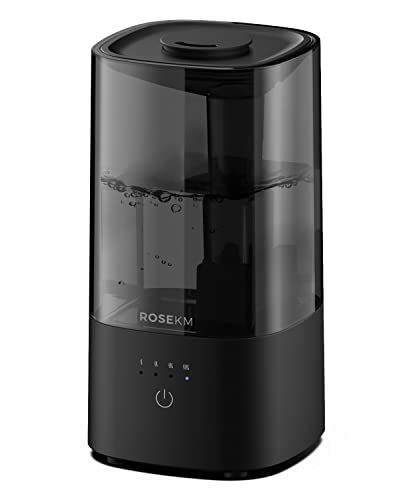
A humidifier helps most. Set it a few feet away and aim for 40 to 50 percent humidity in winter, especially in heated homes in the Mountain West and Southwest.
A pebble tray adds a small amount of moisture. Fill a tray with pebbles, add water just below the top, and set the pot on the stones so the base stays dry. Grouping plants together adds a little more.
Feed During Active Growth, Not Year-Round
Feed your fiddle leaf fig plant once a month in spring and summer, and stop in fall and winter. Extra fertilizer during slow months builds up salts that burn roots and yellow leaves.
Which Fiddle Leaf Fig Plant Food Should You Use?
Look for a fiddle leaf fig plant food with a 3-1-2 ratio, such as 3-1-2 or 9-3-6 on the label. The higher nitrogen supports big, dark green leaves.
I prefer liquid feeds because you control the dose. Mix at the label rate or half strength, and water the soil first so you never pour fertilizer onto bone-dry roots.
Slow-release pellets work too if you’d like to feed once or twice a season.
When Should You Pause Fertilizer?
Stop feeding around early fall, when new leaves stop appearing. Restart in spring once you see a fresh leaf unfurling.
Also skip fertilizer for about a month after repotting and while a sick plant recovers. Stressed roots can’t use it.
Let a New Plant Settle Before Changing Its Routine
Expect some leaf loss in the first few weeks, and keep your care steady while the plant adjusts. Moving from a bright greenhouse to a living room is a big drop in light, and the plant reacts by shedding.
Why Do Leaves Fall After You Bring It Home?
Trucking, store lighting, and a new room all add up to shock. Losing a few lower leaves, or some light yellowing in the first two weeks, is normal.
Heavy drop, or loss of top leaves, points to a real problem like a cold draft or soggy pot. Check those first.
What Should You Leave Alone While It Adjusts?
For the first four to six weeks, I’d leave these alone:
- The pot. Wait until spring, or at least a month, before repotting.
- The location. Pick a good bright spot and stop moving it around.
- Fertilizer. Hold off until it starts growing.
- Pruning.