
Plant eggplant 18 to 24 inches apart, in rows 30 to 36 inches apart. Big Italian globe types want the full 24 inches, slender Asian types are happy closer to 18 inches, and dwarf patio varieties can go as close as 12 to 18 inches.
Those numbers look generous next to a 6-inch seedling, and that’s on purpose. A healthy eggplant grows into a 2- to 3-foot-wide bush loaded with heavy fruit.
If you know how far apart to plant eggplant before you dig, you’ll get better airflow, fewer disease problems, and more fruit per plant.
Standard Eggplant Spacing in Garden Rows
For in-ground rows, I set eggplant 18 to 24 inches apart and leave 30 to 36 inches between rows. That spacing fits the plant’s mature spread and still leaves you room to walk, water, and pick.
Measure from the center of each plant, and pick your row width based on how you’ll move through the garden.
How Do You Measure Spacing Between Plants?
Always measure center to center, from the main stem of one plant to the main stem of the next. Measuring the gap between leaves doesn’t work, because seedlings are tiny and the leaves will spread a lot.
Here’s the simple way I’d do it:
- Lay a tape measure or marked board along the row.
- Push a stake or golf tee in every 18 to 24 inches.
- Dig one planting hole at each marker.
For most gardens, 24 inches is the safest default. Go down to 18 inches only for slender or compact varieties, or if your summers run short and plants stay smaller.
How Much Room Should You Leave Between Rows?
Leave 30 to 36 inches between rows for most home gardens. That gives you a path wide enough to kneel, check leaf undersides, and carry a harvest basket without snapping branches.
If you’re growing large globe types in rich soil with a long, hot season (think the Southeast or Southwest), I’d stretch rows to 3 to 4 feet apart.
The same goes if you push a wheelbarrow or tiller down the aisles. In cooler Northeast and Pacific Northwest gardens, where plants stay a bit smaller, 30 inches works fine.
How Does Spacing Change by Eggplant Variety?
Fruit size and plant size go together, so the bigger the eggplant, the more room the bush needs. Check the seed packet or plant tag for mature width, then use this chart as your starting point.

| Eggplant type | Space between plants | Space between rows |
|---|---|---|
| Large Italian and globe | 24 inches | 30 to 36 inches |
| Slender Asian | 18 to 24 inches | 30 inches |
| Dwarf and patio | 12 to 18 inches | 24 inches |
Large Italian and Globe Eggplants
Classic purple globe and Italian eggplant varieties grow into wide, leafy bushes that can reach 3 feet tall and nearly as wide. I give these the full 24 inches between plants.
Their fruit is heavy, often a pound or more each. Branches bend outward under that weight, so plants set closer than 24 inches end up leaning into each other by midsummer.
Slender Asian Eggplants
Long, thin Asian types grow a more upright, open plant with lighter fruit. You can space them 18 to 24 inches apart in rows about 30 inches wide.
I’d use 18 inches only in average soil. In very rich ground, these plants get bushier than you’d expect, so 20 to 24 inches is safer.
Dwarf and Patio Eggplants
Compact varieties bred for small spaces stay around 18 to 24 inches tall and wide. Space them 12 to 18 inches apart, with about 24 inches between rows.
These are the best choice for small beds and pots. Even so, read the tag. “Compact” means different things to different breeders, and some patio types still spread close to 2 feet.
Spacing Eggplant in Raised Beds and Square Foot Gardens
Raised beds let you plant a little tighter because you never walk on the soil, but each eggplant still needs about 18 to 24 inches of room. Rich, loose bed soil also tends to grow bigger plants, so don’t cram them.
A Practical Layout for a 4-by-8-Foot Bed
A 4-by-8-foot bed fits 8 full-size eggplants comfortably. Here’s the layout I recommend:
- Run two rows down the long side of the bed, 24 inches apart.
- Set each row 12 inches in from the long edges.
- Space plants 24 inches apart in each row, starting 12 inches from the short ends.
That gives you 4 plants per row, or 8 total. With slender Asian types, you can tighten in-row spacing to 18 to 20 inches and fit 10. With dwarf types, three rows at 16 inches apart fit about 15 plants.
If you want to share the bed with other crops, plant eggplant down one long side and use the other side for low herbs or beans.
How Much Space Does One Plant Need in a Square Foot Garden?
The classic square foot method puts one eggplant in each 1-foot square. In my opinion, that works for dwarf varieties but crowds full-size ones.
For large globe or Italian types, I’d give each plant 2 to 4 squares.
A good compromise is to plant one eggplant in every other square in a checkerboard pattern, then fill the empty squares with basil, marigolds, or lettuce early in the season.
If you want a full grid plan, here’s how to grow eggplant in a square foot garden.
Tight grids drain soil nutrients fast, so top each square with an inch of compost before planting.
How Much Room Does Container-Grown Eggplant Need?
One eggplant per 5-gallon pot is the minimum for growing eggplant in containers, and bigger is better for full-size types. Pots dry out and heat up fast, and a crowded container stresses roots quickly.
Pot Size and Plants per Container
Use these as your guide:
- Dwarf or patio types: one plant in a 5-gallon pot at least 12 inches deep.
- Slender Asian types: one plant in a 7- to 10-gallon pot.
- Large globe types: one plant in a 10- to 15-gallon pot.
- Large tubs (20 inches wide or more): up to two dwarf plants, set about 12 inches apart.
I don’t recommend putting two full-size plants in one 5-gallon pot. They fight for water, and you can’t stake or check either one well.

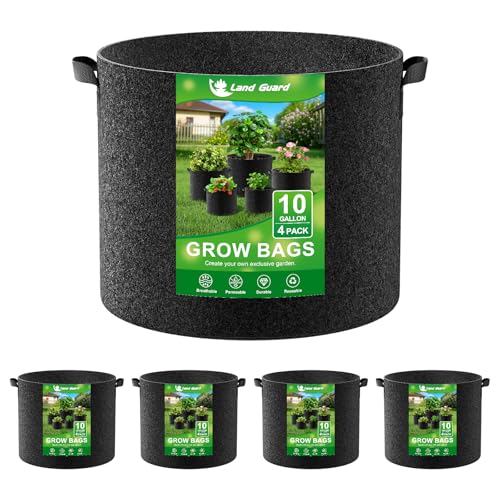
Fill pots with a quality potting mix, never garden soil, and make sure drainage holes are open. Fabric grow bags work well here too.
Positioning Pots for Sun and Airflow
Set pots where they’ll get at least 6 to 8 hours of direct sun. More is better for fruit set.
Leave 18 to 24 inches between pots so leaves don’t touch and air can move between plants. Watch for dark pots sitting against a hot south wall in July.
Roots can cook there, and plants wilt even when the mix is wet. Light-colored pots or a few inches of space from the wall help.
Why Does Eggplant Need Room to Spread?
Proper spacing keeps eggplant healthier and more productive. Crowded plants hold moisture in their leaves and hide pests, and they shade each other’s flowers. Spread-out plants dry faster after rain, get more sun on their blooms, and pull more water and food from the soil.
Airflow, Leaf Disease, and Pest Checks
When eggplant leaves overlap, the air inside the canopy stays humid. That damp air invites leaf spots, Phomopsis blight, and other fungal problems, especially in humid Southeast and Mid-Atlantic summers.
Space also lets you see what’s happening. Flea beetles, spider mites, aphids, and Colorado potato beetles hide on leaf undersides.
If you can’t reach in to flip leaves, you’ll miss problems until they’re serious. For a closer look at the usual suspects, see my guide to vegetable garden pests.
Spacing doesn’t stop Verticillium wilt, a soil disease. For that, rotate eggplant and other nightshades (tomatoes, peppers, potatoes) to a new spot for 3 to 4 years.
Sunlight, Root Competition, and Fruit Production
Eggplant needs full sun to flower and fill fruit. Plants shaded by a neighbor’s leaves set fewer fruits, and those fruits grow smaller.
Roots spread wider than most people expect. An eggplant is a heavy feeder, and two plants 12 inches apart compete for the same water and nutrients. The result is two weak plants that produce less than one well-spaced plant would.
When and How to Set Out Eggplant Seedlings
Transplant eggplant seedlings 2 to 3 weeks after your last frost, once nights stay above 55°F and the soil is at least 60°F. Warmer soil, 65 to 70°F, is even better. Eggplant stalls in cold ground and can sit unchanged for weeks.
Wait for Warm Nights and Soil
Check soil temperature with a probe thermometer pushed 4 inches deep in the morning, when it’s coolest.
If you started your own plants, sow seeds indoors 8 to 10 weeks before your transplant date and keep them at 75 to 85°F (a heat mat helps). They sprout in about 7 to 14 days.
Timing varies across the country. Gulf Coast and Florida gardeners can transplant in March. Midwest and Northeast gardeners often wait until late May or early June. My guide to the best time to plant eggplant breaks this down by region.
Harden seedlings off over 7 to 10 days, starting with an hour or two outside in filtered shade.
Mark Planting Spots Before Transplanting
Mark every planting spot before you pull a single seedling out of its pot. Guessing by eye almost always crowds the row.
Then follow these steps:
- Water seedlings an hour before planting.
- Dig each hole a bit wider than the root ball, but no deeper.
- Set the root ball level with the soil surface.
- Firm the soil gently and water well.
- Cover young plants with floating row cover to keep flea beetles off.
Plant on a calm, cloudy afternoon if you can. Seedlings settle in better without hot sun beating on them.
Can Stakes or Cages Help Maintain Spacing?
Yes, supports keep eggplant upright and inside its own space, which keeps your spacing plan working all season. Heavy fruit pulls branches down and sideways, and a sprawling plant spills into its neighbors and the path.