
Many dog owners worry about the plants they keep in their homes and yards. They want to make sure their furry friends stay safe. Areca palms are popular indoor plants known for their lush, tropical look. But are they okay to have around dogs?
Areca palms are not toxic to dogs. The American Society for the Prevention of Cruelty to Animals (ASPCA) lists them as non-toxic to dogs, cats, and horses. This means pet owners can feel at ease having these plants in their homes.
Areca palms go by other names, too. Some people call them butterfly palms, golden cane palms, or yellow palms. No matter what name they use, these palms are a safe choice for homes with dogs. Pet owners can enjoy their beauty without worry.
Understanding Areca Palms
Areca palms are tropical plants known for their graceful fronds and air-purifying qualities. They make popular indoor plants that are safe for pets.

Scientific Classification and Description
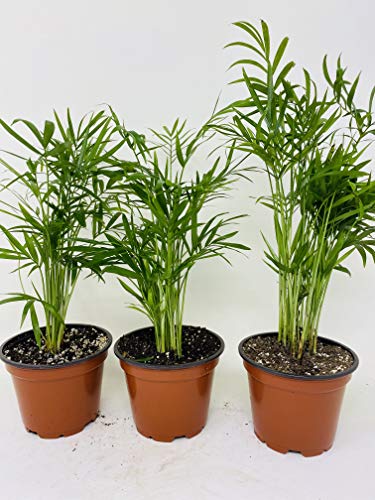
Areca palms belong to the family Arecaceae. Their scientific name is Dypsis lutescens. These palms can grow up to 20-30 feet tall in their native habitat. They have slender, golden-green stems and feathery fronds.
The fronds are made up of many narrow leaflets. Each frond can reach 6-8 feet long. New fronds emerge from the center of the plant. As they grow, they arch outward, creating a full, bushy appearance.
Areca palms produce small yellow flowers and fruit. However, they rarely flower or fruit when grown indoors.
Common Names and Varieties
Areca palms go by several common names:
- Butterfly palm
- Golden cane palm
- Yellow palm
- Golden feather palm
There are no major varieties of Dypsis lutescens. All areca palms are the same species. Some may look different due to growing conditions or age.
Areca Palm Care Essentials
Areca palms need bright, indirect light. Direct sun can scorch their leaves. They prefer temperatures between 65-75°F. These palms like humidity, so misting them helps.
Water areca palms when the top inch of soil feels dry. They don’t like wet feet, so good drainage is key. Use a pot with drainage holes.
Feed areca palms monthly during the growing season with a balanced fertilizer. Prune dead or yellowing fronds to keep the plant looking fresh.
These palms can get spider mites or scale insects. Check leaves often and treat pests quickly.
Areca Palm Interactions with Dogs
Areca palms are safe for dogs, but some precautions are still needed. Let’s look at what dog owners should know about these plants.
Toxicity Considerations
Areca palms are not toxic to dogs. The American Society for the Prevention of Cruelty to Animals (ASPCA) lists them as non-poisonous for dogs, cats, and horses. This makes areca palms a good choice for pet owners who want to add greenery to their homes.

But it’s important to know that not all palms are safe. The sago palm, which looks similar, is very dangerous for dogs. Even small amounts can cause liver failure. Always check plant names carefully before bringing them home.
While areca palms don’t contain toxic compounds, eating large amounts of any plant can upset a dog’s stomach. It’s best to keep pets from chewing on houseplants.
Signs of Toxicity in Dogs
Since areca palms are not toxic, dogs won’t show signs of poisoning from them. But if a dog eats a lot of the plant, they might have some mild stomach issues.
Watch for these signs after your dog chews on an areca palm:
- Vomiting
- Diarrhea
- Loss of appetite
- Drooling more than usual
These symptoms are usually not serious and will go away on their own. They’re caused by the plant material irritating the dog’s digestive system, not by any toxic compounds.
If you see these signs, give your dog plenty of water and watch them closely. Most dogs will feel better within a day or two.
First Aid and Veterinary Care
Even though areca palms are safe, it’s smart to take action if your dog eats any houseplant. Here’s what to do:
- Remove any plant parts from your dog’s mouth.
- Offer fresh water.
- Watch for signs of stomach upset.
Call your vet if you’re unsure which plant your dog ate or if symptoms don’t improve. For areca palms, serious treatment is rarely needed. But it’s always better to be safe.
Keep the ASPCA Animal Poison Control Center number handy: (888) 426-4435. They can help if you’re worried about plant toxicity.
Remember, while areca palms are non-toxic, other plants can be harmful. Always check before bringing new plants into a home with pets.
Check out 9 Best Ways to Make Homemade Fertilizer for Areca Palm
Pet-Safe Plant Alternatives
Many plants can brighten up a home, but not all are safe for dogs. Here are some great pet-friendly options to consider.

Suitable Houseplants for Dog Owners
Spider plants are easy to grow and safe for pets. They have long, thin leaves and small white flowers. Spider plants can hang in baskets or sit on shelves.
Bamboo palms are another good choice. These plants like bright light and can grow quite tall. They add a tropical feel to any room.
African violets are small, pretty plants with soft leaves. They bloom in many colors and are safe for dogs to be around.
Boston ferns are classic houseplants that dogs can’t harm. They have feathery green fronds and like humid spots.
Importance of Non-Toxic Greenery
Pet-safe plants let dog owners enjoy greenery without worry. These plants clean the air and make homes look nice.
Non-toxic plants are key for homes with curious dogs. Even if a dog chews on a leaf, it won’t get sick.
Having safe plants teaches dogs to live with nature. It’s a good way to bring the outdoors inside.
Pet-friendly plants come in many types. This means you can find ones that fit your home’s style and needs.
Check out How to Take Care of Areca Palm
Ensuring a Pet-Friendly Environment
Areca palms are safe for dogs, but pet owners can take steps to create an ideal space. These measures help keep both pets and plants healthy.
Regular Plant Maintenance
Trim dead fronds from areca palms to prevent dogs from chewing on them. Remove fallen leaves promptly to avoid temptation. Check the soil often and water as needed to keep the plant healthy.
Wipe palm leaves with a damp cloth to remove dust. This keeps the plant looking good and stops dogs from ingesting dirt. Use pet-safe fertilizers to avoid potential harm if a dog digs in the soil.
Creating a Safe Space for Exploration
Set up a designated area for dogs to play away from plants. Use baby gates or indoor fences to block access to areca palms if needed. Provide chew toys and puzzle feeders for mental stimulation.
Create a “digging zone” with safe materials like sand or soft soil. This gives dogs a proper outlet for natural behaviors. Train dogs with positive reinforcement to leave plants alone.
Place areca palms on high shelves or in hanging baskets out of reach. Use deterrent sprays on lower leaves to discourage nibbling. Rotate plant locations to keep dogs interested in their environment without targeting specific plants.
Further Resources
For pet owners seeking more information about areca palms and dog safety, here are some helpful resources:
ASPCA Animal Poison Control Center
- Phone: (888) 426-4435
- Website: www.aspca.org/pet-care/animal-poison-control
This 24/7 hotline provides expert advice for pet poisoning concerns.
Pet Poison Helpline
- Phone: (855) 764-7661
- Website: www.petpoisonhelpline.com
Another reliable resource for animal poison-related emergencies.
Local Veterinarian Always keep your vet’s contact information handy for any pet health questions or concerns.
Online Plant Databases
- ASPCA Toxic and Non-Toxic Plants List
- North Carolina Extension Gardener Plant Toolbox
These databases offer detailed information on various plants and their effects on pets.
Books on Pet-Safe Gardening
- “Dog-Friendly Garden” by Cheryl S. Smith
- “Indoor Plant Decor” by Kylee Baumle and Jenny Peterson
These books provide tips for creating pet-safe indoor and outdoor spaces.
Remember to consult these resources if you have questions about areca palms or other plants in your home and garden.
Read How to Maintain Areca Palm in Low Light
Frequently Asked Questions
Pet owners often have concerns about plant safety for their dogs. Here are some common questions about palms and other plants in relation to canine health and safety.
What kind of palms are poisonous to dogs?
Sago palms are very toxic to dogs. These plants can cause liver failure even if a dog eats only a small amount. Sago palms aren’t true palms, but they look similar. Most other palm species are safe for dogs.
What is the most toxic plant to dogs?
Sago palms are one of the most dangerous plants for dogs. Other very toxic plants include lilies, autumn crocus, and oleander. These can cause severe illness or death if eaten by dogs.
Can dogs be harmed by ingesting areca palms?
Areca palms are not toxic to dogs. Dogs who eat areca palm leaves may get an upset stomach, but they won’t be poisoned. Large amounts could cause digestive issues.
What should I do if my dog has chewed on an areca palm?
Watch your dog for signs of stomach upset. Give them plenty of water. If they seem sick, call your vet. Most dogs will be fine after chewing areca palms.
How can I identify plants that are safe for dogs?
Check plant names against pet poison lists from animal health groups. Look up unfamiliar plants before buying. Ask garden stores about pet-safe options. When in doubt, keep plants out of your dog’s reach.
Are there any non-toxic alternatives to areca palms for pet-friendly homes?
Many plants are safe for dogs. Spider plants, Boston ferns, and bamboo palms are good choices. African violets and orchids are also pet-friendly. Always research plants before bringing them home.

Conclusion
Areca palms are safe for dogs. They do not contain toxic substances that could harm canines. Pet owners can feel comfortable having these plants in their homes or yards.
Many other palm species are also non-toxic to dogs. But some, like the sago palm, can be very dangerous if ingested. It’s important to research any new plants before bringing them around pets.
If a dog does eat part of an areca palm, it likely won’t cause issues. The plant isn’t poisonous. Still, eating unfamiliar plants may upset a dog’s stomach.
Watching for any unusual symptoms is a good idea. Contact a vet if concerned about a dog’s health after plant exposure. They can provide proper guidance.
Areca palms make great choices for dog-friendly households. Their attractive appearance combines nicely with pet safety. This allows dog owners to enjoy tropical greenery without worry.
You may also like:

Hello there! I’m Elsa, and gardening is my passion. As an avid gardener, I created GardeningElsa.com to share my knowledge and experience with fellow enthusiasts. My website is a comprehensive resource for gardeners of all levels, offering expert advice on a wide range of topics, including plants, flowers, herbs, and vegetable gardening. Whether you’re a beginner looking to start your first garden or a seasoned pro seeking to expand your knowledge, GardeningElsa.com has something for everyone. Read more about me.