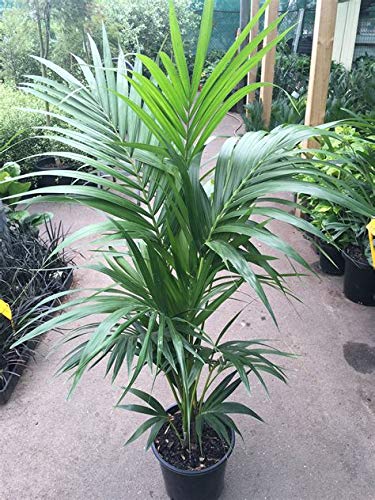
Types of Indoor Palm Plants: A Guide to 10 Beautiful Varieties for Your Home

Indoor palm plants bring a touch of the tropics to any home. These elegant plants can really transform a space with their lush, arching fronds and striking silhouettes.

They’re not just beautiful—I’ve noticed they’re surprisingly adaptable to indoor conditions too.

Several types of palm plants thrive indoors, including Parlor Palms, Areca Palms, Chinese Fan Palms, Kentia Palms, and Bamboo Palms. Each variety offers something unique, making it suitable for different spaces and care levels.

The Parlor Palm is perfect for low-light areas. Areca Palms need brighter conditions to really shine.

I honestly think houseplants like indoor palms do more than just decorate—they purify air and create a calming vibe. Whether you live in a tiny apartment or a sprawling home, an indoor palm probably fits your needs.

From the tall, statement-making Majesty Palm to the compact Cascade Palm, these tropical treasures are versatile additions to any indoor garden.

What Are Indoor Palm Plants?

Indoor palms bring tropical beauty into homes and offices. They’re surprisingly adaptable and add a natural accent to any room, without the fuss some tropical plants demand.

Defining Indoor Palm Plants

Indoor palm plants are tropical or subtropical species from the Arecaceae family. They’ve been adapted to grow inside homes and buildings.

Unlike their outdoor cousins that can reach towering heights, indoor palms are usually smaller varieties or slow growers that stay manageable in containers.

Some popular indoor palms include the Parlor Palm, Areca Palm, Chinese Fan Palm, and Ponytail Palm (which, fun fact, isn’t technically a true palm). These plants thrive in lower light and adapt to stable indoor temperatures.

What sets indoor palms apart from other houseplants? It’s those distinctive fronds and that instantly vacation-like atmosphere they create—at least, that’s how I see it.

Benefits of Growing Indoor Palms

Indoor palms offer plenty of perks beyond just looking good. Many varieties act as air purifiers, removing toxins like formaldehyde and carbon monoxide from the air.

Palms also add humidity to dry indoor spaces, which helps with respiratory comfort and prevents dry skin. Their lush foliage can even help absorb sound, making busy spaces feel a bit more peaceful.

I’ve noticed they work well as focal points or to complement existing décor. Their architectural shapes add visual interest without taking over the room.

Many indoor palms are pretty low-maintenance, making them a solid choice for both plant newbies and seasoned green thumbs.

Common Characteristics of Indoor Palms

Indoor palms share some key traits that make them easy to spot and great for indoor growing. Most have those fan-shaped or feather-like fronds that grow from a central point.

The fronds are deep green, bluish-green, or even variegated depending on the species. Many palms grow from a single trunk or multiple stems in a clumping pattern.

  • They usually prefer bright, indirect light (some handle lower light, though)
  • Consistent moisture with good drainage is best
  • They need protection from cold drafts and temperature swings
  • Moderate humidity helps, but most adapt to typical indoor air

In my experience, indoor palms grow slowly, which keeps them the right size for indoor spaces. Their upright growth makes them perfect for corners or spots where you want some height without using up all your floor space.

Popular Types of Indoor Palm Plants

Palm plants add a tropical feel to indoor spaces. They’re pretty easy to care for, and several varieties have become favorites for their looks and adaptability.

Areca Palm (Dypsis lutescens)

The Areca Palm is a classic indoor palm. It has feathery, arching fronds that instantly create a tropical vibe.

This palm grows in clumps, with multiple stems coming up from the base. Areca Palms like bright, indirect light but can handle moderate light too.


Shop Succulents Areca Palm, Live Indoor Plant, Low Maintenance Tropical Palm, Ideal for Home Decor, Office, and Room Enhancement, 6 Inch Nursery Pot

They don’t love low light, though—it leads to yellowing fronds and slow growth. I let the top inch of soil dry out before watering and cut back on watering in winter to avoid root rot.

Areca Palms can grow 6-7 feet tall indoors, so they’re great statement plants. They’re also known for their air-purifying abilities—a big plus in my book.

Parlor Palm (Chamaedorea elegans)

The Parlor Palm has been a beloved houseplant since Victorian times. Its compact size and tolerance for indoor life make it ideal for apartments and small spaces.

This palm shows off delicate, dark green fronds on thin stems and usually grows 2-4 feet tall indoors. I like how tidy it stays, even as it ages.


Chamaedorea Elegans Parlor Palm, Neanthe Bella Palm in 4" Pot

Parlor Palms are extremely shade-tolerant. I’ve grown them in north-facing windows and rooms with barely any sunlight, and they still do well.

They like consistent moisture but hate soggy soil. I water mine when the top inch is dry, and while they love humidity, they do just fine in most homes.

Kentia Palm (Howea forsteriana)

The Kentia Palm might just be the most elegant indoor palm out there. Its upright growth and dark green, feathery fronds look sophisticated—no wonder you see them in fancy hotels and offices.


American Plant Exchange Kentia Palm – 10-Inch Pot – Live Tropical Houseplant with Arching Green Fronds, Pet-Friendly Easy Care Indoor Palm for Home, Office, Apartment & Décor

Kentia Palms are tough and forgiving. They handle low light, dry air, and even a bit of neglect, which makes them a lifesaver for beginners.

They’re slow-growing but can live for decades indoors. Kentias can reach 10 feet tall, but they grow slowly enough that you don’t have to worry about them taking over too fast.

These palms like being a bit root-bound and don’t need repotting often. I water mine thoroughly when the top 1-2 inches of soil are dry.

Lady Palm (Rhapis excelsa)

The Lady Palm stands out with its fan-shaped fronds, each split into segments. It grows in clumps, with multiple stems creating a dense, shrubby look.

This palm adapts to a wide range of light conditions. I’ve grown them in everything from bright, indirect light to moderately low-lit corners. They’re perfect for those tricky spots in your home.


American Plant Exchange Lady Palm – 6-Inch Pot – Live Easy Care Indoor Houseplant, Air-Purifying, Low-Light Tropical Palm for Home, Office, Apartment, and Indoor Décor

Lady Palms are among the most drought-tolerant indoor palms. I let the soil dry about halfway down the pot before watering, and they’re pretty resistant to pests and disease—maintenance is a breeze.

They grow slowly, usually reaching 4-6 feet indoors over several years. Thanks to their natural multi-stemmed growth, even smaller plants look impressively full.

Other Notable Indoor Palm Varieties

Beyond the classic parlor and areca palms, there are several other varieties that work beautifully as houseplants. These unique palms come in different shapes, sizes, and care needs to fit all sorts of indoor environments.

Pygmy Date Palm (Phoenix roebelenii)

The Pygmy Date Palm is like a mini version of those towering date palms you see in tropical cities. Indoors, it grows only 6-12 feet tall and has graceful, feathery fronds arching from multiple stems.


Roebellenii Palm - Live Palm Tree Plant - 3 Gallon Pot - Overall Height 30" to 34" - Tropical Plants of Florida (Plant Only)

I like using these palms in corners or as statement pieces in living rooms. They prefer bright, indirect light but can handle some gentle morning sun. Water when the top inch of soil is dry, and keep the humidity moderate.

Pygmy Date Palms grow slowly, so they’re easy to manage long-term. The spiny leaf bases can be a little prickly to deal with during maintenance—just something to keep in mind.

Care requirements:

  • Light: Bright indirect to partial direct sun
  • Water: Moderate, let soil dry a bit between waterings
  • Humidity: Average to high
  • Temperature: 65-85°F (18-29°C)

Sago Palm (Cycas revoluta)

The Sago Palm isn’t actually a true palm—it’s a cycad, a plant group that’s been around since before the dinosaurs. It has a thick trunk topped with stiff, feather-like fronds arranged in a circle.

Sago Palms grow at a snail’s pace, adding just 1-2 new fronds a year. That makes them perfect if you want a plant that won’t outgrow its spot any time soon. Their prehistoric look always sparks conversation.


Costa Farms Sago Palm Live Plant | 1 Foot Tall | Easy to Grow Live Indoor Houseplant in 6-Inch Decorative Plant Pot | Unique Housewarming or Birthday Gift | Office, Room and Home Decor

I have to warn you—all parts of Sago Palms are highly toxic to pets and kids. Definitely keep them out of reach if you have curious animals or little ones running around.

They like bright, indirect light and can go a while without water. Sago Palms are tough, but they won’t thrive in low light or with irregular watering.

Important note: Water sparingly, especially in winter. Overwatering is the number one killer of Sago Palms indoors.

Ponytail Palm (Beaucarnea recurvata)

The Ponytail Palm isn’t a true palm either, but its look is definitely palm-like. Its big, swollen base stores water, and long, ribbon-like leaves cascade from the top.

I love how forgiving Ponytail Palms are for beginners. They shrug off neglect, drought, and low humidity like it’s nothing. The base kind of looks like a green-topped onion—quirky, but charming.


PERFECT PLANTS Ponytail Palm | Beaucarnea Recurvata | 10in Tall | Easy Care Houseplant | Perfect for Bright Light Conditions, 6 in Grower's Pot, | Air Purifying

These plants want bright light but can also handle medium light. The trunk stores water, so they’re drought-resistant. I only water when the soil is bone dry.

Ponytail Palms grow slowly and rarely need repotting. They can live for decades in a pot, and their unique style perfectly fits modern and minimalist spaces.

Cat Palm (Chamaedorea cataractarum)

Cat Palms are bushy, clumping palms that add a lush, tropical vibe indoors. Instead of a single trunk, they have multiple stems, giving them a fuller look.

These palms are especially well-suited to average home conditions. They handle normal humidity better than many tropical palms, and their rich green, feathery fronds add a soft touch to any room.


Costa Farms Cat Palm, Live Indoor Houseplant in Garden Plant Pot, Floor House Plant Potted in Potting Soil, Housewarming Gift for New Home, Living Room, Office, Patio Palm Tree Decor, 3-4 Feet Tall

Cat Palms like consistent moisture but hate soggy soil. I water when the top inch is dry and make sure they have good drainage. They love bright, filtered light but will scorch in direct sun.

They grow at a moderate pace, usually reaching 4-6 feet tall indoors. They’re best on the floor, not the tabletop. Regular misting keeps them looking their tropical best and helps ward off spider mites.

Palm Tree Families Commonly Grown Indoors

Several palm families adapt well to indoor life, bringing tropical elegance to homes without needing intense sunlight or high humidity. Fan palms and bamboo palms stand out as favorites—they look great and don’t ask for much in return.

Fan Palm Species

Chinese Fan Palm (Livistona chinensis) does well indoors by large south-facing windows. These palms develop striking fan-shaped fronds that really stand out in living rooms or entryways.

They grow slowly and usually reach 6-10 feet indoors. That makes them a solid choice if you want something that lasts for years.


Chinese Fan Palm Tree, Livistona chinensis - Tropical Indoor/Outdoor Live Tree, Exotic Houseplant with Large Fan-Like Leaves, Low Maintenance Garden and Patio Accent (6in Pot; 20-24in)

Lady Palms (Rhapis excelsa) come in both standard and miniature versions, and both work great inside. Their fingered leaves hold up better to dry air than most indoor palms.

I tend to suggest Lady Palms for beginners since they handle lower light and missed waterings without much fuss. They’re pretty forgiving compared to fussier palms.

European Fan Palm (Chamaerops humilis) brings silvery-green, fan-shaped leaves and stays fairly compact. These sturdy palms put up with temperature swings better than most tropical types.

Bamboo Palms

Bamboo Palm (Chamaedorea seifrizii) isn’t actually a bamboo, but its reed-like stems explain the name. I’ve seen these palms thrive in bright, indirect light, but they’ll put up with medium light too.

They usually reach 4-7 feet tall indoors and have delicate, arching fronds. Cat Palm (Chamaedorea cataractarum) is from the same family and offers dense, bushy foliage that looks great in corners or as a divider.


Costa Farms Bamboo Palm, Easy to Grow Houseplant, Live Indoor Plant Potted in Decor Plant Pot, Room or Office Decor, 3-4 Feet Tall

Cat Palms like steady moisture and higher humidity than some other indoor palms. Parlor Palm (Chamaedorea elegans) has been a houseplant staple since the Victorian era.

Its compact size (typically 2-4 feet indoors) makes it ideal for tabletops or tight spaces. It’s one of the few palms that really tolerates low light.

Choosing the Right Indoor Palm for Your Home

Picking the right palm really comes down to your space and what you like. Indoor palms add a tropical vibe, but their needs and looks can be pretty different.

Light and Space Requirements

Each palm variety has its own light preferences. Parlor palms (Chamaedorea elegans) do well in low light, so they’re perfect for dim corners or offices.

They’ll even get by with just fluorescent lights. Areca palms want bright, indirect light to keep their color, so I put them near east or west-facing windows.

Ceiling height matters, too. Chinese fan palms need more vertical room as they shoot up, while apartments with low ceilings do better with compact types like the Neanthe Bella palm.

Most palms like humidity, so bathrooms with windows or kitchens can be great spots. If your place is dry, try a humidifier or set the pot on a pebble tray with water.


Costa Farms Parlor Palm, Neanthebella, Easy to Grow Houseplant Potted in Décor Plant Pot, Everyday Gift for Mom, For Wife, From Daughter, Son, Room or Home Decor, 1 Foot Tall

Growth Habits and Mature Size

Palm growth rates vary widely. Parlor palms grow slowly and usually top out at 3-4 feet indoors, even after years.

That makes them easy to keep around without worrying about them taking over. Areca palms grow faster and can hit 6-7 feet indoors, so plan their spot carefully.

Cat palms have a bushier look with multiple stems, giving them a fuller presence than single-trunk palms. Indoors, they typically reach about 4-6 feet.

When I buy a palm, I look for healthy green leaves and avoid brown tips. Young palms usually settle into indoor life better than mature ones freshly moved from a greenhouse.

Visual Appeal and Decorative Uses

Palms bring their own flair to any room. With their dramatic fronds, Chinese fan palms make a bold statement in modern spaces.

They’re great as solo showpieces. For a more tropical look, I like grouping different palms together—try a tall Areca with a shorter Lady Palm for a lush, layered effect.

Ponytail palms are fun, too. Their bulbous bases and flowing leaves look great on tabletops in bright spots, even though they’re actually succulents, not true palms.

Container style matters. Woven baskets highlight that tropical feel, while sleek ceramics fit modern décor. Always make sure pots have drainage holes—palms hate soggy roots.

Palms can soften hard lines in spaces like stairs or entryways. Their fronds add a gentle sense of movement and life.

Essential Care Tips for Indoor Palm Plants

Caring for palms inside isn’t complicated, but you do need to pay attention to a few basics. They want the right mix of water, light, and environment to stay happy.

Watering and Moisture Needs

Getting the watering right is key for palm health. Most indoor palms like their soil evenly moist—not bone dry, but not swampy either.

I poke my finger into the top inch of soil; if it’s dry, I water. In winter, I cut back on watering since growth slows, but I never let them dry out completely.

Overwatering is a classic mistake. Yellowing leaves and mushy stems are the warning signs. Underwatered palms usually get brown leaf tips.

I always use room temperature water and make sure the pot drains well. I water thoroughly so it runs out the bottom, then empty the tray so roots aren’t sitting in water.

Humidity and Temperature Preferences

Palms come from tropical and subtropical places, so they crave humidity. I aim for 40-60% humidity for best results.

When my home’s air gets dry—especially in winter—I run a humidifier or set the palm on a pebble tray with water. I keep palms away from heating vents, air conditioners, or drafty windows because dry air stresses them out.

Most indoor palms like daytime temps between 65-80°F and won’t tolerate anything below 55-60°F at night. If leaf tips start browning, it usually means the air’s too dry.

Soil and Potting Considerations

I use a loose, well-draining potting mix—regular soil mixed with perlite or sand works fine. This keeps roots from getting waterlogged but still holds enough moisture.

When I repot, I increase the pot size by just 1-2 inches. A pot that is too big holds extra water and can cause root rot.

I usually repot every 2-3 years or when roots poke out of the drainage holes. Spring is the best time since the palms start growing again.

When moving them, I try not to disturb the roots too much. After repotting, I let the palm settle in for a week before fertilizing to avoid stressing it.

Common Challenges with Indoor Palms

Indoor palms can look amazing, but they do have a few common problems. I check my palms often to catch issues early.

Pests and Disease Prevention

Spider mites and mealybugs are the main pests that bug indoor palms. They can multiply fast if you don’t catch them early.

I check leaf undersides weekly for webbing or cottony spots. To keep pests away, I wipe leaves with a damp cloth, keep humidity up (mites hate moisture), and isolate new plants before adding them to my collection.

Root rot is the main disease to watch out for, usually from overwatering. Good drainage and letting the soil dry a bit between waterings helps a lot.

If pests get out of hand, insecticidal soap or neem oil does the trick without hurting the palm.

Fertilization and Nutrient Deficiencies

Palms in pots can become depleted of nutrients over time. Yellow or brown fronds often indicate that they’re missing something important.

Most palms do well with a slow-release fertilizer made for palms, applied every 2-3 months during the growing season. I cut back on feeding in winter.

Magnesium deficiency is pretty common—yellow bands along the leaf edges are the giveaway. I mix a tablespoon of Epsom salts into a gallon of water once a month to prevent this.

Too much fertilizer is worse than too little. If the leaf tips were brown right after feeding, you probably overdid it.

Leaf Browning and Yellowing Issues

Yellow or brown leaves usually mean you’re watering or lighting wrong. Overwatering leads to yellow lower leaves, while not enough water causes brown, crispy tips.

For healthy fronds, water thoroughly but let the top inch of soil dry out between waterings. Keep palms in bright, indirect light—direct sun just burns them.

Keep them away from heating vents and AC units. Low humidity also causes brown tips, so I use pebble trays or a humidifier in winter when the air’s extra dry.

Old fronds naturally turn yellow and die off. I only trim them once they’re totally brown so I don’t stress the plant.

Differences Between Palms and Other Popular Houseplants

Palms are popular for indoor spaces, but they’re pretty different from other houseplants. Their growth, care needs, and looks set them apart from things like dracaenas and ferns.

Palm vs Dracaena

People often mix up palms and dracaenas since both can have tall, slender trunks and leafy tops. But they’re from different plant families, and there are some key differences.

Palms have fronds (fan or feather-shaped) that grow from a central point. Dracaenas have sword-like leaves that spiral around the stem or sprout from cane tops.

Palms usually need more humidity, while dracaenas handle dry spells better and bounce back from neglect more easily. Palms grow from a single point and don’t branch, but you can prune dracaenas to get them to branch out.

Light needs:

  • Palms: Most need bright, indirect light, but it depends on the species
  • Dracaenas: Usually more tolerant of low light


Fountain Palm Tree - Fan Palm - Overall Height 30" to 32" - Large Plant - Houseplant - Tropical Plants of Florida (Plant Only)…

Palm vs Ferns and Other Non-Palms

Palms stand out from ferns and other houseplants in a few big ways. Their structure is a giveaway—palms grow from a single point with fronds radiating out, while ferns have many growing points and send up delicate fronds from rhizomes or crowns.

Palms grow slowly—sometimes painfully so. A pothos might trail for feet in a year, but a palm might only put out a couple of new fronds.

Palms don’t need much pruning; just snip dead fronds. Ferns and other fast growers often need regular trims to stay tidy.

Growth characteristics:

  • Palms: Single growing point, no branching, slow growers
  • Other plants: Multiple growing points, can spread or trail, usually with faster growth

Most palms have deeper root systems, so they need deeper pots than a lot of typical houseplants.

Frequently Asked Questions

Indoor palms add tropical flair to homes and aren’t too hard to keep happy. There are lots of types and sizes, and each has its own quirks and care needs.

What are the common varieties of indoor palm plants?

Plenty of palm varieties do well indoors. The Parlor Palm (Chamaedorea elegans) is a great pick for beginners—it’s adaptable and stays pretty compact. Chinese Fan Palms have wide, fan-shaped fronds that create a dramatic look. They really stand out in a room. Cat Palms, sometimes called Cascade Palms, grow in stemless clumps. They’re flexible and handle various indoor conditions, making them a favorite for many homes. Other popular indoor palms include the Areca Palm, Kentia Palm, and Majesty Palm. Each one adds its own tropical vibe to your space.

How do you care for indoor palm plants?

Most palms want bright, indirect light. Direct sun can scorch their fronds, but too little light slows growth and makes leaves pale. Water when the top inch of soil feels dry to the touch. Palms like steady moisture, though too much water is a recipe for root rot. Keep humidity up around your palms. Misting or running a humidifier helps a lot, especially in winter when indoor air dries out. During spring and summer, feed your palms with a balanced fertilizer every couple of months. That keeps growth healthy and steady.

What benefits do indoor palm plants provide?

Palms help clean the air by removing toxins like formaldehyde and benzene. That’s a pretty nice bonus for indoor living. They add moisture to the air through transpiration, which comes in handy when heating or AC dries things out. With their tropical, calming look, palms make interiors feel more relaxed. I think they even help reduce stress a bit. Their graceful shape works with so many design styles, whether you’re into minimalism or something more boho.

How often should indoor palm plants be repotted?

Palms grow slowly, so you usually only need to repot them every three or four years. That makes them pretty low-maintenance. If you see roots poking through the drainage holes or the plant starts tipping over, it’s time for a bigger pot. When you repot, go just one or two inches up in pot size. Too much extra soil can hold water and cause problems. Use well-draining potting mix made for palms, or mix regular soil with perlite or sand if you’re feeling DIY.

Which indoor palms require the least amount of sunlight?

The Parlor Palm handles low light like a champ. It’s perfect for those dim corners or rooms that don’t get much sun. Kentia Palms are also pretty forgiving, doing well in low to medium light. They’re a solid pick for north-facing windows. Chinese Fan Palms get by on moderate indoor light. They don’t demand as much brightness as some other palms. Lady Palms (Rhapis) keep their elegant, fan-shaped fronds even in shadier spots. They’re surprisingly tough.

What is the best way to display indoor palm plants?

Taller palms like Kentia or Majesty look fantastic in floor planters. They make a bold statement in living rooms or entryways. Smaller ones, like Parlor Palms, shine on tabletops, shelves, or plant stands. It’s nice to see their delicate fronds up close. Try grouping palms with other tropical plants. It creates a lush, almost jungle-like display that’s hard to resist. Pick decorative pots that fit your style, but make sure they have drainage holes. That’s key for healthy roots. Palms are great for softening harsh corners or filling up empty spaces that just need a splash of green.

Types of Indoor Palm Plants

Conclusion

Indoor palm plants bring tropical beauty and a breath of fresh air into any home.

From the ever-popular Areca Palm to the graceful Kentia Palm, there’s something for every space and lighting situation.

I’ve noticed that palms like the Bamboo Palm and Chinese Fan Palm work really well for beginners. They’re forgiving if you slip up on care now and then, and they settle into indoor life without much drama.

If you want your palms to thrive, pay attention to the basics: bright, indirect light, steady moisture, and keeping them away from chilly drafts.

Most indoor palms seem happiest between 65-80°F. Too cold, and they start to sulk.

Growth rates vary a lot—Majesty Palms, for example, take their sweet time and stay pretty manageable. Others might surprise you and outgrow their pots before you know it.

Palm plants aren’t just about looks. They quietly filter out some household toxins and add a bit of humidity, which is a bonus if your air gets dry.

Low-light corners? Lady Palms or Kentia Palms can handle that. Got a sunnier spot? Try a Pygmy Date Palm or even a Traveller’s Palm, if you’re feeling adventurous.

vegetable garden ideas

10 Vegetable Garden Layout Ideas