
Eggplant is a hungry, warm-season crop, and steady feeding is one of the simplest ways to get more fruit from each plant.
To fertilize eggplant well, work compost and a balanced fertilizer into the bed at planting, side-dress when the first fruits set, and then feed every 3 to 4 weeks until growth slows in fall.
That plan works in most US gardens. The details shift with your soil, your rainfall, and whether the plants grow in the ground or in a pot.
Good eggplant fertilization keeps the plant producing flowers and fruit. Too much food, especially nitrogen, gives you a big leafy bush with very little to pick.
When Should You Fertilize Eggplant?
Eggplant needs food at three points: before planting, when fruit first sets, and on a steady schedule after that. A slow start in rich soil carries plants through early growth, and later feedings replace what heavy fruiting uses up.
Before Planting and at Transplanting
I’d start a week or two before planting by working 2 to 3 inches of compost into the top 6 to 8 inches of soil. Compost feeds the soil slowly and helps it hold water evenly, which eggplant loves.
At transplant time, mix a balanced slow-release fertilizer into the bed at the label rate. A common garden rate for a 10-10-10 granular product is 2 to 4 pounds per 100 square feet, worked in well.
Timing your planting helps too. Eggplant goes out 2 to 3 weeks after your last frost, once nights stay above 55°F and the soil reaches at least 60°F. My notes on the best time to plant eggplant cover regional timing in more detail.
When the First Fruits Set
Your first side-dressing goes on when you see small eggplants forming behind the faded flowers. This is when the plant’s demand for food jumps.
Scatter a balanced or lower-nitrogen granular fertilizer in a ring 6 to 8 inches from the stem. Scratch it lightly into the soil and water it in deeply. A typical side-dress rate is 1 to 1½ pounds per 100 square feet of bed.
Every 3 to 4 Weeks Until Growth Slows
After that first side-dress, feed every 3 to 4 weeks while the plants keep flowering and fruiting. Most varieties produce for 60 to 80 days or more after transplanting, so that adds up to several feedings.
If you used a slow-release product at planting, one mid-season top-up is often enough. Check the label for how long it lasts. Liquid feeds run out faster and need repeating every 2 weeks.

| Stage | What to Apply | How |
|---|---|---|
| 1 to 2 weeks before planting | Compost, 2 to 3 inches | Dig into top 6 to 8 inches |
| Transplanting | Balanced slow-release fertilizer | Mix into bed at label rate |
| First fruit set | Balanced or low-nitrogen granules | Side-dress 6 to 8 inches from stem |
| Every 3 to 4 weeks after | Same as above | Side-dress and water in |
What Should a Soil Test Tell You Before Feeding?
A soil test shows your pH and your main nutrient levels, so you know what to add and what to skip. Without one, you’re guessing, and many home gardens already hold plenty of phosphorus.

Check Nutrients and Aim for a pH of 6.0 to 7.0
Eggplant grows best in soil with a pH of 6.0 to 7.0. Outside that range, roots struggle to take up nutrients even when they’re in the soil.
If your pH is below 6.0, the test report will suggest a lime rate to raise it. If it’s above 7.0, sulfur lowers it slowly. Apply either one in fall or early spring so it has time to work.
Look at the report’s phosphorus and potassium readings too. If either is “high” or “excessive,” choose a fertilizer with a low middle or last number. I’d test every 2 to 3 years, or sooner if plants look poorly.
Build Fertile, Well-Drained Soil Before Planting
Healthy soil for eggplant is loose, rich in organic matter, and drains well after rain. Soggy ground leads to weak roots, which then can’t use the fertilizer you give them.

Work in compost or well-rotted manure each spring. Aged manure should sit at least 6 months before use, because fresh manure can burn roots and carry germs. Composted manure from a bag is ready to use as sold.
In heavy clay, raised beds help water drain. In sandy soil, extra compost each year holds moisture and nutrients longer.
Which N-P-K Ratio Works Best for Eggplant?
A balanced blend such as 10-10-10 is the safest choice for eggplant when you don’t know your soil’s nutrient levels. Once you have test results, you can switch to a ratio that fills the gaps.
Use a Balanced Blend When Soil Nutrients Are Unknown
The three numbers on a bag stand for nitrogen, phosphorus, and potassium. Nitrogen builds leaves and stems. Phosphorus supports roots and flowers. Potassium helps fruit size, quality, and the plant’s strength.
The best fertilizer for eggplant in an untested bed is a balanced product like 10-10-10 or 8-8-8. A tomato fertilizer also works well, since eggplant and tomatoes are close cousins with similar needs.
That’s also why you can plant tomatoes and eggplant together and feed them the same way.
Match Later Feedings to Soil Results and Plant Growth
Once fruit sets, I like a product with less nitrogen than potassium, such as 5-10-10. That keeps the plant focused on fruit.
Watch the plants and adjust. If leaves are pale and growth is slow, a balanced feed helps. If the plant is huge and dark green with few flowers, cut nitrogen.
If your test shows high phosphorus, pick a blend with a low middle number. If potassium is low, pick one with a higher last number, like 5-5-15.
Which Organic Fertilizers Are Worth Using?
Compost and composted manure are the organic fertilizers I’d lean on first. Specialty products like fish emulsion and bone meal belong in the plan only when you have a specific reason.
Start with Compost and Composted Manure
Compost feeds eggplant slowly all season and improves soil structure at the same time. It also feeds soil life, which helps release nutrients to roots.
Composted manure adds a little more nitrogen than plain compost. Use 1 to 2 inches worked into the bed, or spread it as a side-dress later in the season.
If you want more help building rich beds, my guide on how to mulch your vegetable garden shows how organic mulch feeds soil as it breaks down.
Natural fertilizers release food more slowly than synthetic fertilizers. That lowers the risk of burn but means you should apply them a bit earlier.
Use Fish Emulsion or Bone Meal Only for a Specific Need
Fish emulsion is a quick liquid source of nitrogen. It’s handy if young plants look pale after a cool, wet spring. Mix it at label strength and pour it at the base.
Bone meal is high in phosphorus and contains calcium. Add it only if your soil test shows low phosphorus. Many gardens already have plenty, and extra phosphorus builds up over time.
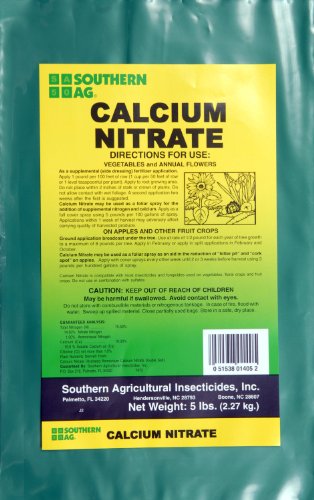
Synthetic fertilizer works fine for eggplant too. The plant takes up the same nutrients either way, so choose based on your soil and your preference.
How Do You Apply Fertilizer Without Harming Roots?
The safest way is to place fertilizer a few inches from the stem and water it in well. Eggplant roots are fairly shallow, so salts in fertilizer can damage them if piled close.
Side-Dress Granules Away from the Stem
Here’s how I’d side-dress granular fertilizer:
- Water the bed the day before if the soil is dry.
- Measure the label amount for each plant.
- Sprinkle it in a ring 6 to 8 inches from the stem.
- Scratch it into the top inch of soil with a hand fork.
- Water deeply so it reaches the root zone.
Keep granules off leaves and stems. If any land on foliage, brush or rinse them off.
Dilute Liquid Feed and Water It into the Soil
Liquid fertilizer works fast and suits plants that need a quick lift. Always mix it at the label rate or weaker, never stronger.
Pour it around the base onto moist soil. Feeding a wilted, bone-dry plant raises the chance of root burn. Manure tea works the same way; dilute it to the color of weak tea before use.
Treat Foliar Sprays as a Supplement, Not a Routine Feed
Foliar feeding means spraying diluted fertilizer on leaves. Leaves absorb only small amounts, so it can’t replace soil feeding.
I’d save foliar sprays for a confirmed shortage of a trace nutrient. Spray in early morning, below 85°F, to avoid leaf scorch.
How Do You Feed Eggplant in Containers?
Potted eggplant needs more frequent feeding than garden plants because the soil holds a small supply and watering flushes it out. A big pot and a steady liquid schedule solve most problems.
Begin with a Large Pot and Fresh Potting Mix
Give each plant at least a 5-gallon pot with good drainage holes. Bigger is better, since more soil holds more water and food.
Fill it with fresh potting mix, not garden soil. Many mixes include a starter fertilizer that lasts a few weeks. Add a slow-release fertilizer at the label rate for longer feeding. If you’re starting from scratch, see how to grow eggplant from seed in pots.