
Growing eggplants in raised beds creates the perfect environment for these heat-loving vegetables to thrive. The controlled soil conditions and improved drainage help eggplants develop strong root systems and produce abundant harvests.
The best companion plants for eggplants in raised beds include marigolds, bush beans, peppers, and sweet alyssum – these plants help repel pests, fix nitrogen in the soil, and create beneficial growing conditions. These carefully chosen plant partners work together to form a productive mini-ecosystem in your garden space.

A raised bed that’s at least 18 inches deep gives eggplants plenty of room to establish their roots while growing alongside their companion plants. The combination of proper depth and strategic plant placement helps gardeners maximize their growing space while creating optimal conditions for a successful eggplant harvest.
Understanding Companion Planting
Companion planting helps create a balanced garden ecosystem by placing plants together that support each other’s growth, deter pests, and enhance pollination.
Benefits of Companion Planting
Companion planting boosts garden health in several ways. Plants like marigolds and nasturtiums naturally repel harmful insects from eggplants through their scent and chemical compounds.
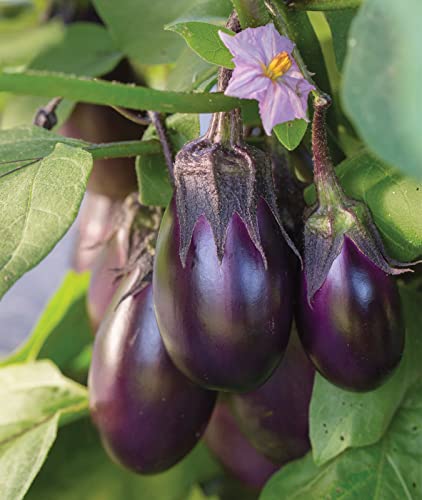
Some companion plants attract beneficial insects that eat garden pests. These helpful bugs include ladybugs, praying mantises, and parasitic wasps.
The right plant combinations can improve pollination. Flowers like calendula and borage bring in bees and butterflies that help eggplants produce more fruit.
Principles of Companion Planting
Good companion plants share space efficiently. Tall plants provide shade for shorter ones, while shallow-rooted plants work well with deep-rooted neighbors.
Plant spacing matters. Each plant needs enough room to grow without competing for water and nutrients. Space companions 12-18 inches apart from eggplants.
Some plants make poor companions. Black walnut trees produce chemicals toxic to eggplants. Lentils can overshadow and compete with eggplants for resources.
Select plants that have varying nutrient requirements. This prevents competition in the soil and helps maintain the health of the garden.
Best Companion Plants for Eggplant
Growing eggplant with suitable companion plants creates a thriving garden space that maximizes yields and protects against pests naturally. The right companions add nutrients, deter harmful insects, and attract beneficial pollinators.

Legumes and Nitrogen Fixation
Beans and peas make excellent eggplant companions by enriching the soil. These legumes fix nitrogen from the air into the soil through special root nodules.
Bush beans work best since they stay compact and don’t compete for space. Plant them 6-8 inches away from eggplants.
Green beans, snap peas, and pole beans all boost nitrogen levels that eggplants need for healthy growth and fruit production.
Flowering Companions for Pest Control
Marigolds repel nematodes and other harmful insects with their strong scent. Plant them in a border around eggplants for protection.
Nasturtiums act as trap crops for aphids, keeping the pests away from eggplants. Their bright flowers also attract helpful pollinators.
Calendula and borage attract bees and other pollinators while deterring problematic insects. These flowers add color and function to the garden bed.
Herbs as Eggplant Companions
Basil helps eggplants develop better flavor while repelling flies and mosquitoes. Plant it 12 inches from eggplants.
Oregano and thyme create a protective ground cover that holds moisture and blocks weeds. Their strong scents mask eggplant smells from pests.
Chives improve the growth and taste of nearby eggplants. The purple blooms attract pollinators and their scent deters aphids.
Plants to Avoid with Eggplant
Some plants can harm eggplants when grown too close together in a raised bed. Learning which ones to avoid helps create a healthy garden space.
Fennel is one of the worst companions for eggplant. It releases chemicals that slow down the growth of nearby plants and can reduce eggplant yields.
Cucumbers need to be planted away from eggplants. They compete for the same nutrients and water, which can lead to smaller harvests for both plants.
Other plants to keep separate from eggplants include:
- Potatoes
- Corn
- Sweet potatoes
- Brassicas (cabbage, broccoli, cauliflower)
These plants either compete for resources or attract pests that can damage eggplants. A space of at least 2-3 feet between eggplants and these unfriendly neighbors helps prevent problems.
Many gardeners make the mistake of planting potatoes near eggplants. While they’re related plants, they fight for the same nutrients and can spread diseases to each other.
Maximizing Garden Space
Smart planning in raised beds lets you grow more eggplants alongside other vegetables in a compact area. Good soil and strategic plant placement increase your harvest in small spaces.

Intercropping Strategies
Plant fast-growing leafy greens like spinach and lettuce between eggplants. These crops will be ready to harvest before the eggplants need the extra space.
Short plants work best near the edges of raised beds, while taller plants should go in the middle to prevent shading. Place eggplants 18-24 inches apart.
Compatible plants that grow well with eggplant include:
- Bush beans
- Shallow-rooted herbs
- Compact peppers
- Quick-growing radishes
Raised Beds and Soil Considerations
Eggplants need 18 inches of soil depth for strong root growth. Fill raised beds with rich, well-draining soil mixed with compost.
Add a 2-inch layer of mulch around plants to retain moisture and block weeds. This helps maximize the water and nutrients available to your plants.
Raised beds should receive 6-8 hours of direct sunlight daily. Position taller plants on the north side to prevent shading shorter companions.
Apply balanced organic fertilizer when planting and again when eggplants start flowering. This ensures all plants get enough nutrients in the shared space.
Pest and Disease Management
Smart pest control and disease prevention strategies help eggplants stay healthy and productive in raised beds. Companion planting and natural solutions are often more effective than chemical alternatives.

Natural Enemies of Pests
Ladybugs eat aphids and other soft-bodied insects that harm eggplants. Adding flowers like marigolds and nasturtiums brings these helpful bugs to your garden.
Praying mantises and parasitic wasps hunt many eggplant pests, including tomato hornworms and flea beetles. These beneficial insects provide free pest control.
A layer of straw mulch around eggplants creates shelter for ground beetles. These beetles eat slug eggs and other pest larvae at night.
Preventing Common Diseases
Good air flow between plants stops many fungal diseases. Space eggplants 18-24 inches apart in raised beds.
Clean tools between uses to avoid spreading disease. Wipe cutting tools with rubbing alcohol or diluted bleach solution.
Remove infected leaves right away. Put them in sealed bags, not the compost pile, where diseases can spread.
Water the soil, not the leaves. Wet foliage leads to leaf spots and other fungal problems. Use drip irrigation or soaker hoses.
Plant disease-resistant eggplant varieties like Black Beauty and Epic when possible. They fight off common issues better than other types.
Harvesting and Garden Care Tips
Proper care and harvesting techniques keep eggplants healthy and productive throughout the growing season. Regular maintenance and correct harvest timing leads to bigger yields and healthier plants.
Ensuring a Bountiful Harvest
Pick eggplants when the skin looks glossy and feels firm to the touch. Most varieties reach 6-8 inches in length when ready.
Press gently on the fruit’s skin with your thumb – if it springs back, it’s ready to harvest. If the indent stays, wait a few more days.
Use clean, sharp pruning shears to cut fruits about 1 inch above the cap. Don’t pull or twist the fruits off, as this can damage the plant.
Harvest regularly to encourage more fruit production. Don’t let fruits become overripe – they’ll turn dull and seedy.
Ongoing Garden Maintenance
Remove weeds weekly to prevent competition for nutrients and water. Add a 2-3 inch layer of organic mulch around plants to suppress weed growth.
Check plants every few days for pests like flea beetles and aphids. Remove damaged leaves and fruits promptly.
Water deeply at soil level, keeping leaves dry to prevent disease. Plants need 1-1.5 inches of water per week.
Support heavy fruit-bearing branches with stakes or cages. Prune away yellowing leaves and unproductive branches to improve airflow.
Add a balanced organic fertilizer every 4-6 weeks during the growing season. This maintains steady fruit production.
Companion Plant Varieties
Several flowers make excellent companions for eggplants in raised beds. Marigolds protect eggplants by releasing chemicals that repel harmful nematodes and other garden pests. Nasturtiums attract beneficial insects while keeping unwanted bugs away.
Herbs create a helpful environment for eggplants. Basil enhances the flavor of eggplants and promotes their growth while deterring insects. Thyme and oregano also help keep pests away from eggplant plants.
Best vegetable companions include:
- Beans
- Peas
- Spinach
- Peppers
- Tomatoes
The nitrogen-fixing properties of beans and peas help feed nearby eggplants. Spinach acts as a natural ground cover that keeps soil moist and reduces weeds.
Tomatoes and peppers grow well with eggplants since they have similar care needs. They all enjoy warm temperatures and consistent moisture levels.
Plants to avoid near eggplants:
- Potatoes
- Fennel
- Corn
- Dill
These plants either compete for nutrients or can attract pests that damage eggplants. Keeping them separate helps prevent growing problems.
Flowers like calendula and borage attract pollinators that help eggplant production. Their bright blooms bring bees and other beneficial insects to the garden.

Frequently Asked Questions
Growing eggplants with companion plants helps create a balanced garden ecosystem that maximizes space and reduces pest problems. The right plant combinations support healthy growth and better harvests.
Which herbs are considered good companions for eggplant in the garden?
Basil makes an excellent companion herb for eggplant. Its strong aroma helps repel many common garden pests that damage eggplant leaves. Thyme and oregano work well when planted near eggplant. These Mediterranean herbs share similar growing conditions and help protect eggplant from harmful insects.
Are there any disadvantages to planting eggplant and tomatoes together?
Eggplant and tomatoes compete for the same nutrients since they belong to the same plant family. This can lead to reduced growth and smaller harvests for both plants. These plants also share similar pest and disease vulnerabilities. Growing them together increases the risk of problems spreading quickly through the garden bed.
What are some recommended companion plants for eggplant in raised garden beds?
Bush beans make great eggplant companions. They fix nitrogen in the soil and help support eggplant growth without competing for space. Marigolds protect eggplants from nematodes and other soil pests. Their bright flowers also attract beneficial insects that help with pollination.
Can you grow eggplant and okra together successfully?
Eggplant and okra grow well together in raised beds. Both plants enjoy similar warm growing conditions and sunlight requirements. These plants have different nutrient needs and root depths, which means they won’t compete with each other for resources.
What plants should be avoided when planting a raised bed with eggplant?
Corn should not be planted near eggplant. It creates too much shade and competes heavily for nutrients and water. Potatoes and peppers can increase disease risks when planted with eggplant since they’re related plants that share common pest problems.
Is it beneficial to grow zucchini and eggplant nearby?
Zucchini plants spread widely and can overshadow eggplants, reducing their sunlight exposure and growth potential. The large leaves of zucchini also create humid conditions that may increase fungal disease risks for eggplant. Both plants attract similar pollinators and can compete for bee attention during crucial flowering periods.

Conclusion
Growing eggplants with companion plants in raised beds creates a productive and healthy garden space. Proper plant partnerships help control pests, improve soil conditions, and boost harvests.
Marigolds serve as excellent companions by repelling harmful insects while attracting beneficial pollinators. Their bright flowers add beauty to the garden space too.
Some plants need to stay away from eggplants. Potatoes can work if planted at different depths, but asparagus should be grown separately due to soil pH conflicts.
The 18-inch depth of a raised bed gives eggplants plenty of room to develop strong root systems. This depth also allows space for companion plants to thrive alongside them.
Success with eggplants depends on choosing the right plant partners. The best companions include flowers like marigolds, herbs, and compatible vegetables that share similar growing needs.
Remember to space plants properly in the raised bed. Good airflow between plants reduces disease problems and lets each plant access the nutrients it needs to grow well.

Hello there! I’m Elsa, and gardening is my passion. As an avid gardener, I created GardeningElsa.com to share my knowledge and experience with fellow enthusiasts. My website is a comprehensive resource for gardeners of all levels, offering expert advice on a wide range of topics, including plants, flowers, herbs, and vegetable gardening. Whether you’re a beginner looking to start your first garden or a seasoned pro seeking to expand your knowledge, GardeningElsa.com has something for everyone. Read more about me.