
Growing cucumbers on black plastic is one of the simplest ways to get warmer soil, fewer weeds, and cleaner fruit. Cucumbers love heat, and a dark film over the bed traps the sun’s warmth right where the roots need it.
The result is often an earlier harvest and less work all summer.
In this guide, I’ll walk you through the whole process. You’ll learn how to prep the bed, lay the plastic tight, plant through it, and water and feed under it. I’ll also cover heat, pests, and how to clean up when the season ends.
Why Grow Cucumbers on Black Plastic
Black plastic warms the soil, blocks weeds, and keeps fruit off the dirt. For a heat-loving crop like cucumbers, that adds up to faster growth and often a harvest 1 to 2 weeks earlier.
Warmer Soil Means a Faster Start
Cucumbers (Cucumis sativus) are warm-season plants. Frost kills them, and cold soil stalls them. Seeds and roots want soil at least 60°F, and 70°F is better.
Black plastic absorbs sunlight and warms the soil underneath by several degrees. That extra warmth matters most in spring, when air temperatures swing and the ground is slow to heat up.
Warm roots take up water and nutrients more easily. So your plants settle in faster and start running sooner.
Weeds, Clean Fruit and Steady Moisture
Black film blocks light, so most weeds can’t sprout beneath it. You only have to deal with the few that sneak up through the planting holes. That’s a huge time saver in a crop that sprawls and makes weeding awkward.
The plastic also keeps fruit off bare soil. Cucumbers resting on plastic stay cleaner and are less likely to rot where they touch the ground.
Plastic slows evaporation too. Soil under the film stays more evenly moist, and even moisture is key for cucumbers. Drought stress is a common reason fruit turns bitter.
What You’ll Need
You don’t need much gear for this method. Two items do most of the work.
- Black plastic mulch film. Look for rolls made for gardens, usually sold by width and length. A width a couple of feet wider than your bed makes it easy to bury the edges.
- A drip irrigation kit. Drip lines or soaker hoses run under the plastic and deliver water straight to the roots. Without them, watering a covered bed is a real headache.
You’ll also want a sharp knife or bulb planter, a shovel, a rake, and some landscape staples or soil to hold the edges down. If you’re new to mulch in general, my guide on mulching a vegetable garden covers the other options too.

Pros and Cons of Plastic Mulch
Plastic mulch is a strong tool for cucumbers, but it isn’t perfect. It shines in cool springs and short seasons, and it needs care in hot summers.
The Benefits
Here’s what plastic mulch does well for cucumbers:
- Warms the soil by several degrees, which helps early planting.
- Suppresses weeds almost completely between plants.
- Keeps fruit clean and off wet soil.
- Holds moisture by cutting evaporation.
- Often speeds harvest by 1 to 2 weeks.
- Reduces soil splash, which can help keep leaves cleaner.
For gardeners in cooler regions, that early start can make a real difference. It gives you more weeks of picking before fall frost ends the season.
The Drawbacks
Plastic has real downsides, and I think it’s worth being honest about them.
- Plastic waste. Most film lasts one season, maybe two, and then it heads to the trash.
- Cost. Film and drip lines add up, especially for bigger gardens.
- Overheating. In hot summers, soil under black film can get too warm for roots.
- Hard to add dry fertilizer later. You need to feed the soil before you cover it.
- Hiding spots for pests. Moist, sheltered soil at the planting holes can attract pill bugs and slugs.
- Water runs off. Rain hits the plastic and rolls away, so you rely on irrigation.
Plastic Compared to Other Mulches
Here’s a quick side-by-side to help you decide.
| Mulch Type | Soil Warming | Weed Control | Best Use |
|---|---|---|---|
| Black plastic | Strong | Excellent | Cool springs, early planting |
| White-on-black plastic | Slight to none | Excellent | Hot summers |
| Straw | Cools soil | Good | Mid-summer, hot climates |
| Shredded leaves | Cools soil | Good | Adds organic matter |
| Bare soil | None | Poor | Not recommended for cucumbers |
My advice: use black plastic if your springs are cool or your season is short. If your summers regularly top 90°F, plan to cover the plastic with straw later or choose white-on-black film.
Preparing the Bed
Do all your soil work before the plastic goes down. Once the bed is covered, adding compost or dry fertilizer gets very hard.

Pick the Right Spot
Cucumbers need at least 6 to 8 hours of direct sun, and 8 or more gives the best yields. Low light means pale, leggy vines, fewer female flowers, and more powdery mildew.
You can read more about how much sun cucumbers need if your yard has some shade.
Choose a spot with good drainage. Plastic slows drying, so a soggy site gets even soggier under film. Waterlogged soil can lead to Phytophthora crown rot.
Also think about rotation. Don’t plant cucumbers where any cucurbit grew in the last 2 to 3 years. That includes squash, zucchini, pumpkins, and melons.
Amend the Soil First
Cucumbers want rich, well-drained soil with a pH of 6.0 to 6.8. Work in a generous layer of compost across the whole bed. This feeds the soil life and helps it hold moisture.

Mix in a balanced fertilizer at the rate on the label. This is your one good chance to add dry fertilizer, so don’t skip it. Just don’t overdo nitrogen, because too much gives you lush leaves and little fruit.
For a deeper look at soil prep, my guide on preparing soil for a vegetable garden walks through testing and amending step by step.
Shape and Moisten the Bed
Rake the bed smooth and remove rocks, sticks, and clods. Sharp bits can poke holes in the film. A slightly raised, gently rounded bed sheds excess water and lets the plastic lie flat.
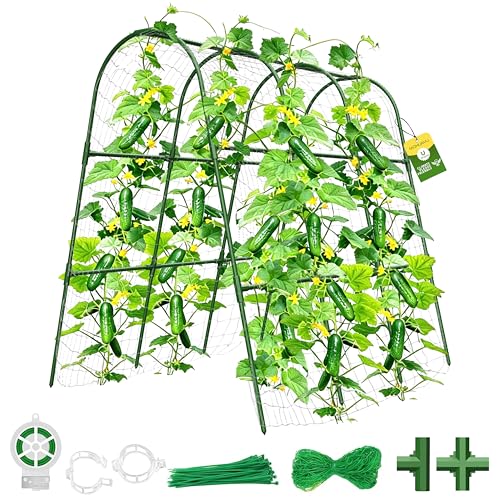
If you garden in raised beds, the same steps apply. Beds at least 12 inches deep work best. My post on growing cucumbers in raised beds has more tips on layout and trellises.
Before covering, water the bed well. The soil should be moist but not muddy. Plastic locks in whatever moisture is there, so starting dry puts your plants behind.
Laying the Plastic
Lay the plastic 1 to 2 weeks before planting on moist, amended soil. That gives the soil time to warm up before your seeds or transplants go in.
Set Up Drip Lines First
Run your drip line or soaker hose down the bed before the plastic goes on. Place it close to where your plants will go. For a single row, one line down the center works. For two rows, run a line near each.

Test the system before you cover it. Turn on the water and check for leaks, kinks, and even flow. Fixing a problem now is much easier than cutting into the plastic later.
Mark where the lines run with stakes at each end. That way, you won’t slice a line when you cut planting holes.
Roll and Stretch the Film
Pick a calm day. Even a light breeze can turn a roll of plastic into a sail. Having a helper makes this job far easier.
Unroll the film over the bed and center it. Pull it snug so it lies flat against the soil. Tight contact matters, because air pockets insulate the soil and reduce warming.

Avoid wrinkles where you can. Loose plastic flaps in the wind, tears more easily, and gives pests more places to hide.
Bury the Edges
Dig a shallow trench along each side of the bed. Tuck the plastic edges into the trench and backfill with soil. Firm it down well.
Bury the ends the same way. If your soil is loose or your site is windy, add landscape staples every few feet along the edges.
Once the plastic is secure, leave it alone for 1 to 2 weeks. Let the sun do its work warming the bed.
| Step | Timing | Key Tip |
|---|---|---|
| Amend soil | 2 to 3 weeks before planting | Add compost and dry fertilizer now |
| Water bed | Just before covering | Moist, not muddy |
| Lay drip lines | Before plastic | Test for leaks first |
| Lay plastic | 1 to 2 weeks before planting | Pull tight, bury edges |
| Plant | Soil at 60 to 65°F or warmer | Check with a soil thermometer |
Planting Through the Plastic
Plant once the soil under the plastic reaches at least 60 to 65°F and frost danger has passed. Cut small holes, plant gently, and seal the soil around each stem.
Check Timing and Soil Temperature
Cucumbers go in 1 to 2 weeks after your last frost date. Plastic warms the soil, but it doesn’t protect leaves from a cold night. Frost will still kill young plants.
Use a soil thermometer to check under the film. Poke it through a small slit about 4 inches deep. Wait until it reads at least 60 to 65°F. Warmer is better, and 70°F is ideal for quick sprouting.
Cut the Holes
Cut X-shaped or round holes about 2 to 3 inches across. An X is easy with a sharp knife. A round hole works well with a bulb planter or a can with the bottom removed.
Keep holes small. Large openings let in light for weeds, let heat escape, and give pests more room.

Space holes based on how you’ll grow the vines:
- Trellised cucumbers: about 12 inches apart.