
Gardeners often debate the merits of different soil amendments to boost plant growth. Two popular options are mushroom compost and chicken manure. Both can improve soil structure and add nutrients, but they have some key differences.
Mushroom compost is a byproduct of mushroom farming that contains hay, animal manure, and other organic matter. It’s pH neutral and free of weed seeds and pathogens. Chicken manure is composted poultry waste that’s high in nitrogen. Each has unique benefits for plants.
Choosing between mushroom compost and chicken manure depends on your specific garden needs. Mushroom compost works well for many vegetables and helps balance soil pH. Chicken manure gives a quick nitrogen boost but may be too strong for some plants if not aged properly. Considering these factors can help gardeners pick the right amendment for their soil.
Understanding Soil Amendments
Soil amendments play a key role in improving soil health and plant growth. They add organic matter and nutrients while enhancing soil structure and drainage.

Role of Organic Matter in Soil
Organic matter is vital for healthy soil. It feeds beneficial microbes and improves soil texture. Mushroom compost and chicken manure both add organic matter to soil.
Mushroom compost contains spent mushroom substrate mixed with other materials. It’s rich in organic matter that breaks down slowly. This steady release improves soil over time.
Chicken manure has less organic matter but more nutrients. It breaks down faster than mushroom compost. This quick release can boost plant growth rapidly.
Both amendments increase the soil’s ability to hold water and nutrients. This helps plants access what they need to thrive.
Improving Soil Structure and Drainage
Good soil structure allows roots to grow easily. It also helps water and air move through the soil. Both mushroom compost and chicken manure can improve soil structure.
Mushroom compost is light and fluffy. It loosens heavy clay soils and helps sandy soils retain moisture. This improves drainage in wet soils and water retention in dry soils.
Chicken manure is denser. It adds bulk to soil and improves its ability to hold nutrients. Over time, it can help create a crumbly soil texture that’s ideal for plant roots.
Both amendments encourage earthworms and other soil life. These creatures create channels in the soil, further improving structure and drainage.
Check out 9 Best Soil for Growing Plants
Composition and Benefits of Mushroom Compost
Mushroom compost is a nutrient-rich organic material made from spent mushroom substrate. It contains a mix of natural ingredients that boost soil health and plant growth.
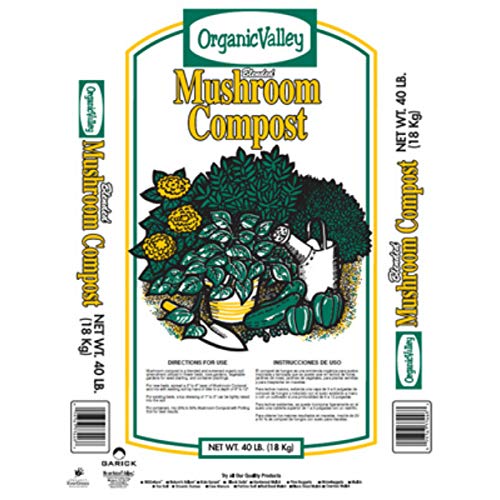
Mushroom Compost Nutrients
Mushroom compost is packed with essential nutrients for plants. It typically contains:
- 1-2% nitrogen
- 0.6% phosphorus
- 2% potassium
This mix provides a balanced NPK ratio for many plants. Mushroom compost also offers these valuable nutrients:
- Calcium
- Sulfur
- Manganese
- Magnesium
- Iron
- Copper
- Zinc
- Sodium
These elements help with plant growth, fruit production, and disease resistance. The compost releases nutrients slowly, feeding plants over time.
Check out Mushroom Compost vs Organic Compost
Microbial Activity and Eco-Friendly Properties
Mushroom compost is teeming with beneficial microorganisms. These tiny helpers break down organic matter and make nutrients available to plants.
The compost improves soil structure and water retention. This leads to healthier root systems and stronger plants. It’s also weed-free and pH neutral, making it safe for most gardens.
Mushroom compost is an eco-friendly choice. It recycles waste from mushroom farms, turning it into a valuable gardening resource. This reduces landfill waste and helps create a circular economy in agriculture.
Chicken Manure as a Fertilizer
Chicken manure is a powerful organic fertilizer packed with essential nutrients for plant growth. It offers high levels of nitrogen, phosphorus, and potassium compared to other animal manures.

Nutrient Levels in Chicken Manure
Chicken manure contains high amounts of nitrogen, phosphorus, and potassium. Nitrogen levels can be 3-5 times higher than in cow manure. This makes it excellent for leafy green vegetables and lawns.
Phosphorus content is also significant, promoting strong root growth and flower production. Potassium aids in overall plant health and disease resistance.
The nutrient-rich nature of chicken manure means it should be used carefully. Too much can “burn” plants due to its high nitrogen content.
Comparing Fresh and Composted Manure
Fresh chicken manure is very “hot” and can damage plants if applied directly. It needs time to age or compost before use.
Composted chicken manure is safer and easier to use. The composting process reduces the risk of burning plants and kills harmful bacteria.
Fresh manure has a strong odor and can attract pests. Composted manure has less smell and is less likely to draw unwanted insects.
Composted chicken manure releases nutrients more slowly over time. This provides a steady food source for plants throughout the growing season.
Check out Is Mushroom Compost Good for Flowers?
Analyzing Nutrient Profiles
Mushroom compost and chicken manure have different nutrient profiles that affect plant growth. They contain various macronutrients and micronutrients, but also may have some potential issues to consider.
Macronutrients and Micronutrients for Plant Growth
Mushroom compost is rich in calcium, magnesium, and iron. It has moderate levels of nitrogen, phosphorus, and potassium. These nutrients help plants grow strong roots and stems.

Chicken manure has high nitrogen content. It also provides good amounts of phosphorus and potassium. This mix of nutrients promotes leafy growth and fruit production in plants.
Both offer micronutrients like zinc, copper, and manganese. These are needed in small amounts but play key roles in plant health.
Mushroom compost tends to have a more balanced nutrient profile. Chicken manure is very high in nitrogen, which can burn plants if not used carefully.
Potential Issues with Salts and Heavy Metals
Chicken manure can have high salt levels. Too much salt may harm plant roots and affect soil structure. It’s best to use chicken manure in small amounts or let it age before use.
Mushroom compost usually has lower salt content. This makes it safer for seedlings and salt-sensitive plants.
Heavy metals can be a concern in both materials. Chicken manure may contain traces of antibiotics or other additives from poultry feed.
Mushroom compost is less likely to have these issues. It’s made from plant materials and is often seen as a cleaner option.
Regular soil testing helps track nutrient levels and spot any buildup of salts or metals.
Check out Will Mushroom Compost Kill Grass?
Application and Effects on Soil Quality
Mushroom compost and chicken manure can both improve soil quality, but they have some key differences in their effects and applications. These soil supplements impact factors like nutrient content, moisture retention, and potential weed growth.
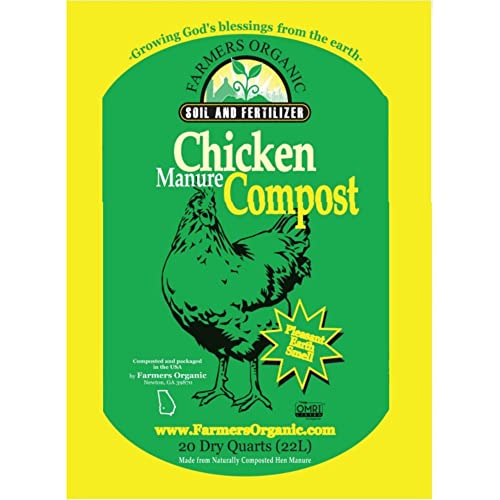
Enhancing Soil Quality with Compost
Mushroom compost boosts soil structure and fertility. It loosens clay soils and helps sandy soils hold more water. This compost improves drainage and aeration in heavy soils.
Chicken manure is high in nitrogen, phosphorus, and potassium. It acts as a strong fertilizer. But it can burn plants if used fresh. Composted chicken manure is safer for plants.
Both supplements add organic matter to soil. This feeds helpful soil microbes. It also increases the soil’s ability to hold nutrients and water.
Weed Seeds and Pathogen Considerations
Mushroom compost goes through a heating process. This kills most weed seeds and pathogens. It’s less likely to introduce weeds to your garden than some other composts.
Chicken manure may contain weed seeds from the chickens’ food. It can also have harmful bacteria. Proper composting reduces these risks. But raw manure should not be used on food crops.
Both supplements can be high in salts. This may harm some plants if overused. It’s best to mix them into the soil or use as a thin top layer.
Environmental Impact and Sustainability
Mushroom compost and chicken manure have different effects on the environment. Both offer eco-friendly options for gardeners, but their production and use impact sustainability in unique ways.
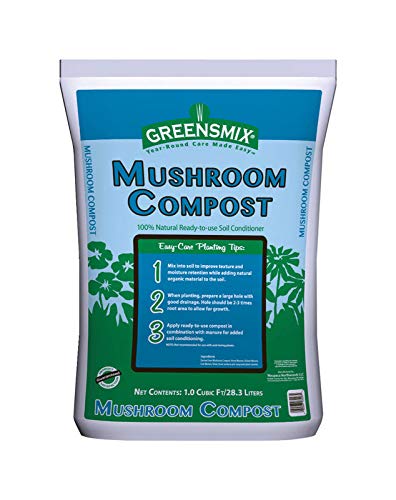
Reducing Greenhouse Gas Emissions
Mushroom compost helps cut down on greenhouse gases. It reuses waste from mushroom farms that would otherwise rot and release methane. This recycling process turns potential pollution into a useful garden product.
Chicken manure can release more greenhouse gases if not handled properly. When left in large piles, it gives off methane and nitrous oxide. But composting chicken manure reduces these emissions. It also keeps the nutrients from washing away and polluting waterways.
Both options keep garden waste out of landfills. This further lowers the carbon footprint of gardening.
Advantages of Organic Fertilizers
Mushroom compost and chicken manure are organic fertilizers. They improve soil health without synthetic chemicals. This makes them safer for the environment.
Organic fertilizers release nutrients slowly. This reduces the risk of excess nutrients running off into streams and lakes. They also help soil hold more water, which can lower water use in gardens.
Using these natural fertilizers supports sustainable farming practices. Mushroom compost gives mushroom growers a way to reuse their growing medium. Chicken manure puts a farm by-product to good use in gardens.
Both options add organic matter to soil. This builds up soil structure over time. Better soil structure helps plants grow stronger and more resistant to pests and diseases.
Check out Black Kow vs Mushroom Compost
Practical Tips for Gardeners
Using mushroom compost and chicken manure wisely can make a big difference in your garden. These tips will help you get the most out of these soil amendments.
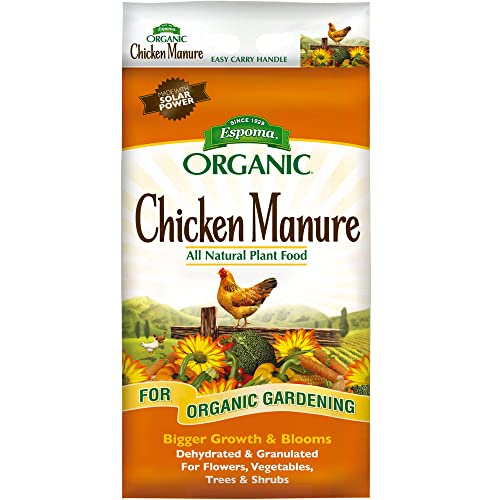
Proper Usage in Vegetable Gardens
Mix mushroom compost into your vegetable garden soil before planting. Use about 2-3 inches spread over the surface, then work it in 6-8 inches deep. This improves soil structure and adds nutrients.
For chicken manure, be careful. It’s very strong and can burn plants. Compost it first for 6-12 months. Then add a thin layer (about 1/4 inch) to the soil surface. Mix it in lightly.
Both amendments work well as mulch. Spread a 2-3 inch layer around plants, but keep it away from stems. This helps hold moisture and slow weed growth.
Adjusting Soil pH and Nutrient Availability
Mushroom compost is usually pH neutral. It won’t change your soil pH much. Chicken manure can be slightly alkaline. Test your soil pH regularly when using it.
To lower pH, add sulfur or pine needles. To raise pH, use lime. Make small changes over time.
Both amendments boost nutrients. Mushroom compost adds phosphorus and potassium. Chicken manure is high in nitrogen. Match the amendment to your plants’ needs.
For best results, apply these in fall or early spring. This gives time for nutrients to break down before the growing season.
Check out Mushroom Compost vs Horse Manure
Considerations Before Choosing an Amendment
Picking the right soil amendment matters for plant health and garden success. Both mushroom compost and chicken manure have pros and cons to weigh carefully.
Assessing Suitability for Different Plant Types
Mushroom compost works well for many plants but can harm some. It’s high in salts, so salt-sensitive plants may struggle. Seedlings can also be damaged by its strength. Chicken manure is very nutrient-rich. This helps heavy feeders like corn and squash. But it can burn tender plants if used fresh.
For acid-loving plants like blueberries, mushroom compost may raise soil pH too much. Chicken manure is more pH neutral. Test your soil first to see what it needs.
Some plants do better with one amendment over the other. Roses love mushroom compost. Tomatoes thrive with chicken manure.
Recognizing Risks with Diseases and Pathogens
Both amendments can spread diseases if not handled properly. Mushroom compost is usually safer. It’s steamed before sale, killing most pathogens. But it can still carry fungal spores.
Chicken manure has higher risks. Raw manure often contains E. coli and other harmful bacteria. It needs proper composting to be safe. Even then, some pathogens may survive.
Both can encourage root rot in wet conditions. Good drainage is key. Mushroom compost holds more water, increasing this risk.
Hot-composted manure kills most pathogens. But it’s hard to be sure it reached high enough temps throughout. Commercial composts are more reliable.
Comparison Summary
Mushroom compost and chicken manure have distinct qualities as soil amendments. Both offer benefits for gardens, but they differ in key ways.

Summarizing Key Differences and Similarities
Mushroom compost is a mix of organic materials like hay, corn cobs, and poultry manure. It’s pH neutral and weed-free. Chicken manure is pure animal waste. It has high nitrogen content.
Both improve soil structure and add nutrients. Mushroom compost is gentler and safer to use. Chicken manure is more potent and needs careful application.
Mushroom compost works well for most plants. It’s good for sandy soils. Chicken manure is best for nitrogen-hungry crops. It should be composted before use.
Gardeners can use both products to boost soil health. Mushroom compost is ready to use. Chicken manure needs time to break down. The choice depends on soil needs and plant types.
Check out Lobster Compost vs Mushroom Compost
Mushroom Compost vs Chicken Manure – Summary
| Aspect | Mushroom Compost | Chicken Manure |
|---|---|---|
| Composition | By-product of mushroom farming, contains hay, animal manure, organic matter | Composted poultry waste, chicken feces, cage bedding |
| Nutrient Content | Balanced nutrients, pH neutral | High in nitrogen |
| Soil Benefits | Improves soil structure, water retention | Enhances soil fertility |
| Plant Suitability | Good for most plants | May be too strong for some plants |
| Weed Seeds | Generally free of weed seeds | May contain weed seeds |
| Pathogens | Usually pathogen-free | May contain pathogens |
| Application | Can be used more liberally | Requires careful application |
| Availability | Often available in large quantities | May be more limited in supply |
| Odor | Mild earthy smell | Can have a strong odor |
| Cost | Typically more expensive | Often less expensive |
Both mushroom compost and chicken manure offer benefits for gardening. Mushroom compost is more versatile and safer to use. Chicken manure provides a powerful nitrogen boost but needs careful handling.
The choice depends on specific plant needs, soil conditions, and gardener preferences. Some gardeners use a mix of both for balanced soil improvement.

Conclusion
Mushroom compost and chicken manure are both useful soil amendments for gardeners. Each has its own strengths and best uses.
Mushroom compost is pH neutral and weed-free. It improves soil structure and water retention. This makes it good for many plants and vegetables.
Chicken manure is high in nitrogen and other nutrients. It gives plants a quick boost of food. But it needs careful application to avoid burning plants.
For general soil improvement, mushroom compost is often the safer choice. It’s ready to use right away with little risk of harming plants.
Chicken manure works well for heavy feeders like corn when used properly. It should be aged or composted first to reduce its strength.
The best option depends on your specific garden needs. Consider your soil type, plants, and goals when choosing between these amendments.
Many gardeners use both at different times. This provides a range of benefits to the soil and plants throughout the growing season.

Hello there! I’m Elsa, and gardening is my passion. As an avid gardener, I created GardeningElsa.com to share my knowledge and experience with fellow enthusiasts. My website is a comprehensive resource for gardeners of all levels, offering expert advice on a wide range of topics, including plants, flowers, herbs, and vegetable gardening. Whether you’re a beginner looking to start your first garden or a seasoned pro seeking to expand your knowledge, GardeningElsa.com has something for everyone. Read more about me.
