
Mushroom compost is a popular soil amendment for gardens, but many wonder about its effects on grass. This organic material, made from leftover mushroom growing materials, can be both helpful and harmful to lawns depending on how it’s used.
Mushroom compost won’t kill established grass when applied correctly, but it can inhibit grass seed germination if used improperly. The high salt content and slightly acidic pH of fresh mushroom compost can prevent new seeds from sprouting. For existing lawns, a thin layer of aged mushroom compost can boost soil quality and provide nutrients for healthier grass growth.
When using mushroom compost on lawns, timing and application methods are key. It’s best to spread a light layer in fall or spring, ensuring grass blades are still visible. This allows the grass to continue photosynthesizing while benefiting from the compost’s nutrients. For new lawns, mixing mushroom compost into the soil before seeding or waiting until after the grass has established itself is wise.
Understanding Mushroom Compost
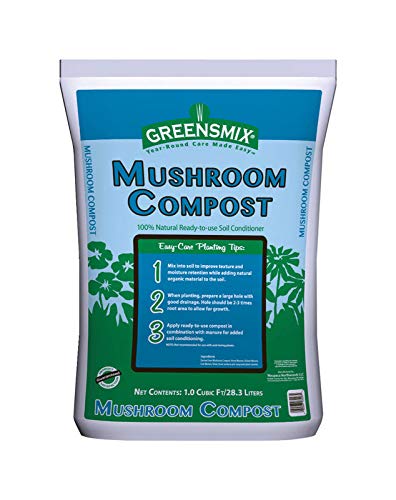
Mushroom compost is a nutrient-rich soil amendment made from organic materials used to grow mushrooms. It offers many benefits for improving soil health and plant growth.
Composition and Nutrient Content
Mushroom compost contains a mix of organic matter like straw, peat moss, and animal manure. It’s full of important plant nutrients:
- Nitrogen for leaf growth
- Phosphorus for root development
- Potassium for overall plant health
- Various minerals and trace elements
The exact makeup can vary, but mushroom compost is typically high in organic matter. This helps improve soil structure and water retention.
Differences from Regular Compost
Mushroom compost differs from regular compost in a few key ways:
- It’s partially decomposed before use
- Has a higher salt content
- Is slightly acidic (pH around 6.0-7.0)
- Contains lime, which regular compost doesn’t
These qualities make mushroom compost better for some uses than others. It’s great for amending soil but shouldn’t be used alone as a growing medium.
Benefits of Mushroom Compost for Soil Health
Mushroom compost offers many perks for soil:
- Improves soil structure and drainage
- Increases water retention
- Adds organic matter and nutrients
- Boosts beneficial microbial activity
- Helps suppress some plant diseases
It’s especially good for clay or sandy soils. The compost helps loosen clay and adds body to sand. This creates a better-growing environment for plants.
Mushroom compost also feeds soil microbes. These tiny organisms break down organic matter, releasing more nutrients for plants to use.
Check out How to Use Mushroom Compost in Vegetable Garden?
Mushroom Compost as a Lawn Care Solution
Mushroom compost offers many benefits for lawn care. It provides nutrients, improves soil structure, and promotes healthy grass growth. This natural fertilizer can be used on both new and existing lawns.
Mushroom Compost for New Lawns
Mushroom compost is great for starting new lawns. It helps grass seeds grow by keeping the soil moist. The compost also feeds young grass as it sprouts.
To use mushroom compost on a new lawn:
- Spread a 1-2 inch layer over the soil
- Mix it into the top few inches
- Sow grass seeds
- Water regularly
The compost will help seeds germinate faster and produce stronger roots. It also improves drainage in heavy soils, which prevents waterlogging.
Application in Established Lawns
Existing lawns can benefit from mushroom compost too. It adds nutrients and organic matter to the soil. This helps grass stay green and healthy.
To apply mushroom compost to an established lawn:
- Spread a thin layer (1/4 to 1/2 inch) over the grass
- Water it in well
- Repeat once or twice a year
Don’t use too much, as it can smother the grass. The compost will break down over time, feeding the lawn and improving soil quality.
Mushroom Compost Versus Chemical Fertilizers
Mushroom compost is a natural alternative to chemical fertilizers. It releases nutrients slowly, which is better for grass health. Chemical fertilizers work faster but can harm soil life.
Benefits of mushroom compost:
- Improves soil structure
- Adds organic matter
- Boosts helpful soil microbes
- Low risk of burning grass
Chemical fertilizers can be more precise in nutrient content. But they don’t improve soil health like organic compost does. Mushroom compost is safer for pets and kids too.

Check out 15 Vegetables That Like Mushroom Compost
Assessing the Impact on Grass and Plant Growth
Mushroom compost affects grass and plants in different ways. Its nutrient content and physical properties can influence seed germination and overall plant health.
Potential Effects on Grass Seed Germination
Mushroom compost can help grass seeds grow. It holds moisture well, which is good for young grass that needs lots of water. The compost also adds nutrients to the soil that new grass plants use.
Some types of mushroom compost might be too strong for seeds. Fresh compost can have high salt levels that hurt seeds. It’s better to use aged compost or mix it with regular soil for seeding.
Grass seeds do well when planted in a thin layer of mushroom compost. This gives them the right mix of air, water, and food to sprout and grow strong roots.
Influence on Plant Growth and Health
Mushroom compost boosts plant growth in many ways. It adds important nutrients like nitrogen, phosphorus, and potassium to the soil. These help plants grow bigger and healthier.
The compost improves soil structure. This lets roots grow deeper and stronger. Better soil also holds more water, which keeps plants from drying out.
Plants in soil with mushroom compost often look greener and grow faster. The compost feeds helpful soil microbes that work with plant roots. This team-up helps plants take in more nutrients.
Some plants might not like too much mushroom compost. It can make soil too rich for certain species. It’s best to use the right amount for each type of plant.
Check out Is Mushroom Compost Good for a Vegetable Garden?
Application Techniques and Considerations
Applying mushroom compost to lawns requires careful planning and execution. Proper techniques help maximize benefits while avoiding potential issues. Key factors include application methods, soil conditions, and plant sensitivities.

How to Apply Mushroom Compost to Lawns
Spread a thin layer of mushroom compost over the lawn, about 1/4 to 1/2 inch deep. Use a rake to distribute it evenly. Water the lawn after application to help the compost settle.
For new lawns, mix mushroom compost into the top few inches of soil before seeding. This improves soil structure and provides nutrients for grass seedlings.
Apply mushroom compost in spring or fall for best results. These seasons offer ideal growing conditions for grass.
Soil Types and Drainage Factors
Clay soils benefit greatly from mushroom compost. It improves soil structure and drainage. Mix compost thoroughly into clay soil to prevent surface crusting.
Sandy soils also improve with mushroom compost. It helps retain moisture and nutrients. Apply a slightly thicker layer to sandy soils compared to clay soils.
Ensure proper drainage in all soil types. Excess moisture can lead to fungal growth. Create slight slopes or install drainage systems if needed.
Preventing Damage to Salt-Sensitive Plants
Mushroom compost can be high in salts. This may harm salt-sensitive plants like rhododendrons, azaleas, and camellias. Keep compost away from these plants’ root zones.
For areas with sensitive plants, use a low-salt compost alternative. Or apply a very thin layer of mushroom compost mixed with regular soil.
Water thoroughly after application. This helps flush excess salts from the root zone. Monitor salt-sensitive plants for signs of stress after applying mushroom compost nearby.
Check out Is Mushroom Compost Good for Azaleas?
Comparing Mushroom Compost with Other Organic Materials
Mushroom compost is one of many organic materials used in gardening. It has unique properties that set it apart from other common options like manure and mulch.

Mushroom Compost Versus Manure
Mushroom compost and manure are both popular soil amendments. Mushroom compost is made from leftover mushroom growing medium. Manure comes from animal waste.
Mushroom compost is often more consistent in texture than manure. It’s usually weed-free and less smelly. Manure can vary a lot based on the animal source.
Chicken manure is very high in nitrogen. It can burn plants if not aged properly. Mushroom compost is gentler and safer to use right away.
Both materials add organic matter to soil. They improve drainage and water retention. Manure might have higher nutrient levels, especially nitrogen.
Mushroom Compost and Other Organic Mulches
Mushroom compost can be used as a mulch, like straw or hay. It helps retain soil moisture and suppress weeds.
As a mulch, mushroom compost breaks down faster than woody materials. This adds nutrients to the soil more quickly. It’s darker in color than straw or hay.
Mushroom compost is denser than most mulches. It can form a crust that may block water. Mixing it with lighter materials like straw can help.
Peat moss is another organic option. It’s more acidic than mushroom compost. This makes mushroom compost better for most garden plants.
Mushroom compost improves soil structure more than basic mulches. It adds beneficial microbes to the soil as it breaks down.
Soil Quality Improvement and Maintenance
Mushroom compost can greatly boost soil health and help lawns thrive. It adds nutrients, improves moisture retention, and helps control weeds.
Enhancing Soil Fertility
Mushroom compost enriches soil with key nutrients. It contains nitrogen, phosphorus, and potassium – essentials for grass growth. The compost also adds organic matter to improve soil structure.
Mixed into existing soil, mushroom compost increases nutrient levels. This leads to greener, healthier grass. The nutrients release slowly over time, feeding the lawn for months.
The compost also helps balance soil pH. Many mushroom composts contain chalk or lime. This can reduce acidity in soil, creating better conditions for grass.
Moisture and Weed Control Benefits
Mushroom compost boosts soil’s ability to hold water. This means less frequent watering for lawns. The improved moisture retention helps grass stay green during dry spells.
The compost forms a protective layer on soil. This mulch-like effect helps stop weed seeds from sprouting. Fewer weeds means less competition for grass.
When spread on lawns, mushroom compost can fill in bare spots. This leaves less room for weeds to take hold. The result is a thicker, more weed-resistant lawn.
Environmental and Sustainable Gardening Impact
Mushroom compost offers several benefits for sustainable gardening practices. It provides a natural way to improve soil health and plant growth without relying on chemical fertilizers.

Contribution to Sustainable Practices
Mushroom compost adds organic matter to the soil, boosting its structure and fertility. This natural fertilizer helps reduce the need for synthetic products, making it an eco-friendly choice for lawn care.
Spent mushroom compost, also called spent mushroom substrate, is a recycled product. It gives new life to materials that might otherwise go to waste. This reuse supports circular economy principles in agriculture and gardening.
The compost attracts earthworms and other helpful soil organisms. These creatures improve soil health by breaking down organic matter and creating air pockets. This process leads to better water retention and nutrient availability for grass roots.
Using mushroom compost can help conserve water. Its ability to hold moisture means lawns need less frequent watering. This water-saving quality is crucial in areas facing drought or water restrictions.
Special Considerations for Using Mushroom Compost
Mushroom compost can be a great addition to lawns, but it requires careful application. Proper use depends on soil type, grass species, and existing nutrient levels.
Adjustments for Different Lawn and Garden Types
Sandy soils benefit from mushroom compost’s water-retaining properties. Mix it into the top layer to improve moisture retention. For clay soils, use less compost to avoid waterlogging.

Cool-season grasses like fescue and ryegrass respond well to mushroom compost. Apply it in fall for best results. Warm-season grasses such as Bermuda and zoysia prefer spring applications.
For new lawns, mix mushroom compost into the soil before planting grass seed. This helps seeds germinate and establish strong roots.
To fix bare patches, blend compost with existing soil. Spread a thin layer over the area, then sow grass seed. Water gently to keep the mixture moist.
Managing pH Levels and Adding Amendments
Mushroom compost is slightly alkaline, with a pH around 6.5 to 7.5. Test your soil pH before applying. For acidic soils, mushroom compost can help balance pH levels.
If your soil is already alkaline, mix in peat moss or sulfur to lower the pH. This helps grass absorb nutrients more easily.
Add gypsum to the compost if your soil lacks calcium. This improves soil structure and helps grass roots grow deeper.
For lawns with high salt content, use less mushroom compost. Its natural salts can build up in soil over time. Apply in thin layers and water deeply to prevent salt accumulation.
Frequently Asked Questions
Mushroom compost can be a helpful addition to lawns, but important factors must be considered. Its effects vary based on grass types, application methods, and timing.
Can mushroom compost be used on all types of grass?
Mushroom compost works well for most grass types. It helps cool-season grasses like fescue and ryegrass. Warm-season grasses such as Bermuda and zoysia also benefit. Some grasses may need less compost to avoid excessive growth.
How does mushroom compost affect lawn growth?
Mushroom compost boosts lawn growth by adding nutrients. It improves soil structure and water retention. Grass often grows thicker and greener after application. New grass seeds sprout better in soil with mushroom compost.
Which plants should be avoided when using mushroom compost?
Acid-loving plants may not do well with mushroom compost. Avoid using it on azaleas, rhododendrons, and blueberries. Some herbs like thyme and rosemary prefer less rich soil. Use caution with young or delicate plants, as the compost can be strong.
What are the potential drawbacks of using mushroom compost in gardens?
Mushroom compost can be high in salts. This may harm some plants if used in large amounts. It can also make soil too alkaline for certain plants. The compost might contain weed seeds or fungi spores. In rare cases, it could cause plant burn if not applied correctly.
When is it inadvisable to apply mushroom compost to your lawn?
Avoid applying mushroom compost during hot, dry periods. Don’t use it right before heavy rain to prevent runoff. Skip application if your lawn is stressed or diseased. It’s best not to apply it to newly seeded areas until grass is established.
What is the correct method for applying mushroom compost to a lawn?
Start by testing your soil pH. Spread a thin layer of compost, about 1/4 to 1/2 inch deep. Use a rake to distribute it evenly. Water the lawn after application to help the compost settle. For best results, apply in spring or fall when grass is actively growing.

Conclusion
Mushroom compost is unlikely to kill established grass. It can actually benefit lawns when used properly. This nutrient-rich material helps improve soil health and provides food for grass plants.
For best results, apply a thin layer of mushroom compost as a top dressing. Spread it evenly over the lawn, no more than 1/4 inch thick. This allows grass to grow through while nourishing the soil.
Timing matters too. Fall is ideal for applying mushroom compost to lawns. The cooler weather helps grass absorb nutrients without stress.
There are a few cautions to keep in mind:
- Don’t use mushroom compost on new grass seeds
- Avoid using it on drought-stressed lawns
- Test soil pH first, as it may alter acidity levels
When used correctly, mushroom compost can lead to a healthier, more vibrant lawn. It improves soil structure, boosts beneficial microbes, and provides slow-release nutrients. This natural amendment offers an eco-friendly way to care for grass.
You may also like:

Hello there! I’m Elsa, and gardening is my passion. As an avid gardener, I created GardeningElsa.com to share my knowledge and experience with fellow enthusiasts. My website is a comprehensive resource for gardeners of all levels, offering expert advice on a wide range of topics, including plants, flowers, herbs, and vegetable gardening. Whether you’re a beginner looking to start your first garden or a seasoned pro seeking to expand your knowledge, GardeningElsa.com has something for everyone. Read more about me.
