
Growing beautiful dahlias is a dream for many gardeners. These stunning flowers can bring vibrant colors and shapes to any garden. One way to help dahlias thrive is by using the right soil amendments. Mushroom compost is a popular choice, but is it good for dahlias?
Mushroom compost can be beneficial for dahlias when used correctly. It adds nutrients to the soil and improves its structure. This can help dahlias grow strong and healthy. The compost also helps the soil retain moisture, which dahlias need.
There are some things to keep in mind when using mushroom compost for dahlias. It’s best to mix it into the soil before planting. Using too much can cause problems, so it’s important to use the right amount. By following these tips, gardeners can use mushroom compost to help their dahlias bloom beautifully.
Understanding Mushroom Compost
Mushroom compost is a rich organic material made from decomposed plant matter and other ingredients used to grow mushrooms. It adds nutrients and improves soil structure for plants like dahlias.
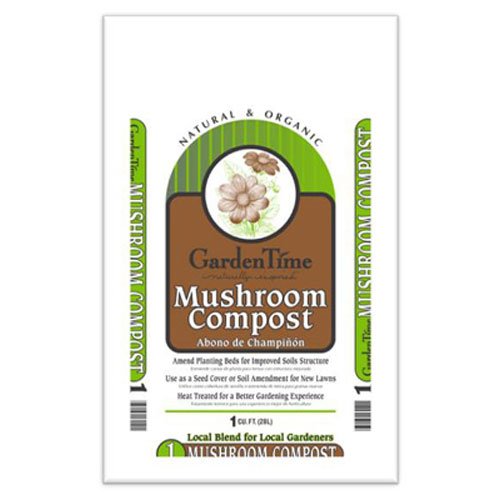
Benefits of Mushroom Compost in Gardening
Mushroom compost boosts soil health in several ways. It adds organic matter that feeds beneficial microbes in the soil. These microbes break down nutrients and make them available to plant roots.
The compost also helps sandy soils hold more water, and clay soils drain better. This creates an ideal growing environment for dahlias and other flowers.
Mushroom compost typically has a pH around 6.6-6.7. This slightly acidic pH works well for dahlias, which prefer soil pH between 6.0-7.0.
The compost releases nutrients slowly over time. This provides a steady food source for plants without the risk of fertilizer burn.
When using mushroom compost for dahlias, apply a 1-2 inch layer around plants. Work it gently into the top few inches of soil. Avoid piling it against plant stems.
Check out Is Mushroom Compost Good for Azaleas?
Dahlia Gardening Basics
Dahlias need the right soil and drainage to grow well. Good soil helps dahlias make strong roots and lots of flowers.
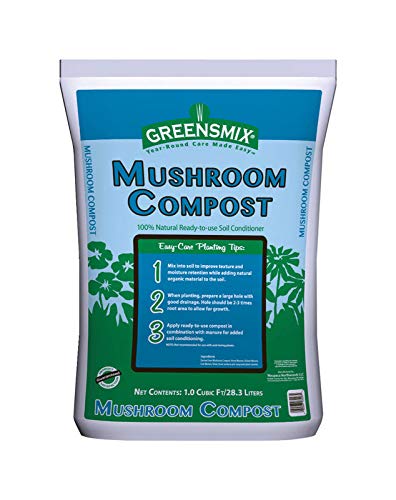
Optimal Soil Conditions for Dahlias
Dahlias grow best in soil with a pH between 6.0 and 6.5. They like rich soil with lots of organic matter. The soil should be loose and not too heavy.
Dahlias need soil that drains well. Wet soil can make the tubers rot. Adding compost or aged manure can make the soil better for dahlias.
Raised beds are good for dahlias. They help with drainage and let the soil warm up faster in spring.
The Importance of Soil Structure and Drainage
Good soil structure is key for dahlias. It lets air and water move through the soil. This helps dahlia roots grow strong and healthy.
Soil with good structure has spaces for air and water. It also has clumps of soil that hold together. This mix helps dahlias get what they need to grow.

Dahlias don’t like wet feet. Good drainage stops water from sitting around the roots. You can add sand or perlite to heavy soil to help it drain better.
In clay soil, dig in organic matter to improve drainage. In sandy soil, add compost to help hold water and nutrients.
Check out Is Mushroom Compost Good for a Vegetable Garden?
Amending Soil for Dahlias
Proper soil preparation is key for growing healthy dahlias. The right amendments can create ideal conditions for these beautiful flowers to thrive.
Preparing the Ideal Growing Environment
Dahlias need well-draining soil rich in organic matter. Mix compost, leaf mold, or aged manure into the top 12 inches of soil before planting. This improves drainage and adds nutrients.
Avoid heavy clay soils, as they can lead to root rot. If your soil is clayey, add sand or perlite to improve drainage.
Raised beds work well for dahlias in areas with poor soil. Fill them with a mix of topsoil, compost, and sand.
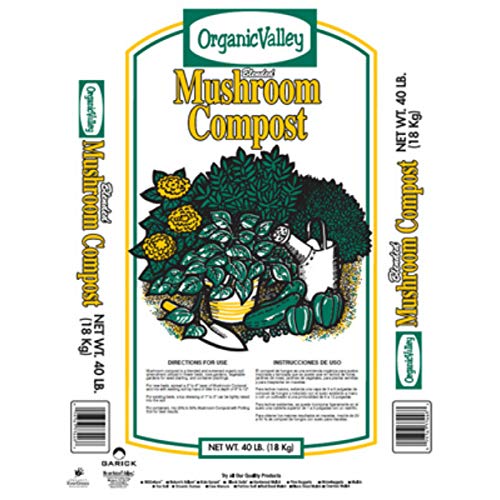
Adjusting Soil pH for Dahlia Cultivation
Dahlias prefer slightly acidic to neutral soil with a pH between 6.5 and 7.0. Test your soil pH before planting.
To raise pH, add lime to the soil. For lowering pH, use sulfur or peat moss. Apply these amendments several weeks before planting to allow time for the pH to change.
Mushroom compost can help adjust pH. It typically has a pH of 6.6 to 6.7, making it useful for slightly acidic soils.
Nutrient Management for Healthy Dahlias
Dahlias need balanced nutrition for strong growth and abundant blooms. Use a low-nitrogen fertilizer with a ratio like 5-10-10.
Apply fertilizer when planting and again 30 days later. Avoid high-nitrogen fertilizers, as they promote leaf growth over flowers.
Organic options include bone meal, which adds phosphorus for root development. Compost tea provides a gentle nutrient boost during the growing season.
Watch for signs of nutrient deficiency, such as yellowing leaves or stunted growth. Address these issues promptly with targeted fertilizers or soil amendments.
Check out 15 Vegetables That Like Mushroom Compost
The Role of Mushroom Compost in Dahlia Nutrition
Mushroom compost provides key nutrients that support healthy dahlia growth. It helps balance nitrogen levels and supplies other essential elements dahlias need to thrive.

Supplying Key Nutrients with Mushroom Compost
Mushroom compost contains nutrients vital for dahlia health. It’s rich in phosphorus, which aids root growth and flower production. The compost also supplies potassium, calcium, and magnesium. These elements strengthen stems and promote vibrant blooms.
Iron from mushroom compost helps dahlias create chlorophyll. This gives the plants their green color and allows them to make food through photosynthesis. The organic matter in the compost improves soil structure too. This lets roots spread easily and absorb nutrients better.
Gardeners can mix mushroom compost into the soil before planting dahlias. They can also use it as a top dressing during the growing season. This provides a steady supply of nutrients as the compost breaks down.
Balancing Nitrogen Levels for Dahlias
Mushroom compost contains nitrogen, but in moderate amounts. This is good for dahlias, which don’t need high nitrogen levels. Too much nitrogen can lead to lots of leafy growth but fewer flowers.
The balanced nitrogen in mushroom compost supports healthy foliage without going overboard. It helps dahlias grow strong stems and leaves without sacrificing bloom production. Gardeners can use mushroom compost as a gentler alternative to high-nitrogen chemical fertilizers.
For best results, it’s smart to test soil pH before adding mushroom compost. Dahlias prefer slightly acidic to neutral soil. Mushroom compost is usually close to neutral, with a pH around 6.6 to 6.7. This makes it a good choice for most dahlia gardens.
Check out How to Use Mushroom Compost in Vegetable Garden?
Preventing Common Dahlia Problems
Dahlias can face several issues, but with the right care, many problems can be avoided. Two key areas to focus on are soil health and watering practices.
Combating Soil-Borne Diseases
Soil-borne diseases can harm dahlias, but there are ways to fight back. Adding organic matter to the soil helps. It boosts helpful microorganisms that can protect roots.

Crop rotation is also important. Don’t plant dahlias in the same spot year after year. This breaks disease cycles.
Some dahlia types resist diseases better than others. Pick these varieties if soil diseases are common in your area.
Mushroom compost can help, but use it wisely. Its high salt content might hurt dahlias if overused.
Mitigating Root Rot with Proper Water Retention
Root rot is a big threat to dahlias. It often happens when soil holds too much water.
Good drainage is key. Mix sand or perlite into heavy soils to improve it.
Water deeply but less often. This encourages roots to grow deeper and stronger.
Raised beds can help in areas with poor drainage. They let excess water drain away from roots.
Mulch helps balance soil moisture. It keeps the soil from drying out too fast or staying too wet.
Check soil moisture before watering. Only water when the top inch of soil feels dry.
Mushroom Compost as Mulch for Dahlias
Mushroom compost makes an excellent mulch for dahlias. It helps retain moisture and regulate soil temperature while providing nutrients for healthy growth and vibrant blooms.

Enhancing Soil Moisture and Temperature Control
Mushroom compost acts as a protective layer over the soil around dahlias. It slows water evaporation, keeping the soil moist for longer periods. This reduces the need for frequent watering.
The mulch also insulates the soil. It keeps it cooler in hot weather and warmer when temperatures drop. This steady environment helps dahlia roots thrive.
As the compost breaks down, it improves soil structure. This allows better water drainage and air flow to the roots.
Promoting Vibrant Bloom Growth
The nutrients in mushroom compost feed dahlia plants as they grow. This boost helps produce lush foliage and stunning flowers.
Nitrogen in the compost supports leaf growth. Phosphorus aids in root and flower development. Potassium strengthens stems and improves overall plant health.
The compost slowly releases these nutrients over time. This steady supply matches the dahlias’ needs throughout the growing season.
Mulching with mushroom compost also suppresses weeds. This means less competition for water and nutrients. Dahlias can use more resources for creating their showy blooms.
Comparing Mushroom Compost with Other Amendments
Mushroom compost is one of many soil amendments available to gardeners. It has unique properties that set it apart from other options like animal manure and inorganic fertilizers.
Mushroom Compost vs. Animal Manure
Mushroom compost and animal manure are both organic soil amendments, but they differ in key ways. Mushroom compost is made from materials used to grow mushrooms, like straw and manure. Animal manure comes directly from livestock.
Mushroom compost is often lower in nutrients than fresh animal manure. It releases nutrients more slowly over time. This can be good for plants that don’t need a big nutrient boost all at once.
Animal manure, like chicken manure, is high in nitrogen. It can burn plants if used fresh. Gardeners must age it first. Mushroom compost doesn’t need aging and is ready to use right away.
Both improve soil structure. Mushroom compost is lighter and helps sandy soils hold water better. Animal manure adds more organic matter to clay soils.
Mushroom Compost and Inorganic Fertilizers
Inorganic fertilizers are man-made products with specific nutrient ratios. Mushroom compost is a natural product with varied nutrient content.
Inorganic fertilizers act fast. Plants can use the nutrients right away. Mushroom compost releases nutrients slowly as it breaks down in the soil.
Chemical fertilizers don’t improve soil structure. Mushroom compost adds organic matter that helps soil hold water and nutrients better.
Mushroom compost feeds soil microbes. These tiny organisms help plants take up nutrients. Inorganic fertilizers don’t support soil life in the same way.
Gardeners often use both. Mushroom compost improves soil health long-term. Inorganic fertilizers give plants a quick nutrient boost when needed.
Implementing Mushroom Compost in Dahlia Care
Mushroom compost can be a great addition to dahlia gardens. It provides nutrients and improves soil structure for healthier plants.
To use mushroom compost, spread a 1-2 inch layer around dahlia plants in spring. Avoid covering stems or crowns. Work it gently into the top few inches of soil.
Mushroom compost has a pH around 6.6-6.7, which suits dahlias well. But test your soil first to make sure it won’t become too alkaline.
Mix mushroom compost with your regular compost or soil. This balances nutrients and prevents overfeeding. A 50/50 mix often works well.
Water dahlias after applying compost to help nutrients soak in. Short, light waterings in hot weather can also prevent wilting.
Reapply a thin layer of mushroom compost monthly during the growing season. This provides a steady nutrient supply as dahlias develop.
Remember that mushroom compost is rich in nutrients. Start with small amounts and watch your plants’ response. Adjust as needed for best results.
Environmental Considerations
Mushroom compost can be a good choice for dahlias from an environmental standpoint. It’s made from recycled organic materials, which helps reduce waste.
This compost boosts soil health by improving structure and water retention. It also increases microbial activity, creating a thriving ecosystem for plant roots.
Using mushroom compost can reduce the need for chemical fertilizers. This lowers the risk of nutrient runoff into waterways.
The compost acts as a natural mulch, helping conserve soil moisture. This can lead to less frequent watering, saving water resources.
Gardeners should be aware that mushroom compost can be slightly alkaline. It’s important to check soil pH regularly and adjust if needed for optimal dahlia growth.
When sourcing mushroom compost, look for suppliers who use sustainable practices. This ensures the environmental benefits extend beyond your garden.
Remember to apply mushroom compost in moderation. Over-application can lead to nutrient imbalances in the soil.
Frequently Asked Questions
Mushroom compost can be great for dahlias, but there are some key points to consider. The best soil mix, climate effects, and usage tips vary depending on the specific growing conditions.
What is the best soil mix for planting dahlias in containers?
A good mix for dahlias in containers is one part mushroom compost, one part garden soil, and one part perlite or sand. This blend gives dahlias the nutrients they need while also ensuring good drainage. The mushroom compost adds organic matter and nutrients. The garden soil provides structure. The perlite or sand improves drainage, which is vital for dahlias in pots.
How does mushroom compost affect dahlia growth in different climates?
In wet climates, mushroom compost helps improve soil drainage for dahlias. This can prevent root rot and other moisture-related issues. In dry climates, it helps retain moisture in the soil. This reduces how often dahlias need watering. The compost also helps protect dahlia roots from extreme heat.
What are the benefits of using mushroom compost for dahlias compared to other fertilizers?
Mushroom compost is rich in organic matter. It improves soil structure and water retention. This helps dahlia roots grow strong and healthy. Unlike chemical fertilizers, mushroom compost releases nutrients slowly. This provides a steady food supply for dahlias over time. It also reduces the risk of nutrient burn.
Are there any plants that should not be paired with mushroom compost when planning a garden with dahlias?
Plants that prefer acidic soil may not do well with mushroom compost. These include azaleas, rhododendrons, and blueberries. Mushroom compost tends to be slightly alkaline. Some plants, like herbs, might grow too vigorously with mushroom compost. This could overshadow or compete with dahlias for nutrients and space.
What should be considered when choosing compost for dahlias grown in pots versus in the ground?
For potted dahlias, use a compost mix that’s lighter and drains well. Too much mushroom compost can make the soil too heavy and wet. In the ground, dahlias can handle more mushroom compost. The soil naturally has better drainage. Mix the compost well with existing soil to improve its structure.
During which plantation phase should mushroom compost be avoided for dahlias?
Avoid using fresh mushroom compost when planting dahlia tubers. Fresh compost can be too strong and may burn the tender new growth. It’s best to add mushroom compost to the soil a few weeks before planting. This allows time for it to settle and mellow. You can also use it as a top dressing once dahlias are established and growing well.

Conclusion
Mushroom compost can be good for dahlias when used properly. It offers several benefits for these flowering plants. The compost provides nutrients that help dahlias grow and bloom. It also improves soil structure and drainage.
Many gardeners find success using mushroom compost for their dahlias. The pH level of mushroom compost is often in the right range for these flowers. This makes it useful for adjusting soil pH.
There are some things to keep in mind when using mushroom compost for dahlias. It’s important to know your soil’s current pH before adding it. Using too much could make the soil too alkaline for dahlias.
Mixing mushroom compost with other organic materials can create an ideal growing environment. This balanced approach helps dahlias thrive. It provides nutrients while also improving the soil over time.
For best results, use mushroom compost as part of a diverse soil amendment strategy. This can lead to healthier plants and more vibrant blooms. With proper use, mushroom compost can be a valuable tool for growing beautiful dahlias.

Hello there! I’m Elsa, and gardening is my passion. As an avid gardener, I created GardeningElsa.com to share my knowledge and experience with fellow enthusiasts. My website is a comprehensive resource for gardeners of all levels, offering expert advice on a wide range of topics, including plants, flowers, herbs, and vegetable gardening. Whether you’re a beginner looking to start your first garden or a seasoned pro seeking to expand your knowledge, GardeningElsa.com has something for everyone. Read more about me.
