
Few things are as frustrating as walking out to your herb bed and finding basil leaves turning black overnight. One day the plant looks lush and fragrant, and the next it has dark spots, slimy patches, or whole leaves gone limp and inky.
The good news is that black basil leaves almost always point to a short list of causes.
In this guide, I’ll walk you through how to read the damage, figure out what went wrong, and fix it so your next flush of leaves comes in green and healthy.
Read the Black Spots and Patches
The pattern of the black damage is your best clue. Where the black shows up, how fast it spreads, and what the leaf feels like will usually point you to cold, disease, or a watering problem.
Black spots aren’t the only color change to watch for. If the leaves are turning pale or yellow instead, see my guide to yellow basil leaves and how to fix them.
What the Pattern Tells You
Start by looking at which leaves are affected. Damage on the top, exposed leaves after a chilly night points to cold. Damage that starts as yellow patches and turns dark points to downy mildew.
Small, distinct spots that look wet or greasy suggest bacterial leaf spot. Black or dark lower leaves combined with wilting and soggy soil usually mean overwatering or root rot.
Here’s a quick reference table you can use in the garden:
| What You See | Most Likely Cause | Key Clue |
|---|---|---|
| Whole leaves black and limp after a cold night | Cold damage | Nights dipped below 50°F |
| Cut leaves black after a day or two in the fridge | Refrigerator burn | Stored cold |
| Yellow between veins, gray-purple fuzz underneath, then black | Basil downy mildew | Check leaf undersides |
| Small black or brown water-soaked spots | Bacterial leaf spot | Leaves stay wet |
| Lower leaves darkening, plant wilting, soil soggy | Overwatering or root rot | Mushy, dark roots |
| Wilting with brown streaks on the stem | Fusarium wilt | Sudden collapse |
Black vs. Brown vs. White Leaves
Color changes on basil overlap a lot. Black usually signals cold, disease, or waterlogged roots. Brown leans more toward dryness, heat, sunburn, or fertilizer burn, though late-stage disease can look brown or black.
If your leaves are pale or bleached instead, read my guide on basil leaves turning white. If the damage looks more crispy and tan than dark, my article on basil leaves turning brown covers those causes in detail.
Tools That Help You Diagnose
Two inexpensive tools make diagnosis much easier. A soil moisture meter tells you whether the root zone is truly wet or just damp on the surface, which helps rule overwatering in or out.
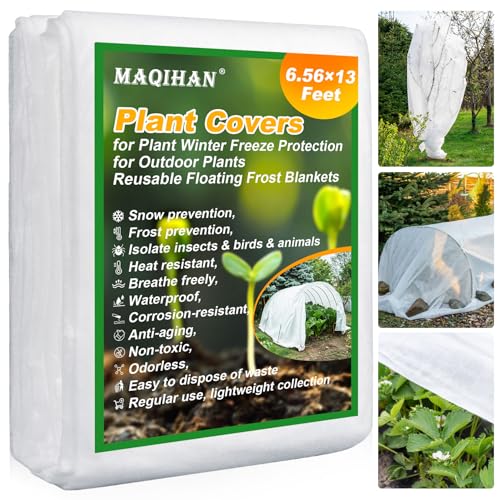
A lightweight frost cloth is the other one I recommend keeping on hand. If your damage lines up with a cold snap, you’ll want it ready to cover your plants before the next chilly night.
Cold Damage and Refrigerator Burn
Cold is the most common reason basil leaves turn black. Basil is a tender annual that loves heat, and temperatures below 50°F cause chilling injury that shows up as black or brown leaves.
Why Basil Hates the Cold
Basil grows best between 70 and 90°F. Once temperatures drop below 50°F, the leaf cells get damaged, and the leaves darken and go limp. A frost will kill the plant outright.
Cold damage often shows up a day after the cold night. The top leaves and the most exposed parts of the plant usually get hit first, while sheltered inner leaves may stay green.
Common situations that lead to cold-blackened basil include:
- Planting outdoors too early in spring
- An unexpected cool night in late spring or early fall
- A pot sitting against a cold window at night
- Cold air from an open window, door, or air conditioner vent
- Watering with very cold water on a cool day
Refrigerator Burn on Cut Basil
If your freshly harvested basil turned black in the crisper drawer, you’re not alone. A refrigerator is far colder than 50°F, so cut basil stored there gets chilling injury and darkens, often within a day or two.

The fix is simple. Store cut basil like a bouquet. Trim the stems, stand them in a glass of water, and keep the glass on the counter out of direct sun.
Change the water every day or two. Stored this way, your basil stays fresh and green much longer than it would in the fridge.
Protecting Outdoor Basil From Cold
Timing matters most. Plant basil outdoors 1 to 2 weeks after your last frost, once nights stay above 50°F. Waiting a little longer is better than rushing it.
When nights dip toward 50°F, cover outdoor basil with frost cloth in the evening. Remove it in the morning once the air warms up. Potted basil is even easier to protect, since you can just bring it inside.

Indoors, keep pots away from drafty windows at night. If your only bright window gets cold, consider moving the plant under a light instead. My guide to the best grow lights for indoor plants can help you choose one.
Basil Downy Mildew
Basil downy mildew is a serious disease that turns basil leaves yellow, then brown or black. It’s caused by a fungus-like organism called Peronospora belbahrii, and it spreads fast in humid weather.
How to Recognize Downy Mildew
The first sign is yellowing between the veins on the top of the leaf. It often starts on lower leaves and can look a lot like a nutrient problem at first glance.
Flip the leaf over. If you see gray-purple fuzz on the underside, that’s downy mildew. As the disease progresses, the yellow areas turn brown or black, and leaves may drop.
Here’s how downy mildew differs from look-alikes:
| Symptom | Downy Mildew | Nitrogen Deficiency | Cold Damage |
|---|---|---|---|
| Yellowing pattern | Between veins | Whole older leaves | Rarely yellow first |
| Fuzz under leaf | Gray-purple | None | None |
| Spread | Fast in humid weather | Slow, oldest leaves first | After a cold night |
| Later stage | Brown or black leaves | Pale, weak growth | Black, limp leaves |
Why It Spreads So Quickly
Downy mildew loves moisture. Humid weather, wet leaves, and crowded plants with poor airflow give it everything it needs. Spores can travel through the air and splash between plants.

That’s why a single infected plant can quickly affect a whole bed. Grocery-store basil pots, which hold many crowded seedlings, can also be a source if the plants are already infected.
What to Do About It
My advice is to act quickly. Remove infected plants, put them in a bag, and throw them away. Do not compost them, because the disease can survive and spread.
For future plantings, choose downy mildew–resistant basil varieties. Space plants 12 to 18 inches apart for good airflow, and water at the base in the morning so the leaves stay dry.

If you catch it very early on one or two leaves, you can harvest the healthy parts right away. Just don’t expect infected leaves to turn green again.
Bacterial Leaf Spot and Fungal Problems
Bacterial leaf spot causes small black or brown water-soaked spots on basil leaves. Several fungal problems, like gray mold and fusarium wilt, can also cause dark leaves and dying plants.
Bacterial Leaf Spot
Bacterial leaf spot shows up as black or brown spots that look wet or greasy. The spots may be scattered across the leaf or cluster together into larger dark patches.
The bacteria spread through water. Overhead watering, rain splash, and leaves that stay wet for hours all help it move from leaf to leaf and plant to plant.
To manage it:
- Pick off spotted leaves and throw them away
- Water at the base of the plant, never over the top
- Water in the morning so any splashed leaves dry quickly
- Space plants for airflow
- Clean your scissors between plants when you harvest
Gray Mold and Other Fungal Issues
Gray mold causes soft, dark, decaying patches on leaves and stems, often with a fuzzy gray coating. It thrives in cool, damp, crowded conditions, especially in dense plantings.
Damping-off is another fungal problem, but it affects seedlings. Young seedlings suddenly collapse at the soil line and die. Using clean potting mix and avoiding soggy soil helps prevent it.
Powdery mildew can show up on basil, but it’s uncommon. It looks like a white, powdery coating rather than black spots, so it’s easy to tell apart.
Fusarium Wilt
Fusarium wilt is one of the toughest basil diseases. Look for stunted growth, sudden wilting, and brown streaks running along the stem. Leaves may darken and drop as the plant declines.
There’s no cure for fusarium wilt. Pull and discard infected plants, and don’t replant basil in the same soil. Use resistant varieties and clean soil or fresh potting mix for your next plants.
Overwatering and Root Rot
Overwatering is one of the most common reasons basil declines, and it can turn leaves black. When roots sit in soggy soil, they rot, and the plant can’t move water or nutrients to its leaves.
Signs Your Basil Is Overwatered
Overwatered basil often looks thirsty, which is confusing. The plant wilts even though the soil is wet. Lower leaves may yellow, then darken to brown or black.
Other signs include:
- Soil that stays wet for days after watering
- A sour or musty smell from the pot
- Dark, mushy stems near the soil line
- Brown or black, soft roots instead of white, firm ones
- Fungus gnats hovering around the pot
If you’re seeing several of these, check out my guide on why a basil plant is dying for a full rescue plan.
How Much Water Basil Really Needs
Basil needs about 1 inch of water a week. The goal is soil that stays evenly moist but never soggy. H