The first time a basil plant starts to fade from bright green to patchy white, it can feel a bit like watching a favorite recipe go wrong halfway through.
One day the leaves look lush and glossy, and the next there are pale spots, powdery patches, or whole leaves turning ghostly light. It is natural to wonder why basil plant leaves turning white and whether the plant can still be saved.

The good news is that this problem almost always has a clear cause and a practical fix. The way the whiteness shows up is a big clue. A powdery coating points in one direction, tiny white dots point in another, and bleached, papery patches suggest something else entirely. Once those patterns make sense, it becomes much easier to act with confidence instead of guessing.
At Gardening Elsa, the focus is on science-backed, real-world gardening advice that works in small apartments, sunny patios, and backyard beds alike. By the end of this guide, the main reasons why basil plant leaves turning white will be clear, along with step-by-step ways to fix each one. Expect simple diagnostics, five main causes to check, and easy changes that help basil bounce back to that rich, fragrant green.
Key Takeaways
- White basil leaves are almost always a stress signal. The pattern of the white color—spots, patches, or full-leaf fading—points toward the real cause. Once that pattern is clear, guessing stops and targeted action starts.
- Five main issues answer the question of why basil plant leaves turning white. These are nutrient problems, overcrowded roots, fungal diseases, sap-sucking pests, and issues with light or watering. Most of these problems are fixable at home with simple tools.
- Prevention is easier than rescue for most basil problems. Good spacing, consistent watering, plenty of sun, and quick weekly checkups catch trouble before it spreads. These habits keep leaves green and the plant productive for longer.
- Gardening Elsa focuses on clear, science-based steps. Whether basil grows on a kitchen counter or in a raised bed, the same careful, practical approach can bring it back to health.
How To Diagnose Why Your Basil Leaves Are Turning White
Before reaching for a spray bottle or fertilizer, it helps to look very closely at the basil leaves. How the white color appears often matters more than the simple fact that it is there. This is where a gardener shifts into detective mode and starts matching symptoms to likely causes.
Start by checking several leaves from different parts of the plant:
- Look at older leaves near the bottom.
- Inspect new tips at the top.
- Turn leaves over to see both upper and lower surfaces.
- Note whether the whole leaf is turning pale, or if the whiteness shows as dots, blotches, or a coating that might rub off.
Try to notice whether the affected leaves are on just one side of the plant, only on the top growth, or scattered everywhere. That pattern helps separate sun damage from nutrient problems and pests from diseases.
“The best fertilizer is the gardener’s own shadow.” — Chinese proverb
Spending a bit of time simply looking at your basil often reveals more than any product label.
The guide below links common visual patterns with the most likely causes. It will not replace closer reading of each section, but it gives a quick map of what to investigate first.
| Appearance Of Whiteness | Likely Cause |
|---|---|
| Uniform pale green or white on older leaves first | Nitrogen or other nutrient deficiency |
| Tiny white or yellow dots across the leaf | Spider mites, thrips, or leafhoppers |
| White powdery or dusty coating on the leaf surface | Powdery mildew (fungal disease) |
| Dark fuzzy growth on leaf undersides with yellowing on top | Downy mildew (fungal disease) |
| Large bleached, dry, papery patches on sun-exposed leaves | Sunscald from too much direct sun |
| Overall pale, stretched, leggy plant | Not enough light |
Once the pattern on the leaves matches one of these descriptions, the next step is straightforward. The following sections walk through each cause in more detail and show how to fix it with simple, clear steps.
5 Reasons Your Basil Leaves Are Turning White (And How To Fix Them)
Most cases of basil leaves turning white fit into five main groups. Each one has telltale signs, a simple explanation, and a set of practical actions that help the plant recover. Working through them one by one is the fastest way to answer why basil plant leaves turning white in a specific pot or bed.
Reason 1 – Nutrient Deficiencies (Especially Nitrogen)
When basil cannot access the nutrients it needs, the leaves lose their deep green color. A lack of nitrogen is the most common issue, especially in pots where the soil volume is small. The usual pattern is older, lower leaves that turn a uniform pale yellow or whitish green, while the new leaves on top still look fairly normal.
This happens because nitrogen moves within the plant. When the plant runs short, it pulls nitrogen out of older leaves to keep new growth alive. Those lower leaves then fade, weaken, and may drop. In containers, frequent watering can wash nutrients out of the soil, and crowded pots make the problem worse as plants compete for the same limited supply.
Other nutrients can create similar pale or white patterns:
- Magnesium deficiency: Yellowing between the veins on older leaves while the veins stay green.
- Iron deficiency: Young leaves turn yellow or almost white all over, often when the soil is too alkaline.
- General nutrient shortage: Slow growth, small leaves, and overall pale color, especially in very old potting mix.
There are several simple ways to restore nutrients and keep basil greener:
- Use a balanced liquid fertilizer with a higher first number in the NPK ratio, such as 10-5-5, every two to four weeks.
- Repot into fresh, high-quality potting mix if the soil is more than a year old or looks tired and compacted.
- Mix in compost or well-rotted manure for a slow, steady supply of nutrients in garden beds.
- Use a light foliar spray of Epsom salt (magnesium sulfate) in water to ease magnesium issues.
- Add chelated iron or a soil acidifier if a high pH is locking iron in the soil.
Always dilute liquid fertilizer to half-strength for container basil to avoid root burn, and watch for healthy new growth as the first sign of recovery. Old white or yellow leaves may not fully regain color, but new leaves should come in deeper green.
Reason 2 – Overcrowding And Root Competition
A pot packed with herbs may look charming at first, but basil often pays the price. When several plants share a small container, or when basil grows right next to woody herbs such as rosemary, sage, or thyme, competition under the soil becomes intense. The basil plant, with its softer annual roots, usually loses.
The signs can look a lot like a simple nutrient deficiency:
- Leaves turn pale and weak even when fertilizer is added.
- Growth seems to stall; stems stay thin and short.
- The plant wilts quickly after watering and then perks up, a sign of stressed roots.
- In extreme cases, roots circle the pot or form a dense mat at the bottom.
In many cases, the strongest roots grab most of the water and nutrients before basil has a chance to use them. Above the soil, crowded foliage traps moisture and blocks airflow, which sets the stage for fungal diseases as well.
The best fix is to give basil more personal space:
- A single basil plant does well in a pot about 8 to 10 inches across with drainage holes so water can flow out freely.
- In garden beds, plants spaced 6 to 8 inches apart get enough room for roots and leaves.
- In a mixed herb container, gentle neighbors such as parsley or cilantro are better companions than tough, drought-loving Mediterranean shrubs.
For city and balcony gardeners, this change can be the key difference between a sad plant and a thriving one. As Gardening Elsa often explains, giving basil its own dedicated pot is one of the single best things you can do for its long-term health.
Reason 3 – Fungal Diseases — Powdery Mildew And Downy Mildew
Fungal diseases are a common answer to why basil plant leaves turning white, especially in humid conditions or where plants sit close together. Two problems show up most often: powdery mildew and downy mildew. They look similar at first glance but behave very differently.
Powdery mildew is easier to spot and often easier to manage. It shows as white or grayish, dusty patches on the upper surfaces of leaves, stems, and even flower buds. At first, the spots may be small and scattered, but they can spread until the entire leaf looks dusted with flour. This fungus likes high humidity combined with poor airflow, even when leaves are not wet. Over time the coating blocks light, weakens the leaf, and can lead to yellowing and drop.
Downy mildew is far more serious for basil. The first sign is usually soft yellow patches on the top of the leaves, often shaped by the leaf veins. The real giveaway sits underneath, where a fuzzy, gray to purple growth forms. That downy layer holds the spores that spread to new leaves. This disease loves cool, damp conditions and moves quickly through a planting if not checked.
“An ounce of prevention is worth a pound of cure.” — Benjamin Franklin
That old saying describes basil diseases very well: preventing mildew is far easier than trying to fix heavy infections.
Practical steps for managing these diseases include:
- For powdery mildew:
- Thin crowded growth so air can move through the plant.
- Water at the base in the morning so leaves dry fast.
- Avoid wetting the foliage whenever possible.
- Use organic sprays such as neem oil or a mild mix of baking soda, water, and a small amount of liquid soap at the first sign of spots.
- For downy mildew:
- Remove and discard infected leaves or whole plants in the trash, not the compost.
- Improve spacing and airflow around remaining plants.
- Avoid overhead watering and late-evening irrigation that keeps leaves damp at night.
- In areas where this disease returns regularly, grow resistant basil varieties and use preventatively labeled fungicides before cool, damp weather arrives.
Downy mildew is far more destructive than powdery mildew, so early removal is critical to protecting healthy plants nearby. If downy mildew has wiped out basil in your garden before, starting fresh in clean containers with new potting mix can greatly reduce the risk.
Reason 4 – Pest Infestations — Spider Mites, Thrips, And Leafhoppers
Very small insects can cause big problems for basil leaves. Many of them feed by piercing the leaf and sucking out the sap, which removes chlorophyll from tiny spots and leaves behind pale dots, streaks, or mottled areas. When wondering why basil plant leaves turning white with a speckled look, sap-sucking pests are often the answer.
Common offenders include:
- Spider mites: A frequent issue on indoor basil and in hot, dry outdoor spots. Damage looks like a fine spray of tiny white or yellow dots over the leaf surface. As the infestation grows, leaves may take on a bronze shade, curl, or dry up. The clearest sign is very fine, silky webbing on the undersides of leaves and where stems meet.
- Thrips: These insects scrape and suck, leaving silvery white streaks and patches along with tiny black specks of waste on the leaves.
- Leafhoppers: These create small white or yellow dots and will jump or fly when the plant is brushed.
Because the insects themselves are tiny, a magnifying glass or zoomed phone camera can help confirm what you are dealing with.
Control starts with gentle but thorough physical removal:
- Rinse plants with a firm spray of water, paying special attention to the undersides of leaves.
- Repeat this rinse every few days while you work on longer-term control.
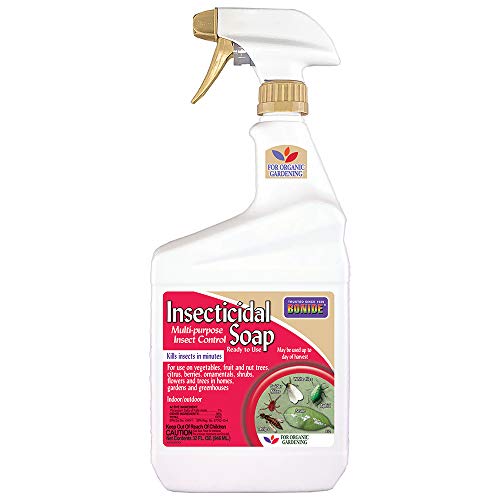
- Follow up with insecticidal soap or neem oil, applied to all leaf surfaces.
- Repeat treatments every five to seven days until you see no new damage.
Indoor basil often benefits from slightly higher humidity, which makes life harder for spider mites. Outdoors, beneficial insects such as ladybugs and lacewings help keep thrips and leafhopper numbers down. Always inspect the undersides of your basil leaves, because that is where most pests hide and feed.
Reason 5 – Improper Sunlight And Watering
Even when no pests or diseases are present, environmental stress can still explain why basil plant leaves turning white. Light and water are the two biggest factors here, and both too much and too little can lead to pale, damaged foliage.
Sunscald looks very different from nutrient problems or pest damage. It usually affects leaves that face the sun most directly, especially after an indoor plant moves outside too quickly. The damaged areas:
- Turn bleached white or tan.
- Feel dry and papery.
- Never regain their color.
The rest of the plant may look fairly healthy. This happens when leaves that grew in gentle light suddenly face strong midday sun without time to adjust.
To prevent sunscald when moving basil outdoors:
- Start with a few hours of morning sun and bright shade the rest of the day.
- Add an extra hour or two of direct sun every couple of days.
- After a week or so, basil can usually handle six or more hours of direct light.
On the other side, plants that do not receive enough light grow thin, tall stems with small, pale leaves. Instead of a full, bushy plant, the stems stretch toward the nearest window or light source. Because the plant cannot make enough chlorophyll, the whole plant can look washed out.
Basil grown indoors usually needs a south-facing window or a full-spectrum grow light running for 12 to 14 hours a day to stay strong. Outdoors, aim for six to eight hours of direct sun.
Watering habits add another layer:
- Overwatering: Constantly soggy soil keeps roots from getting oxygen, and root rot may set in. When roots are damaged, leaves can wilt and turn pale or yellow even though the pot feels wet.
- Underwatering: Causes sharp wilt and, if it repeats, dry, yellow-brown edges that may follow a brief pale phase.
The best routine sits between these extremes:
- Use a light, well-draining potting mix and a container with drainage holes.
- Water deeply when the top inch of soil feels dry to the touch.
- Let extra water flow out of the pot; never leave basil sitting in a saucer of water.
- During very hot weather, basil in small pots may need water every day, while larger containers or garden beds may hold moisture longer.
With steady light and thoughtful watering, many cases of pale or white basil leaves fade away as new, healthy growth appears.
Conclusion
White or pale basil leaves might look alarming, but they rarely appear without a reason. In most cases, the cause fits into one of five groups: nutrient shortages, crowded or struggling roots, fungal diseases, sap-feeding pests, or problems with light and water. Once the pattern on the leaves is linked with these causes, the path forward becomes much clearer.
The way the whiteness shows up is the strongest clue. Spots, streaks, powdery coatings, uniform fading, and bleached patches all tell slightly different stories. Paying attention to these details turns a confusing situation into a simple checklist and helps answer why basil plant leaves turning white in a particular pot or bed.
Taking action early makes recovery faster, but even a plant that looks rough can often push out new, healthy growth with the right care. Gardening Elsa is here to guide that process with clear, science-based advice that fits windowsills, balconies, and backyard gardens alike. For deeper dives into herbs, container gardening, and plant troubleshooting, explore more guides and feel free to share basil successes or questions along the way.
FAQs
Can White Basil Leaves Turn Green Again?
Whether white basil leaves can turn green again depends on what caused the damage and how severe it is. Leaves bleached by sunscald or badly scarred by pests or fungi are permanently changed and will not regain their original color. Leaves that turned pale from nutrient shortages or low light sometimes regain part of their green shade once the problem is fixed. Often, the best approach is to focus on creating good conditions so new growth comes in strong and healthy, then gradually remove the most damaged older leaves.
Why Are My Basil Leaves Turning White After Repotting?
When basil leaves start turning white or pale right after repotting, transplant shock is the most likely reason. The roots have been disturbed, light conditions may have changed, and the plant needs time to adjust. Make sure the new container has drainage holes and fresh, high-quality potting mix that is slightly moist, not soaked. Keep the plant in bright but indirect light for a few days, water gently, and hold off on fertilizer until new growth appears and the plant settles in. If the top leaves perk up after a week or two, the plant is usually on the right track.
Is It Safe To Eat Basil Leaves That Have Turned White?
In many cases, pale basil leaves are still safe to eat, especially when the change comes from mild sunscald or early nutrient problems. If the leaves look mostly intact and smell normal, they can still go into sauces or pesto, though the flavor may be weaker. Leaves with clear signs of fungal growth, such as powdery or fuzzy coatings, should not be eaten. Likewise, heavily chewed or badly speckled leaves from serious pest damage are best removed and thrown out, while healthy-looking leaves from the same plant remain fine to harvest.
How Often Should I Fertilize Basil To Prevent White Leaves?
For most basil plants grown in containers, a balanced liquid fertilizer every two to four weeks during the growing season works well. The smaller the pot and the more often it is watered, the faster nutrients wash out, so container basil usually needs feeding more often than plants in garden beds. Always follow the label directions and mix the fertilizer at half-strength, especially for indoor plants, to avoid burning the roots. Combined with good light and steady moisture, this schedule helps prevent nutrient-related leaf fading and keeps the plant productive.

Hello there! I’m Elsa, and gardening is my passion. As an avid gardener, I created GardeningElsa.com to share my knowledge and experience with fellow enthusiasts. My website is a comprehensive resource for gardeners of all levels, offering expert advice on a wide range of topics, including plants, flowers, herbs, and vegetable gardening. Whether you’re a beginner looking to start your first garden or a seasoned pro seeking to expand your knowledge, GardeningElsa.com has something for everyone. Read more about me.