
Azaleas are beautiful flowering shrubs that thrive in acidic soil. Many gardeners wonder if mushroom compost is a good choice for these plants. Mushroom compost is not recommended for azaleas due to its alkaline nature and high salt content.
Azaleas prefer soil with a pH between 5.5 and 6.2. Mushroom compost often has a higher pH and can raise soil alkalinity. This can make it harder for azaleas to absorb nutrients, potentially leading to poor growth or even plant death.
The high salt levels in mushroom compost can also harm azaleas. When exposed to salty soil, these plants are sensitive to salt and may suffer from leaf burn or root damage. For healthier azaleas, it’s better to use compost specifically designed for acid-loving plants or create a custom mix with pine bark, peat moss, and other acidic materials.
Understanding Azaleas
Azaleas are popular flowering shrubs known for their vibrant blooms and specific growing needs. These plants thrive in certain soil conditions and require careful attention to soil acidity.

Azaleas belong to the Rhododendron genus and are prized for their showy flowers. They come in many colors, including pink, red, white, and purple. Most azaleas are evergreen, keeping their leaves year-round.
These shrubs typically grow 3-6 feet tall, but some varieties can reach up to 12 feet. Azaleas have shallow root systems and prefer partial shade, making them ideal for woodland gardens.
Their blooming period varies by species, with some flowering in spring and others in summer or fall.
The Importance of Proper Soil Conditions for Azaleas
Azaleas need well-draining soil rich in organic matter. Good drainage prevents root rot, a common problem in these plants. The ideal soil mix for azaleas in pots is:
- 50% organic material (peat moss or compost)
- 50% coarse, gritty material (perlite or sand)
This blend provides the right balance of moisture retention and drainage. In gardens, amending native soil with organic matter improves growing conditions for azaleas.
Regular mulching with materials like pine bark helps maintain soil moisture and adds acidity over time.
Azaleas and Soil Acidity Preferences
Azaleas are acid-loving plants that thrive in soil with a pH between 4.5 and 6.0. This acidic environment is crucial for their health and flower production. In neutral or alkaline soils, azaleas may develop yellowing leaves, a sign of nutrient deficiency.
To maintain the right pH:
- Use ericaceous compost when planting
- Apply acidic fertilizers made for azaleas
- Avoid lime or wood ash near these plants
Regular soil testing helps monitor pH levels. If needed, sulfur or aluminum sulfate can lower soil pH for azaleas.
Check out Is Mushroom Compost Good for a Vegetable Garden?
Exploring Mushroom Compost
Mushroom compost is a popular soil amendment used by many gardeners. It has unique properties that can benefit plants when used correctly.
What is Mushroom Compost?
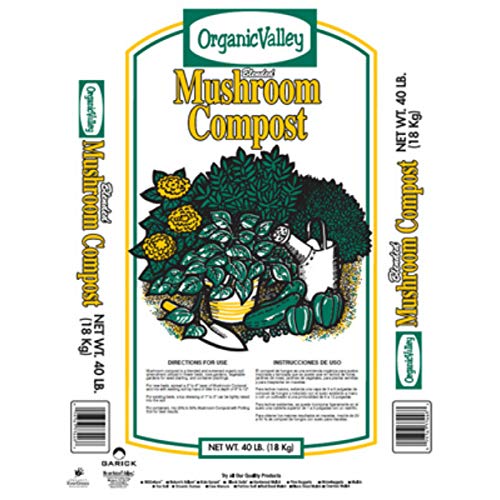
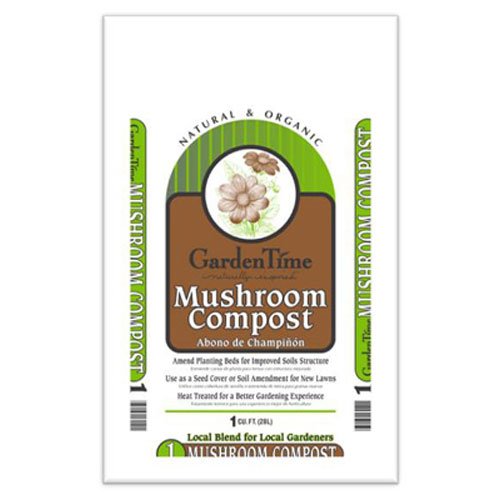
Mushroom compost is the leftover growing medium from mushroom farms. It’s made from a mix of materials like straw, peat moss, and manure. These ingredients are composted and used to grow mushrooms. After the mushroom harvest, farmers sell the remaining compost.
This compost is rich in organic matter. It contains nutrients that were not used up by the mushrooms. Many gardeners use it to improve their soil. Mushroom compost can help retain moisture and add nutrients to garden beds.

Components and Properties of Mushroom Compost
Mushroom compost has several key components:
- Organic matter from straw and other plant materials
- Gypsum, which adds calcium and sulfur
- Nitrogen from chicken or horse manure
- Peat moss for moisture retention
The compost is usually slightly alkaline, with a pH between 6.5 and 7.5. It contains soluble salts, which can be good or bad depending on the plant. Mushroom compost is high in calcium, nitrogen, and potassium.
Mushroom Compost and Soil Structure
Mushroom compost can improve soil structure in several ways:
- It adds organic matter, which helps sandy soils hold water better.
- It can loosen heavy clay soils, improving drainage.
- The compost increases the soil’s ability to hold nutrients.
When mixed into garden soil, mushroom compost creates air pockets. These spaces allow roots to grow more easily and help water move through the soil. The organic matter in the compost also feeds helpful soil microbes.
Check out 15 Vegetables That Like Mushroom Compost
The Benefits of Mushroom Compost for Gardens
Mushroom compost offers several advantages for gardens. It improves soil quality, helps with water retention, and boosts plant growth.

Improving Soil Quality with Mushroom Compost
Mushroom compost acts as a great soil amendment. It adds organic matter to the soil, making it lighter and easier to work with. This improves soil structure and aeration.
The compost helps balance soil pH levels. It’s especially good for clay soils, making them less compact. For sandy soils, it increases their ability to hold nutrients.
Mushroom compost also adds beneficial microorganisms to the soil. These tiny helpers break down organic matter and release nutrients for plants to use.
Water Retention and Nutrient Supply
Mushroom compost excels at holding water. It can absorb up to twice its weight in water. This means less frequent watering for your garden.
The compost slowly releases nutrients as it breaks down. It provides a steady supply of nitrogen, phosphorus, and potassium. These are key nutrients that plants need to grow strong and healthy.
It also contains trace elements like calcium and magnesium. These help prevent nutrient deficiencies in plants.
Attracting Earthworms and Enhancing Plant Growth
Earthworms love mushroom compost. They’re drawn to the organic matter it provides. As they move through the soil, earthworms create tunnels. This improves soil drainage and aeration.
The compost stimulates root growth. Stronger roots lead to healthier plants that can better resist pests and diseases.
Plants grown in soil amended with mushroom compost often show increased yields. Vegetables tend to be larger and more flavorful. Flowers may bloom more profusely and for longer periods.
Check out How to Use Mushroom Compost in Vegetable Garden?
Mushroom Compost and Azaleas
Mushroom compost can be tricky to use with azaleas. Its pH and salt levels may not match azaleas’ needs. Let’s look at how mushroom compost affects these plants.
Is Mushroom Compost Suitable for Azaleas?
Azaleas like acidic soil. Mushroom compost is often alkaline. This mismatch can cause problems for azaleas. The compost may have high levels of chalk or lime. These raise soil pH above what azaleas prefer.
Azaleas also don’t do well with too much salt. Mushroom compost tends to be high in salts. This can harm azalea roots and leaves.
It’s best to test mushroom compost before using it on azaleas. If it’s too alkaline or salty, it’s not a good fit. Other compost types may work better for these acid-loving shrubs.
Evaluating Soil pH Changes
Mushroom compost can change soil pH. Azaleas need acidic soil with a pH of 4.5 to 6.0. Adding alkaline compost can raise the pH too high.
A soil test can show the current pH. It also helps track changes after adding compost. If pH rises, azaleas may show signs of stress. Yellow leaves can be a sign of pH problems.
To keep soil acidic, use compost made for acid-loving plants. Pine needles or oak leaves can help lower pH. Sulfur or aluminum sulfate can also make soil more acidic if needed.
Addressing Salt Content in Mushroom Compost
High salt levels in mushroom compost can harm azaleas. Salt can burn roots and dry out plants. It’s hard for azaleas to take up water when soil has too much salt.
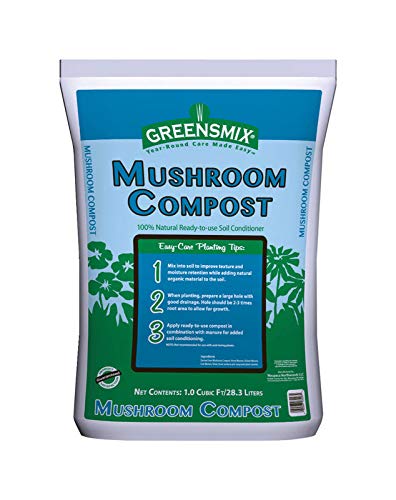
To reduce salt risks, use mushroom compost sparingly. Mix it with low-salt materials like peat moss. This dilutes the salt content.
Watering deeply can help flush out excess salts. Good drainage is key to prevent salt buildup. If using mushroom compost, monitor azaleas for signs of salt stress. Brown leaf edges or stunted growth may mean there’s too much salt.
Check out Will Mushroom Compost Kill Grass?
Best Practices for Using Mushroom Compost with Azaleas
Mushroom compost can benefit azaleas when used carefully. The key is to apply it in small amounts and take steps to reduce its salt content.
Appropriate Application of Mushroom Compost
Mix mushroom compost with garden soil before using it on azaleas. A ratio of 20-30% compost to 70-80% soil works well. This balances nutrients while lowering salt levels.
Apply the compost-soil mix as a thin layer around azalea plants. Spread it 2-3 inches deep, keeping it away from the stems. This top-dressing feeds the plants slowly over time.
For new plantings, work some of the mix into the planting hole. But don’t use too much – a little goes a long way with azaleas.
Water azaleas well after applying compost. This helps leach out excess salts.
Avoiding Potential Issues with Mushroom Compost
Let mushroom compost age for a few months before using it on azaleas. Fresh compost can burn plants with its high salt content.
Don’t use mushroom compost as mulch for azaleas. Its alkaline pH can harm these acid-loving plants over time.
Avoid putting compost directly on azalea leaves or stems. This can lead to burning or fungal issues.
Test your soil pH regularly when using mushroom compost. If it gets too high, switch to an acidic mulch like pine needles.
For very salt-sensitive azaleas, use other compost types instead. Leaf mold or well-rotted manure are good choices.

Alternative Soil Amendments for Azaleas
Azaleas need acidic, well-draining soil to thrive. While mushroom compost can be helpful, there are other options to improve soil for these plants.
Organic and Inorganic Options
Peat moss is a popular choice for azaleas. It’s acidic and holds moisture well. Mix it with native soil to boost acidity and drainage.
Pine bark or pine needles work great too. They slowly break down, adding acidity over time. Spread a 2-3 inch layer around plants yearly.
Sulfur lowers soil pH quickly. Apply it carefully, following package instructions. It’s best used before planting.
For a natural approach, try coffee grounds. They’re slightly acidic and add nutrients. Sprinkle used grounds around plants monthly.
Ericaceous compost is made for acid-loving plants like azaleas. It contains materials that maintain low pH levels.
Comparing Mushroom Compost with Other Amendments
Mushroom compost has pros and cons for azaleas. It improves soil structure but may not be acidic enough on its own.
Peat moss is more acidic than mushroom compost. It’s great for azaleas but costs more and isn’t as renewable.
Manure adds nutrients but can be too alkaline. It’s best mixed with other acidic materials for azaleas.
Ericaceous compost is specially made for acid-loving plants. It’s often a better choice than mushroom compost for azaleas.
For the best results, mix different amendments. This creates ideal soil conditions for healthy azalea growth.

Conclusion
Mushroom compost is not ideal for azaleas. These plants prefer acidic soil, while mushroom compost is slightly alkaline. Using it could disrupt the pH balance azaleas need to thrive.
Azaleas are ericaceous plants that require specialized care. Mushroom compost can be too rich for their delicate root systems. It may lead to nutrient imbalances or root burn.
For azaleas, it’s better to use specially formulated ericaceous compost. This type maintains the acidic conditions these shrubs need. Gardeners should avoid mushroom compost for azaleas and other acid-loving plants.
Mushroom compost still has many uses in the garden. It works well for plants that prefer neutral or slightly alkaline soil. It can improve soil structure and add nutrients to vegetable gardens and flower beds.
When choosing compost for azaleas, always check the pH level. Stick to acidic options to keep these beautiful shrubs healthy and blooming. With the right soil conditions, azaleas will reward gardeners with stunning flowers year after year.
Check out Is Mushroom Compost Good for Dahlias?
Frequently Asked Questions
Mushroom compost can be tricky to use with azaleas. Let’s look at some key things to know about using this compost for these plants.
What are the benefits of using mushroom compost for azalea plants?
Mushroom compost can help soil hold more water. It also gives plants nutrients they need to grow. The compost makes soil drain better, which azaleas like.
Can mushroom compost negatively affect azaleas?
Yes, mushroom compost can harm azaleas if not used right. It’s often too alkaline for these plants. Azaleas need acidic soil to thrive. Using too much mushroom compost may raise soil pH too high.
How does mushroom compost compare to other composts for azaleas?
Other composts may work better for azaleas. Pine bark or rotted leaves are good choices. These materials keep soil acidic. Mushroom compost can make soil less acidic over time.
What is the recommended method for applying mushroom compost to azaleas?
Mix a small amount of mushroom compost into the soil around azaleas. Don’t use more than 10% compost in the mix. Test soil pH before and after adding compost. Add sulfur if needed to keep soil acidic.
Are there specific conditions under which mushroom compost should not be used for azaleas?
Don’t use mushroom compost if soil is already alkaline. Skip it for newly planted azaleas too. Avoid using it with other acid-loving plants like rhododendrons and camellias.
How often should mushroom compost be applied to azalea plants?
Apply mushroom compost once a year at most. Use it in spring before new growth starts. Check soil pH each year before adding more. Stop using it if soil becomes less acidic.

Hello there! I’m Elsa, and gardening is my passion. As an avid gardener, I created GardeningElsa.com to share my knowledge and experience with fellow enthusiasts. My website is a comprehensive resource for gardeners of all levels, offering expert advice on a wide range of topics, including plants, flowers, herbs, and vegetable gardening. Whether you’re a beginner looking to start your first garden or a seasoned pro seeking to expand your knowledge, GardeningElsa.com has something for everyone. Read more about me.
