
Gardeners are always on the lookout for ways to boost their flower beds. Mushroom compost is a popular soil amendment that many green thumbs swear by. This organic material comes from the leftovers of mushroom farming and packs a punch when it comes to nutrients.
Mushroom compost can be good for flowers, providing nutrients and improving soil structure. It’s rich in organic matter that helps retain water and feeds beneficial microbes in the soil. These qualities can lead to healthier plants and more vibrant blooms in your garden.
But it’s not a one-size-fits-all solution. Some flowers, especially those that prefer acidic soil, may not do well with mushroom compost. It’s often alkaline and can change soil pH. Before using it, testing your soil and knowing what your flowers need is smart. With the right approach, mushroom compost can be a valuable tool for growing beautiful flowers.
What Is Mushroom Compost?
Mushroom compost is a recycled by-product from mushroom farming. It’s made up of organic materials used to grow mushrooms commercially.
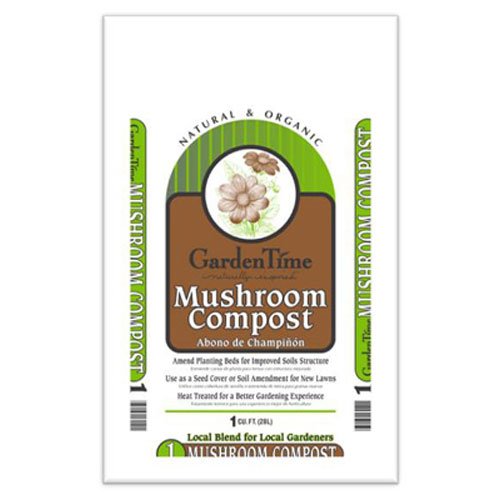
The main ingredients in mushroom compost include:
- Straw
- Hay
- Horse or chicken manure
- Gypsum
- Soybean or cottonseed meal
- Corn cobs
- Horse bedding
These materials are mixed and composted before mushrooms are grown in them. After the mushroom harvest, the leftover substrate becomes mushroom compost.
Mushroom compost is rich in organic matter. It helps improve soil structure and water retention. The compost typically has a pH of around 6.6-6.7, which works for many plants.
Farmers and gardeners use mushroom compost as a soil amendment. It adds nutrients and beneficial microorganisms to the soil. This can boost plant growth and health.
One thing to note is that mushroom compost may be high in salts. This can affect some plants negatively. It’s a good idea to test the compost before using it widely.
Check out Is Mushroom Compost Good for Azaleas?
Benefits for Soil Structure and Composition
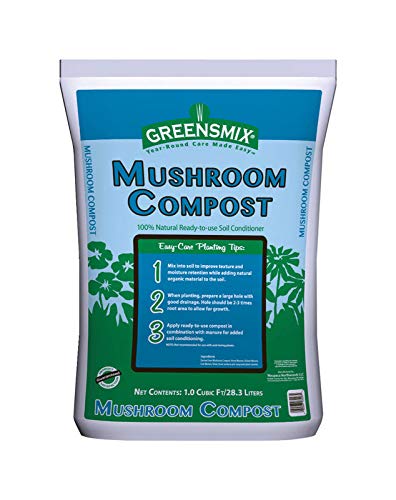
Mushroom compost offers major advantages for soil health. It improves structure, boosts water retention, and adds key nutrients plants need to thrive.
Improving Soil Structure
Mushroom compost enhances soil structure in several ways. It adds organic matter that loosens heavy clay soils. This creates more air pockets and prevents compaction.
The compost also helps sandy soils clump together better. This stops nutrients from washing away too quickly.
As a result, roots can spread out more easily. They access to water and nutrients better. Plants grow stronger and healthier overall.
Enhancing Water Retention
The organic matter in mushroom compost acts like a sponge. It soaks up water and holds onto it longer. This means less frequent watering is needed.
Plants have a steady supply of moisture, even during dry spells. The improved soil structure also helps water soak in rather than run off.
This water retention is great for flowers. It keeps them from wilting as quickly on hot days. It also reduces stress on the plants.
Adding Nutrients to the Soil
Mushroom compost is packed with nutrients plants need. It contains nitrogen for leaf growth. Phosphorus helps with root development and flowering.
The compost also supplies potassium, calcium, and magnesium. These support overall plant health and vigor.
These nutrients are released slowly over time. This provides a steady food supply for flowers throughout the growing season.
As a bonus, mushroom compost feeds helpful soil microbes. These break down organic matter and make even more nutrients available to plants.
Check out Is Mushroom Compost Good for a Vegetable Garden?
Mushroom Compost and pH Levels
Mushroom compost affects soil pH in important ways. This impacts which flowers grow best with it. The pH level and alkalinity of mushroom compost influence how plants absorb nutrients.
Understanding pH Impact
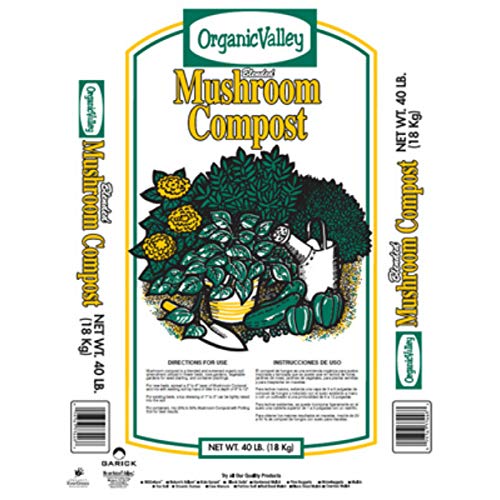
Mushroom compost tends to be slightly alkaline. Its pH usually ranges from 6.5 to 8.0. This makes it good for many flowers that like neutral to slightly alkaline soil.
The compost can raise soil pH over time. This helps balance acidic soils. For gardens with alkaline soil, using less mushroom compost is smart.
Lime in mushroom compost adds to its alkaline nature. This lime comes from materials used to grow mushrooms. It helps neutralize acids in the soil.
Suitability for Acid-Loving Plants
Acid-loving plants don’t do well with mushroom compost. These include rhododendrons, azaleas, and blueberries. Camellias and heather also prefer acidic soil.
Using mushroom compost for these plants can cause problems. It may lead to yellow leaves or poor growth. The high pH makes it hard for them to take up iron and other nutrients.
For acid-loving flowers, other compost types work better. Peat moss or pine needle mulch can help keep soil acidic. If you must use mushroom compost, use it sparingly and monitor soil pH closely.
Check out 15 Vegetables That Like Mushroom Compost
Optimal Use Cases for Mushroom Compost
Mushroom compost works well for many plants and growing situations. It boosts soil health and helps plants thrive when used correctly.

Suitable Plants for Mushroom Compost
Mushroom compost benefits a wide range of plants. Vegetables like tomatoes, peppers, and leafy greens grow very well with it. Herbs also do great in mushroom compost-enriched soil.
Many flowering plants love mushroom compost too. Roses, marigolds, and petunias bloom more with its nutrients. Shrubs and trees, including fruit trees, can use mushroom compost as a soil boost.
Perennials often grow stronger and healthier with mushroom compost added to their soil. It helps them come back year after year with more vigor.
Considering Plant Growth Stages
Mushroom compost works best when mixed into the soil before planting. For young seedlings, use it sparingly to avoid overwhelming them.
As plants grow, they can handle more mushroom compost. Adult vegetables and flowers benefit from top dressing with it during the growing season.
Container plants do well with mushroom compost mixed into their potting soil. It helps retain moisture and gives them nutrients over time.
Spring is a great time to add mushroom compost to garden beds. It preps the soil for the busy growing season ahead.
Check out How to Use Mushroom Compost in Vegetable Garden?
Potential Issues and Considerations
Mushroom compost can be great for flowers, but there are some things to watch out for. It’s smart to know about possible problems before using it in your garden.
Salt Content Concerns
Mushroom compost often has high salt levels. This can hurt some flowers that don’t like salt. Plants like roses and daylilies may not do well with too much salt. If you use a lot of mushroom compost, it might make the soil too salty.
To fix this, mix mushroom compost with other types of compost or soil. This will lower the salt content. You can also water your garden more to wash away extra salt. It’s best to use small amounts of mushroom compost at first and see how your flowers do.
Dealing with Weeds and Fungi
Mushroom compost might bring unwanted guests to your flower beds. Weed seeds can hide in the compost and sprout in your garden. This means more work pulling weeds.
Fungi and bacteria also live in mushroom compost. While many are good for the soil, some might not be. They could spread to your flowers if they’re not healthy.
To avoid these issues, buy compost from trusted sources. Look for compost that’s been heated to kill weed seeds. Use it as a top layer instead of mixing it into the soil. This can help stop weeds from growing.
How to Use Mushroom Compost in Your Garden
Mushroom compost can boost your garden’s health and productivity. It improves soil structure, retains moisture, and provides nutrients to plants. Here’s how to use it effectively in your garden.

Preparing and Curing Compost
Buy aged mushroom compost if possible. It’s ready to use right away. Fresh compost needs curing before use.
To cure fresh compost:
- Spread it in a thin layer
- Let it sit for 2-3 months
- Turn it every few weeks
This process reduces salt content and balances pH levels. Cured compost is dark, crumbly, and smells earthy.
Test the compost pH before use. Ideal pH is between 6.0 and 7.0. Add lime to raise pH or sulfur to lower it if needed.
Application Techniques
Mix mushroom compost into garden soil before planting. Use 2-3 inches of compost for every 6 inches of soil depth.
For existing plants, apply a 1-2 inch layer around the base. Keep it away from stems to prevent rot.
In vegetable gardens, work in 3 inches of compost to the top 6 inches of soil. This improves drainage and aeration.
For container plants, use a mix of:
- 25% mushroom compost
- 75% potting soil
This ratio provides nutrients without making the mix too heavy.
Mulching and Top-Dressing
Mushroom compost makes an excellent mulch. Apply a 2-3 inch layer around plants, trees, and shrubs.
Benefits of mulching with mushroom compost:
- Retains soil moisture
- Suppresses weeds
- Regulates soil temperature
For top-dressing lawns, apply a thin layer (1/4 to 1/2 inch) of compost. Rake it in gently. This improves soil quality over time.
Reapply mulch or top-dressing annually or as needed. This maintains soil health and plant nutrition.

Comparing with Other Compost Types
Mushroom compost has some unique traits compared to other compost types. It tends to hold nutrients longer due to its porous structure. This can be good for flowers that need steady nutrition.
Manure-based composts like chicken or horse manure are often higher in nitrogen. This promotes leafy growth but may not be ideal for all flowering plants. Mushroom compost is usually more balanced.
Peat moss and sphagnum moss improve soil texture but don’t add many nutrients. Mushroom compost does both – it enhances soil structure while providing nutrients.
Some key differences:
- pH: Mushroom compost is slightly alkaline. Peat moss is acidic.
- Nutrient content: Varies between compost types. Mushroom compost is moderate.
- Cost: Mushroom compost can be pricier than basic yard waste compost.
- Availability: Not as common as other composts in some areas.
For flowers, mushroom compost works well as a soil amendment. It improves soil quality and provides slow-release nutrients. But it’s best used in moderation, as it can be strong for some plants.
Other quality composts and organic materials can also benefit flower beds. The best choice depends on your specific soil needs and the types of flowers you’re growing.
Frequently Asked Questions
Mushroom compost can be great for flowers, but it’s not ideal for all plants. Let’s look at some common questions about using this type of compost in gardens.
What are the benefits of using mushroom compost for flowering plants?
Mushroom compost helps flowers grow better. It adds nutrients to the soil that plants need. This compost also holds water well, which keeps flower roots moist. Many flowers bloom more when grown in soil with mushroom compost.
Can mushroom compost negatively affect certain types of plants?
Some plants don’t like mushroom compost. Acid-loving plants such as azaleas and rhododendrons may not do well with it. The compost can change soil pH, making it less acidic. This can harm these types of plants.
Which vegetables benefit most from mushroom compost?
Many veggies grow well with mushroom compost. Tomatoes, peppers, and squash like the nutrients it provides. Leafy greens such as lettuce and spinach also do well. Root crops like carrots and potatoes can benefit too.
How does mushroom compost compare to traditional compost in terms of efficacy?
Mushroom compost works as well as regular compost for most plants. It has similar nutrients that help plants grow. Both types improve soil structure. Mushroom compost might have more calcium, which some plants need.
Are there specific times when mushroom compost should not be used in gardens?
Avoid using mushroom compost for seeds or young seedlings. It can be too strong and may harm them. Don’t use it for plants that need very acidic soil. It’s best to wait until plants are established before adding this compost.
Is mushroom compost suitable for container gardening with flowers?
Mushroom compost can work in containers, but be careful. Use it as part of a mix, not on its own. Add it to potting soil to improve drainage and nutrients. Make sure containers have good drainage holes to prevent water buildup.

Conclusion
Mushroom compost is a great choice for flower gardens. It adds nutrients to the soil and helps plants grow better. This compost improves soil structure and holds water well.
Many flowers do well with mushroom compost. It’s best to use 1-2 inches on top of the soil. For bigger plants like trees, you can use up to 3 inches.
Some plants don’t like mushroom compost. Acid-loving plants should avoid it. It’s smart to test your soil before using this compost.
When used right, mushroom compost can make flowers bloom more. It’s a natural way to feed plants and make soil healthier.
Gardeners can use mushroom compost to help their flowers thrive. It’s a useful tool for growing beautiful, healthy flowers in home gardens.

Hello there! I’m Elsa, and gardening is my passion. As an avid gardener, I created GardeningElsa.com to share my knowledge and experience with fellow enthusiasts. My website is a comprehensive resource for gardeners of all levels, offering expert advice on a wide range of topics, including plants, flowers, herbs, and vegetable gardening. Whether you’re a beginner looking to start your first garden or a seasoned pro seeking to expand your knowledge, GardeningElsa.com has something for everyone. Read more about me.
