
Mushroom compost is a popular soil amendment that many gardeners use to improve their plants’ growth. It’s rich in nutrients and can help boost soil health. But not all plants thrive with this type of compost.
Some plants actually dislike mushroom compost and may grow poorly when exposed to it. This article will look at 20 different plants that don’t do well with mushroom compost. We’ll explore why these plants struggle with it and suggest some better options to use instead.
1. Azalea
Azaleas are beautiful flowering shrubs that thrive in acidic soil. They don’t like mushroom compost because it’s often too alkaline for their needs.
Mushroom compost typically has a high pH level due to its lime content. This can make the soil less acidic, which is not ideal for azaleas.
These plants prefer a soil pH between 4.5 and 6.0. Using mushroom compost could raise the pH above this range, causing problems for the azalea.

When soil becomes too alkaline, azaleas can’t absorb essential nutrients like iron. This leads to yellowing leaves and poor growth.
Instead of mushroom compost, azaleas do better with ericaceous compost. This special mix is made for acid-loving plants like azaleas.
Ericaceous compost helps maintain the acidic soil conditions that azaleas need to thrive. It provides the right nutrients without changing the soil pH.
If you have azaleas in your garden, it’s best to avoid using mushroom compost near them. Stick to acidic fertilizers and composts to keep these plants healthy and blooming.
Check out Is Mushroom Compost Good for Azaleas?
2. Rhododendron
Rhododendrons are beautiful flowering shrubs that thrive in acidic soil. They don’t like mushroom compost because it’s too alkaline for their liking.
Mushroom compost can raise the pH level of the soil, making it less acidic. This change in soil chemistry can harm rhododendrons and prevent them from absorbing nutrients properly.
These plants prefer a soil pH between 4.5 and 6.0. Mushroom compost typically has a pH of 6.0 to 7.0, which is too high for rhododendrons to flourish.

Using mushroom compost around rhododendrons can lead to yellowing leaves, stunted growth, and fewer flowers. It may even cause the plant to die if used in large amounts.
Instead of mushroom compost, rhododendrons do well with acidic organic matter like pine needles or oak leaves. These materials help maintain the soil acidity that rhododendrons need.
If you want to improve the soil for rhododendrons, consider using ericaceous compost. This type of compost is specially made for acid-loving plants like rhododendrons.
3. Blueberry Bush
Blueberry bushes are popular for their delicious fruit and attractive foliage. These plants thrive in acidic soil conditions, making them unsuitable for mushroom compost.
Mushroom compost is typically alkaline, which can harm blueberry bushes. The high pH level can prevent the plants from absorbing essential nutrients, leading to poor growth and reduced fruit production.

Blueberries prefer a soil pH between 4.5 and 5.5. Mushroom compost can raise the soil pH above this range, causing nutrient deficiencies and stress to the plants.
Instead of mushroom compost, blueberry bushes benefit from acidic soil amendments. Gardeners can use pine needles, peat moss, or specialized ericaceous compost to create the ideal growing conditions for these plants.
Regular soil testing is important when growing blueberries. This helps ensure the soil pH remains in the proper range for healthy plant growth and abundant fruit production.
By avoiding mushroom compost and using appropriate acidic soil amendments, gardeners can create an optimal environment for their blueberry bushes to thrive and produce bountiful harvests.
Check out Is Mushroom Compost Good for a Vegetable Garden?
4. Camellia
Camellias are beautiful flowering shrubs prized for their elegant blooms and glossy evergreen leaves. These plants thrive in acidic soil conditions with a pH between 5.5 and 6.5.
Mushroom compost is not ideal for camellias due to its alkaline nature. The high pH of mushroom compost can interfere with the camellia’s ability to absorb nutrients from the soil.
Camellias are sensitive to excess salts, which are often present in mushroom compost. This can lead to leaf burn and other growth issues if used around these plants.

Instead of mushroom compost, camellias prefer acidic organic matter like pine needles, oak leaves, or peat moss. These materials help maintain the soil acidity that camellias need to thrive.
When fertilizing camellias, it’s best to use a balanced, slow-release fertilizer designed for acid-loving plants. This ensures they receive the proper nutrients without altering the soil pH.
To keep camellias healthy, gardeners should focus on creating well-draining soil rich in organic matter. This approach provides the ideal growing conditions for these stunning flowering shrubs.
5. Gardenia
Gardenias are beautiful flowering shrubs known for their fragrant white blooms. These plants prefer acidic soil conditions to thrive.
Mushroom compost is not a good choice for gardenias. The compost’s alkaline nature can disrupt the plant’s preferred pH balance.
Gardenias grow best in soil with a pH between 5.0 and 6.0. Mushroom compost typically has a higher pH level, which can harm the plant’s growth.

Using mushroom compost may lead to yellowing leaves and poor flower production in gardenias. It can also cause nutrient deficiencies due to the pH imbalance.
Instead of mushroom compost, gardeners can use acidic soil mixes specifically designed for gardenias. Adding perlite or pumice to the soil can improve drainage.
For optimal gardenia care, it’s best to use fertilizers and soil amendments that maintain or lower soil pH. This helps create the ideal growing environment for these lovely plants.
Check out 15 Vegetables That Like Mushroom Compost
6. Heath Plant
Heath plants are small shrubs that thrive in acidic soil conditions. They belong to the Ericaceae family and are known for their colorful flowers and evergreen foliage.
Mushroom compost is not a good choice for heath plants. The high alkalinity of mushroom compost clashes with the acidic soil requirements of these plants.
Heath plants prefer soil with a pH between 4.5 and 6.0. Mushroom compost can raise the soil pH above this range, making it difficult for heath plants to absorb nutrients.
Using mushroom compost around heath plants may lead to yellowing leaves, stunted growth, and poor flower production. These are signs that the plant is struggling to get the nutrients it needs.
Instead of mushroom compost, heath plants do better with acidic soil amendments. Peat moss, pine needles, or ericaceous compost are better options for these plants.
If you want to grow healthy heath plants, focus on creating a soil environment that matches their natural habitat. This means keeping the soil acidic and well-draining.
7. Hydrangea
Hydrangeas are a popular garden plant known for their large, showy blooms. These plants can adapt to different soil types, including those with mushroom compost.
Hydrangeas can tolerate both alkaline and acidic soils. This versatility means they don’t mind the alkaline nature of mushroom compost.
The soil pH affects the color of hydrangea flowers. In acidic soil, the blooms tend to be blue. In alkaline soil, like that with mushroom compost, the flowers are often pink.

Gardeners can use mushroom compost for hydrangeas without worry. It provides nutrients and helps retain moisture in the soil.
For hydrangeas, a balanced fertilizer works well. Apply it twice during the growing season to support healthy growth and blooming.
If growing hydrangeas indoors, use a well-balanced fertilizer. This ensures the plant gets the nutrients it needs in a container setting.
While hydrangeas can grow in soil with mushroom compost, they don’t require it. They can thrive with other types of organic matter and fertilizers too.
Check out How to Use Mushroom Compost in Vegetable Garden?
8. Kalmia
Kalmia, also known as mountain laurel, is a flowering shrub that prefers acidic soil conditions. This plant does not do well with mushroom compost due to its alkaline nature.
Kalmia thrives in soil with a pH between 4.5 and 6.5. Mushroom compost typically has a pH of 6.8 to 7.5, which is too high for this plant’s needs.
Using mushroom compost around Kalmia can lead to poor growth and yellowing leaves. These signs indicate that the plant is struggling to absorb nutrients from the soil.

Instead of mushroom compost, gardeners can use pine bark mulch or peat moss to improve soil conditions for Kalmia. These materials help maintain the acidic environment that this shrub needs to grow well.
Kalmia also benefits from fertilizers designed for acid-loving plants. These provide the right balance of nutrients without changing the soil pH.
When planting Kalmia, it’s best to prepare the soil with organic matter that keeps acidity levels high. This helps the plant establish strong roots and grow healthy foliage.
9. Mountain Laurel
Mountain laurel is a beautiful flowering shrub native to eastern North America. It thrives in acidic soil with a pH between 4.5 and 6.0. This makes mushroom compost a poor choice for mountain laurel.
Mushroom compost is typically alkaline, with a pH around 7.0 to 8.0. Using it with mountain laurel can raise soil pH too high. This can lead to nutrient deficiencies and poor growth.
Mountain laurel prefers well-draining soil rich in organic matter. Instead of mushroom compost, use materials like pine bark, peat moss, or leaf mold. These acidic amendments help create the right soil conditions.

When planting mountain laurel, mix these acidic materials into the native soil. This improves drainage and maintains the low pH the plant needs. Mulch with pine needles or oak leaves to further lower soil pH over time.
Fertilize mountain laurel sparingly with an acid-forming fertilizer made for rhododendrons and azaleas. Avoid high-nitrogen fertilizers, as they can harm the plant. Water deeply but infrequently to encourage deep root growth.
By avoiding mushroom compost and using appropriate soil amendments, you can create an ideal environment for mountain laurel to thrive. This will result in healthy growth and abundant blooms in your garden.
10. Japanese Andromeda
Japanese Andromeda is a shrub that prefers acidic soil conditions. It thrives in environments with pH levels between 4.5 and 6.0. This plant doesn’t do well with mushroom compost.
Mushroom compost is typically alkaline, with a pH ranging from 6.0 to 8.0. This high pH can negatively impact Japanese Andromeda’s growth and health.
The alkaline nature of mushroom compost can make it hard for Japanese Andromeda to absorb essential nutrients from the soil. This can lead to stunted growth and yellowing leaves.
Instead of mushroom compost, gardeners can use other soil amendments for Japanese Andromeda. Acidic materials like pine needles, peat moss, or ericaceous compost work well.

These alternatives help maintain the acidic soil conditions that Japanese Andromeda needs. They also provide nutrients without altering the soil pH too much.
When planting Japanese Andromeda, it’s important to test the soil pH first. If the soil is already alkaline, adding mushroom compost will only make it less suitable for this plant.
Regular fertilization with an acid-forming fertilizer can help keep Japanese Andromeda healthy. This practice maintains the right soil conditions for optimal growth.
11. Lingonberry
Lingonberries are small, tart berries that grow in cool climates. These plants prefer acidic soil with a pH between 4.5 and 5.5. Mushroom compost is not a good choice for lingonberries due to its alkaline nature.
The high pH of mushroom compost can make it hard for lingonberries to absorb nutrients. This can lead to stunted growth and poor fruit production. Lingonberries also need well-draining soil, which mushroom compost may not provide.
Instead of mushroom compost, gardeners can use pine needles or peat moss to acidify the soil. These materials will create a more suitable growing environment for lingonberries. Adding sulfur to the soil can also help lower the pH.

Lingonberries grow best in partial shade and moist soil. They need consistent watering but can’t tolerate standing water. A layer of organic mulch can help retain moisture and keep the roots cool.
When fertilizing lingonberries, it’s best to use a fertilizer made for acid-loving plants. This will provide the right nutrients without changing the soil pH. Applying fertilizer in small amounts throughout the growing season is often more effective than one large application.
12. Oak Tree
Oak trees are majestic giants that grace many landscapes. They prefer slightly acidic soil conditions to thrive.
Mushroom compost can be problematic for oak trees. It tends to raise soil pH, making the environment more alkaline.
This shift in soil chemistry can hinder an oak tree’s ability to absorb essential nutrients. Iron uptake, in particular, may be reduced in alkaline soils.
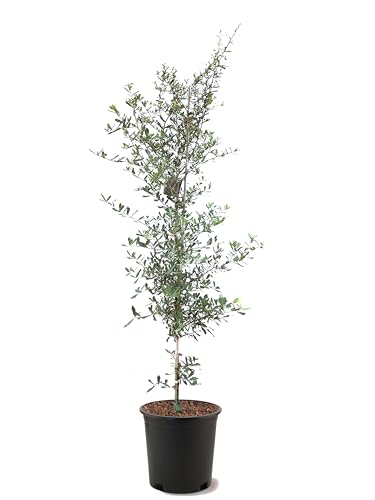
Oak trees also have specific mycorrhizal associations. These are beneficial fungi that help the tree’s roots absorb water and nutrients.
Mushroom compost might disrupt these delicate fungal relationships. It could introduce competing fungi or alter the soil ecosystem.
Young oak saplings are especially sensitive to soil changes. Using mushroom compost around them could slow their growth or cause stress.
For established oak trees, the effects might be less dramatic. But it’s still best to avoid using mushroom compost near their root zones.
Instead of mushroom compost, oak trees benefit from leaf mold or well-rotted hardwood mulch. These materials maintain the acidic conditions oaks prefer.
If you need to amend soil for oak trees, consider using composted pine bark. This helps maintain the right pH balance for optimal oak tree health.
13. Dogwood Tree
Dogwood trees are popular ornamental plants known for their beautiful spring flowers. These trees prefer slightly acidic soil conditions to thrive.
Mushroom compost can be problematic for dogwood trees due to its alkaline nature. The high pH of mushroom compost may interfere with the tree’s ability to absorb essential nutrients from the soil.
Dogwoods grow best in well-draining, humus-rich soil with a pH between 5.5 and 6.5. Using mushroom compost around these trees can raise the soil pH above their preferred range.
Instead of mushroom compost, gardeners can use other organic materials to improve soil quality for dogwood trees. Well-rotted leaf mold or pine needle mulch are good alternatives that maintain the acidic conditions dogwoods prefer.

It’s important to note that dogwoods have shallow root systems. Any soil amendments should be applied carefully to avoid damaging the roots.
When planting or caring for dogwood trees, it’s best to stick with acidic or neutral soil additives. This helps ensure the trees can access the nutrients they need for healthy growth and vibrant blooms.
14. Pine Tree
Pine trees are known for their preference for acidic soil conditions. They thrive in soil with a pH range of 5.0 to 6.5, which is more acidic than what mushroom compost typically provides.
Mushroom compost is often alkaline, with a pH that can reach up to 8.0. This high pH level can be detrimental to pine trees, potentially causing nutrient deficiencies and stunted growth.
Pine trees have adapted to grow in nutrient-poor soils. The high nutrient content of mushroom compost may actually be too rich for these trees, leading to excessive growth or other issues.

Instead of mushroom compost, pine trees benefit from organic matter that maintains soil acidity. Pine needles, bark mulch, or composted oak leaves are better choices for mulching around pine trees.
If soil amendment is needed, using sulfur or iron sulfate can help maintain the acidic conditions pine trees prefer. These amendments lower soil pH without adding excessive nutrients.
Pine trees also have specific mycorrhizal relationships with certain fungi in the soil. Mushroom compost may disrupt these beneficial relationships, potentially impacting the tree’s health and nutrient uptake.
For optimal pine tree growth, it’s best to avoid using mushroom compost and instead focus on maintaining naturally acidic soil conditions with appropriate organic matter and amendments.
15. Hemlock Tree
Hemlock trees are coniferous evergreens that thrive in acidic soil conditions. They prefer a pH range between 4.5 and 6.0, which is more acidic than what mushroom compost typically provides.
Mushroom compost tends to be alkaline, with a pH around 6.6 to 7.5. This higher pH can be problematic for hemlock trees, potentially causing nutrient deficiencies and stress.

The high salt content in mushroom compost is another issue for hemlocks. These trees are sensitive to excess salts, which can damage their roots and affect their overall health.
Hemlocks also prefer well-draining soil. Mushroom compost can retain too much moisture, leading to root rot and other fungal problems in these trees.
Instead of mushroom compost, hemlock trees benefit from acidic organic matter. Pine needles, oak leaves, or specialized acidic fertilizers are better choices for these trees.
When planting or caring for hemlock trees, it’s important to maintain the soil’s natural acidity. Adding materials that increase alkalinity, like mushroom compost, can harm their growth and long-term health.
16. Spruce Tree
Spruce trees are evergreen conifers that thrive in cooler climates. They prefer slightly acidic soil conditions for optimal growth.
Mushroom compost can be problematic for spruce trees. Its high pH and salt content may not suit these trees’ needs.
Spruce trees grow best in well-draining soil with a pH between 5.0 and 6.0. Mushroom compost typically has a pH around 6.5 to 7.5, which is too alkaline for spruce trees.
The high nutrient content in mushroom compost can also be an issue. Spruce trees don’t need very rich soil and may suffer from nutrient burn if exposed to too much fertilizer.

Instead of mushroom compost, spruce trees benefit from other soil amendments. Pine bark, peat moss, or well-rotted leaf mold are better choices for these trees.
These alternatives help maintain the acidic soil conditions that spruce trees prefer. They also improve soil structure without adding excessive nutrients.
When planting or caring for spruce trees, it’s best to avoid mushroom compost. Focus on creating a soil environment that mimics their natural habitat for the best results.
17. Beech Tree
Beech trees are majestic giants that thrive in specific soil conditions. They prefer slightly acidic to neutral soil with good drainage.
Mushroom compost can be problematic for beech trees. Its high alkalinity can disrupt the soil pH balance these trees need.
The compost’s rich nutrient content may also cause issues. Beech trees generally do well in less fertile soils and can suffer from nutrient overload.
Instead of mushroom compost, beech trees benefit from other soil amendments. Leaf mold or well-rotted garden compost are better choices.
These alternatives improve soil structure without altering pH levels too drastically. They also provide a slower release of nutrients, which suits beech trees better.
When planting or caring for beech trees, it’s important to avoid mushroom compost. Stick to more suitable organic matter to keep these beautiful trees healthy and thriving.
18. Sassafras
Sassafras is a deciduous tree native to North America. It prefers acidic soil conditions with a pH between 4.5 and 6.5. This makes sassafras incompatible with mushroom compost, which tends to be alkaline.
The tree’s roots are sensitive to changes in soil chemistry. Adding mushroom compost could disrupt the delicate balance sassafras needs to thrive. The high salt content in mushroom compost may also harm sassafras roots.

Sassafras grows best in well-draining soil rich in organic matter. Instead of mushroom compost, gardeners can use leaf mold or pine needle mulch. These alternatives help maintain the acidic conditions sassafras prefers.
The tree also benefits from regular applications of an acid-loving plant fertilizer. This ensures it gets the nutrients it needs without altering soil pH. Avoiding mushroom compost helps protect sassafras and promotes healthy growth.
19. Chamomile
Chamomile is a delicate herb known for its soothing properties. This plant prefers slightly acidic to neutral soil conditions.
Mushroom compost can be too alkaline for chamomile’s liking. The high pH levels may interfere with the plant’s ability to absorb nutrients properly.

The salt content in mushroom compost can also pose a problem for chamomile. This herb is sensitive to excess salinity, which can harm its growth and development.
Chamomile thrives in well-draining soil with moderate fertility. Mushroom compost’s water-retaining properties might lead to overly moist conditions, potentially causing root rot.
For best results, gardeners should consider alternative soil amendments for chamomile. Leaf mold or well-aged compost from plant materials can be more suitable options.
When growing chamomile, it’s important to focus on creating a light, airy soil structure. This allows the plant’s roots to spread easily and access the nutrients they need.
Regular garden soil mixed with a small amount of organic matter often provides an ideal growing environment for chamomile. This approach helps maintain the slightly acidic conditions the plant prefers.
20. Lavender
Lavender is a popular aromatic herb known for its lovely purple flowers and calming scent. Despite its hardy nature, lavender doesn’t thrive when exposed to mushroom compost.
This plant prefers well-draining soil with a slightly alkaline to neutral pH. Mushroom compost can be too rich and moisture-retentive for lavender’s liking.
![Greenwood Nursery: Live Perennial Plants - Munstead Lavender + Lavandula Angustifolia - [Qty: 2X 3.5 Pots] - (Click for Other Available Plants/Quantities)](https://m.media-amazon.com/images/I/617MWOaCcML._SL500_.jpg "Greenwood Nursery: Live Perennial Plants - Munstead Lavender + Lavandula Angustifolia - [Qty: 2X 3.5 Pots] - (Click for Other Available Plants/Quantities)")
Lavender grows best in sandy or gravelly soils with low fertility. Adding mushroom compost can lead to excessive moisture around the roots, potentially causing root rot.
Instead of mushroom compost, lavender benefits from other soil amendments. Mixing in some coarse sand or small pebbles can improve drainage and create a more suitable growing environment.
For fertilizing lavender, a light application of bone meal in the spring is often sufficient. This provides a gentle nutrient boost without overwhelming the plant.
When planting lavender, choose a sunny spot with good air circulation. This helps prevent fungal issues that can arise from excess moisture.
If you’ve already applied mushroom compost to your garden, don’t worry. You can still grow lavender by creating raised beds or mounds with fresh, well-draining soil.
Remember, lavender is drought-tolerant once established. Overwatering and over-fertilizing can do more harm than good to this Mediterranean native.
Understanding Mushroom Compost
Mushroom compost is a unique soil amendment with specific properties. It affects plant growth in different ways due to its makeup and chemical qualities.

Composition Of Mushroom Compost
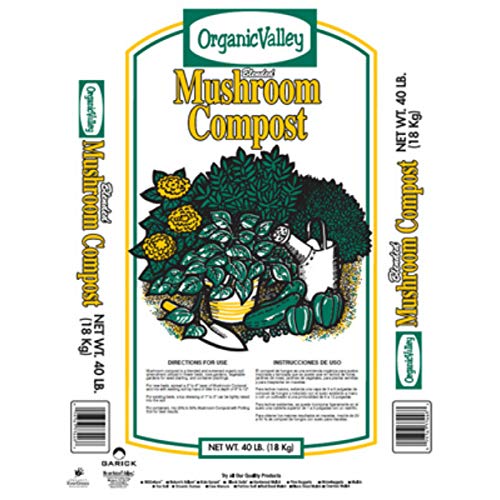
Mushroom compost is made from materials used to grow mushrooms. It often contains straw, peat moss, and animal manure. After mushroom harvests, growers add lime to raise the pH level.
The final product is rich in nutrients like nitrogen, phosphorus, and potassium. It also has high levels of calcium from the added lime. This gives mushroom compost an alkaline pH, usually between 6.5 and 8.0.
Benefits And Limitations
Mushroom compost improves soil structure and water retention. It adds organic matter and nutrients to the soil. Many plants thrive with its use, especially vegetables and flowers that prefer alkaline conditions.
But some plants struggle with mushroom compost. Acid-loving plants like blueberries and azaleas don’t do well in it. The high salt content can harm seedlings and some sensitive plants.
Gardeners should test their soil before using mushroom compost. It’s best to mix it with other soil types for balance. Using it in small amounts or as a top dressing works well for many plants.
Soil And Environment Requirements For Sensitive Plants
Some plants have specific needs when it comes to soil and growing conditions. These requirements affect how well they grow and thrive in different environments.
Preferred Soil Acidity Levels
Many plants that don’t like mushroom compost prefer acidic soil. Soil pH ranges from 0 to 14, with 7 being neutral. Acidic soils have a pH below 7. Plants like blueberries, azaleas, and rhododendrons grow best in soil with a pH between 4.5 and 6.0.
These acid-loving plants need special care. They can’t absorb nutrients well in alkaline soils. Using acidic fertilizers or adding sulfur to the soil can help lower pH levels. Peat moss is also good for making soil more acidic.
Some signs of pH problems in plants include yellow leaves or slow growth. Regular soil testing can help gardeners keep pH levels in check for sensitive plants.
Impact Of Nutrient-Rich Compost
Mushroom compost is very rich in nutrients. This can be too much for some plants. Plants that prefer lean or poor soil may struggle with excess nutrients. Lavender and rosemary are examples of plants that don’t need rich soil.
Too many nutrients can cause rapid, weak growth in plants. This makes them more likely to get diseases or pest problems. It can also lead to fewer flowers or fruits.
Some plants, like native wildflowers, have adapted to low-nutrient soils. Adding rich compost can upset the balance they need. For these plants, it’s better to use a light, well-draining soil mix without added compost.
Alternatives To Mushroom Compost
Gardeners have many options to nourish their plants without using mushroom compost. These alternatives can provide the right nutrients and soil structure for plants that don’t thrive with mushroom compost.
Using Organic Matter
Compost made from yard waste and kitchen scraps is a great substitute for mushroom compost. It adds nutrients and improves soil structure. Gardeners can make this at home or buy it from garden centers.
Leaf mold, made from decomposed leaves, is another good choice. It’s low in nutrients but great for soil structure.
Well-rotted manure from cows, horses, or chickens can feed plants and boost soil health. Be careful not to use fresh manure, as it can burn plants.
Peat moss helps acidify soil for plants that like low pH. It also holds water well.
- Yard waste compost
- Leaf mold
- Aged manure
- Peat moss
Compost Blending Techniques
Mixing different organic materials can create the perfect soil blend for specific plants. Start with a base of topsoil or garden soil. Add organic matter like compost or aged manure for nutrients.
Include materials like perlite or vermiculite to improve drainage. For acid-loving plants, mix in pine needles or coffee grounds.
Adjust the mix based on plant needs:
| Plant Type | Blend Ingredients |
|---|---|
| Acid-lovers | Peat moss, pine bark |
| Vegetables | Compost, aged manure |
| Succulents | Sand, perlite |
Test soil pH after blending and adjust as needed. Add lime to raise pH or sulfur to lower it.

Conclusion
Mushroom compost is not ideal for all plants. Some plants struggle with its high pH and salt content.
Acid-loving plants like rhododendrons, azaleas, and blueberries should avoid mushroom compost. It can harm their growth and health.
Plants sensitive to salt, such as beans and carrots, may also have issues. The compost’s salt levels can cause dehydration and reduced yields.
Seedlings and young plants often grow slower in mushroom compost. It’s best to use alternatives for these delicate plants.
For plants that don’t like mushroom compost, other options exist. Potting soil, cow manure, or compost made from different materials work well.
It’s important to know your plants’ needs. Choose soil amendments that match their preferences for pH and nutrient levels.
By selecting the right compost or soil for each plant, you can ensure healthy growth and bountiful harvests in your garden.
You may also like:

Hello there! I’m Elsa, and gardening is my passion. As an avid gardener, I created GardeningElsa.com to share my knowledge and experience with fellow enthusiasts. My website is a comprehensive resource for gardeners of all levels, offering expert advice on a wide range of topics, including plants, flowers, herbs, and vegetable gardening. Whether you’re a beginner looking to start your first garden or a seasoned pro seeking to expand your knowledge, GardeningElsa.com has something for everyone. Read more about me.
