
Gardeners often wonder about using mushroom compost in their gardens. This special type of compost comes from mushroom farms and contains a mix of organic materials. Mushroom compost can burn plants if used in large amounts or on salt-sensitive plants due to its high salt content.
Plant burning happens when too much salt touches plant roots or leaves. To avoid this problem, gardeners can mix mushroom compost with regular soil before using it. A good ratio is 25% compost to 75% soil. This spreads out the salts and lowers the risk of damage.
Mushroom compost has many benefits for plant growth when used correctly. It adds nutrients to the soil and helps retain moisture. By taking care with how much they use, gardeners can enjoy the good parts of mushroom compost without harming their plants.
Understanding Compost Burn
Compost burn can harm plants when using certain types of compost. It happens due to high salt and nitrogen levels that damage plant tissues.
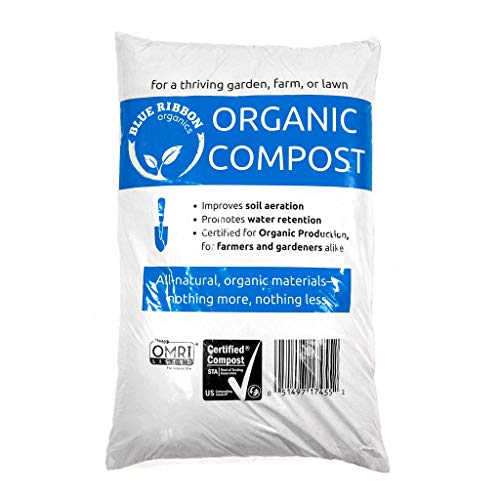
What Is Compost Burn?
Compost burn is plant damage caused by too much compost. It often looks like scorched or brown leaf edges. Plants may wilt or grow slowly. Compost burn can hurt roots too. This makes it hard for plants to take up water and nutrients.
Mushroom compost is known to cause burn in some cases. It has high salt levels from manure and other ingredients used to grow mushrooms. When overused, these salts build up in the soil and harm plants.
Identifying Compost Burn in Plants
Signs of compost burn include:
- Brown or yellow leaf edges
- Wilting leaves
- Slow growth
- Stunted plants
- Leaf drop
New growth is often most affected. Young seedlings are very sensitive to compost burn. Watch for these signs after adding compost to your garden.
Causes of Compost Burn
The main causes of compost burn are:
- High salt content
- Too much nitrogen
Salt buildup happens when compost has lots of manure or other salty materials. Nitrogen overload comes from fresh, unfinished compost. Both can hurt plants.
Mushroom compost is high in salts. It needs careful use to avoid burn. Mix it well with soil before planting. Use less for salt-sensitive plants. Water deeply to help flush out extra salts.
Properties of Mushroom Compost
Mushroom compost has unique traits that affect plant growth. It contains nutrients, changes soil structure, and has high salt levels.

Nutrient Content and Ph Levels
Mushroom compost is rich in nutrients. It has nitrogen, phosphorus, and potassium. These help plants grow strong and healthy. The compost also has calcium from limestone. This nutrient aids root growth and cell walls.
The pH of mushroom compost is usually between 6.0 and 7.5. This range suits many plants. But it may not work for acid-loving plants like azaleas or blueberries. These plants prefer more acidic soil.
Mushroom compost adds organic matter to soil. This improves soil health over time. It feeds helpful soil microbes. These microbes break down nutrients for plants to use.
Soil Structure and Moisture Retention
Mushroom compost changes soil structure. It makes soil lighter and less compact. This helps roots grow easier. The compost also creates air pockets in soil. These let roots breathe better.
The organic material in mushroom compost acts like a sponge. It soaks up water and holds it. This helps the soil stay moist longer. Plants can then access water as they need it. This trait is very useful in dry areas or during hot spells.
Mushroom compost also helps sandy soil hold more water. In clay soil, it improves drainage. This balance helps many types of plants grow better.
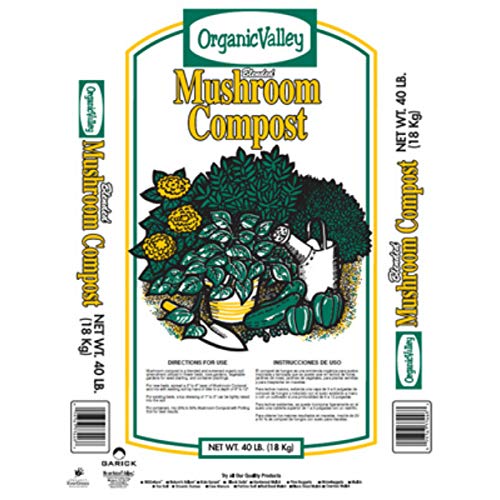
Salt Content and pH Considerations
Mushroom compost has high salt levels. This comes from manure and other ingredients used to grow mushrooms. Too much salt can harm some plants. It can burn roots or dry out plants.
The compost’s pH is slightly alkaline. This can change soil pH over time. It may not suit plants that like acidic soil. Examples are rhododendrons and camellias.
To use mushroom compost safely:
- Mix it with regular soil (25% compost, 75% soil)
- Use less for salt-sensitive plants
- Test soil pH regularly
- Water plants well after adding compost
These steps help avoid plant burn and keep soil balanced.
Effects of Mushroom Compost on Different Plants
Mushroom compost affects plants in various ways depending on their growth stage and soil preferences. Some plants benefit from its nutrients, while others may be harmed by its high salt content and alkaline nature.
Sensitivity of Young Plants and Seedlings
Young plants and seedlings are very sensitive to mushroom compost. The high salt levels can easily damage their delicate roots. This can stunt growth or even kill the plants. It’s best to avoid using pure mushroom compost for starting seeds or transplanting young plants.
A safer approach is to mix a small amount of mushroom compost with regular potting soil. Use no more than 25% compost in the mix. This dilutes the salts while still providing some nutrients. For very young seedlings, it’s safest to wait until they have a few true leaves before adding any mushroom compost.
Impact on Acid-Loving Plants
Acid-loving plants struggle with mushroom compost. These include rhododendrons, azaleas, blueberries, and camellias. The alkaline nature of the compost can raise soil pH too much for these plants.
This pH change makes it hard for acid-loving plants to absorb nutrients. They may show signs of nutrient deficiency like yellowing leaves. In severe cases, it can lead to plant death. It’s best to avoid using mushroom compost around these plants entirely.
Instead, use compost made from pine needles or oak leaves. These materials are naturally acidic and better suit the needs of acid-loving plants.
Considerations for Alkaline Soil Plants
Plants that prefer alkaline soil often do well with mushroom compost. It can help maintain or slightly raise soil pH. This benefits plants like lavender, clematis, and some vegetables.
However, it’s still important to use mushroom compost in moderation. Too much can raise pH levels beyond what even alkaline-loving plants prefer. A good rule is to mix it 50/50 with existing soil.
Test soil pH regularly when using mushroom compost. This helps ensure it stays in the right range for your plants. If pH gets too high, you can add sulfur or pine needles to lower it.
Practical Use and Application
Mushroom compost can be a useful addition to gardens when applied correctly. Proper use enhances soil fertility and plant health, while avoiding potential risks.
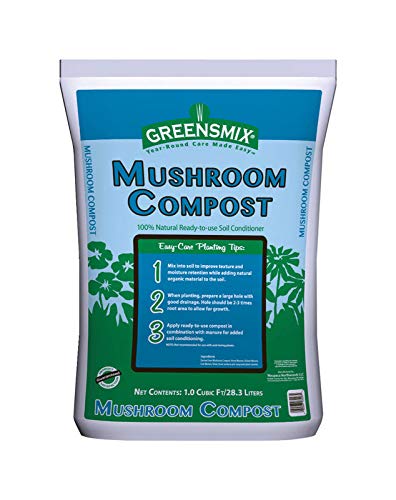
How to Use Mushroom Compost in Gardening
Mix mushroom compost into existing soil before planting. Use a ratio of 1 part compost to 3 parts soil for most plants. This blend provides nutrients without overwhelming plants.
For potting mix, add 10-20% mushroom compost. This creates a nutrient-rich growing medium for container plants.
Top-dress established plants with a thin layer of mushroom compost. Spread 1-2 inches around the base, avoiding direct contact with stems.
Use mushroom compost as mulch. Apply a 2-3 inch layer around plants to retain moisture and suppress weeds.
When to Apply Mushroom Compost
Apply mushroom compost in spring before planting. This gives time for nutrients to integrate into the soil.
Add compost to vegetable gardens in fall. This allows decomposition over winter, enriching soil for spring planting.
For perennials, apply a thin layer in early spring as plants emerge. Reapply in fall after plants go dormant.
Avoid using fresh mushroom compost on actively growing plants. Allow it to age for 3-6 months first to reduce salt content.
Avoiding Overuse and Related Risks
Use mushroom compost sparingly. Too much can lead to nutrient imbalances and plant burn.
Test soil pH regularly. Mushroom compost is alkaline and may raise soil pH over time.
Water plants thoroughly after applying compost. This helps dilute salts and prevent root burn.
Avoid using mushroom compost on salt-sensitive plants like azaleas and rhododendrons.
For seedlings and young plants, use a more diluted mix. Start with 10% compost and increase gradually.
Monitor plants for signs of stress like yellowing leaves. Reduce compost use if these appear.
Special Considerations in Compost Selection
Choosing the right compost for your plants is crucial. Mushroom compost has unique properties that set it apart from regular compost. The curing process also plays a key role in its effectiveness and safety for plants.
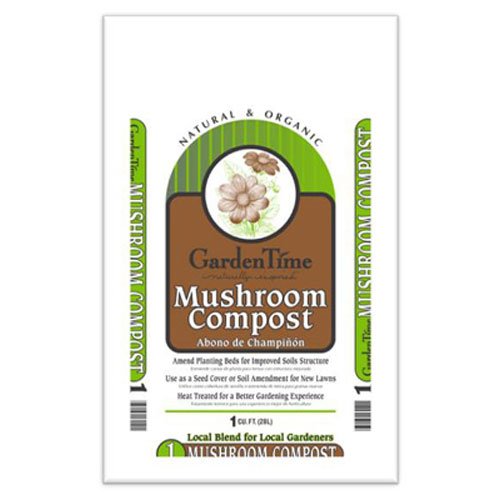
Comparing Mushroom Compost with Regular Compost
Mushroom compost differs from regular compost in several ways. It’s made from materials used to grow mushrooms, like straw, manure, and peat moss.
Regular compost is made from yard waste and kitchen scraps. Mushroom compost is often richer in nutrients, especially nitrogen.
This can be good for plants that need lots of nutrients. But it can also cause problems if used too much.
Mushroom compost has more salt than regular compost. This can harm some plants if not used carefully.
Regular compost is usually safer for a wider range of plants. It breaks down more slowly, feeding plants over time.
Understanding the Curing Process of Mushroom Compost
The curing process is vital for making mushroom compost safe for plants. Fresh mushroom compost can burn plants due to high ammonia levels.
Curing allows ammonia to break down into safer forms of nitrogen. This process takes about 2-3 months.
During curing, the compost is stored in piles. These piles are turned regularly to add air.
Properly cured mushroom compost is less likely to burn plants. It’s also more stable and releases nutrients more slowly.
Uncured compost can harm plant roots and seedlings. Always check if mushroom compost is fully cured before using it.
Improving Soil and Plant Health
Mushroom compost can boost soil quality and plant growth when used properly. It adds nutrients and improves soil structure, but care is needed to avoid issues with certain plants.

Enhancing Soil Quality and Fertility
Mushroom compost improves soil structure and water retention. It adds organic matter that helps sandy soils hold moisture better. For clay soils, it increases drainage and aeration. The compost also feeds beneficial microorganisms in the soil.
These microbes break down organic matter and release nutrients for plants. This microbial activity enhances soil fertility over time. Mushroom compost is rich in nutrients like nitrogen, potassium, and phosphorus that plants need to thrive.
Adding it as a soil amendment or mulch can reduce the need for chemical fertilizers. It’s best to mix mushroom compost into the top 6-8 inches of soil before planting. This distributes nutrients evenly through the root zone.
Amending Soil with Mushroom Compost for Plant Growth
When amending soil, use mushroom compost in moderation. Mix it with existing soil at a ratio of about 25% compost to 75% soil. This reduces the risk of salt buildup that can harm plants.
For vegetable gardens, work in 1-2 inches of compost before planting each season. As a mulch, apply a 1-2 inch layer around established plants. Avoid direct contact with stems and leaves.
Some plants, like heathers, prefer acidic soil and may not do well with mushroom compost. It’s wise to test soil pH before adding compost. Soil tests also reveal which nutrients your garden needs most.
Avoid using fresh mushroom compost on seedlings or young plants. Let it age for a few months first. This allows salts to leach out and prevents burning tender roots.
Frequently Asked Questions
Mushroom compost can be a great addition to gardens, but it’s important to use it properly. Here are some common questions about using mushroom compost effectively and safely for plants.
How does mushroom compost affect seedling growth?
Mushroom compost can boost seedling growth when used carefully. It adds nutrients and helps retain moisture. But it’s strong, so mix it with regular soil. Use a small amount – about 10-20% compost in your seed-starting mix.
Are there particular vegetables that thrive with mushroom compost?
Many vegetables grow well with mushroom compost. Tomatoes, peppers, and squash love it. Leafy greens like spinach and lettuce also do great. Root vegetables such as carrots and potatoes benefit too.
What is the recommended application rate of mushroom compost for gardens?
For most gardens, use 2-3 inches of mushroom compost. Spread it on top of the soil and mix it in. Do this once a year, usually in spring before planting. For potted plants, use about 1 part compost to 3 parts potting soil.
Can mushroom compost alter soil pH levels significantly?
Mushroom compost can change soil pH a bit. It’s slightly alkaline, with a pH around 6.5 to 7.5. This can help balance acidic soils. But it won’t make huge changes to your soil pH on its own.
How should mushroom compost be integrated into existing garden beds?
To add mushroom compost to garden beds, spread a 1-2 inch layer on top. Work it into the top 6 inches of soil with a garden fork or tiller. Do this a few weeks before planting to let it settle. Water the area well after mixing.
Is fresh mushroom compost safe to use, or does it need to be aged?
Fresh mushroom compost can be too strong for plants. It’s best to let it age for 2-3 months before use. This lets it cool down and break down further. Aged compost is gentler on plants and less likely to burn them.

Conclusion
Mushroom compost can be a great addition to your garden when used correctly. It provides nutrients and improves soil structure. But it may burn some plants if not applied properly.
To avoid burning plants, mix mushroom compost with regular soil before use. A 25% compost to 75% soil ratio works well for most plants. Let the mixture cure for a few weeks before planting.
Start with small amounts and gradually increase as needed. Monitor plants closely after application. If you notice any leaf burn or wilting, reduce the amount of compost used.
Some plants are more sensitive to mushroom compost. Seedlings, acid-loving plants, and those that prefer low-nutrient soil may struggle with it. Research your specific plants before applying.
With proper preparation and careful use, mushroom compost can benefit many garden plants. Pay attention to application rates and timing to get the best results without risking plant damage.

Hello there! I’m Elsa, and gardening is my passion. As an avid gardener, I created GardeningElsa.com to share my knowledge and experience with fellow enthusiasts. My website is a comprehensive resource for gardeners of all levels, offering expert advice on a wide range of topics, including plants, flowers, herbs, and vegetable gardening. Whether you’re a beginner looking to start your first garden or a seasoned pro seeking to expand your knowledge, GardeningElsa.com has something for everyone. Read more about me.
