
Black Kow and mushroom compost are two popular soil amendments for gardeners. Both offer benefits, but they have some key differences.
Black Kow is composted cow manure with 10 times more nutrients than typical garden soil. It helps sandy soils hold moisture better. Mushroom compost is a mix of materials used to grow mushrooms. It provides balanced nutrition for plants.
The choice between Black Kow and mushroom compost depends on your garden’s needs. Black Kow is high in nutrients and good for improving soil structure. Mushroom compost has a more balanced pH and works well for many vegetables. Both can boost plant growth and soil health when used correctly.
Comparing Black Kow and Mushroom Compost
Black Kow and mushroom compost are popular soil amendments for gardeners. They have different origins and nutrient profiles. Let’s look at how these two composts compare in terms of their makeup and benefits for plants.

Definition and Composition
Black Kow is a brand name for composted cow manure. It comes from cattle and goes through a composting process. This makes it safe to use in gardens. The end product is dark, crumbly, and odor-free.
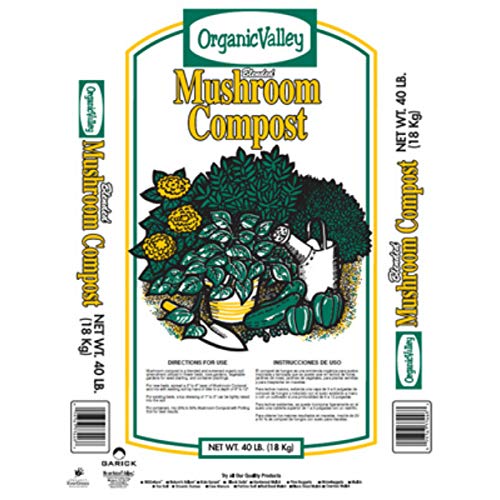
Mushroom compost is the leftover growing medium from mushroom farms. It typically contains straw, peat moss, and other organic materials. After mushrooms grow on it, farmers add more ingredients. These might include gypsum or lime. The mix then composts further.
Both types of compost are organic and can improve soil structure. They help soil hold water better and add nutrients plants need to grow.
Nutrient Profiles and Benefits
Black Kow is rich in nitrogen, phosphorus, and potassium. These are key nutrients for plant growth. It also contains trace minerals that plants need. Black Kow adds organic matter to soil, which feeds helpful soil microbes.
Nutrient content in Black Kow:
- Nitrogen: 0.5-1.5%
- Phosphorus: 0.5-1.5%
- Potassium: 0.5-1.5%
Mushroom compost also provides nutrients, but in different amounts. It tends to have more balanced levels of nitrogen, phosphorus, and potassium. Mushroom compost is often higher in calcium due to added lime.
Typical nutrient levels in mushroom compost:
- Nitrogen: 0.7-0.9%
- Phosphorus: 0.5-0.7%
- Potassium: 0.5-0.8%
Both composts improve soil texture and help plants grow better. Black Kow might be better for nitrogen-hungry plants. Mushroom compost can be good for plants that need less nitrogen but more balanced nutrition.
Applications in Gardening
Black Kow and mushroom compost have different uses in gardens. Each works well for specific plants and soil types. Their unique properties help improve soil health and plant growth in various settings.

Vegetable Gardens and Leafy Greens
Black Kow works great for vegetable gardens. It’s packed with nutrients that help veggies grow big and strong. Mix it into the soil before planting tomatoes, peppers, and squash.
Mushroom compost is perfect for leafy greens. It holds moisture well, which lettuce and spinach love. Spread a layer on top of the soil around your plants. This will feed them slowly over time.
For best results, use both. Add Black Kow to the soil first. Then top with mushroom compost. This combo gives plants a balanced diet and improves soil structure.
Trees, Shrubs, and Flower Beds
Trees and shrubs benefit from Black Kow’s slow-release nutrients. Mix it into the planting hole when putting in new plants. For established trees, spread it around the base and water well.
Mushroom compost is ideal for flower beds. It helps retain water and adds organic matter to the soil. This improves soil structure and feeds flowers all season long.
Use mushroom compost as a mulch around shrubs. It will suppress weeds and keep roots cool. For acid-loving plants like azaleas, use Black Kow instead. It won’t change soil pH as much.
Potted Plants and Indoor Gardening
Black Kow is too strong for most potted plants. It can burn roots in small containers. Instead, use it sparingly in large outdoor pots for plants that need lots of food.
Mushroom compost is better for container gardens. Mix a small amount into potting soil to improve drainage and add nutrients. Use it for herbs, flowers, and small veggies in pots.
For indoor plants, use mushroom compost carefully. Add just a thin layer on top of the soil. This will feed plants slowly without making the potting mix too heavy or wet.
Impact on Soil Quality and Structure
Black Kow and mushroom compost both improve soil quality and structure. They boost water retention, add organic matter, and support beneficial microorganisms in garden soil.
Improving Soil Conditions
Black Kow manure enhances soil texture. It breaks up clay soils and helps sandy soils hold nutrients better. The organic matter in Black Kow creates air pockets in the soil. This lets roots grow more easily.
Mushroom compost also improves soil structure. It adds organic material that helps loosen compacted soil. This compost creates a crumbly texture that’s good for plant roots.
Both amendments increase the soil’s ability to hold onto nutrients. This means plants can access food more easily.

Water-Holding Capacity and Drainage
Black Kow increases soil’s water-holding capacity. It acts like a sponge, soaking up moisture and releasing it slowly. This helps plants during dry spells.
Mushroom compost also boosts water retention. It can hold up to twice its weight in water. This keeps soil moist longer between waterings.
Both products improve drainage in heavy soils. They create channels for excess water to flow through. This prevents waterlogging and root rot.
Organic Material and Microorganism Enhancement
Black Kow adds lots of organic matter to soil. This feeds helpful soil microbes. These tiny organisms break down nutrients for plants to use.
Mushroom compost is rich in organic material too. It supports a wide range of beneficial bacteria and fungi. These microbes improve soil health and plant growth.
Both amendments boost the soil food web. This network of organisms keeps soil alive and fertile. Healthy soil grows stronger, more disease-resistant plants.
Environmental Considerations
Black Kow and mushroom compost have different environmental impacts. Their production processes and usage affect sustainability, emissions, and soil health.
Sustainability and Eco-Friendliness
Black Kow comes from cow manure, a byproduct of dairy and beef industries. This makes it a sustainable option, as it reuses waste. Farmers collect and compost the manure, reducing landfill use.
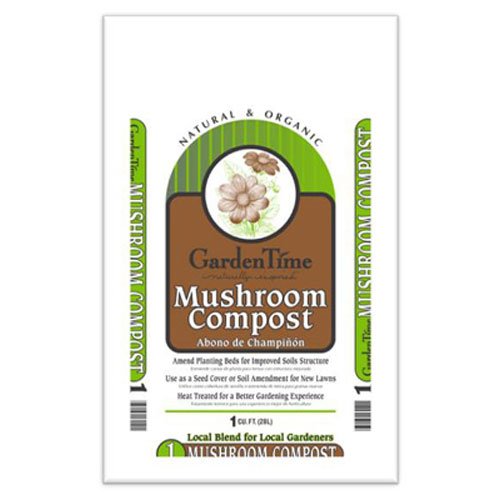
Mushroom compost is made from leftover materials from mushroom growing. It recycles agricultural waste like straw and wood chips. This process turns potential waste into a useful product for gardens.
Both composts improve soil health. They add organic matter and nutrients, reducing the need for chemical fertilizers. This helps create a more natural and eco-friendly gardening approach.
Greenhouse Gas Emissions and Composting Process
The composting process for both products releases some greenhouse gases. However, proper management can minimize these emissions.
Black Kow production may create more methane, a potent greenhouse gas. This happens during the initial breakdown of manure. Good composting practices can capture and use this gas for energy.
Mushroom compost typically produces less methane. Its ingredients break down more easily. The composting process is often more controlled, leading to fewer emissions.
Both composts store carbon in the soil when used. This helps offset some of the emissions from their production. They also reduce the need for synthetic fertilizers, which have high carbon footprints.
Managing Additives and Potential Issues
Black Kow manure and mushroom compost can bring benefits to soil, but they also come with challenges. Proper management is key to getting the most out of these additives while avoiding problems.

Weed Seeds and Pathogens
Weed seeds can be a big issue with Black Kow manure. Cow diets often include grass and other plants, leading to seeds in their manure. These seeds can sprout in gardens, causing extra work for gardeners. Mushroom compost has an edge here. The heating process used to make it kills most weed seeds and harmful bugs.
Pathogens are another concern. Raw manure may contain harmful bacteria. It’s important to let Black Kow age before use. This helps kill off bad germs. Mushroom compost is usually safer in this regard. The composting process gets rid of most pathogenic bacteria.
Soluble Salts and Acidic Soil Adjustments
Both Black Kow and mushroom compost can affect soil pH and salt levels. Black Kow tends to be more acidic. This can be good for plants that like low pH, but might need balancing for others. Mushroom compost is often close to neutral pH. This makes it easier to use with a wider range of plants.
Soluble salts can build up with heavy use of either product. Too much salt can harm plants. It’s smart to test soil regularly and adjust use as needed. Mixing these composts with other soil or mulch can help spread out the salt load.
Mushroom compost has some advantages for tricky soil conditions. It can help sandy soil hold water better. In clay soil, it can improve drainage. These traits make it a flexible choice for many gardens.
Choosing the Right Compost for Your Needs
Picking the best compost depends on your garden’s specific needs. Both black kow and mushroom compost offer unique benefits for soil health and plant growth.

Aligning With Gardening Goals
Black kow compost works well for gardens needing a nutrient boost. It’s packed with organic matter and essential nutrients that plants love. This compost is great for heavy feeders like tomatoes and corn.
Mushroom compost shines in improving soil structure. It helps sandy soils hold water better and makes clay soils less compact. This makes it ideal for flower beds and vegetable gardens with poor soil quality.
For new gardens, black kow can jumpstart growth. Established gardens might benefit more from mushroom compost’s soil-improving qualities.
Analyzing Nutrient Content and Soil Amendments
Black kow compost is rich in nitrogen, phosphorus, and potassium. These key nutrients fuel plant growth and produce strong stems and leaves. It’s a good choice for gardens with nutrient-poor soil.
Mushroom compost has a more balanced nutrient profile. It contains:
- Calcium
- Magnesium
- Iron
- Zinc
This mix supports overall plant health and can correct minor nutrient deficiencies in soil.
Both composts act as organic fertilizers. They release nutrients slowly, feeding plants over time. This reduces the risk of nutrient burn compared to chemical fertilizers.
Practical Tips for Compost Use
Using compost correctly can boost your soil health and plant growth. The key is knowing how to apply it and maintain the right balance in your soil.

Compost Application Techniques
Mix compost into the top 6-8 inches of soil before planting. This helps roots access nutrients easily. For existing plants, spread a 1-2 inch layer around them, avoiding direct contact with stems.
When using Black Kow or mushroom compost, start with small amounts. Add 1 part compost to 3 parts soil. This prevents overloading the soil with nutrients.
For raised beds, blend compost into the planting soil. A mix of 1/3 compost, 1/3 topsoil, and 1/3 sand works well for many plants.
Water the area after applying compost. This helps activate good bacteria and starts the nutrient release process.
Maintaining Balanced Soil Environment
Test your soil pH yearly. Both Black Kow and mushroom compost can change soil pH over time. Adjust as needed to keep pH between 6.0 and 7.0 for most plants.
Add compost in spring or fall. This gives time for nutrients to integrate into the soil before peak growing seasons.
Rotate compost types to ensure a wide range of nutrients. Use Black Kow one year and mushroom compost the next.
Monitor plant growth and soil texture. If leaves yellow or soil gets too dense, reduce compost use. Add more if plants look weak or soil drains too fast.
Keep compost moist but not waterlogged. This supports good bacteria and improves water retention in your soil.
Black Kow vs Mushroom Compost – Summary
| Feature | Black Kow | Mushroom Compost |
|---|---|---|
| Composition | Composted cow manure | Spent mushroom growing medium |
| Nutrient Content | High in nitrogen | Rich in phosphorus |
| pH Level | Typically neutral to slightly alkaline | Slightly acidic to neutral (6.0-7.0) |
| Organic Matter | High | High |
| Moisture Retention | Improves soil water-holding capacity | Enhances soil moisture retention |
| Availability | Widely available | Easy to find |
| Application | Mix with native soil before planting | Use as a soil amendment |
| Nutrient Concentration | 10 times more nutrients than typical garden soil | Varies based on ingredients used |
| Processing Time | Fully composted and mature | Takes about 4 weeks to compost |
| Plant Suitability | Good for most garden plants | Beneficial for many vegetables |
Both Black Kow and mushroom compost offer valuable benefits for improving garden soil. They provide essential nutrients and organic matter that enhance soil structure and plant growth.
The choice between the two depends on specific plant needs and soil conditions. Gardeners should consider factors such as pH requirements and nutrient balances when selecting the best option for their gardens.

Conclusion
Black Kow and mushroom compost are both useful soil amendments. Black Kow is composted cow manure. It adds nutrients and organic matter to soil. Mushroom compost comes from used mushroom growing beds. It also improves soil structure and fertility.
Black Kow tends to have more nitrogen. This helps plants grow leafy and green. Mushroom compost often has a more balanced nutrient profile. It can improve overall soil health.
The pH of these products can vary. Black Kow is usually close to neutral. Mushroom compost may be slightly acidic. Gardeners should test their soil before adding either amendment.
Both products work well for most vegetables and flowers. Black Kow is good for heavy feeders like corn. Mushroom compost benefits a wide range of plants.
The choice between Black Kow and mushroom compost depends on specific garden needs. Some gardeners use both for different purposes. Either option can boost soil quality and plant growth when used properly.

Hello there! I’m Elsa, and gardening is my passion. As an avid gardener, I created GardeningElsa.com to share my knowledge and experience with fellow enthusiasts. My website is a comprehensive resource for gardeners of all levels, offering expert advice on a wide range of topics, including plants, flowers, herbs, and vegetable gardening. Whether you’re a beginner looking to start your first garden or a seasoned pro seeking to expand your knowledge, GardeningElsa.com has something for everyone. Read more about me.
