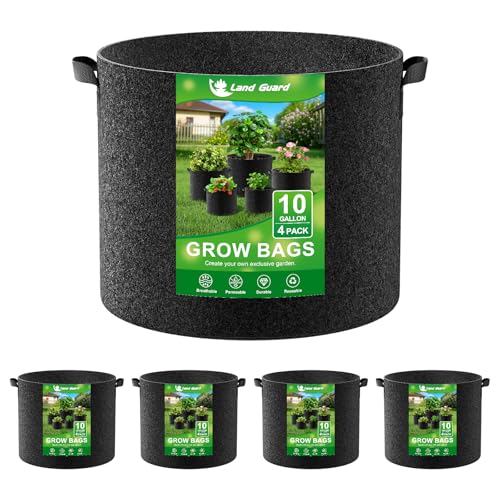
Growing eggplants in containers brings the joy of fresh, homegrown vegetables right to your doorstep, even if you don’t have a traditional garden space. These versatile plants adapt well to container growing, making them perfect for patios, balconies, or small yards. To grow eggplants from seeds in pots, plant two seeds 1/4 inch deep in a 5-gallon container filled with nutrient-rich potting soil, keep the soil moist, and place the pot in full sun until germination occurs.
Many gardeners shy away from growing eggplants, thinking they need special care or lots of space. The truth is that eggplants can thrive in containers when given the right growing conditions. Each plant needs about one foot of space to grow, so a single large pot can support one healthy eggplant plant.
Container-grown eggplants need regular feeding and consistent watering since they can’t access nutrients from the ground like garden-planted vegetables. Starting seeds indoors gives plants a head start on the growing season, leading to better harvests. With proper care, these container plants will produce beautiful, glossy fruits throughout the summer months.
Choosing the Right Eggplants Seeds
Selecting the correct eggplant seeds is essential for successful container growing. Several compact varieties work well in pots and produce tasty fruits.
Popular Container Varieties:
- Patio Baby: Grows 16-20 inches tall, produces 2-3 inch fruits
- Fairy Tale: Compact plant with sweet purple-striped fruits
- Hansel: Early producer with slim 3-inch fruits
- Rosa Bianca: Italian heirloom with creamy white flesh
Seeds should be fresh and stored properly in a cool, dry place. Fresh seeds have better germination rates and produce stronger plants.
Space Requirements:
- Small varieties: 12-16 inch pots
- Standard varieties: 16-20 inch pots
- One plant per container
Most eggplant seeds remain viable for 3-4 years when stored correctly. Quality seeds should feel firm and look plump without any signs of damage or mold.
A packet of 20-25 seeds is enough for a small garden. Plant extra seeds since not all will germinate. The germination rate for fresh eggplant seeds is typically 75-90%.
Italian eggplants like Rosa Bianca need larger containers but reward growers with classic oval fruits. These traditional varieties produce 4-6 inch fruits perfect for classic recipes.
Preparing for Planting
Proper setup of containers and soil creates the ideal growing environment for eggplant seeds. The right materials and preparation methods ensure strong seedling growth and healthy plant development.
Selecting Containers
Choose containers at least 5 inches deep with multiple drainage holes at the bottom. Cell trays work well for starting seeds, while 12-inch diameter pots are needed once seedlings mature.
Unglazed clay pots provide excellent air circulation and moisture control through their porous walls. Glazed ceramic or plastic pots also work well but require more attention to watering.
Each container must have 2-3 drainage holes to prevent waterlogged soil. Place a layer of gravel or broken pottery pieces at the bottom to improve drainage.
Potting Soil Essentials
Use a well-draining potting mix that retains adequate moisture. A blend of the following components works best:
- 60% quality potting soil
- 20% perlite or coarse sand
- 20% compost or aged manure
The soil pH should measure between 5.8 and 6.8 for optimal nutrient uptake. Test with a pH meter and adjust if needed.
Pre-Planting Soil Treatments
Moisten the potting mix thoroughly before filling containers. The soil should feel like a wrung-out sponge – damp but not soaking wet.
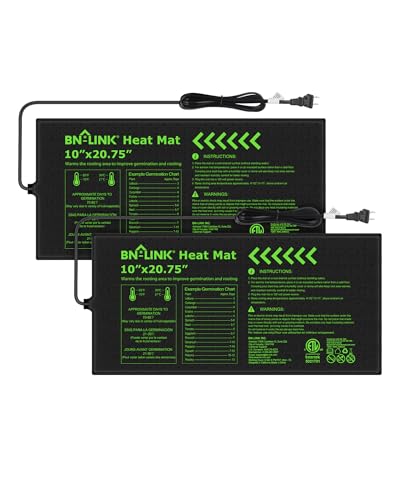
Heat the soil to 75-85°F using a seed heating mat. Warm soil temperatures speed up germination significantly.
Mix in a balanced, slow-release organic fertilizer at half the recommended rate. This provides gentle nutrition without overwhelming young seedlings.
Firm the soil gently to remove air pockets, leaving 1 inch of space below the container rim for watering.
Germinating Eggplant Seeds
Eggplant seeds need specific conditions to sprout successfully. The right temperature, moisture levels, and care during the first few weeks make a big difference in getting healthy seedlings.
Indoor Seed Starting
Fill seed trays or 5-inch pots with a loose seed-starting mix that contains compost, perlite, and vermiculite. This mix helps seeds get the water and air they need.
Pre-moisten the soil mix before planting seeds. This step prevents washing away tiny seeds when watering later.
Plant seeds 1/4 inch deep and space them according to your container size. In cell trays, put 1-2 seeds per cell.
Label each container with the planting date and variety name. This helps track progress and timing for later care.
Temperature and Moisture for Germination
Eggplant seeds need warmth to sprout – aim for 75-85°F (24-29°C). Use a heat mat under seed trays to maintain steady temperatures.
Place a clear dome or plastic wrap over the containers. This creates the humid environment that seeds need to break through their shells.
Check soil moisture daily. The mix should feel like a damp sponge – not soaking wet or dry.
Most seeds sprout in 6-12 days when conditions are right. Remove covers once seedlings emerge.
Caring for Eggplant Seedlings
Position new seedlings under grow lights or in a bright window. Keep lights 2-3 inches above plant tops to prevent stretching.
Start fertilizing two weeks after the sprouts appear. Mix 1 tablespoon of soluble fertilizer per gallon of water for weekly feedings.
Thin to one plant per cell when seedlings have their first true leaves. Cut extra plants at the soil level rather than pulling them out.
Keep temperatures around 70-75°F (21-24°C) during the day. Provide good air circulation with a small fan to strengthen stems.
Post-Germination Care
Young eggplant seedlings need specific care to grow into strong, healthy plants. Good practices during this stage will set up your plants for successful production later.
Thinning Seedlings
Remove extra seedlings when they reach 2-3 inches tall, keeping only the strongest plant in each container. Cut unwanted seedlings at the soil level with clean scissors rather than pulling them out.
Space remaining plants 18-24 inches apart if moving to larger containers. This gives roots enough room to develop properly.
Watch for signs of leggy growth – thin, stretched stems indicate insufficient light. Remove these weaker seedlings during thinning.
Light Requirements
Eggplant seedlings need 14-16 hours of strong light daily. Place them in your sunniest window facing south.
Use grow lights if the window light isn’t enough. Position lights 3-4 inches above seedling tops. Raise the lights as plants grow taller.
Monitor leaf color closely. Dark green leaves show proper light exposure. Pale or yellowish leaves signal light deficiency.
Watering Routines
Water thoroughly when the top inch of soil feels dry. Push your finger into the soil to check moisture levels.
Use room temperature water to avoid shocking young roots. Water at the base of plants rather than overhead.
Keep soil consistently moist but never waterlogged. Empty drainage trays after watering to prevent root rot.
Add water-soluble fertilizer at quarter strength every 2 weeks once seedlings develop their first true leaves.
Transplanting to Pots
Moving eggplant seedlings to larger containers requires careful timing and proper techniques to ensure healthy growth. Strong plants need the right conditions and gentle handling during this crucial transition phase.
The Right Time to Transplant
The best time to transplant eggplant seedlings is when they develop 2-3 sets of true leaves. This typically occurs 3-4 weeks after germination.
Check the weather forecast before transplanting outdoors. Wait until 2-3 weeks after the last frost date when soil temperatures reach at least 60°F (15°C).
Young plants should be 4-6 inches tall with sturdy stems before moving to their final outdoor containers.
Potting Up Procedures
Select containers that are 12-14 inches deep with good drainage holes. Each plant needs about 5 gallons of space to grow well.
Fill pots with high-quality potting mix, not garden soil. Mix in some sand for better drainage at a ratio of 2:1 potting soil to sand.
Steps for transplanting:
- Water seedlings 1 hour before moving
- Gently remove plants, keeping root balls intact
- Place at the same depth as the previous container
- Add soil around roots and firm gently
- Water thoroughly after transplanting
Outdoor Acclimation
Start hardening off plants 7-10 days before moving outdoors permanently. Place containers outside for longer periods each day.
Begin with 1-2 hours in a sheltered spot with indirect light. Gradually increase exposure to sun and wind over the week.
Bring plants inside if temperatures drop below 55°F (13°C) at night. Watch for signs of stress like wilting or yellowing leaves.
Keep soil consistently moist during the adjustment period. Plants may need extra water on hot or windy days.
Caring for Eggplants in Pots
Growing eggplants in containers takes regular attention to keep the plants healthy and productive. A blend of proper feeding, support, and maintenance helps create strong plants that produce lots of fruit.
Fertilization Practices
Eggplants are heavy feeders that need regular nutrients to thrive. Feed plants every 2-3 weeks with a water-soluble fertilizer high in nitrogen and potassium.
Mix 1-2 tablespoons of soluble fertilizer per gallon of water. Apply the solution directly to the soil, not the leaves.
Best fertilizers for potted eggplants:
- 5-10-5 organic blend
- Fish emulsion
- Balanced liquid fertilizer
Stop fertilizing when fruits start to form. Too much nitrogen at this stage can reduce fruit production.
Check out How to Fertilize Eggplant Plants
Support Structures
Eggplants grow tall and need strong support to stay upright. Place supports at planting time to avoid damaging roots later.
Recommended support options:
- Tomato cages (24-36 inches tall)
- Bamboo stakes with soft ties
- Metal garden obelisks
Place supports 2-3 inches from the plant stem. Check ties weekly and adjust them as the plant grows.
Pruning and Maintenance
Remove yellowed or damaged leaves with clean, sharp pruning shears. This helps air flow and reduces disease risk.
Pinch off the first few flower buds to help young plants focus energy on root and leaf growth.
Keep soil evenly moist but not waterlogged. Add a 2-inch layer of mulch around plants to retain moisture.
Check leaves weekly for pests like aphids or spider mites. Spray affected areas with insecticidal soap if needed.
Pest and Disease Management
Healthy eggplants need protection from common garden pests and diseases. Regular monitoring and quick action help prevent severe damage to plants.
Identifying Common Pests
Flea beetles create small holes in eggplant leaves. These tiny black beetles jump when disturbed and can seriously damage young plants.
Cutworms attack plant stems at night, often cutting through them near soil level. They curl into a C-shape when touched and hide in soil during the day.
Aphids cluster on leaf undersides and new growth. These small, soft-bodied insects cause leaves to curl and stunt plant growth.
Natural Pest Control
Row covers protect young plants from flea beetles and other flying pests. Remove covers when plants flower to allow pollination.
Sprinkle diatomaceous earth around plant bases to deter crawling insects. Reapply after rain.
Companion planting helps:
- Marigolds repel many insects
- Basil deters pest insects
- Nasturtiums act as trap crops
Hand-picking larger pests like tomato hornworms keeps populations down. Drop collected pests in soapy water.
Disease Prevention Tips
Proper spacing between plants allows good air flow and reduces disease risk. Leave 18-24 inches between each plant.
Watch for these signs:
- Yellow leaves (verticillium wilt)
- Dark spots on fruit (blossom end rot)
- White powdery coating (powdery mildew)
Water at the soil level instead of spraying leaves. Wet foliage encourages fungal diseases.
Remove infected leaves promptly. Clean garden tools between uses to prevent disease spread.
Choose disease-resistant varieties when possible. Many modern hybrids resist common problems that affect the nightshade family.
Harvesting and Storing
Proper timing and technique are crucial for picking eggplants at their peak flavor and keeping them fresh for later use.
Determining Ripeness
Ripe eggplants have glossy, firm skin that springs back when gently pressed. The ideal size varies by variety, but most are ready when they reach 4-8 inches long.
The fruit’s color should be deep and rich – usually dark purple, though some varieties may be white, green, or striped.
Don’t wait too long to harvest. Overripe eggplants become dull, soft, and bitter, with large seeds inside.
Harvesting Techniques
Use sharp, clean pruning shears or a knife to cut the fruit from the plant. Leave about 1 inch of stem attached to the eggplant.
Helpful harvesting tips:
- Wear gloves to protect from thorns
- Cut at an angle to prevent stem damage
- Support the fruit while cutting to avoid breaking branches
- Pick regularly to encourage more production
Storage Tips
Fresh eggplants stay good for 5-7 days when stored properly.
Best storage practices:
- Keep at 50-54°F (10-12°C)
- Place in a perforated plastic bag
- Store in the crisper drawer of your refrigerator
- Don’t wash until ready to use
Avoid storing eggplants near ethylene-producing fruits like apples or bananas, as this speeds up ripening.
Check stored eggplants daily and remove any showing signs of decay.
Advanced Growing Techniques
Expert eggplant growers use specific methods to boost plant health and fruit production. These techniques focus on soil management, natural growth stimulation, and proper pollination.
Maximizing Yield
Black plastic mulch increases soil temperature and prevents weed growth around eggplant containers. Place the mulch over the soil surface, cutting holes for the plants.
A layer of organic mulch like straw or wood chips helps retain moisture and regulate soil temperature. Apply a 2-inch layer around the plants, keeping it away from the stems.
Mix one part sand with two parts potting soil to improve drainage. This mixture prevents root rot and promotes stronger root development.
Feed plants with fish emulsion every two weeks during the growing season. This natural fertilizer provides essential nutrients for fruit development.
Using Growth Accelerators
Bottom heat mats keep soil temperature at 75-85°F during seed germination. This speeds up sprouting time by 5-7 days.
LED grow lights positioned 6 inches above seedlings for 14-16 hours daily promote strong stem growth. Adjust the height as plants grow taller.
Adding worm castings to potting soil provides slow-release nutrients. Mix in 1 cup per gallon of soil before planting.
A foliar spray of seaweed extract twice monthly strengthens plant resistance to stress and disease.
Pollination Tips
Eggplants are self-pollinating but benefit from extra help. Gently shake plants during flowering to spread pollen.
Place containers near flowers that attract bees, like marigolds or zinnias. This increases natural pollinator visits.
Use a small art brush to transfer pollen between flowers when growing indoors. Touch the center of each open flower in the morning.
Maintain temperatures between 70-85°F during flowering. Extreme temperatures can prevent proper pollen development.
Frequently Asked Questions
Growing eggplants in containers requires specific steps, proper conditions, and regular care. Many gardeners succeed with container-grown eggplants by following proven methods and addressing common issues quickly.
What is the step-by-step guide to planting eggplant seeds in containers?
Fill a container with a mix of 2 parts potting soil and 1 part sand. Plant 2 seeds per hole, 1/4 inch deep. Water the soil gently and keep it consistently moist until germination occurs in 7-14 days. Once seedlings reach 3 inches tall, thin them to leave the strongest plant per container.
What are the ideal conditions for growing eggplants indoors using pots?
Eggplants need at least 6 hours of direct sunlight daily. A south-facing window or grow lights work best. Maintain temperatures between 70-85°F during the day and above 60°F at night. Keep humidity levels around 60% by using a humidity tray or small humidifier.
How can you grow eggplants vertically in small spaces?
Install a sturdy trellis or cage in the container when planting the seeds. The support should be at least 3 feet tall. Tie the main stem to the support with soft plant ties as it grows. Prune side branches to encourage vertical growth and better air circulation.
Which container sizes are suitable for optimal eggplant growth?
Use containers that are at least 5 gallons in capacity, with a minimum depth of 12 inches. Each container should have multiple drainage holes at the bottom. One plant needs a pot that’s 16-20 inches wide for the best root development.
What are common challenges when growing eggplants in containers and how can they be overcome?
Spider mites and aphids often attack container eggplants. Spray affected plants with insecticidal soap. Yellow leaves indicate nutrient deficiency. Feed plants with balanced fertilizer every 2-3 weeks. Blossom drop occurs in extreme temperatures. Move containers to a sheltered spot during heat waves.
How long does it typically take for eggplants to mature when grown from seeds in pots?
Seeds germinate in 7-14 days under warm conditions. Seedlings take about 8-10 weeks to reach transplant size. From seed to harvest takes 70-90 days, depending on the eggplant variety.

Conclusion
Growing eggplants from seeds in pots requires careful attention to timing and growing conditions. Starting seeds indoors 8-10 weeks before the last frost gives plants the best chance of success.
The right containers, soil mix, and consistent care make a big difference. Seed-starting trays or 5-inch pots filled with lightweight, nutrient-rich starting mix provide an ideal environment for young plants.
Most eggplant varieties need 70-90 days to mature after planting. Regular watering, fertilizing, and full sun exposure help ensure strong growth and fruit production.
Success with container-grown eggplants comes from meeting their basic needs: warm temperatures, good drainage, consistent moisture, and rich soil. Starting with quality seeds and maintaining proper care through the growing season leads to healthy plants and a good harvest.
Remember to check seed packets for specific growing instructions, as different varieties may have unique requirements. With proper planning and care, growing eggplants from seed in containers can yield fresh, homegrown vegetables for your kitchen.
You may also like:
- Can I Plant Zucchini and Eggplant Plants Together?
- Can You Plant Tomatoes and Eggplant Together?
- What to Plant with Eggplant in Raised Bed?

Hello there! I’m Elsa, and gardening is my passion. As an avid gardener, I created GardeningElsa.com to share my knowledge and experience with fellow enthusiasts. My website is a comprehensive resource for gardeners of all levels, offering expert advice on a wide range of topics, including plants, flowers, herbs, and vegetable gardening. Whether you’re a beginner looking to start your first garden or a seasoned pro seeking to expand your knowledge, GardeningElsa.com has something for everyone. Read more about me.