
Growing vegetables together can help gardeners make the most of their garden space. Many gardeners wonder if they can combine zucchini and eggplant in the same growing area.
Zucchini and eggplant can grow successfully together as companion plants since they have similar needs for full sun and well-drained soil. Both plants need plenty of room to spread out, so proper spacing is essential to prevent overcrowding and ensure good air circulation.
These vegetables can create a productive garden setup when planted with the right spacing. Adding companion flowers like marigolds and nasturtiums nearby helps attract pollinators and keep pests away from both plants.

Understanding Companion Planting
Companion planting helps create a balanced garden ecosystem where plants support each other’s growth and health. This gardening method places different plants close together to gain specific benefits.
Plants can help their neighbors in several ways. Some add nutrients to the soil, while others repel harmful insects or attract beneficial pollinators.
Key Benefits of Companion Planting:
- Natural pest control
- Better use of garden space
- Improved plant growth
- Increased biodiversity
- Enhanced pollination
- Better soil health
Some plants release chemicals that keep pests away from their neighbors. Others provide shade or physical support to nearby plants.
Beneficial insects play a major role in companion planting success. Plants like marigolds and herbs attract helpful bugs that eat garden pests or help with pollination.
The right plant combinations create a mini ecosystem that promotes healthy growth. Each plant contributes something valuable to its garden neighbors, from soil improvement to pest protection.
Good companions share space well and don’t compete for the same nutrients. They often have different root depths or growth patterns that let them work together instead of fighting for resources.
Benefits of Growing Zucchini and Eggplant Together
Growing zucchini and eggplant as companion plants creates a more diverse garden ecosystem. These vegetables work well together since they have similar growing requirements, including full sun exposure and warm soil conditions.

The combination helps attract beneficial insects like bees and other pollinators. This increased pollinator activity leads to better fruit development and higher crop yields for both plants.
Both vegetables benefit from shared pest management strategies. When planted together, they can help confuse and deter common pests that might damage either crop.
The dense leaves of zucchini plants provide natural shade for eggplant roots during intense summer heat. This helps maintain consistent soil moisture and reduces water stress.
Key Benefits:
- Better space utilization in the garden
- Increased pollinator attraction
- Natural pest management
- Improved soil moisture retention
- Enhanced biodiversity
These plants make good neighbors because they don’t compete aggressively for nutrients. Their different root depths mean they can access nutrients from different soil layers.
For best results, space zucchini and eggplant plants 24-36 inches apart. This gives each plant enough room to grow while still maintaining the benefits of companion planting.
Site and Soil Requirements
Zucchini and eggplant need similar growing conditions, making them compatible in terms of basic requirements. Both plants thrive in full sun with at least 6-8 hours of direct sunlight daily.
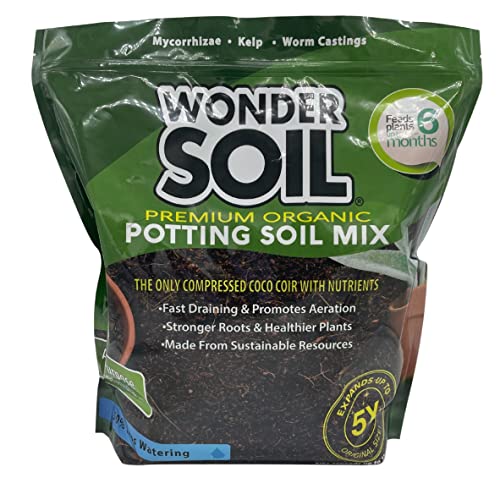
These warm-season crops require well-draining, fertile soil enriched with organic matter. Add compost or aged manure to improve soil structure and provide essential nutrients.
The ideal soil pH ranges from 5.5 to 6.5, making them suitable for slightly acidic soil conditions. Regular soil testing helps maintain proper pH levels.
Both plants are heavy feeders and need high nitrogen levels for healthy growth. Apply a balanced fertilizer before planting and maintain steady nutrient levels throughout the growing season.
The soil temperature should reach at least 60°F (15.5°C) before planting. Cold soil will slow growth and may damage young plants.
Good air circulation between plants helps prevent disease. Space zucchini plants 3-4 feet apart and eggplants 2-3 feet apart to allow proper growth.
Adding a 2-3 inch layer of mulch helps retain moisture and suppress weeds. Use straw, leaves, or grass clippings around the plants.
Planting Strategies
Zucchini and eggplant need full sun to grow properly. Plant them in a spot that gets at least 6-8 hours of direct sunlight daily.
Space plants correctly to ensure good air circulation. Place zucchini plants 3-4 feet apart and eggplants 18-24 inches apart in rows.

Both vegetables benefit from support structures. Install trellises or cages when planting to help keep fruits off the ground and save garden space.
Growing in containers works well for both plants. Use 5-gallon containers or larger with drainage holes. Place one plant per container.
Soil Tips:
- Well-draining soil
- Rich in organic matter
- pH between 6.0-6.8
- Add compost before planting
Plant flowers like marigolds and nasturtiums nearby. These attract pollinators needed for fruit production and help keep pests away.
Water deeply at soil level rather than overhead. This prevents leaf diseases and allows both plants to thrive together.
For small gardens, grow zucchini vertically on trellises while keeping eggplants in front. This maximizes limited space while ensuring both get enough sun.
Pest and Disease Management
Growing zucchini and eggplant together requires careful attention to pest and disease control. These plants can attract different pests that need specific management strategies.
Common pests that attack both plants include aphids and whiteflies. These small insects feed on plant sap and can spread diseases between plants. Regular inspection of leaves helps catch infestations early.
Squash bugs pose a specific threat to zucchini plants. These gray-brown insects damage leaves and stems by sucking out plant juices. Handpicking these bugs in the morning when they’re less active works well for small gardens.
Natural pest control methods that work for both plants:
- Plant marigolds and nasturtiums nearby to repel harmful insects
- Spray plants with neem oil solution
- Remove damaged leaves promptly
- Use row covers during early growth stages
Powdery mildew affects both vegetables, especially in humid conditions. Good air circulation between plants reduces this risk. Space zucchini plants 3-4 feet apart and eggplants 2-3 feet apart.
Disease prevention tips:
- Water at the soil level instead of on the leaves
- Remove infected plant material quickly
- Keep garden beds clean and weed-free
- Apply organic mulch around plants
Beneficial insects like ladybugs and praying mantises help control pest populations naturally. Planting herbs like dill and basil near your vegetables attracts these helpful predators.
Complementary Companion Plants
Zucchini and eggplant grow well together since they share similar needs for sunlight and soil conditions. These plants can benefit from several helpful companions that enhance their growth and protect them from pests.

Flowers That Help:
- Marigolds keep harmful nematodes away
- Nasturtiums attract pollinators and repel pests
- Borage draws beneficial insects and adds nutrients to the soil
Helpful Herbs:
- Basil improves flavor and growth
- Dill attracts beneficial insects
- Chives deter garden pests
- Cilantro brings in helpful pollinators
Garlic acts as a natural pest deterrent when planted near both zucchini and eggplant. The strong scent helps keep unwanted insects away from these vegetables.
Beans and other legumes make excellent neighbors because they add nitrogen to the soil. This extra nutrition supports the heavy feeding needs of both zucchini and eggplant.
Plants to Avoid:
- Fennel (interferes with growth)
- Potatoes (compete for nutrients)
- Corn (requires too many nutrients)
A mix of these companion plants creates a balanced garden space that promotes healthy growth and natural pest control. Each plant contributes unique benefits that help zucchini and eggplant thrive.
Avoiding Incompatible Companions
Zucchini and eggplant don’t make good garden companions. They compete for the same nutrients and are vulnerable to similar diseases, especially powdery mildew.
Both plants need lots of space to grow and spread their roots. Planting them together can lead to overcrowding and reduced yields for both vegetables.
Key plants to avoid growing with zucchini and eggplant:
- Potatoes
- Other nightshades
- Corn
- Pole beans
These plants can increase pest problems or compete too strongly for nutrients. Corn takes up too much space and creates too much shade. Pole beans can climb and damage the plants.
Strong-scented herbs like mint, oregano, and thyme should be kept away from both vegetables. These herbs can affect the growth and flavor development of zucchini and eggplant.
Cabbage and other heavy-feeding brassicas should grow elsewhere in the garden. They need similar nutrients and can deplete the soil too quickly when planted near zucchini or eggplant.
Each zucchini plant needs about 4 square feet of space, while eggplants need 2-3 square feet. It’s better to grow them in separate areas of the garden where they can thrive without competition.

Watering and Fertilizing Regimen
Both zucchini and eggplant need consistent moisture to produce healthy fruits. Water deeply 1-2 inches per week, keeping the soil moist but not waterlogged.
Apply a 2-3 inch layer of organic mulch around the plants to retain moisture and suppress weeds. Straw or grass clippings work well as mulching materials.
These vegetables are heavy feeders and require fertile soil rich in nitrogen. Mix compost or aged manure into the soil before planting to improve fertility.
Feed plants every 4-6 weeks during the growing season with a balanced organic fertilizer. A 5-5-5 NPK ratio works well for both crops.
Water at the base of plants in the morning to prevent leaf diseases. Avoid getting water on the foliage.
Key fertilizing tips:
- Add 2-3 inches of compost before planting
- Feed monthly with balanced organic fertilizer
- Side dress with nitrogen if leaves turn yellow
- Maintain consistent soil moisture
Regular soil tests help monitor nutrient levels. Add amendments based on test results to keep soil fertile throughout the season.

Harvesting and Storage Tips
Zucchini and eggplant have different harvesting times and methods. Zucchini is ready to pick when it reaches 6-8 inches long, while eggplants should be harvested when the skin is glossy and springs back when gently pressed.
Pick zucchini every 2-3 days during peak season. Regular harvesting encourages more production and prevents the fruits from becoming too large and tough.
Eggplants need careful handling during harvest. Use pruning shears or a sharp knife to cut the stem about 1 inch above the fruit to avoid damaging the plant.
Storage Guidelines:
- Store zucchini: 41-50°F, 85-95% humidity, 1-2 weeks
- Store eggplant: 45-50°F, 85-90% humidity, 5-7 days
Never wash the vegetables before storage. Clean them only when ready to use. Keep them in the crisper drawer of your refrigerator in perforated plastic bags.
Check stored vegetables regularly for signs of spoilage. Remove any soft spots or mold right away to prevent spread to other produce.
Both vegetables can be frozen for long-term storage. Cut them into pieces, blanch briefly, and store in airtight containers or freezer bags for up to 6 months.
Conclusion
Growing zucchini and eggplant together is not recommended. These plants compete for the same nutrients in the soil, which can limit their growth and reduce harvests.
Space limitations also create problems. Both vegetables need room to spread out and require full sun exposure. Zucchini’s large leaves may shade eggplants, preventing them from getting enough sunlight.
Better companion plants for eggplant include:
- Beans
- Peas
- Herbs like thyme or basil
Better companion plants for zucchini include:
- Nasturtiums
- Corn
- Radishes
Plant these vegetables in separate garden areas for the best results. Give each plant enough space and sunlight to thrive on its own. This approach leads to stronger plants and bigger harvests.
Frequently Asked Questions
Growing vegetables together requires careful planning to avoid competition for nutrients and ensure healthy growth. Each plant has specific needs and relationships with other garden plants that affect its success.
What are the best companion plants for zucchini in a vegetable garden?
Zucchini grows well with herbs like basil, oregano, and dill. These plants attract pollinators and beneficial insects. Beans and peas make excellent companions because they add nitrogen to the soil, which zucchini needs to thrive. Nasturtiums planted near zucchini help deter pests and add color to the garden.
Which vegetables should be avoided when planting near eggplant?
Fennel should not be planted near eggplant, as it can stunt growth. Heavy feeders like pumpkins and melons compete with eggplant for nutrients and should be planted elsewhere. Tall plants that create too much shade can reduce eggplant yields.
How does interplanting eggplant with other vegetables affect its growth?
Eggplants need full sun and plenty of nutrients to produce fruit. Plants that provide partial shade can reduce their productivity. Some companion plants can improve soil quality through nutrient exchange.
Can peppers and eggplants be planted in close proximity without issues?
Peppers and eggplants belong to the same family and have similar growing requirements. They can be planted together successfully. Both plants need a similar spacing of 18-24 inches between plants.
Are there any benefits to growing eggplant and cucumber together?
Cucumbers can provide ground cover that helps retain soil moisture for eggplants. The two plants have different nutrient needs, so they don’t compete heavily for resources.
What herbs can be planted with eggplant to enhance growth and flavor?
Basil grows well with eggplant and may improve its flavor. Thyme and oregano help repel insects that commonly attack eggplants. Marigolds planted nearby help deter nematodes and other soil pests.

Hello there! I’m Elsa, and gardening is my passion. As an avid gardener, I created GardeningElsa.com to share my knowledge and experience with fellow enthusiasts. My website is a comprehensive resource for gardeners of all levels, offering expert advice on a wide range of topics, including plants, flowers, herbs, and vegetable gardening. Whether you’re a beginner looking to start your first garden or a seasoned pro seeking to expand your knowledge, GardeningElsa.com has something for everyone. Read more about me.