9 Steps to Grow Cabbage in Square Foot Gardening

Growing cabbage in a square foot garden is a great way to maximize space while enjoying fresh, homegrown vegetables. This method allows gardeners to produce more food in a smaller area, making it ideal for those with limited outdoor space. Square foot gardening also helps reduce weeds and makes it easier to tend to plants.

Cabbage thrives in cool weather and can be grown successfully using square foot gardening techniques. By following a few simple steps, gardeners can cultivate healthy cabbage plants that produce crisp, flavorful heads. This space-saving approach lets you grow cabbage alongside other vegetables, creating a diverse and productive garden in a compact area.

1. Choose a sunny location

Cabbage plants thrive in full sun. Pick a spot in your square foot garden that gets at least 6 hours of direct sunlight each day. This helps the plants grow strong and healthy.

Morning sun is best for cabbage. It dries the dew on the leaves and reduces the risk of fungal diseases. If possible, choose an east-facing area of your garden.


Best Choice Products 48x24x30in Galvanized Raised Garden Bed, Metal Elevated Planter Box, Vegetable Garden for Backyard, Patio, Balcony - Charcoal

Avoid areas with too much shade. Cabbage grown in shade will have weak stems and smaller heads. It may also be more prone to pests and diseases.

Consider the surrounding plants and structures. Make sure tall plants or buildings won’t block the sun from reaching your cabbage throughout the day.

If you don’t have a sunny spot in your garden, you can use grow lights. These artificial lights can provide the light your cabbage needs to grow well.

Remember that cabbage prefers cooler temperatures. In hot climates, some afternoon shade can be helpful. This prevents the plants from wilting or bolting too quickly.

Check out How To Grow Cabbage in Containers?

2. Build raised beds with quality soil

Raised beds are great for growing cabbage in square foot gardens. They give you more control over the soil and make it easier to care for your plants.

A good size for a raised bed is about 4 feet wide by 8 feet long. This lets you reach the middle from both sides without stepping in the bed. The depth should be at least 6 inches, but 10-12 inches is even better for cabbage roots.

You can build raised beds using wood, brick, or stone. Cedar and redwood are good wood choices because they resist rot. Avoid pressure-treated lumber, which may contain harmful chemicals.


Yaheetech 8×2ft Wooden Horticulture Raised Garden Bed Divisible Elevated Planting Planter Box for Flowers/Vegetables/Herbs in Backyard/Patio Outdoor, Natural Wood, 95 x 25 x 11in

Fill your raised bed with high-quality soil. A mix of topsoil, compost, and aged manure works well. This blend provides nutrients and good drainage for cabbage plants.

To improve soil structure, add organic matter like peat moss or coconut coir. These materials help retain moisture and create air pockets for roots.

Test your soil pH before planting. Cabbage likes slightly acidic soil with a pH between 6.0 and 6.8. Add lime to raise pH or sulfur to lower it if needed.

Once you’ve filled your raised bed, smooth the surface and water it lightly. Let the soil settle for a few days before planting your cabbage.

Check out How Much Cabbage Does One Plant Produce?

3. Plant cabbage seeds or seedlings

Start by preparing your square foot garden grid. Use twine to create 12-inch openings across the bed. This will help you space your cabbage plants correctly.

For direct seeding, plant 4-6 cabbage seeds per square foot. Sow them about 1/4 inch deep in the soil. Once the seedlings grow to 3-4 inches tall, thin them out. Keep only the strongest plant in each square.

If using seedlings, plant one per square foot. Place them at the same depth they were in their original containers, which helps the roots settle properly.


Cabbage Seeds for Planting – Non-GMO Heirloom Vegetable Seeds – Full Instruction Packets to Plant in Your Home Outdoor Garden – Gardening Gift – 200 Copenhagen Cabbage Seeds Per Pack (1 Packet)

Water the newly planted seeds or seedlings right away. Keep the top 6 inches of soil moist to encourage good root growth, which is key to healthy cabbage plants.

For spring crops, plant cabbage 2-3 weeks before the last expected frost. For fall crops, start seeds indoors about 14 weeks before the first fall frost. Then transplant them outside when ready.

Choose a cloudy day for planting seedlings outdoors. This reduces stress on the young plants as they adjust to their new environment. Make sure to harden off indoor-started seedlings before transplanting them.

Check out Napa Cabbage vs Bok Choy

4. Space plants 12-18 inches apart

Proper spacing is key for healthy cabbage growth in square foot gardening. Space each plant 12-18 inches apart to give it enough room to thrive.

This spacing allows cabbage heads to form fully without overcrowding. It also helps prevent disease spread and ensures good air circulation between plants.

For square foot gardens, plant one cabbage per square foot. This gives each plant the ideal 12-inch spacing on all sides.

If you prefer wider spacing, use 18 inches between plants. This works well for larger cabbage varieties that need more room to develop big heads.


GROWRKS Raised Garden Bed Kids Outdoor Garden Floor-to-Ceiling,Elevated Wooden Planter Box,30.3”L x 15.7”W x 12.6”H,Outdoor Gardening Planting Bed to Grow Vegetables,Herbs,Flowers(Green)

When planting rows, keep them 24-36 inches apart. This leaves enough space to walk between rows to tend and harvest your cabbages.

Proper spacing helps cabbages get the nutrients, water, and sunlight they need. It leads to stronger plants and better yields at harvest time.

If you sow seeds directly, remember to thin seedlings. Keep only the strongest plant at each spacing point, and remove the extras.

Read Head of Lettuce vs Cabbage

5. Water regularly, but avoid overwatering

Cabbage plants need consistent moisture to grow well. Water them about once a week, giving them around 1 inch of water each time.

Check the soil before watering. Stick your finger about an inch into the dirt. If it feels dry, it’s time to water. If it’s still damp, wait a day or two.

Be careful not to overwater. Cabbage doesn’t like sitting in wet soil. Too much water can lead to root rot and other problems.

In hot or dry weather, you might need to water more often. Keep an eye on your plants and adjust as needed.

Mulching around your cabbage plants can help keep the soil moist. It also helps prevent weeds from growing.

Water at the base of the plants. To prevent diseases, try to keep the leaves dry. Early morning is a good time to water.

If you’re not sure, it’s better to underwater than overwater. Cabbage can handle a bit of dryness better than too much water.

Remember, the goal is to keep the soil moist but not soggy. Your cabbage will grow strong and healthy with the right amount of water.

Check out Savoy Cabbage vs Napa Cabbage

6. Apply mulch to retain moisture

Mulch is a key ingredient for successful cabbage growth in square foot gardening. It helps keep the soil moist and cool, which cabbages love.

Spread a 2-inch layer of straw mulch around your cabbage plants. This will suppress weeds and keep moisture in the soil where it’s needed.


Legigo 4 Pack Premium Coco Coir Brick for Plants- 100% Organic Compressed Coconut Coir Bricks Starting Mix, Coco Coir Fiber Coconut Husk for Planting, Gardening, Potting Soil Substrate, Herbs

Other good mulch options include shredded leaves or organic matter. These materials break down over time, adding nutrients to the soil.

Apply the mulch carefully, leaving some space around the plant stems. This prevents stem rot and allows air circulation.

Mulching also helps regulate soil temperature. This is especially important for young cabbage plants, which can bolt if exposed to temperature swings.

Check the mulch regularly and add more as needed. As it breaks down, it will need to be replenished to maintain its benefits.

With proper mulching, you’ll water less often and your cabbages will thrive. The consistent moisture and temperature will lead to healthier, more productive plants.

Check out Napa Cabbage vs Green Cabbage

7. Use natural pest control methods

Cabbage plants can attract various pests. Natural pest control methods, which do not use harmful chemicals, help keep these unwanted visitors away.

Companion planting is an effective strategy. Growing plants like marigolds, nasturtiums, or herbs near cabbage can deter pests. These plants give off scents that many insects dislike.

Handpicking larger pests like caterpillars is a simple but effective method. Check plants regularly and remove any visible bugs.

Introduce beneficial insects to your garden. Ladybugs and lacewings eat aphids and other small pests. You can buy these helpful bugs or attract them with the right plants.

Neem oil is a natural insecticide that works well on many cabbage pests. Spray it on leaves to keep bugs away.

Diatomaceous earth sprinkled around plants creates a barrier against crawling insects. It’s safe for humans but cuts into the bodies of soft-bodied pests.

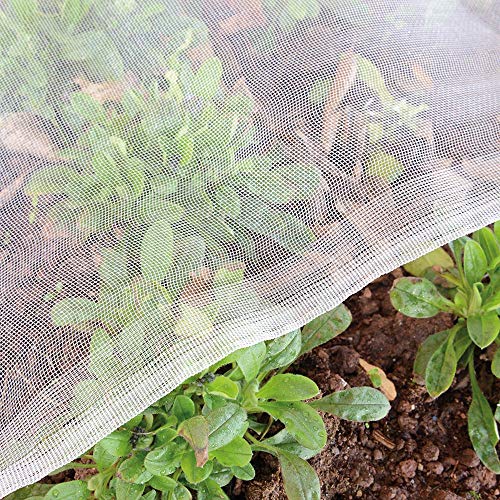
Floating row covers provide a physical barrier against flying insects. They let in light and water but keep pests out.

Beer traps can catch slugs and snails. Bury a shallow container filled with beer near your cabbage plants.

Crop rotation helps prevent pest buildup in the soil. Move cabbage to a new spot each year to break pest lifecycles.

Check out Red Cabbage vs Green Cabbage

8. Fertilize with compost or organic fertilizer

Cabbage plants need nutrients to grow big and healthy. Compost is a great choice for fertilizing cabbage. It adds important nutrients to the soil and helps it hold water better.

You can mix compost into the soil before planting. Add 2 to 4 inches of compost for every 100 square feet of garden space. This will give your cabbage a good start.

Organic fertilizers, such as manure, bone meal, and fish emulsion, are another good option. They release nutrients slowly, which is perfect for cabbage plants.

Apply organic fertilizer when you plant your cabbage. You can also add more during the growing season. Follow the instructions on the package for the right amount to use.


Organic Plant Magic - Truly Organic™ Slow Release Granular Fertilizer : Long-Lasting Plant Food Granules - Indoor & Outdoor Flowers, Vegetable Gardens, Fruit Trees, Shrubs, House Plants [One 4 lb Bag]

Cabbage likes nitrogen-rich fertilizers. This helps them grow lots of leaves. But don’t use too much, or you might get loose heads instead of tight ones.

If you make your own compost, it’s a great way to feed your cabbage. It’s free and good for the environment. Plus, it helps reduce waste from your kitchen and yard.

Remember, healthy soil grows healthy plants. Using compost or organic fertilizer will give your cabbage the nutrients it needs to thrive in your square foot garden.

Check out Can You Plant Cabbage and Peas Together?

9. Thin out seedlings for strong growth

Thinning seedlings is a key step in growing healthy cabbage plants. It helps reduce crowding and gives the strongest plants room to thrive.

Start thinning about two weeks after the cabbage seeds sprout. Look for the biggest, healthiest seedlings and remove the weaker ones around them.

Use small scissors or pinch off extra seedlings with your fingers. Be gentle to avoid disturbing the roots of nearby plants. Aim to leave 12-18 inches between each cabbage seedling.

Thinning allows the remaining plants to get more light, water, and nutrients. This leads to stronger growth and bigger cabbage heads later on.

Don’t throw away the thinned seedlings. You can replant them in another part of your garden or add them to salads for a tasty treat.

After thinning, water the remaining seedlings well. This helps them settle and reduces stress from the process.

Keep an eye on your plants as they grow. If some seedlings outpace others or if the plot still seems crowded, you may need to thin again.

Check out Can You Plant Cabbage and Cauliflower Together?

Understanding Square Foot Gardening

Square foot gardening is a smart way to grow more food in less space. It uses a grid system to organize plants and make the most of small garden areas.


Backyard Expressions 48"x34" Raised Garden Bed - Elevated Wood Planter Box for Healthy Plant Growth, 440 lb Capacity - Natural Color

Concept of Space Efficiency

Square foot gardening divides growing areas into 1-foot by 1-foot squares. Each square holds a certain number of plants based on their size. Big plants like cabbage get one square each. Smaller plants like carrots can fit 16 per square.

This method uses raised beds filled with a rich soil mix. The beds are often 4 feet by 4 feet, creating 16 squares total. Gardeners can reach all plants without stepping in the bed.

Grids are made of wood or string and mark off the squares. This helps with planting and spacing and makes it easy to rotate crops each season.

Benefits of Square Foot Gardening

Square foot gardening saves water and reduces weeds. The rich soil and close plant spacing mean less watering is needed, and fewer open spaces leave little room for weeds to grow.

This method works well for small yards or urban gardens. Even a tiny space can produce a lot of food. It’s perfect for growing vegetables, herbs, and some flowers.

Square foot gardening is easy for beginners to learn. The grid system takes the guesswork out of plant spacing. It also makes it simple to plan crop rotations and keep track of what’s planted where.

Square foot gardens are neat and tidy. They look good in any yard. The raised beds can be built at different heights to help people with limited mobility.

Check out Can You Plant Onions and Cabbage Together?

Cabbage Varieties Suitable for Square Foot Gardening

Some cabbage types grow better in small spaces. Certain varieties also resist pests and diseases more easily.

Choosing the Right Cabbage Type

Compact cabbage varieties work best for square foot gardens. Mini cabbages like “Gonzales” only need 6-8 inches of space. “Stonehead” is another good choice, producing 4-pound heads in a small area.


250 Golden Acre Cabbage Seeds for Planting Non GMO Heirloom Seeds Fresh Vegetable Garden Seed

For a longer harvest, try “Cabeza” cabbage. It matures in just 65 days. “Early Jersey Wakefield” has a pointy shape that fits well in tight spots. Red cabbages like “Ruby Perfection” add color and take up little room.

Chinese cabbage varieties such as “Toy Choy” grow quickly in small gardens. Napa cabbage types like “Minuet” also do well in square foot plots.

Resistant Varieties for Pests

Some cabbage types fight off common pests and diseases. “Bronco” resists black rot and fusarium yellows. “Blue Vantage” stands up to thrips and tip burn.

For areas with cabbage worm problems, try “Gonzales” or “Tendersweet”. These varieties have tougher leaves that bugs don’t like. “Lennox” fights off clubroot disease in wet soils.

“Cheers” cabbage resists both pests and splitting. It grows well in many climates. “Green Goliath” handles heat stress better than other types.

Check out Can Bunnies Eat Cabbage Leaves?

Soil Preparation and Nutrient Management

Good soil is key for growing healthy cabbage. The right mix of nutrients and proper preparation will help your plants thrive.

Optimal Soil Composition

Cabbage grows best in fertile, well-draining soil. Mix compost into your existing soil to add organic matter and improve drainage. Aim for a soil pH between 6.0 and 7.5.


Back to the Roots 100% Organic Raised Bed Soil, Fills 8' x 4' Garden Bed, 60 cu ft, Made in USA, Peat-Free

For square foot gardens, create a grid with 12-inch openings. This helps space plants properly. Fill each square with a blend of:

  • 1/3 compost
  • 1/3 peat moss
  • 1/3 vermiculite

This mix provides nutrients and retains moisture without becoming waterlogged. Loosen the soil to a depth of 8-10 inches before planting.

Fertilization Techniques

Cabbage is a heavy feeder and needs regular nutrients. Before planting, start by adding a balanced fertilizer like 10-10-10 to the soil.

Apply 1 cup of 16-16-8 fertilizer per 25 square feet. Mix it in well. Feed plants every 3-4 weeks during the growing season until heads start forming.

For best results, use a water-soluble fertilizer high in nitrogen. Avoid fertilizing once heads begin to form, as this can lead to splitting.

Mulch around plants with straw or wood chips. This helps retain moisture and regulate soil temperature.

Check out Can Goats Eat Cabbage Leaves?

Frequently Asked Questions

Growing cabbage in a square foot garden raises many common questions. Here are answers to some key issues gardeners often face.

How long does it take for cabbage to grow from planting to harvest?

Cabbage takes about 70 to 100 days to grow from seed to harvest. The exact time depends on the variety and growing conditions. Early varieties can be ready in as little as 60 days.

What are the stages of cabbage growth, and what care is needed at each stage?

Cabbage growth has four main stages:
Seedling stage: Keep soil moist and protect from pests.
Leafy stage: Water deeply and watch for insect damage.
Head formation: Maintain even moisture and avoid disturbing roots.
Maturity: Check heads for firmness and harvest when ready.

Can you provide a step-by-step process for growing cabbage from seed?

Plant seeds 1/4 inch deep in soil.
Keep soil moist until seeds sprout.
Thin seedlings to 12-18 inches apart.
Water regularly and apply mulch.
Monitor for pests and diseases.
Harvest when heads are firm.

What is the recommended spacing for cabbage plants in square foot gardening?

In square foot gardening, plant one cabbage per square foot. This gives each plant enough room to grow without crowding. For larger varieties, use one plant per 2 square feet.

How can one grow cabbage at home if they do not have seeds?

Gardeners without seeds can:
Buy cabbage seedlings from a nursery.
Ask fellow gardeners for extra seedlings.
Look for community seed exchanges.
Try regrowing cabbage from store-bought stems.

What are some tips for beginners to successfully grow cabbage in a square foot garden?

Choose a sunny spot with at least 6 hours of direct light.
Use rich, well-draining soil mixed with compost.
Water deeply but avoid soggy soil.
Apply mulch to retain moisture and block weeds.
Check plants often for pests or signs of disease.

Grow Cabbage in Square Foot Gardening

Conclusion

Growing cabbage in a square foot garden is a rewarding experience. With proper planning and care, gardeners can enjoy fresh, homegrown cabbage. The square foot method maximizes space and yield in small areas.

Success depends on following the key steps. Choose the right season and location. Prepare nutrient-rich soil. Space plants correctly. Water consistently. Protect from pests.

Harvest cabbage when heads are firm and full-sized. Store properly to enjoy for months. Square foot gardening allows even novice gardeners to grow bountiful cabbage crops.

With these techniques, anyone can cultivate delicious, nutritious cabbage at home. The methods are simple yet effective. Patience and attentiveness lead to a satisfying harvest.

You may also like:

vegetable garden ideas

10 Vegetable Garden Layout Ideas