
Most of the time, the answer is caterpillars.
If you find ragged holes and small green droppings on your cabbage, the culprit is almost always a cabbage caterpillar (imported cabbageworms, cabbage loopers, or diamondback moth larvae), with flea beetles, slugs, and snails close behind. Larger bites taken from the outside of the plant point to rabbits, deer, or groundhogs.
The damage itself tells you who did it. Tiny round holes, slime trails, curled leaves, and plants cut off at the soil line each belong to a different pest. Once you match the damage to the pest, the fix is usually simple, organic, and cheap.
How to Read the Damage on Your Cabbage
Start with the shape, size, and location of the damage, then look for leftover clues like droppings, slime, or sticky residue. Those signs narrow the list fast. They also tell you whether you need Bt spray, floating row covers, a slug trap, or a fence.
Holes, Ragged Edges, and Slime Trails
Irregular holes in the middle of leaves, plus little green pellets (called frass) in the folds, mean cabbage worms. These caterpillars chew through the leaf from underneath and leave their droppings where leaves meet the stem.
Ragged holes along the edges, with a shiny, dried slime trail on the leaves or soil, point to slugs and snails. They feed at night, so the damage seems to appear out of nowhere by morning.
On young plants, they can leave nothing but the tough midribs.
Tiny Shot Holes, Curling, and Discolored Leaves
Dozens of pinhead-sized holes that look like a shotgun blast are flea beetle damage. Young leaves get hit hardest.
Leaves that cup, curl, or turn yellow without big holes usually have sap-sucking insects. Gray, waxy clusters are cabbage aphids. Pale, blotchy spots with no holes at all can mean harlequin bugs, especially in the South.
Wilted Seedlings or Plants That Disappear
A seedling lying on its side, cut clean at the soil line, is cutworm work. A plant that wilts on a sunny day even though the soil is moist may have cabbage root maggots chewing the roots.
If whole plants vanish overnight or are bitten down to stubs, think bigger. Rabbits, groundhogs, and deer can clear a row in one visit. For a wider look at what attacks other crops, my guide to common vegetable garden pests covers the usual suspects.
| Damage you see | Most likely pest |
|---|---|
| Ragged holes, green droppings | Cabbage worms, loopers |
| Tiny round shot holes | Flea beetles |
| Edge holes, slime trails | Slugs and snails |
| Curling, gray clusters, sticky leaves | Aphids |
| Stem cut at soil line | Cutworms |
| Wilting with moist soil | Cabbage root maggots |
| Large bites, missing plants | Rabbits, deer, groundhogs |
Which Caterpillars Are Chewing Holes in the Leaves?
Three caterpillars do most of the leaf damage on cabbage in the US. Imported cabbageworms come from small white butterflies, while cabbage loopers and diamondback moth larvae come from moths. All three hide on leaf undersides and leave frass behind.

Imported Cabbageworms and White Butterflies
Those white butterflies fluttering over your cabbage patch, with one to two black spots on their wings, are the parents of imported cabbageworms. The females lay single eggs on the leaves.
The caterpillars are velvety green with a faint yellow stripe down the back. They grow to about 1 1/4 inches and blend in almost perfectly along the leaf veins.
They often tunnel into the developing head, which is why you’ll sometimes find them only when you cut the cabbage open.
Cabbage Loopers and Diamondback Moth Larvae
Cabbage loopers are smooth, pale green caterpillars that arch their backs into a loop as they crawl, like an inchworm. They grow to about 1 1/2 inches and chew large, irregular holes. The adults are mottled brown moths that fly at night.
Diamondback moth larvae are much smaller, about 1/3 inch, and pointed at both ends. When you touch one, it wriggles hard and drops off the leaf on a silk thread.
They make small holes and sometimes eat only one layer of the leaf, leaving clear “windows.”
How to Check Leaf Undersides for Eggs and Droppings
Flip leaves over at least twice a week. Cabbageworm eggs are tiny, pale yellow, and bullet-shaped, laid one at a time. Looper eggs are round, greenish white, and also laid singly.
Look at the base of each leaf and in the center of the plant for dark green frass. Fresh droppings mean a caterpillar is still nearby.
Follow the trail of new holes and you’ll usually find it on the underside of the freshest damage. Early morning is a good time, since caterpillars move slowly in the cool air.
Are Flea Beetles Making Tiny Shot Holes?
Yes, if the holes are small, round, and scattered across the leaf by the dozen. Flea beetles are shiny black beetles about 1/10 inch long, and some types have a yellow or amber stripe on each wing cover.
They’re one of the first pests to show up in spring.
How to Spot Flea Beetles on Young Plants
Brush your hand across a damaged seedling and watch. Flea beetles jump away like fleas, using their thick back legs. That jump is the easiest way to tell them apart from other small bugs.
The holes start out tiny and grow as the leaf expands. Older holes often heal with a silvery, dried look around the edges.
Damage peaks in warm, dry spring weather, and the beetles become less of a problem once summer heat arrives. Fall plantings see fewer of them.
Why Seedlings Need Protection First
A big cabbage can lose a lot of leaf area to flea beetles and still form a head. A seedling with three or four leaves can’t. Heavy feeding stunts small plants or kills them outright.
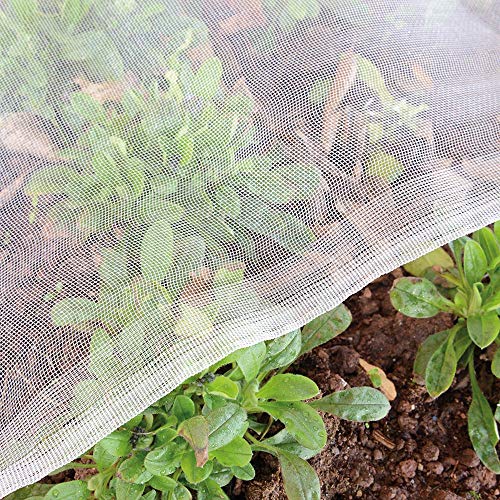
That’s why I put floating row covers over brassicas the same day I plant them. Bury or weigh down the edges so no beetles crawl underneath.
Transplants also handle flea beetles better than direct-seeded plants, because they start out bigger and outgrow light feeding faster. Once plants have six to eight true leaves, the risk drops a lot.
Are Slugs and Snails Feeding After Dark?
They are if you see holes appear overnight and find no bugs on the plant during the day. Slugs and snails hide under boards, rocks, mulch, and leaf litter while the sun is up.
They come out on cool, damp nights, and they love wet springs, rainy falls, and the Pacific Northwest.
How to Confirm Slug or Snail Damage
Go out with a flashlight about two hours after dark. You’ll see them right on the leaves if they’re the cause.
During the day, look for shiny, silvery trails on leaves, pots, and soil. Slug holes have ragged, uneven edges and tend to start at the leaf margins.
Seedlings may be eaten down to a stub. Check under nearby boards and in soil cracks around the base of damaged plants too.
Hand-Picking, Traps, and Iron Phosphate Bait
Hand-picking at night or early morning is the most direct fix. Drop slugs and snails into a cup of soapy water. Repeat every night for a week or two to make a real dent.
- Board traps: Lay a flat board on the soil near your cabbage. Check underneath each morning and remove what’s hiding there.
- Beer traps: Sink a shallow container so the rim sits about 1/2 inch above soil level, and fill it with beer. Use about one per square yard in problem areas.
- Iron phosphate bait: Sprinkle the pellets around plants per the label. It’s an organic option that’s much safer around pets and wildlife than metaldehyde bait, which is toxic to dogs and cats, according to the ASPCA.
Thick, damp mulch gives slugs a place to hide. In a slug-heavy bed, I’d pull mulch back a few inches from the stems.
Are Aphids or Harlequin Bugs Damaging the Leaves?
These are sucking insects, so they cause curling, yellowing, and pale spots in place of chewed holes. Aphids show up all over the US. Harlequin bugs are mostly a problem in the Southeast and other warm southern states.
Gray Aphid Clusters, Curling, and Sticky Residue
Cabbage aphids are about 1/8 inch long and covered in a gray, powdery wax. They pack together in dense colonies on leaf undersides and in the center of the head. Leaves above them pucker, curl, and turn yellow.
Aphids also leave a sticky residue called honeydew. Ants climbing your cabbage are a strong hint that aphids are present, since ants farm them for that sweet residue.
Cabbage aphids stay active in cooler weather than many pests, down to around 50°F, so they can turn up in fall gardens.
Lady beetles, lacewings, and tiny parasitic wasps are beneficial insects that eat aphids. Look for swollen, tan, “mummified” aphids, which means wasps are already working on the colony.
Harlequin Bugs and Pale Feeding Spots
Harlequin bugs are shield-shaped stink bugs about 3/8 inch long with bold black and orange or red markings. Their eggs look like tiny black-and-white barrels standing in two neat rows on the leaf underside.
They pierce the leaf and suck out the juice, leaving white or yellow blotches. Heavy feeding makes young plants wilt, brown, and die.
Hand-pick adults into soapy water, crush egg clusters, and clear out mustard-family weeds and old brassica plants where they spend the winter. Insecticidal soap works on the young nymphs better than on hard-shelled adults.
Which Animals Are Taking Large Bites?
Animals leave bigger, cleaner damage than insects, and they often take whole leaves or plants. Footprints, droppings, and the height of the damage tell you which one to plan for.
Rabbit, Deer, and Groundhog Feeding Signs
Rabbits snip stems and leaves with a clean, angled cut, like a pruner at about 45 degr