
To keep raccoons and squirrels out of the garden, start by identifying which animal is causing the damage, then remove food sources and protect the plants it targets.
The right fix depends on the visitor: raccoons often raid gardens at night, while squirrels usually feed and dig during the day.
No single trick works everywhere, but a layered approach can make your garden much less inviting. I’d begin with simple cleanup and sturdy barriers before trying repellents or scare tactics.
How to Tell Raccoon Damage From Squirrel Damage
Raccoon damage usually appears overnight and looks rough; squirrel damage is more often a collection of small bites, holes, or missing bulbs noticed during the day.
Knowing the difference helps you choose a useful response instead of spending time on a deterrent the animal can ignore.
Look at the damage and the timing
Raccoons feed at night. Signs include stripped or broken corn ears, melons ripped open, and beds or sod dug up as they search for grubs. They may also tip trash cans or raid a pond.
Squirrels are active by day and tend to leave smaller clues. Look for a single bite taken from a tomato, small holes where bulbs were planted, or fruit and nuts disappearing from trees. They commonly dig up tulips and crocus bulbs.
| Clue | More likely raccoon | More likely squirrel |
|---|---|---|
| When damage happens | Overnight | Daytime |
| Corn | Ears stripped or broken | Usually not the main clue |
| Tomatoes or melons | Large, ripped-open fruit | Single bites in tomatoes |
| Beds | Broad digging or grubbing | Small holes; bulbs missing |
| Other signs | Tipped trash, pond raids | Fruit and nuts taken from trees |
These clues are not a guarantee: more than one animal may visit, and other pests can damage vegetables too. If the signs are unclear, compare them with this guide to common vegetable garden pests and my guide to what is eating my cabbage leaves.
Match the response to the visitor
For squirrels, a cage made from hardware cloth can protect a small bed or a newly planted patch. For either animal, a motion-activated sprinkler can make a garden less comfortable to visit, especially when it covers the route the animal uses.

Before buying anything, note the location and timing of fresh damage for a few days. That small bit of observation can tell you whether to focus on nighttime access, daytime digging, or a food source nearby.
Remove What Draws Them In
The most reliable first step is to reduce easy food and shelter around the garden. Clean up regularly and secure anything that could reward a visit, including trash, pet food, fallen fruit, and birdseed.
Make food harder to find
Bring pet food indoors when pets have finished eating. Pick up fallen fruit, and use trash cans with locking lids or lids secured with a bungee tie. A loosely covered can is an easy target for a raccoon.
Bird feeders can feed the very squirrels you are trying to protect plants from. Keep feeders away from garden beds and clean up spilled seed rather than letting it collect on the ground.
If birds are also a concern around containers, see these tips for keeping birds out of hanging plants.
Manage compost and garden leftovers
Enclose compost so wildlife cannot get into it, and do not add meat scraps. Keep ripe produce picked, remove damaged fruit, and clear away garden waste that could serve as food or cover.
Mulch is useful for garden care, but it does not keep wildlife out by itself. If you are planning a fresh layer, review mulching a vegetable garden and avoid treating mulch as a substitute for a barrier or cleanup.
Keep the routine simple
A short, regular cleanup is easier to maintain than a major reset after animals have learned where food is. Check under fruit trees, around feeders, beside trash cans, and near the compost enclosure.
If the problem continues after you remove attractants, move on to physical protection. A food source that remains accessible can undermine even a well-built fence or carefully applied repellent.

Fences and Barriers That Actually Work
Choose barriers based on how each animal moves: raccoons climb, while squirrels climb and jump. A plain fence is often not enough for raccoons, and open-topped beds leave squirrels an easy route to tender plants.
Make a fence harder for raccoons to climb
Raccoons can climb, so a standard fence may not stop them. A practical option is adding two strands of electric wire: one about 6 to 8 inches above the ground and one at the top, or a single offset hot wire.
Use electric fencing only when it is installed and operated according to safety instructions and local rules. Keep people and pets in mind, and check the system regularly so vegetation or damage does not interfere with it.
Cover beds against squirrels
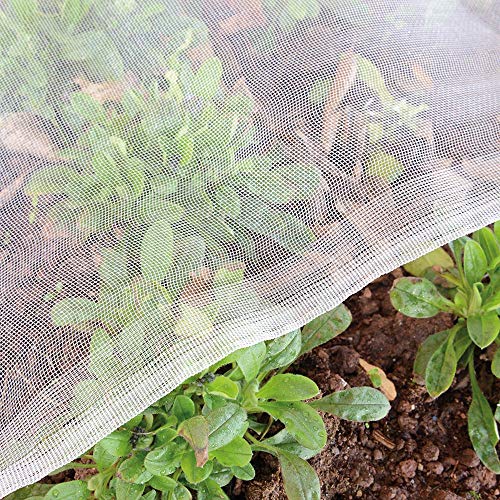
A cage made from hardware cloth can protect a small bed, seedlings, or plants that are especially vulnerable. Sturdy netting may also help when it is secured so squirrels cannot get underneath or push it aside.

For bulbs, lay 1/2-inch hardware cloth over the freshly planted area, then remove it in spring. The mesh lets plants grow through while blocking access during the vulnerable period. It is particularly useful for tulips and crocus.
Secure barriers at the edges
A barrier only works if it closes off the access animals are using. Check for gaps at the bottom, loose corners, and spots where a branch, trellis, or nearby structure creates a path into the bed.
Protecting a pond or other water feature can call for a different setup than guarding vegetables. If you are also dealing with wildlife around water plants, this guide to protecting lotus plants from wildlife may help you think through plant-specific protection.
Protecting Fruit, Corn and Bulbs
Protect high-value crops directly when an entire garden barrier is impractical. Pick produce promptly, cover vulnerable plants, and use a dedicated barrier for bulbs and corn.
Cover fruit and pick tomatoes early
Bag individual ripening fruit to limit access, or use netting over fruit trees. Make sure netting is secured and checked, so it protects the crop without creating an avoidable hazard for wildlife.
For tomatoes, pick fruit at first blush and let it ripen indoors. This reduces the time a nearly ripe tomato is exposed in the garden, where squirrels may take a single bite before moving on.
Harvest corn promptly
Raccoons can strip and break corn ears, so do not leave ripe ears standing longer than necessary. Harvest promptly as the crop reaches the stage you want, and remove spent plant material when the harvest is finished.
If raccoons repeatedly reach a corn patch, electric fencing is the reliable fix described here. A plain fence may not work because raccoons can climb, so plan the barrier around their ability to get over it.
Protect bulbs before planting season passes
Squirrels often dig up newly planted bulbs, especially tulips and crocus. Cover the planting area with 1/2-inch hardware cloth after planting, then remove it in spring so the flowers can grow unobstructed.
If you prefer another planting choice, squirrels rarely eat daffodils, alliums, and fritillaries. No bulb is guaranteed to be untouched, but choosing among these less-attractive options can reduce the risk of repeated digging.
Repellents and Scare Tactics: What Helps and What Doesn’t
Motion-activated sprinklers are among the more effective scare tactics for both raccoons and squirrels. Repellents may provide temporary help, but they work best alongside cleanup and barriers rather than as a stand-alone fix.
Use movement and water strategically
A motion-activated sprinkler can startle an animal and make a frequently used path less appealing. Place it so it covers the approach to the vulnerable bed, and adjust it to avoid spraying people, pets, or areas where water would cause problems.
Do not assume one device will cover every entrance. Animals may switch routes, so watch for new damage and reposition protection if needed. Keep the rest of the garden secured while you test a scare tactic.
Treat hot-pepper products as temporary
Capsaicin, the ingredient that gives hot peppers their heat, can deter squirrels for a while. Rain can wash it away, so reapply as directed on the product label, particularly if it is being used near edible crops.
Follow the label carefully for any product used on or near food plants. Do not make stronger mixtures or apply a product in a way the label does not allow.
Skip unreliable or harmful options
Ultrasonic devices and decoy owls have little evidence of lasting effectiveness. Animals can get used to them within days, so they are unlikely to solve a persistent problem on their own.
Coffee grounds are not a dependable squirrel deterrent. Do not use mothballs or household cleaners such as pine cleaners in garden beds; mothballs are toxic, and cleaners can damage plants and soil.
Safety, Trapping Rules and When to Call a Pro
Treat raccoons and their droppings as a health concern, and do not handle wild animals. Before trapping or relocating one, check your state wildlife agency’s rules, because relocation is restricted or illegal in many places.
Protect yourself during cleanup
Raccoons can carry rabies and roundworm. Never handle a raccoon, and wear gloves when cleaning droppings; take care not to stir up contaminated material. If you are unsure how to clean a particular area safely, seek local guidance.
Call animal control if a raccoon appears sick or is active and unafraid in daytime. Keep people and pets away from the animal rather than trying to chase, corner, or capture it yourself.
Check local rules before trapping
Trapping and relocation rules vary by state and may restrict or prohibit moving wildlife. Contact your state wildlife agency before taking action, and do not assume that releasing an animal somewhere else is legal or humane.
Relocated raccoons often die or return. A trap also does not address the food source or access point that brought the animal to your garden, so securing the area is an important part of a lasting response.