
A head of iceberg lettuce and a head of green cabbage can sit side by side in the produce bin looking like twins. Pick them up, though, and the difference shows right away.
Cabbage is the heavy, dense head with thick, waxy leaves and a peppery bite, while a head of lettuce is lighter, softer, and watery, and it bleeds a milky sap where the stem is cut. That one-hand weight test settles most head of lettuce vs cabbage mix-ups in about two seconds.
They also come from different plant families, grow on different schedules in your garden, and keep for very different lengths of time in the fridge.
Once you know what to look for, you’ll pick the right head for slaw, salad, or your spring planting plan every time.
Quick Comparison: What’s the Main Difference?
Cabbage is a dense, sturdy brassica built for cooking and long storage, and lettuce is a tender, watery leaf crop built for eating fresh. If you’re buying lettuce seeds or cabbage seeds for the garden, that split shapes everything from planting dates to harvest.
| Feature | Green cabbage | Iceberg lettuce |
|---|---|---|
| Plant family | Mustard (Brassicaceae) | Daisy (Asteraceae) |
| Head feel | Heavy, rock-firm | Light, slightly springy |
| Leaves | Thick, waxy, bold veins | Thin, crisp, watery |
| Calories per 100 g | About 25 | About 14 |
| Best use | Cooked, slaw, ferments | Raw salads, sandwiches |
| Fridge life | 1 to 2 months | 1 to 2 weeks |
Which Head Is Denser, and Which Is More Delicate?
Green cabbage is far denser. Its leaves wrap so tightly around a thick core that a mature head feels almost solid, and a small early variety can weigh 1 to 3 pounds while late storage types reach 4 to 8 pounds or more.
Iceberg lettuce is the delicate one. Its leaves hold more water and less fiber, so the head bruises and wilts more easily, and the outer leaves tear if you squeeze too hard.
Which One Should You Pick for Cooking or Salads?
I’d reach for cabbage any time heat is involved. It holds its shape in soups, braises, and stir-fries, and it shreds into a slaw that stays crunchy for days.
Pick iceberg lettuce for cold, fresh dishes. Its mild flavor and watery crunch suit wedge salads, burgers, tacos, and lettuce wraps, where cabbage would taste too strong and chew too tough.

How Can You Tell the Heads Apart at a Glance?
Weight, leaf thickness, color, and the cut stem are your four best clues. Cabbage looks slightly bluish or deep green with a waxy sheen, while iceberg looks pale, glossy, and a little more loosely wrapped at the top.
Compare Weight, Leaf Thickness, and the Core
Pick up both heads. A cabbage of the same size feels noticeably heavier because its leaves are thicker and packed with less air between them.

Next, look at a single outer leaf:
- Cabbage leaves are stiff and waxy, with thick white veins that look like ribs. Water beads up and rolls off them.
- Lettuce leaves are thin and bend easily. The veins are finer, and the surface feels smooth and moist.
- The core on cabbage is a thick, woody stem that runs deep into the head. Iceberg has a smaller, softer core you can pop out by smacking it on the counter.
- Color on cabbage ranges from blue-green to purple. Iceberg stays pale green to almost white inside.
Check the Cut Stem for Milky Sap
Look at the stem end where the head was cut. Fresh lettuce often shows a white, milky sap at the cut, which is a natural latex that lettuce plants make.
Cabbage won’t do this. Its cut stem looks pale and dry or slightly wet with clear juice, and it smells faintly sulfury, like broccoli. If you see white beads on the stem, you’re holding lettuce.
Are Lettuce and Cabbage Related?
No, they’re distant relatives at best. Cabbage belongs to Brassicaceae and lettuce belongs to Asteraceae, two plant families that split apart a very long time ago.
Cabbage Belongs to the Mustard Family
Cabbage is Brassica oleracea var. capitata, the same species that gave us broccoli, cauliflower, kale, and Brussels sprouts. Savoy is its crinkled-leaf form, Brassica oleracea var. sabauda.
That family link explains a lot. Cabbage shares the peppery, slightly sulfur flavor of its cousins, and it attracts the same pests, like cabbageworms and flea beetles, that chew on your broccoli. If you grow several brassicas, plan your bed rotation around the whole family.
Lettuce Belongs to the Daisy Family
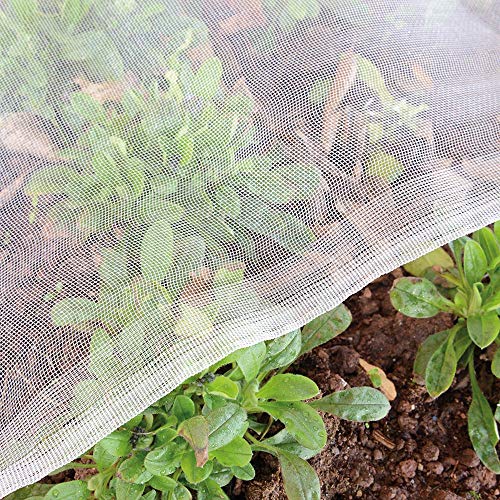
Lettuce is Lactuca sativa, part of the daisy family along with sunflowers, chicory, and endive. If you’ve ever let a lettuce plant bolt, you’ve seen the tall stalk and small yellow flowers that give away its daisy roots.
The milky sap also comes from this family trait. It’s where the genus name Lactuca comes from, linked to the Latin word for milk.
How Do Their Taste, Texture, and Kitchen Uses Differ?
Cabbage tastes peppery and slightly sweet with a firm crunch, and lettuce tastes mild and watery with a light snap. That flavor gap decides where each one belongs on your plate.
Why Cabbage Works in Slaws, Cooked Dishes, and Ferments
Cabbage’s thick leaves stand up to dressing, heat, and salt. Coleslaw is the classic raw use, since shredded cabbage soaks up a vinegar or mayo dressing and stays crisp for a couple of days.
Cooking softens cabbage and brings out its sweetness. Try it in:
- Soups and stews, added in the last 15 to 20 minutes
- Stuffed cabbage rolls, using blanched outer leaves
- Stir-fries and pan-roasted wedges
- Sauerkraut, made with green cabbage and salt
- Kimchi, traditionally made with napa cabbage
Fermenting works because cabbage holds enough natural sugar and firmness to stay crunchy for months in brine.
Why Lettuce Works Best in Fresh Salads and Sandwiches
Lettuce is about 95% water, so heat turns it limp fast. It shines raw, where that cold, watery crunch is the whole point.
Use iceberg for wedge salads, burgers, tacos, and chopped salads. Whole cupped leaves also make good low-carb wraps. You can swap shredded cabbage in for lettuce on tacos, but don’t try the reverse in a slaw; lettuce goes soggy within an hour of dressing.
Which Has More Fiber, Calories, and Vitamins?
Green cabbage wins on almost every nutrient compared with iceberg lettuce. Cabbage brings more fiber, vitamin C, vitamin K, folate, and potassium, while iceberg’s main advantages are fewer calories and slightly more vitamin A.
Compare Raw Green Cabbage and Iceberg Lettuce per 100 Grams
Here’s how 100 grams (about 1 1/2 cups shredded) stacks up:
- Calories: green cabbage about 25; iceberg about 14
- Fiber: cabbage about 2.5 to 3 grams; iceberg about 1 gram
- Vitamin C: cabbage about 37 mg; iceberg about 3 mg
- Vitamin K: cabbage about 76 mcg; iceberg about 24 mcg
- Folate and potassium: both higher in cabbage
That vitamin C gap is the big one. A cup of shredded cabbage covers a good share of an adult’s daily needs, and iceberg barely registers. Cabbage also carries more antioxidants, including plant compounds found across the brassica family.
How Do Darker Lettuces and Red Cabbage Change the Comparison?
Darker lettuces close the gap fast. Red leaf lettuce and romaine carry much more vitamin A, vitamin K, and antioxidants than iceberg, and romaine has more potassium than green cabbage.
Red cabbage pushes cabbage’s lead even further. Its purple color comes from anthocyanins, the same antioxidant pigments found in blueberries. If you want the most vitamins and minerals per bite, I’d pick red cabbage for cooking and red leaf lettuce for salads.
Which Cabbage and Lettuce Varieties Might You Grow?
Lettuce comes in heading, loose-leaf, and romaine types, and cabbage comes in green, red, savoy, and napa. Choosing the right type for your season and space makes a bigger difference than any fertilizer.
Head Lettuce, Loose-Leaf Lettuce, and Iceberg
Crisphead lettuce, with iceberg as its best-known variety, forms the tight, cabbage-like ball. It needs the longest cool stretch, about 70 to 90 days, which makes it tricky in hot-summer regions like the Southeast and Southwest.
Butterhead forms a soft, loose head in 55 to 70 days. Loose-leaf types, including red leaf lettuce, skip the head entirely and are ready to pick in 30 to 45 days. For beginners, I’d start with loose-leaf or butterhead before trying iceberg.
Green, Red, and Savoy Cabbage
Green cabbage is the easiest and most common choice, with smooth leaves and firm round heads. Red cabbage grows the same way but takes a little longer and makes slightly smaller heads; my guide to red cabbage vs green cabbage covers the trade-offs.
Savoy has crinkled, tender leaves and a looser head that takes about 80 to 90 days from transplant. It handles cold well. You can compare them in savoy cabbage vs green cabbage.
Where Napa Cabbage Fits
Napa cabbage is a different species, Brassica rapa subsp. pekinensis, closer to turnips than to round cabbage. It grows a tall, barrel-shaped head with broad white ribs and frilly pale leaves.
Of all cabbages, napa looks and tastes the most like lettu