
Yes, you can plant onions and cabbage together, and they make one of the easiest companion pairs in a cool-season bed. Onions are narrow and shallow-rooted, so they tuck in around wide cabbage plants without stealing much space or water.
The catch is spacing and expectations. Give each cabbage about 18 inches, ring it with onions about 4 inches apart, and still cover the bed with netting. Onion scent may help a little against pests, but the results are mixed.
Yes, Onions and Cabbage Can Share a Bed
Planting onions with cabbage works because both crops like cool weather, full sun, and rich, evenly moist soil. You can grow them in the same row, the same raised bed, or in a ring pattern with onions circling each cabbage.
What Makes This Pairing Work?
Planting cabbage and onions together works because they grow in different shapes. Cabbage spreads wide and low, while onions grow tall and slim, so their leaves don’t fight much for light.
Their roots sit at different depths too. Onion roots stay in the top few inches of soil, while cabbage roots reach deeper and wider.
Both are cool-season crops, so they go in the ground around the same time. I like to set out cabbage transplants and tuck onion sets (small dormant bulbs) in around them on the same day.
Here’s what they share:
- Full sun, at least 6 hours a day
- Rich, well-drained soil with lots of compost
- Steady moisture of about 1 to 1.5 inches of water a week
- Tolerance for light frost
What Should You Expect From Companion Planting?
Expect better use of space first, and maybe some mild pest help second. That’s the realistic payoff.
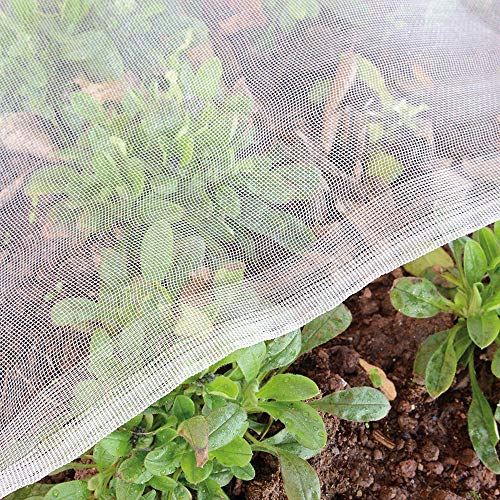
I’d plan your pest control as if the onions weren’t there. Lay lightweight insect netting or floating row cover over the bed on planting day, and treat any pest help from the onions as a bonus.
You also won’t see bigger cabbage heads just because onions are nearby. Head size comes from soil, water, feeding, and timing.
Why Do Onions and Cabbage Make Good Bed Partners?
The biggest benefits of planting onions with cabbage are space savings and shared care. One watering schedule and one soil prep job cover both crops, and the onions fill gaps that would otherwise sit empty or grow weeds.

How Their Different Shapes Make Room for Both Crops
A young cabbage transplant looks tiny, but it will spread 18 to 24 inches across. For the first several weeks, the soil between plants sits bare.
Onions fill that gap. Their upright, grass-like leaves let light and air move through, which helps keep foliage dry and cuts down on leaf diseases.
By the time cabbage leaves spread out, many green onions are ready to pull. That timing frees up room right when the cabbage needs it.

Which Benefits Are Practical, and Which Are Uncertain?
Some benefits of planting cabbage and onions together are easy to count on, and some are more hopeful. I sort them like this:
| Benefit | How reliable? |
|---|---|
| More food from the same bed | Very reliable |
| Matching water and sun needs | Very reliable |
| Fewer weeds from covered soil | Reliable if spaced well |
| Pest confusion from onion scent | Mixed results |
| Better cabbage flavor or size | No good evidence |
Companion planting is a useful tool, but the practical gains here come from smart layout. Pest benefits vary a lot from garden to garden.
Will Onions Keep Cabbage Pests Away?
Onions won’t keep cabbage pests away on their own, though their scent may slow some insects down. Natural pest control for cabbage works best when you stack several methods together.
Which Pests Might Onion Scent Confuse?
Many cabbage pests find their host plants by smell. The idea is that strong onion odor masks the cabbage scent and makes it harder for egg-laying moths and butterflies to land.
These are the cabbage pests most often linked with this idea:
- Cabbage worms: velvety green caterpillars of the white cabbage butterfly
- Cabbage loopers: green caterpillars that arch as they move
- Diamondback moth larvae: small caterpillars that wriggle and drop on a silk thread
- Flea beetles: tiny jumping beetles that leave shot holes in leaves
- Aphids: gray, waxy clusters under leaves and in heads
Gardeners report fewer cabbage worm and flea beetle problems with alliums nearby, but results aren’t consistent. A hungry flea beetle population in May will still find your cabbage.
Why Netting and Regular Checks Still Matter
Insect netting stops butterflies and moths before they lay eggs, which beats any scent trick. Put it on the day you transplant, bury or weigh down the edges, and leave it on until heads form.
Check under the leaves twice a week. Hand-pick caterpillars, and use Bt (Bacillus thuringiensis) if cabbage worms get ahead of you, since it targets caterpillars only.
For aphids, insecticidal soap works on contact. For slugs, try iron phosphate bait or beer traps. You’ll find more tips on keeping bugs out of the vegetable garden in my guide.
How Far Apart Should You Plant Each Crop?
Space cabbage about 18 inches apart and plant onions 4 inches apart around or between them. That spacing gives cabbage heads room to fill out while onions use the gaps.
A Simple Layout for Garden Rows
In traditional rows, set cabbage 12 to 24 inches apart in rows 24 to 36 inches apart. Small early types can go at 12 inches; large late types need the full 24.
Then plant a row of onions down the middle of the path between cabbage rows, or along each side about 6 inches from the cabbage stems. Keep onion sets 4 inches apart.
Don’t push onions closer than 6 inches to a cabbage stem. Cabbage leaves will shade them out later in the season.
How to Arrange Them in a Raised Bed
In a raised bed, I like a grid with cabbage on 18-inch centers and onions filling the corners between them. A 4-by-8-foot bed fits about 8 to 10 cabbages plus a few dozen onions.
Another easy pattern is a ring. Plant one cabbage, then set 4 to 6 onions in a circle about 8 inches from its center.
Square-foot gardeners can give each cabbage its own square and put onions in the next squares at about 9 to 16 per square. You can read more about cabbage spacing in a raised bed in my spacing guide.
What Soil, Water, and Feeding Do They Need?
Both crops want rich, loose, well-drained soil, steady water, and a pH between about 6.0 and 7.0. Their main difference is feeding, since cabbage wants more nitrogen than onions.

Prepare Fertile, Well-Drained Soil
Good soil preparation starts a few weeks before planting. Mix 2 to 4 inches of compost into the top 6 to 8 inches of soil and let it settle.
Aim for a pH around 6.5 to 6.8. If your soil test shows acidic soil, add lime, which also helps prevent clubroot in cabbage.
Pull every weed before planting. Onions are shallow-rooted and compete poorly with weeds, so a clean start saves you work all season.
Keep Moisture Steady Without Overwatering
Give the bed about 1 to 1.5 inches of water a week, rain included. Water deeply once or twice a week instead of a little every day.
Uneven watering hurts both crops. A heavy soak after a dry spell can split cabbage heads, and onions sitting in soggy soil can rot.
A 2-inch layer of straw or shredded leaves keeps moisture even and soil cool. Pull mulch back slightly from onion necks once bulbs start to swell.
Feed Cabbage Without Overdoing Nitrogen for Onions
Cabbage is a heavy nitrogen feeder. Side-dress each plant about 3 weeks after transplanting and again when heads start to form.
Onions need steady nutrition early, but too much nitrogen late in the season gives you soft necks and poor storage. Stop feeding onions once bulbs begin to swell.
My advice is to place fertilizer in a small circle around each cabbage, a few inches from the stem. That keeps most of the extra nitrogen away from the onions.
When Should You Plant Them in Spring or Fall?
Plant both in early spring a few weeks before your last frost, or in late summer for a fall crop. As cool-season crops, they grow best at 60 to 70°F.
How to Time a Spring Planting
Start cabbage seed indoors 6 to 8 weeks before your last spring frost. Sow 1/4 to 1/2 inch deep, and seeds sprout in about 4 to 10 days at 65 to 75°F.
Harden off seedlings and transplant 2 to 4 weeks before the last frost. Plant onion sets or transplants the same week.
Watch the cold. Young cabbages with pencil-thick stems held at 40 to 50°F for several weeks can bolt, so don’t set them out too early in a long, chilly spring.
Get spring cabbage harvested before summer heat. Above about 80°F, heads turn loose or bitter, or the plant bolts.
How to Plan a Fall or Winter Bed by Region
For fall cabbage, start seed 10 to 12 weeks before your first fall frost. Established plants handle frost into the low to mid 20s°F, and a light frost sweetens the heads.
Regional timing looks like this:
- Northeast and Midwest (zones 3 to 6): Start fall cabbage in late June or early July. Plant onion sets in fall with thick mulch for a spring harvest.
- Mid-Atlantic and upper South (zone 7): Start cabbage in July and transplant in August.
- Southeast, Gulf Coast, and Southwest (zones 8 to 10): Grow both through fall and winter, planting from September into November.
- Pacific Northwest coast: Mild winters suit fall-planted cabbage and overwintering onions.