
I don’t recommend planting cabbage and strawberries side by side. Cabbage is a big, hungry annual that can shade low strawberry plants, and strawberries stay in the same bed for 3 to 4 years. That mismatch makes feeding, watering, and crop rotation harder for both.
You can still grow both in the same yard. Give each crop its own bed, or keep the cabbage on the north end of a shared space so it never blocks the sun from your berries.
Keep the straw mulch around the strawberries, and give the cabbage room to spread without leaning over the fruit. Companion planting works best when you pair plants with similar needs, and these two don’t match well.
My Advice: Keep These Crops Apart
My recommendation is simple: grow cabbage and strawberries in separate beds whenever you can. Cabbage is a brassica that can spread 2 feet or more across, while strawberry plants hug the ground at 6 to 8 inches tall.
If you’re buying strawberry plants this season, plan their spot first, then place cabbage somewhere it can grow big without crowding them.
Is Planting Them Nearby Ever Reasonable?
Yes, nearby works. Neighboring beds in the same vegetable garden are fine, and so is a long bed where the two crops sit at opposite ends.
I’d keep at least 2 to 3 feet between the outer cabbage leaves and the nearest strawberry crown. A row of onions, garlic, or lettuce makes a handy buffer in that gap.
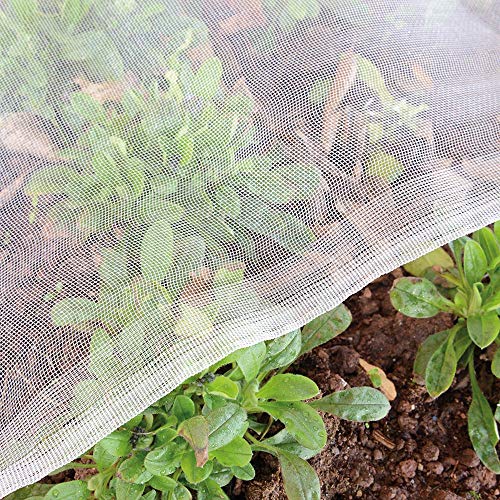
Put a row cover over the cabbage from planting day so caterpillars and their moths have less reason to hang around the whole bed.
What Matters More Than a Companion Planting Chart?
A companion planting chart is a starting point, and the real questions are sunlight, spacing, soil pH, and how long each crop will stay put. Most “bad pair” listings come from tradition and hold up best when you can see a practical reason behind them.
For cabbage and strawberries, the practical reasons are clear. One plant grows tall and wide; the other needs full sun on its flowers.
One wants pH near 6.5 to 6.8; the other likes it a bit lower. If you’re starting a new bed, my guide to preparing soil for a vegetable garden covers testing pH before you plant anything.
Why Are They Listed as Poor Companions?
They show up as poor companions mostly because of soil fertility and nutrient competition. Any decent companion planting guide flags cabbage as a heavy feeder, and strawberries want steady, moderate feeding in slightly acidic soil.

The idea of a chemical feud between them gets repeated online, but the evidence for it is thin.
Do Their Soil and Water Needs Conflict?
Their needs overlap enough to compete and differ enough to cause trouble. Cabbage grows best in rich, well-drained soil with pH 6.0 to 7.5, ideally about 6.5 to 6.8. Strawberries prefer pH 5.5 to 6.8.

The bigger conflict is lime. Gardeners often lime soil for cabbage to help prevent clubroot, and that can push pH higher than strawberries like.
Cabbage also takes heavy nitrogen, with side-dressings about 3 weeks after transplanting and again when heads start forming. Extra nitrogen on strawberries gives you lush leaves and fewer berries.
Both crops want about 1 to 1.5 inches of water a week. A big cabbage with a wide root zone pulls hard from the same soil during dry spells, so the shallow-rooted strawberries dry out first.

Is There Evidence That Cabbage Inhibits Strawberries?
I haven’t seen solid proof that cabbage poisons strawberries through allelopathy. Allelopathy is when a plant releases compounds that hold back its neighbors, and the clear home-garden example is black walnut.
Brassicas do contain sulfur compounds that break down in the soil, which is likely where the claim started. In a normal garden, shade and nutrient competition explain the problem far better. I’d treat the “cabbage stunts strawberries” claim as folklore with a sensible practical core.
A Perennial Strawberry Bed Needs a Different Plan
A strawberry bed is a 3 to 4 year commitment, and cabbage is a single-season crop you should move every year. That difference shapes your whole layout. Brassicas need crop rotation to stay healthy, and a permanent berry patch can’t rotate with them.
How Long Will Each Crop Occupy the Bed?
Strawberries stay put for several years, producing best in years two and three before yields drop. Most gardeners renew or replant the bed after year three or four.
Cabbage moves through faster. Early varieties reach harvest time about 60 to 70 days from transplant, and late varieties take 80 to 100 days or more. Savoy needs about 80 to 90 days. Then the bed sits open until the next crop.
| Crop | Life in the bed | Mature height | Feeding needs |
|---|---|---|---|
| Strawberries | 3 to 4 years | 6 to 8 inches | Moderate |
| Cabbage | 60 to 100+ days | 12 to 18 inches, 2 feet wide | Heavy nitrogen |
Can Crop Rotation Work Around Established Strawberries?
Rotation works when you plan it around the strawberries, and it falls apart when cabbage keeps landing in the same corner of a berry bed.
Brassicas should leave a spot for 3 to 4 years to cut the risk of clubroot, black rot, and fusarium yellows.
If cabbage sits beside your strawberries every year, it never rotates. A better plan is to give brassicas their own rotation through your annual beds and leave the strawberry bed to strawberries.
When you retire an old strawberry patch, cabbage can follow it the next season, since it’s from a different plant family.
Shade, Feeding, and Spacing Cause the Biggest Problems
The three biggest problems are shade on the berries, crowding, and both plants pulling from the same soil.
Intercropping works when plants use different space, like deep and shallow roots or tall and short growth on the right side of the bed. Cabbage and strawberries fight over the same sun and the same top foot of soil.
Will Cabbage Leaves Shade Strawberry Flowers and Fruit?
Yes, a mature cabbage throws real shade. Its outer leaves spread 18 to 24 inches and lean outward, right over low strawberry plants.
Strawberries need 6 to 8 hours of direct sun for good flowering and sweet fruit. Shaded berries ripen slowly, taste watery, and stay damp after rain, which invites gray mold and slugs.
Some gardeners call strawberries a living mulch because they cover the ground, and that only works when nothing big sits on top of them.
How Much Room Should Each Plant Have?
Give each crop its full spacing. Cabbage needs 12 to 24 inches between plants in rows 24 to 36 inches apart.
In raised beds, I use about 18 inches for most varieties, 12 inches for small early types, and 24 inches for large late ones. My post on cabbage spacing in a raised bed has the details.
Strawberries need 12 to 18 inches between plants so runners have room. Add a 2 to 3 foot buffer between the two crops and you’ve used a lot of bed, which is one more reason I keep them separate.
How Can You Prevent Competition for Water and Nutrients?
Feed and water each crop on its own schedule. Here’s how I’d set it up:
- Side-dress cabbage with nitrogen in a band around each plant, keeping it away from berry crowns.
- Feed strawberries lightly in early spring and again after harvest for June-bearers.
- Run drip line or a soaker hose along each crop separately so you can water cabbage more during head formation.
- Mulch both: straw around strawberries, shredded leaves or straw around cabbage.
- Avoid a big soak after a dry spell, since that splits cabbage heads.
Which Pests and Soil Problems Should You Watch For?
Slugs are the main shared pest, while cabbage worms, aphids, and clubroot are mostly brassica pests that won’t bother strawberries much. Strawberries carry their own disease risks, including verticillium wilt. Good pest control here means treating each crop for its own problems.
Slugs Can Damage Both Crops
Slugs and snails love both crops. They chew ragged holes in cabbage leaves and hollow out ripe berries, and a cabbage head gives them a cool, damp hiding spot right next to your fruit.
To cut slug damage:
- Water in the morning so the soil surface dries by evening.
- Set beer traps sunk to the rim, or scatter iron phosphate bait around plants.
- Check under boards and big leaves at dusk and hand-pick.
- Pull straw mulch back from cabbage stems a bit, and keep berries resting on clean, dry straw.
Cabbage Pests and Strawberry Diseases Need Different Responses
Cabbage brings brassica pests, and they need brassica-specific fixes. Watch for velvety green imported cabbageworms (from a white butterfly), cabbage loopers, diamondback larvae that wriggle and drop on a silk thread, and gray waxy clusters of cabbage aphids.
Cabbage moths and butterflies lay eggs on leaf undersides.
Insect netting from planting day stops most of them. Use Bt for caterpillars only and insecticidal soap for aphids. Clubroot lives in acidic soil, and the lime that figh