
Air plants are a good pick for a home with pets. Air plants (Tillandsia) aren’t known to be toxic to cats, dogs or people, and the ASPCA lists Spanish moss and several other bromeliads as non-toxic to cats and dogs.
That said, a cat that chews an air plant can still throw up, and the plant itself usually dies from the damage. The bigger risks come from small pieces, glue, wire and fertilizer, plus a name mix-up that points some people to a toxic succulent.
The Short Answer: Tillandsia Is Not Known to Be Poisonous
Tillandsia contains no known plant poison that harms cats, dogs or people. The genus has roughly 650 species in the bromeliad family. Some, like Spanish moss and ball moss, grow wild in the Southeast and Texas. If you are stocking up, a pot with drainage holes is the first thing I would pick up.
The plant chemistry gives you a reassuring answer. A nibble can still cause a mild upset, and dogs face the same small risks.
What Does Non-Toxic Mean If a Cat Chews the Leaves?
“Non-toxic” means the plant doesn’t contain compounds known to cause poisoning throughout the body. It doesn’t mean the leaves are food.
The ASPCA points out that eating any plant material can cause vomiting and stomach upset in cats and dogs. With an air plant, you might see:
- A little drooling right after chewing
- One or two bouts of vomiting
- Soft stool for a day
- Brief gagging if a stiff leaf scratches the throat
These signs come from fiber and rough leaf edges. Most cats bounce back within a day.
Does the Answer Apply to Dogs Too?
Yes, the same non-toxic status covers dogs. The difference is size and appetite.
A cat tends to nibble a leaf tip. A dog, especially a puppy, may grab the whole plant and swallow big chunks.
Larger types like T. xerographica and T. stricta have stiff, pointed leaves that can poke a mouth or upset a stomach.
With dogs, I’d focus on keeping whole plants out of reach.
What Does the ASPCA Say About Spanish Moss and Bromeliads?
The ASPCA lists Spanish moss (Tillandsia usneoides) and several bromeliads as non-toxic to cats and dogs. The ASPCA list covers the plants people ask about most, so plenty of individual air plant species don’t have their own entry.

They share the same genus and family, though, and no species is known to carry a toxic compound.
Spanish Moss and Other Tillandsia Relatives
Spanish moss isn’t a moss at all. It’s a Tillandsia that hangs from live oaks across the Southeast and Gulf Coast, and the ASPCA lists it as non-toxic to cats and dogs.
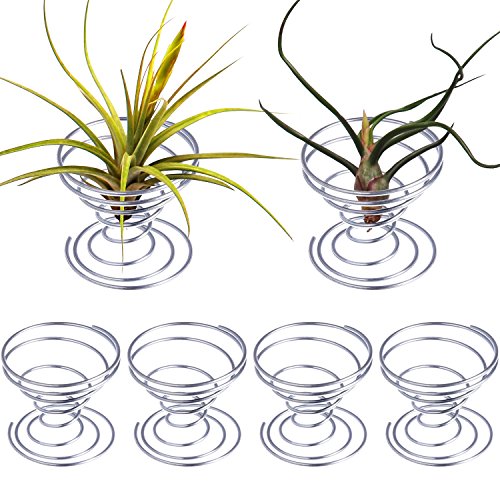
Ball moss (T. recurvata) is a close cousin that forms small gray tufts on trees in Texas and Florida. Neither one is a parasite. They only use branches for support.
Many common bromeliads are also considered pet-safe houseplants. If you’re building a bromeliad corner, you’re starting from a safe family.
Popular Types You May Have at Home
Most air plants sold in the US fall into a handful of familiar types:

| Type | What it looks like | Pet note |
|---|---|---|
| T. ionantha | Small, spiky rosette, blushes red before bloom | Small size makes it easy to carry off |
| T. xerographica | Large silver rosette with curly leaves | Stiff, pointed leaf tips |
| T. stricta | Medium, stiff green leaves | Sharp tips can poke a mouth |
| T. bulbosa | Bulb base with twisty leaves | Thin leaves tempt chewing |
| T. usneoides | Trailing silver strands | Dangling strands invite pulling |
Ionantha is the one I see most often in pet homes, and it’s the one cats most often bat off a shelf.
Why the Name “Air Plant” Can Point to a Toxic Succulent
The ASPCA entry called “air plant” refers to Kalanchoe pinnata, a succulent that is toxic to pets. That single common name has confused a lot of worried owners searching for plants toxic to cats.
How Is Kalanchoe pinnata Different from Tillandsia?
Kalanchoe pinnata is a thick-leaved succulent that grows in soil. People call it air plant, life plant or cathedral bells because new plantlets sprout from its leaf edges.
It holds plant toxins called bufadienolides, a type of cardiac glycoside that affects the heart. Eating it can cause vomiting and diarrhea in pets, and heart rhythm problems in rare cases.
Tillandsia is a completely different plant. It has no soil, no fleshy leaves, and none of these glycosides or alkaloids.
How Can You Check a Plant’s Identity Before Bringing It Home?
Check the botanical name, not the common name. Here’s what I’d do:
- Look for “Tillandsia” on the tag or listing.
- Confirm the plant has no pot or soil and has dry, scaly leaves.
- Avoid any “air plant” sold in soil with thick, scalloped leaves.
- Search the botanical name on the ASPCA plant list if you’re unsure.
Why Do Cats Chew on Air Plants?
Cats chew air plants because the leaves look and move like grass and toys. The thin, springy leaves on many Tillandsia species are close to the texture cats seek out for chewing, and hanging plants add movement that triggers play.
What Makes the Leaves and Hanging Displays Tempting?
Several traits make air plants hard for a cat to ignore:
- Thin, grassy leaves that are fun to bite
- Light weight, so they roll and skitter when batted
- Hanging or swinging displays that sway when the air moves
- Trailing strands of Spanish moss that dangle like a toy
- Damp leaves right after a soak, which some cats like to lick
Boredom plays a part too. Indoor cats with few chewing outlets go after whatever green thing is closest.
Could Cat Grass Redirect the Chewing?
Yes, cat grass is my first fix for a plant-chewing cat. It’s usually wheat, oat or barley grass grown in a small tray.
Set it on the floor in a spot your cat already likes, away from your air plants. Grow a fresh tray every two to three weeks so there’s always a tender batch ready.
Many cats lose interest in air plants once they have their own grass.
What Should You Do If Your Pet Eats an Air Plant?
Stay calm, take any leftover pieces out of your pet’s mouth, and watch for mild stomach signs over the next day. Because Tillandsia isn’t known to be toxic, most cases need nothing more than observation.
Do not make your pet vomit unless a vet tells you to.
What Mild Symptoms Can Follow a Bite?
The common signs are minor and short:
- Drooling or pawing at the mouth
- Vomiting once or twice
- Mild diarrhea
- Skipping a meal
Save a photo or piece of the plant. That helps your vet confirm it’s Tillandsia and not Kalanchoe.
When Should You Call a Veterinarian or Poison Helpline?
Call your vet right away if you see any of these:
- Vomiting that keeps going past 24 hours
- Choking, gagging that won’t stop, or trouble breathing
- A swollen belly, straining or no stool, which can mean a blockage
- Weakness or low energy
- Your pet ate glue, wire or fertilizer along with the plant
You can also call the ASPCA Animal Poison Control Center at (888) 426-4435, open 24 hours. A consultation fee may apply.
Which Risks Have Nothing to Do with Plant Toxicity?
Most real dangers from air plants come from their size, their mounts and what you put in their water. These are easy to fix once you know them.
Can Loose Leaves or Small Plants Be a Choking Hazard?
Yes, small air plants and loose clumps are a choking risk. An ionantha can be under 2 inches across, which is small enough for a dog to swallow whole.
Pups that break off a mother plant are even smaller. Pick up fallen pups and dead leaves after you trim or water. Keep tiny plants on high shelves or in secured holders.
What About Glue, Mounts, and Copper Wire?
Glue and wire can do more harm than the plant. Cured hot glue is hard and indigestible, and a chewed-off piece can scratch the gut.
Copper wire is a double problem. It’s toxic to air plants, and swallowed metal can injure a pet.
Use cotton thread, fishing line or coated non-copper wire. If you mount plants, learn how to attach air plants to wood with a small dab at the base, and skip pressure-treated wood, which holds chemicals.
Could Fertilizer or Other Treatments Be the Problem?
Yes, air plant fertilizers are where most chemical risk lives. Some general plant foods contain copper compounds such as copper sulfate, and many are high in nitrogen salts that upset a pet’s stomach.
I use a urea-free bromeliad or air plant fertilizer at quarter strength, about once a month in spring and summer. Pour out the soak water right after, so your pet can’t drink it.
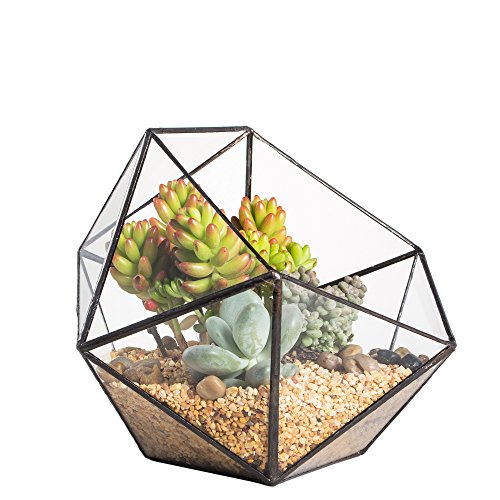
Watch the other plants in a mixed display too. Pothos and philodendron contain insoluble calcium oxalates, and those oxalates burn a pet’s mouth. Some plants carry saponins that cause vomiting. A sick pet after a terrarium raid may have chewed a neighbor plant.
Are Air Plants Safe for People and Kids to Handle?
Air plants are safe for people and kids to touch, hold and care for. Tillandsia isn’t known to cause poisoning or skin reactions, which makes it a good first plant for children.
Is Touching Tillandsia a Concern?
Touching air plants is fine for nearly everyone. The fuzzy look comes from trichomes, tiny sc