
Cherry tomatoes are a delightful addition to any garden. They’re easy to grow and produce tasty little fruits perfect for snacking or adding to salads. Square foot gardening is a smart way to make the most of limited space while growing these bite-sized treats.
Growing cherry tomatoes in a square foot garden can yield a big harvest from a small area. This method allows gardeners to plant more in less space and makes it simple to care for the plants. Following a few key steps, you can enjoy fresh cherry tomatoes from your backyard or patio.
1. Select a sunny location
Cherry tomatoes need lots of sunlight to grow well. Pick a spot that gets at least 6-8 hours of direct sun each day. This helps the plants make food and energy.
A sunny location also keeps the soil warm. Warm soil is good for tomato roots. It helps them grow strong and healthy.

If possible, look for an area that faces south. Southern exposure often provides the most sunlight throughout the day. Avoid spots near tall trees or buildings that create shade.
If using containers, place them where they’ll get full sun. If needed, move pots around to follow the sun. Make sure nothing is blocking the light.
Good airflow is also important in your sunny spot. This helps prevent diseases. Leave some space between plants for air to circulate.
Check out Grow Radish in Square Foot Gardening
2. Prepare raised beds
Raised beds are great for growing cherry tomatoes. They provide good drainage and allow for better control over soil quality.
Start by choosing a sunny spot in your garden for the raised bed. Cherry tomatoes need at least 6-8 hours of direct sunlight daily.
Build or buy a raised bed that is at least 12 inches deep. This depth gives tomato roots plenty of room to grow. A 4×4 foot bed works well for square foot gardening.

Fill the raised bed with high-quality garden soil. Mix in some compost to add nutrients. Make sure the soil is loose and well-draining.
Remove any weeds or grass from the area before setting up the bed. This prevents competition for nutrients.
Level the ground where you’ll place the raised bed. This helps ensure even watering and prevents low spots where water might pool.
Consider lining the bottom of the bed with landscape fabric. This stops weeds from growing up into the bed from below.
Once filled, let the soil settle for a few days before planting. Water it lightly to help this process along.
Test the soil pH and adjust if needed. Tomatoes prefer slightly acidic soil with a pH between 6.0 and 6.8.
With your raised bed prepared, you’re now ready to start planting your cherry tomatoes using square foot gardening methods.
Check out Square Foot Gardening For Pole Beans
3. Maintain soil pH between 6.0-6.8
Keeping the soil pH balanced is key for growing healthy cherry tomatoes. The ideal range is between 6.0 and 6.8.
This slightly acidic environment helps plants absorb nutrients better. Test the soil pH before planting using a home test kit or by sending a sample to a lab.
If the pH is too low, add lime to raise it. For high pH, use sulfur to lower it. Make small adjustments over time rather than big changes all at once.

Retest the soil every few weeks during the growing season. This helps catch any shifts early. Consistent pH levels lead to stronger plants and better harvests.
Organic matter can help stabilize soil pH. Add compost or well-rotted manure to your square foot garden beds. This improves soil structure and helps maintain the right acidity level.
Water quality can affect soil pH too. If you have hard water, it may slowly raise the pH over time. Use rainwater when possible to avoid this issue.
Check out Square Foot Gardening Tomatoes
4. Plant companion herbs like basil and marigold
Basil and marigold are great companion plants for cherry tomatoes in square foot gardening. These herbs help protect tomatoes from pests and can improve their growth.
Basil repels many insects that harm tomatoes, such as aphids and whiteflies. It also attracts bees, which help pollinate tomato flowers. Plant basil near your cherry tomatoes to create a natural pest barrier.

Marigolds are another helpful companion plant. Their roots release a substance that keeps harmful nematodes away from tomato plants. Marigolds also attract beneficial insects like ladybugs, which eat aphids.
Add one basil plant and one marigold plant to plant these companions in each square foot with your cherry tomatoes. Space them evenly around the tomato plant for best results.
Do not overcrowd the square. Leave enough room for the tomato plant to grow and get sunlight. Water the herbs along with your tomatoes, but be careful not to overwater.
These companion herbs protect your cherry tomatoes and add beauty to your garden. Their flowers and scents create a pleasant environment while serving a practical purpose.
Check out Grow Pumpkins in Square Foot Gardening
5. Choose disease-resistant cherry tomato varieties
Picking disease-resistant cherry tomato varieties is key to a successful square-foot garden. These varieties are better able to fight off common tomato problems, leading to healthier plants and bigger harvests.
Look for letters on seed packets or plant labels that show disease resistance. For example, “V” means the plant resists verticillium wilt, while “F” indicates fusarium wilt resistance.
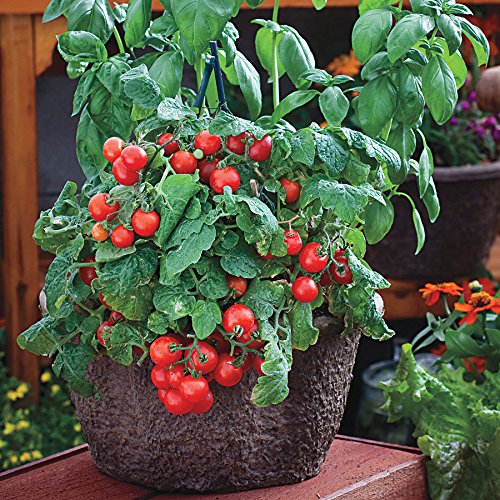
Some good choices for disease-resistant cherry tomatoes include ‘Sun Gold’, ‘Sweet 100’, and ‘Supersweet 100’. These varieties are known for their tasty fruit and strong defense against common tomato ailments.
‘Jasper’ is another great option. It resists late blight, a serious tomato disease that can wipe out entire crops. This variety also produces lots of small, sweet fruits.
‘Mighty Sweet’ is a grape tomato that fights off several diseases. It grows well in small spaces and gives a big yield of flavorful tomatoes.
Remember that even disease-resistant plants can still get sick. Good care and proper growing practices are still important for keeping your cherry tomatoes healthy.
Choosing tough varieties gives you a better chance of growing lots of yummy cherry tomatoes in your square foot garden. This step helps set you up for a great harvest.
Check out Grow Eggplant in Square Foot Gardening
6. Space plants 24 inches apart
Cherry tomatoes need room to grow and thrive. Proper spacing is key to their success in square foot gardening.
Place each cherry tomato plant 24 inches apart. This gives them enough space for their roots to spread out and leaves to get sunlight.
Good spacing helps air move between plants. It cuts down on diseases that can harm tomatoes.
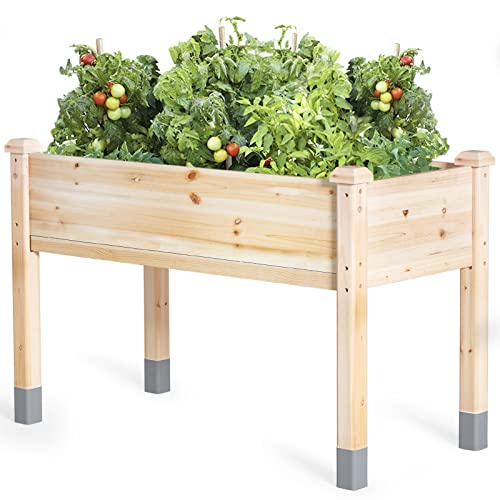
With 24 inches between plants, you can easily reach each one for care and picking, making tending to your garden simpler.
Remember that cherry tomatoes can grow quite tall. The extra space allows for support structures like cages or stakes if needed.
In square foot gardening, you might fit one cherry tomato plant in each 2-foot by 2-foot square. This keeps things neat and organized.
If you have limited space, you can try compact varieties. These may allow for slightly closer spacing, but 24 inches is still ideal.
Proper spacing leads to healthier plants and better yields. Your cherry tomatoes will have the room they need to produce lots of fruit.
Check out Grow Onions in Square Foot Gardening
7. Implement a drip irrigation system
A drip irrigation system is smart for growing cherry tomatoes in square foot gardens. It delivers water directly to plant roots, saving water and time.
To set up a drip system, start by planning the layout. Map out your tomato plants and where you’ll need water lines.
Next, gather supplies like tubing, emitters, and a timer. You can find these at garden stores or online.
Connect the main line to your water source. Run smaller tubes to each plant, placing an emitter near the base.

Set up a timer to control watering. Water cherry tomatoes deeply but less often, as this encourages strong root growth.
In hot weather, you might need to water once or twice daily, while cooler days may only require watering every other day.
Check your system regularly for clogs or leaks. Clean or replace parts as needed to keep everything running smoothly.
Drip irrigation helps prevent leaf diseases by keeping foliage dry. It also reduces water waste and keeps weeds down.
With this system in place, your cherry tomatoes will get the right amount of water. This leads to healthier plants and better harvests.
Check out Grow Carrots in Square Foot Gardening
8. Use organic mulch to conserve moisture
Organic mulch is a great way to keep cherry tomato plants happy in square foot gardens. It helps the soil hold onto water and stay moist. This means less watering for gardeners.
Good mulch choices include straw, grass clippings, or wood chips. Spread a 2-3 inch layer around the base of each plant. Be careful not to pile it against the stems.
Mulch also helps control weeds, giving tomatoes less competition for water and nutrients. It also keeps the soil cooler, which tomatoes like in hot weather.

As organic mulch breaks down, it adds nutrients to the soil, improving soil health over time. Healthier soil leads to stronger, more productive plants.
Mulch can also prevent soil from splashing onto leaves during rain or watering, which helps prevent some plant diseases that live in the soil.
Remember to replace mulch as needed throughout the growing season. This ensures that your cherry tomatoes continue to benefit from this simple gardening trick.
Check out Grow Herbs in Square Foot Gardening
9. Prune lower leaves for air circulation
Pruning the lower leaves of cherry tomato plants is an important step in square foot gardening. This practice helps improve air circulation around the plants, which is crucial for their health and productivity.
Start pruning when the plants reach about 12-18 inches tall. Remove the leaves from the bottom 6-8 inches of the main stem, creating a gap between the soil and the lowest leaves.
Removing these lower leaves serves multiple purposes. It reduces the risk of soil-borne diseases splashing onto the foliage during watering or rain and allows more sunlight to reach the developing fruit.
Use clean, sharp pruning shears to cut the leaves off at the stem. Make clean cuts to avoid damaging the plant. Also, remove any yellowing or diseased leaves, even if they’re higher up on the plant.
Continue pruning the lower leaves as the plant grows taller. This ongoing maintenance helps keep the air flowing freely around the base of the plant, which helps prevent fungal diseases and promote healthy growth.
Remember to dispose of the pruned leaves away from your garden. This helps prevent the spread of potential diseases. With proper pruning, cherry tomato plants in square-foot gardens can thrive and produce abundant harvests.
10. Fertilize with a balanced organic fertilizer
Cherry tomatoes need regular fertilization to grow well in square foot gardens. Choose a balanced organic fertilizer with equal parts nitrogen, phosphorus, and potassium.
Start fertilizing when the plants have their first true leaves, usually when they’re 2-4 inches tall. This gives them nutrients for strong early growth.

Apply the fertilizer every two weeks during the growing season. Sprinkle it evenly around the base of each plant, avoiding the leaves and stems.
When the tomatoes start flowering, switch to a fertilizer with more potassium. This supports fruit development as the tomatoes form.
Water the plants after fertilizing to help the nutrients soak into the soil. This makes it easier for the roots to absorb them.
Be careful not to over-fertilize. Too much can harm the plants or lead to more leaves but fewer fruits. Follow the package instructions for the right amount.
Organic fertilizers release nutrients slowly, which is good for steady growth. They also improve soil health over time, benefiting future plants in your square foot garden.
Check out Peas Square Foot Gardening
Understanding Square Foot Gardening
Square foot gardening is a simple and efficient method for growing vegetables in small spaces. It uses a grid system to organize plants and maximize yields.
Benefits of Square Foot Gardening
Square foot gardening saves space and water. It reduces weeding and allows for easy crop rotation. This method works well in small yards or on patios.

The raised beds warm up faster in spring. Plants grow closer together, which helps block out weeds. Square foot gardens need less fertilizer than traditional row gardens.
This style of gardening is great for beginners. It’s easy to plan and maintain. You can grow a variety of crops in a small area.
Setting Up Your Garden Bed
Start by building a 4×4 foot raised bed. Use untreated wood, bricks, or concrete blocks. Fill the bed with a mix of compost, peat moss, and vermiculite.
Create a grid on top of the soil. Use string or thin wood strips. Divide the bed into 16 one-foot squares.
Plant different crops in each square. Put taller plants in the back. Use trellises for vining crops like tomatoes.
Water each square as needed. Some plants may need more water than others. Add compost to each square before planting new crops.
Cherry Tomatoes Growth Essentials
Cherry tomatoes thrive with the right soil and water. Good growing conditions lead to a tasty harvest.

Optimal Soil Conditions
Cherry tomatoes need rich, well-draining soil. Mix compost into your garden bed or container. This adds nutrients and improves drainage. The soil pH should be between 6.0 and 6.8. Test your soil and adjust if needed.
Use a potting mix made for vegetables in containers. Fill containers to about 1 inch below the rim. This leaves room for watering.
When planting, add a slow-release fertilizer. Follow the package instructions for amounts, as too much can harm the plants.
Watering Strategies for Cherry Tomatoes
Water deeply but not too often. This encourages deep root growth. Give plants 1-2 inches of water per week. Adjust for rainfall.
Water at the base of the plant. Avoid wetting the leaves. This helps prevent diseases.
Use mulch around plants. Straw or wood chips work well. This keeps soil moist and cuts down on watering.
In hot weather, water more often. Check soil moisture daily. Stick your finger into the soil. If it’s dry 1 inch down, it’s time to water.
Check out Square Foot Gardening Broccoli
Frequently Asked Questions
Growing cherry tomatoes using square foot gardening can be easy and fun. Here are some common questions people have about this method.
What are the essential steps for growing cherry tomatoes using square foot gardening?
Pick a spot with lots of sun. Make raised beds about 6 inches deep. Fill them with good soil. Plant one cherry tomato seedling per square foot. Water regularly and add supports as plants grow.
How do you care for cherry tomatoes when growing them in pots?
Use big pots with drain holes. Fill with potting mix. Place in a sunny spot. Water often, but don’t let soil get soggy. Add tomato food every few weeks. Prune extra stems to keep plants tidy.
What are the distinct growth stages of cherry tomato plants?
Cherry tomatoes start as seeds. They sprout into seedlings. Then they grow taller and form flowers. Small green fruits appear next. Finally, the tomatoes turn red and are ready to pick.
How can I successfully grow cherry tomatoes from seed?
Start seeds indoors 6-8 weeks before last frost. Use seed trays with potting mix. Keep soil moist and warm. Give seedlings lots of light. Move them outside after frost danger passes.
What is the typical timeframe for cherry tomatoes to reach maturity from seeds?
Cherry tomatoes usually take 60-80 days to grow from seed to ripe fruit. This can change based on the type of tomato and growing conditions.
What are the best practices for growing cherry tomatoes indoors?
Use a big pot with drain holes. Pick a spot near a sunny window. Add a grow light if needed. Keep soil moist but not wet. Pollinate flowers by hand with a small brush. Prune plants to fit your space.

Conclusion
Growing cherry tomatoes in a square foot garden is a rewarding experience. With proper planning and care, you can enjoy a bountiful harvest of these sweet, bite-sized fruits.
Remember to choose compact varieties suited for small spaces. Prepare your garden bed with rich soil and compost. Plant seedlings carefully, giving them enough room to grow.
Water consistently and deeply. Provide support as the plants grow taller. Prune regularly to encourage airflow and prevent disease.
Fertilize every few weeks with a balanced, organic fertilizer. Watch for pests and address any issues promptly.
Harvest your cherry tomatoes when they’re fully ripe and enjoy them fresh off the vine. With these steps, you’ll be well on your way to a successful square foot garden filled with delicious cherry tomatoes.
Keep learning and experimenting to refine your techniques. Happy gardening!
You may also like:

Hello there! I’m Elsa, and gardening is my passion. As an avid gardener, I created GardeningElsa.com to share my knowledge and experience with fellow enthusiasts. My website is a comprehensive resource for gardeners of all levels, offering expert advice on a wide range of topics, including plants, flowers, herbs, and vegetable gardening. Whether you’re a beginner looking to start your first garden or a seasoned pro seeking to expand your knowledge, GardeningElsa.com has something for everyone. Read more about me.