
Powdery mildew on ZZ plants appears as a white, powdery coating on leaves and stems. While ZZ plants are known for their hardiness, they can still fall victim to this common fungal disease, especially in conditions with high humidity and poor air circulation.
To treat powdery mildew on your ZZ plant, you can use a solution of 1 tablespoon baking soda, 1/2 teaspoon liquid soap, and 1 gallon of water as a spray application. Alternatively, a peroxide bath or spray may be effective in eliminating this fungal problem. Both methods have proven successful for treating the white fungal coating.
Prevention is equally important as treatment. Ensuring proper air circulation around your ZZ plant, avoiding overwatering, and maintaining appropriate humidity levels can help prevent powdery mildew from developing or returning. Regular inspection of your plant’s leaves and stems will allow you to catch any signs of this disease early.
Understanding Powdery Mildew
Powdery mildew is a common fungal disease that can affect ZZ plants (Zamioculcas zamiifolia) when conditions are right. This white, powdery growth appears on plant surfaces and can hinder growth if left untreated.

Causes of Powdery Mildew On ZZ Plants
Powdery mildew thrives in specific environmental conditions that ZZ plant owners should monitor. High humidity combined with poor air circulation creates the perfect environment for this fungus to develop.
Unlike many plant diseases, powdery mildew doesn’t require standing water to spread. It can develop in dry conditions with high humidity. This makes it particularly tricky to prevent.
Temperature also plays a key role, with most powdery mildew species preferring temperatures between 60-80°F (15-27°C). Overcrowded plants restrict airflow, creating pockets of humidity that encourage fungal growth.
Poor plant health from improper care or nutrition can make ZZ plants more susceptible to infection. Stressed plants have weaker natural defenses against fungal spores.
Signs and Symptoms of Infection
The most obvious sign of powdery mildew is a white or grayish powdery substance on leaves and stems. This powder consists of fungal growth and spores on the plant surface.

Early infection appears as small, circular white spots that gradually expand and merge. As the disease progresses, entire leaves may become covered with the powdery coating.
Infected leaves might begin to yellow, curl, or become distorted. Severe infections can cause premature leaf drop and overall plant decline.
The white coating can be wiped away with a finger, unlike some other plant issues that cause discoloration. This easy removal is a distinguishing characteristic of powdery mildew.
Life Cycle and Spores
Powdery mildew begins when spores land on a suitable host plant like a ZZ plant. These spores germinate and penetrate plant tissue, then form structures called haustoria that extract nutrients.
The fungus produces new spores within 3-7 days after infection. Air currents, water splashes, or physical contact with infected plants easily spread these spores.
The fungus can survive unfavorable conditions by forming specialized structures called chasmothecia. These protective bodies allow the fungus to overwinter and reinfect plants when conditions improve.
Unlike many fungi, powdery mildew grows primarily on the plant surface rather than deeply within tissues. This superficial growth pattern makes early treatment more effective.
Check out Can You Put ZZ Plant Outside in Summer?
General ZZ Plant Care
ZZ plants are exceptionally resilient houseplants that thrive with minimal attention. Proper care prevents common issues like powdery mildew and supports healthy growth.

Optimal Growing Conditions
ZZ plants adapt well to various indoor environments but prefer specific conditions. They thrive in indirect light, though they tolerate low light situations better than most houseplants.
Direct sunlight can burn their leaves, so position them away from south-facing windows. These plants prefer temperatures between 65-85°F (18-29°C) and will suffer damage if exposed to temperatures below 45°F (7°C).
ZZ plants aren’t fussy about humidity levels, making them perfect for most home environments. For soil, use a well-draining potting mix designed for succulents or cacti. Their thick rhizomes store water, allowing them to endure drought conditions with ease.
Routine Maintenance Tips
ZZ plants require minimal maintenance, making them ideal for busy plant owners. Dust their naturally glossy leaves regularly with a soft, damp cloth to maintain their shine and ensure proper photosynthesis.

Fertilize sparingly – only 2-3 times per year during spring and summer with a balanced houseplant fertilizer at half strength. Over-fertilizing can damage these low-nutrient adapted plants.
Repot ZZ plants only when they become root-bound, typically every 2-3 years. Choose containers with drainage holes to prevent root rot. Prune yellowing or damaged leaves at the base using clean, sharp scissors.
Their slow growth rate means you won’t need frequent pruning or repotting sessions.
Watering Practices and Overwatering
ZZ plants are highly susceptible to overwatering, which commonly leads to root rot and fungal issues. Allow the soil to dry completely between waterings – usually every 2-4 weeks, depending on environmental conditions.
During winter, reduce watering frequency even further. When watering, thoroughly soak the soil but ensure excess water drains completely. Never let the plant sit in standing water.
Signs of overwatering include yellowing leaves, mushy stems, and mold on the soil surface. If you notice mold growth, reduce watering immediately and improve air circulation around the plant.
Consider using pots with drainage holes and adding perlite to the soil mix to enhance drainage. It’s better to underwater ZZ plants than overwater them, as they can recover more easily from drought than from root rot.
Check out Why Are My ZZ Plant Leaves Turning Brown?
Prevention Strategies for Powdery Mildew
Keeping powdery mildew away from your ZZ plant requires a proactive approach that addresses environmental factors, plant care routines, and proper growing conditions.
With the right preventive measures, you can maintain healthy plants that resist this common fungal problem.
Environmental Controls
Good air circulation is crucial for preventing powdery mildew on ZZ plants. Position your plants with adequate spacing between them and away from walls or furniture that might block airflow. This reduces humidity around the foliage where fungi thrive.
Maintain moderate humidity levels in your home, ideally between 40-50%. In naturally humid environments, use a dehumidifier or air conditioner to maintain optimal levels. Avoid misting ZZ plants, as water droplets on leaves can create conditions favorable for powdery mildew development.
Light also plays an important role. Place your ZZ plant in bright, indirect light. While ZZ plants tolerate low light, moderately bright conditions help keep the plant robust and better able to resist fungal infections.
Cultural Practices
Regular inspection of your ZZ plant helps catch powdery mildew early. Check both upper and lower leaf surfaces weekly for any white, powdery spots.
Proper watering techniques are essential. Water at the soil level rather than from above to keep leaves dry. ZZ plants prefer to dry out between waterings, which also helps prevent fungal issues.
Remove and dispose of any affected leaves promptly. Don’t compost infected plant material as this can spread spores to other plants.
Cleaning routine:
- Wipe leaves gently with a damp cloth monthly
- Use diluted neem oil as a preventive measure (1 tablespoon per gallon of water)
- Ensure tools are clean when working with multiple plants
Soil and Pot Selection
Choose well-draining potting soil specifically formulated for succulents or cacti. These mixes contain materials like perlite or coarse sand that improve drainage and reduce moisture retention around roots.

The pot itself matters greatly. Select containers with adequate drainage holes to prevent water accumulation. Terra cotta pots are excellent choices for ZZ plants as they allow moisture to evaporate through their porous walls.
Avoid overpotting your ZZ plant. A pot that’s too large holds excess soil and moisture, creating favorable conditions for fungi. Choose a container only 1-2 inches larger than the current root ball when repotting.
Monitor the soil moisture level regularly. Allow the top 2-3 inches to dry completely before watering again, which creates an environment less hospitable to powdery mildew and other fungal problems.
Treatment Options for Powdery Mildew
Treating powdery mildew on ZZ plants requires prompt action with several effective options available. Each method targets the fungal infection while minimizing damage to your plant.

Organic Remedies
Baking soda solutions work well against powdery mildew. Mix 1 tablespoon of baking soda with 1/2 teaspoon of liquid soap and 1 gallon of water. Spray this directly on affected areas once weekly for 3-4 weeks.
Potassium bicarbonate offers similar benefits but is often more effective than baking soda. It changes the pH on leaf surfaces, making it difficult for mildew to survive.
Diluted cold chamomile tea can also help combat powdery mildew. The natural compounds in chamomile have antifungal properties that can suppress the growth of fungal spores.
Milk solutions (1 part milk to 9 parts water) applied weekly can be surprisingly effective. The proteins in milk create an environment that is hostile to fungal growth.
Chemical Fungicides
Commercial fungicides specifically formulated for powdery mildew provide reliable control. Products containing sulfur effectively prevent spore germination when applied early in the infection cycle.
Copper-based fungicides work by disrupting the fungal cells’ enzyme systems. These should be applied according to package directions, typically every 7-10 days.
When using chemical options, always wear protective gear and follow application instructions precisely. Overuse can damage plants or create resistant strains of mildew.
For indoor ZZ plants, choose products labeled safe for houseplants and indoor use to avoid harmful fumes.
Check out Can ZZ Plant Grow in Water Permanently?
Home Solutions and Neem Oil
Neem oil stands out as one of the most effective natural treatments. Mix 2 teaspoons of neem oil with 1 teaspoon of mild soap in 1 quart of water. Spray thoroughly on affected areas weekly.
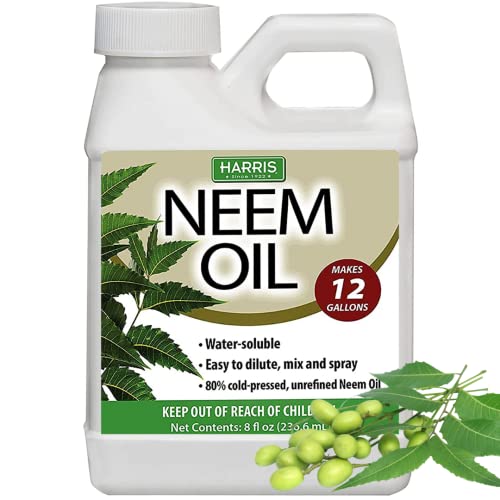
Horticultural oils coat the mildew and essentially suffocate it. These oils can also prevent new spores from attaching to leaf surfaces.
When applying any treatment, focus on good coverage of both upper and lower leaf surfaces. Early morning application allows solutions to dry before evening humidity increases.
Always test any treatment on a small section of the plant first to ensure it doesn’t cause damage. Remove severely infected leaves before treatment to reduce spore spread.
Read Do ZZ Plants Like Humidity?
Caring for Affected Plants
When powdery mildew strikes your ZZ plant, quick and proper care is essential to save the plant and prevent the spread of this fungal disease. The right approach involves isolation, careful removal of infected parts, and proper aftercare.
Isolation and Quarantine Measures
First, immediately separate the infected ZZ plant from your other houseplants. Powdery mildew spreads easily through air currents, so isolation prevents contamination of healthy plants.

Place the quarantined plant in a location with good air circulation. Avoid crowded spaces where air movement is restricted, as stagnant air creates ideal conditions for fungal growth.
During quarantine, reduce watering frequency slightly. Powdery mildew thrives in humid conditions, so allowing the soil to dry between waterings helps create a less favorable environment for the fungus.
Monitor your other plants closely for signs of powdery mildew, especially those that were near the infected ZZ plant. Early detection allows for faster treatment.
Pruning Infected Leaves
Using clean, sharp scissors or pruning shears, remove leaves showing white powdery spots. Sterilize your tools between cuts with rubbing alcohol to prevent spreading the fungus.
Cut affected leaves at the base of the stem where it connects to the main stalk. For ZZ plants with severe infection, you may need to remove entire stalks if they show significant powdery growth.
Dispose of infected plant material in sealed bags rather than composting. The fungal spores can survive in compost and reinfect plants later.
After pruning, avoid overhead watering. Water directly at the soil level to keep the remaining foliage dry, as wet leaves can encourage fungal growth.
Aftercare for Recovery
Apply an appropriate fungicide or natural remedy to the remaining plant parts. A solution of 1 tablespoon baking soda, ½ teaspoon liquid soap, and 1 gallon of water sprayed on the plant can help control mild infections.

Neem oil is particularly effective for ZZ plants. Mix 2 teaspoons of neem oil with 1 quart of water and a few drops of mild dish soap. Apply this neem oil spray every 7-14 days until all signs of mildew disappear.
Improve air circulation around your recovering plant. A small fan nearby can help maintain air movement that discourages fungal growth.
Monitor new plant growth carefully for signs of returning infection. Healthy new leaves indicate successful treatment, while white spots on new growth suggest the treatment needs adjustment.
Common Mistakes in ZZ Plant Care
ZZ plants are known for being tough, but they can still face problems when not cared for properly. Identifying these common errors can help keep your plant healthy and thriving.
Overwatering is the most common mistake made by ZZ plant owners. These plants store water in their rhizomes and prefer to dry out between waterings. Excess moisture can quickly lead to root rot, which is difficult to reverse once it starts.
Too much water also creates an ideal environment for mold and fungal growth. If you notice white fuzzy growth on your plant’s soil, it’s likely due to consistently wet conditions.
Signs of overwatering include:
- Yellowing leaves
- Soft, mushy stems
- Black spots on leaves
- Mold on soil surface
Another common error is insufficient light. While ZZ plants tolerate low light, they won’t thrive in dark corners. Without adequate light, growth slows dramatically and the plant becomes more susceptible to problems.
Many plant owners also make the mistake of using soil that retains too much moisture. ZZ plants need well-draining soil that allows excess water to flow through quickly.
Frequent repotting can stress these slow-growing plants. ZZ plants prefer to be slightly root-bound and typically only need repotting every 2-3 years.
Ignoring early signs of powdery mildew can also be problematic. If you notice a white dusty substance on leaves, try wiping it off with a soft cloth. If it returns, treat the plant promptly to prevent spread.
Additional ZZ Plant Pests and Problems
While powdery mildew is a common issue for ZZ plants, these resilient houseplants can face several other challenges. Proper identification of problems early on allows for effective treatment before permanent damage occurs.
Identifying Other Fungal Infections
ZZ plants may develop fungal problems beyond powdery mildew. Root rot is a serious fungal issue that occurs in consistently wet soil. Signs include yellowing leaves, soft stems, and a foul smell from the soil.
When repotting, examine roots carefully – healthy roots should be firm and white, while infected ones appear brown and mushy. As one search result mentioned, mold can appear if you use non-sterile soil. This white fuzzy growth on soil typically isn’t harmful to the plant but indicates excessive moisture.
Botrytis (gray mold) can develop in humid conditions, especially in bathrooms or when plants are frequently misted. It appears as gray-brown spots on leaves and stems. Improve air circulation and reduce humidity to prevent these fungal issues.
Dealing With Insects and Mites
ZZ plants can attract several insect pests despite their natural resistance. Mealybugs appear as cottony white masses on stems and leaf joints. These scale insects feed on plant sap and excrete honeydew, which can lead to sooty mold.
Spider mites cause tiny yellow dots on leaves and produce fine webbing, particularly in dry conditions. Check under leaves regularly, as these pests are often difficult to spot until significant damage has occurred.
Aphids might occasionally attack new growth on ZZ plants. These small insects cluster on stems and leaves, causing distortion of new growth.
Treatment options include:
- Wiping leaves with isopropyl alcohol solution
- Applying insecticidal soap
- Using neem oil as a natural option
- Introducing beneficial insects for larger infestations
Managing Environmental Stress
ZZ plants develop problems when their environment isn’t ideal. Leaf yellowing often indicates overwatering, while brown crispy edges suggest underwatering or low humidity.
Temperature fluctuations stress ZZ plants. Keep them away from drafty windows, doors, and heating vents. These plants prefer temperatures between 65-80°F (18-27°C).

Sunburn appears as bleached patches on leaves exposed to direct sunlight. While ZZ plants tolerate low light, sudden exposure to bright conditions damages foliage. Acclimate them gradually when moving to brighter locations.
Nutrient deficiencies show as yellowing between leaf veins or stunted growth. ZZ plants need minimal fertilization – just once or twice yearly with diluted houseplant fertilizer during growing seasons.
Tips for Plant Parents
Keeping your ZZ plant healthy involves making informed choices about its environment. The right companion plants and thoughtful collection expansion can help prevent powdery mildew while enhancing your indoor garden.
Selecting Companion Plants
Choose companion plants that have similar care requirements but don’t increase humidity around your ZZ plant. Snake plants make excellent neighbors as they also prefer dry conditions and won’t create moisture that could promote mildew growth.
Jade plants and cacti are excellent choices, as they thrive in similar light conditions and require infrequent watering. This prevents the high-humidity environment that powdery mildew loves.
Keep adequate spacing between plants to ensure good air circulation, as mentioned in the search results. Even low-maintenance houseplants need their personal space to stay healthy.
Aloe plants can also coexist well with ZZ plants. They prefer similar light conditions and won’t contribute to excess moisture in the area.
Expanding Your Plant Collection
When adding new plants to your collection, quarantine them for 1-2 weeks before placing them near your ZZ plant. This prevents potential mildew or pest spread to your existing plants.
Research each new addition carefully. Echeveria and String of Pearls have watering needs that differ from ZZ plants, so they should be grouped separately to maintain optimal conditions for each.
Consider the overall environment of your space. Too many plants in a small area can reduce airflow and increase humidity, creating perfect conditions for powdery mildew to develop.
Purchase new plants from reputable sources. Carefully inspect leaves, stems, and soil before bringing plants home. Look for any white powdery substance that might indicate mildew issues.
Plan your plant collection to include varieties that can handle similar environmental conditions to simplify care routines.
Frequently Asked Questions
Powdery mildew can affect ZZ plants and cause concern for plant owners. These common questions address identification, treatment options, and prevention methods to keep your plants healthy.
What are the effective treatments for powdery mildew on indoor plants?
Several home remedies can effectively treat powdery mildew on indoor plants. A solution of 1 tablespoon baking soda, 1/2 teaspoon liquid soap, and 1 gallon of water makes an effective spray treatment. Hydrogen peroxide is another effective option. Applied as a spray or bath, it kills the fungus without harming the plant when used properly. Commercial fungicides formulated explicitly for indoor plants can also treat powdery mildew. Always follow package instructions for best results and plant safety.
Can a ZZ plant recover from powdery mildew infection, and if so, how?
Yes, ZZ plants can recover from powdery mildew infections with proper treatment. Recovery starts with removing visibly infected leaves to prevent spread. Apply the chosen treatments regularly as directed until all signs of infection have disappeared. The plant may need several weeks to recover fully. ZZ plants are naturally resilient, and with consistent care, they typically bounce back from fungal infections without permanent damage.
What does powdery mildew look like on ZZ plant leaves?
Powdery mildew appears as white or grayish patches on ZZ plant leaves. These patches look like someone dusted the leaves with flour or powder. Unlike normal plant coloration, the powdery substance can be wiped off, revealing the green leaf underneath. The patches may start small but spread across the leaf surface if untreated. In advanced cases, affected leaves may become yellow or brown and eventually drop from the plant.
What steps should be taken to prevent powdery mildew on ZZ plants?
Proper spacing between plants improves air circulation and reduces humidity around the foliage. This makes conditions less favorable for fungal growth. Water ZZ plants at the soil level rather than from above to keep leaves dry. Moisture on leaves creates ideal conditions for powdery mildew to develop. Regularly inspect plants for early signs of infection. Early detection allows for prompt treatment before the infection becomes severe.
Is excess moisture a contributing factor to the development of powdery mildew?
Yes, excess moisture significantly contributes to powdery mildew development. High humidity creates ideal conditions for fungal spores to germinate and spread. Overwatering ZZ plants can increase humidity around the plant. This creates a microclimate that favors fungal growth. Poor air circulation compounds moisture problems. Stagnant air allows humidity to remain high around plant leaves, promoting fungal infections.
How can one safely remove fungal infections from ZZ plants?
Isolate infected plants first to prevent the fungus from spreading to healthy plants. This containment step is crucial for overall plant collection health. Prune affected leaves using clean, sharp scissors or pruning shears. Dispose of infected plant material in sealed bags, not in compost piles. Wipe away the remaining leaves with a soft, dampened cloth soaked in a fungicidal solution. This removes spores that may not be visible to the naked eye, helping to prevent reinfection.

Conclusion
Powdery mildew on ZZ plants can be successfully managed with proper care and prompt treatment. Regular inspection helps catch this fungal problem early before it spreads throughout the plant.
Prevention remains the best approach. Keep ZZ plants in well-ventilated areas with proper spacing between plants. Avoid overhead watering that leaves foliage wet, as this creates ideal conditions for fungal growth.
When powdery mildew appears, isolate affected plants immediately. Remove severely affected leaves to prevent spread. Treatment options include both natural remedies and commercial fungicides.
Natural treatments:
- Milk solution (1:9 ratio with water)
- Baking soda solution
- Neem oil spray
Commercial options:
- Sulfur-based fungicides
- Potassium bicarbonate products
- Copper-based treatments
Most ZZ plants recover fully when treated early. However, severe infestations may require more aggressive intervention or even plant disposal in extreme cases to protect other houseplants.
Regular plant care habits like proper watering, good air circulation, and occasional leaf cleaning reduce the risk of recurrence. With vigilance and appropriate care, ZZ plants can remain healthy and mildew-free for years.
You may also like:
- Why Is My ZZ Plant So Leggy
- Why Is My ZZ Plant Dying
- How Tall Does a ZZ Plant Get?
- Should I Cut Off Yellow ZZ Plant Leaves?

Hello there! I’m Elsa, and gardening is my passion. As an avid gardener, I created GardeningElsa.com to share my knowledge and experience with fellow enthusiasts. My website is a comprehensive resource for gardeners of all levels, offering expert advice on a wide range of topics, including plants, flowers, herbs, and vegetable gardening. Whether you’re a beginner looking to start your first garden or a seasoned pro seeking to expand your knowledge, GardeningElsa.com has something for everyone. Read more about me.