How Tall Does a ZZ Plant Get?

ZZ plants, also known as Zamioculcas zamiifolia, are popular houseplants known for their hardiness and attractive appearance.

Many indoor plant enthusiasts wonder about the potential size of these resilient plants when considering them for their homes.

ZZ plants typically grow to a height of 2 to 3 feet tall when fully mature, though they can occasionally reach up to 5 feet in ideal conditions.

This moderate size makes them versatile for various spaces in your home.

The growth rate is relatively slow, with most ZZ plants only adding about 4-6 inches of new growth each year.

These indoor plants develop oval-shaped, glossy leaves that can range from 1 to 3 inches in size, creating a full, bush-like appearance as they mature.

If you purchased a small ZZ plant, patience is key—while it may start at just a foot tall, over several years it can transform into an impressive specimen that adds tropical elegance to any room.

Understanding the ZZ Plant

The ZZ plant, botanically known as Zamioculcas zamiifolia, is a popular houseplant cherished for its hardy nature and distinctive appearance.


6" ZZ Plant Zamioculcas Zamiifolia, ZZ Plants Live House Plants Indoors Live House Plants Indoors, Indoor Plants Live, Real Live Plants Indoor Plants Live Houseplants Live Indoor by Plants for Pets

This tropical perennial has gained popularity as a low-maintenance indoor plant that thrives even in challenging conditions.

Zamioculcas zamiifolia belongs to the Araceae family, commonly called the ZZ plant or Zanzibar Gem. This plant is native to Eastern Africa, notably Tanzania and Zanzibar, where it adapted to thrive in drought conditions. It’s the only species in its genus, making it botanically unique.

The ZZ plant evolved to survive harsh conditions in its native habitat. It developed a specialized rhizomous root system that stores water, allowing it to endure long periods without moisture.

This survival mechanism explains why ZZ plants can withstand neglect that would kill many other houseplants.

The ZZ plant has become popular in homes and offices since it was more widely commercialized in the 1990s.

It’s valued not only for its resilience but also for its air-purifying qualities.

The ZZ plant features glossy, dark green leaves that grow in a feather-like pattern on sturdy stems. These thick, waxy leaves are leaflets arranged along the stem, giving the plant its distinctive appearance. The leaves store water, functioning similarly to succulents.

At maturity, a ZZ plant typically reaches 2 to 3 feet in height, though some specimens can grow up to 5 feet tall in ideal conditions.

Growth is notably slow, with plants usually adding only 5 to 6 inches of new growth per season.

The plant produces underground rhizomes that resemble potatoes. These structures store water and nutrients, contributing to the plant’s drought tolerance.

When the ZZ plant flowers, it creates a spadix-type bloom similar to peace lilies, though these flowers are rare in indoor cultivation.

The ZZ’s upright growth habit and evergreen foliage make it an attractive addition to homes and offices year-round.

Optimal Growth Conditions

ZZ plants thrive under specific conditions that support their maximum height potential of 2-3 feet indoors. Creating the right environment will help your ZZ plant grow tall and healthy while maintaining its distinctive appearance.


ZZ Plant, Zamioculcas Zamiifolia, Indoor, Outdoor, Live Houseplant, in Grower Pot, Nature’s Way Farms (15-25 in. Tall)

Light Requirements

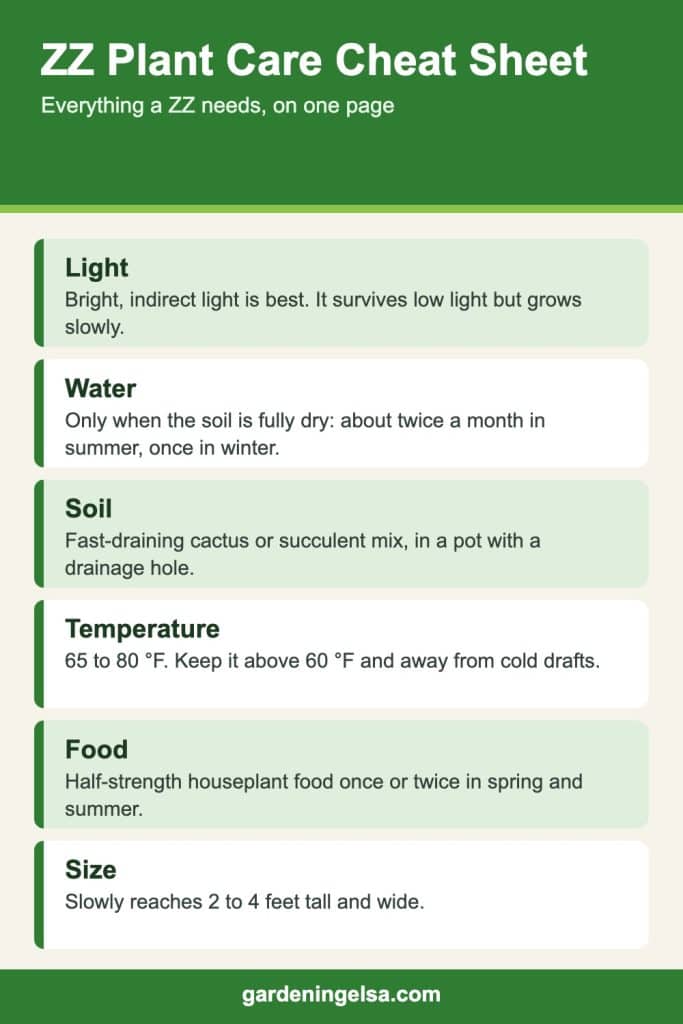
ZZ plants adapt to various light conditions but grow best in bright, indirect light.

For optimal growth, place your plant 4-8 feet away from a window. While ZZ plants can tolerate low light conditions, they may become leggy and stretched when light is insufficient.

Too little light slows growth and prevents your ZZ from reaching its full height potential.

However, avoid placing your plant in direct sunlight, especially during afternoon hours, as this can scorch the leaves.

If your ZZ plant isn’t growing as tall as expected, consider moving it to a brighter location. North or east-facing windows often provide ideal light conditions.

Watering Guidelines

ZZ plants have evolved to survive drought conditions with their rhizomatous root system. This adaptation means they require minimal watering compared to other houseplants.

Allow the soil to dry out completely between waterings.

During the growing season (spring and summer), water every 2-3 weeks. In winter, reduce watering to once a month or less.

Overwatering is the most common mistake with ZZ plants. Too much water causes root rot and stunted growth, preventing the plant from reaching its maximum height.

Check soil moisture by inserting your finger 2 inches into the soil. Only water when it feels completely dry.

Yellow leaves often indicate overwatering, while brown, crispy leaves suggest underwatering.

Soil and Fertilization

ZZ plants prefer well-draining soil that prevents water from pooling around the roots. A standard potting mix with added perlite, pumice, or coarse sand creates ideal growing conditions.

The soil pH should be slightly acidic to neutral (6.0-7.0) for optimal nutrient absorption. This helps the plant reach its full height potential of 2-3 feet.


16oz ZZ Plant Fertilizer - Makes 96 Gallons of Liquid Fertilizer for Indoor Plants, Outdoor & Houseplant Food with 2-2-2 NPK Formula - Liquid Indoor Plant Food for Glossy Leaves & Strong Roots

Fertilize sparingly during the growing season (spring through summer) using a balanced houseplant fertilizer at half the recommended strength. Apply once every 2-3 months.

Avoid fertilizing in fall and winter when growth naturally slows.

Over-fertilization can burn the roots and damage your plant, so less is more with ZZ plants.

Temperature and Humidity

ZZ plants prefer average indoor temperatures between 65-79°F (18-26°C).

They can tolerate brief periods outside this range but will stop growing if consistently too cold or hot.

Keep your plant away from drafty windows, air conditioning vents, and heating sources that cause temperature fluctuations. Sudden changes can stress the plant and stunt growth.

ZZ plants adapt well to normal household humidity levels (40-50%). Unlike many tropical plants, they don’t require extra humidity to thrive and reach their full height.

If your home is extremely dry, occasional misting can benefit your ZZ plant, but this isn’t essential for healthy growth. Their thick, waxy leaves help conserve moisture even in dry conditions.

Caring for Your ZZ Plant

ZZ plants are low-maintenance houseplants that require minimal attention to thrive. Proper care includes occasional watering, adequate light, and protection from common pests.

Routine Maintenance

ZZ plants prefer to dry out between waterings. Water only when the top 2-3 inches of soil are dry, typically every 2-4 weeks. Overwatering can lead to root rot, so err on the side of underwatering.

These plants thrive in indirect light but tolerate low-light conditions. Avoid direct sunlight as it may scorch the leaves. A north or east-facing window provides ideal lighting.

Repotting is only necessary every 2-3 years when the plant becomes root-bound.

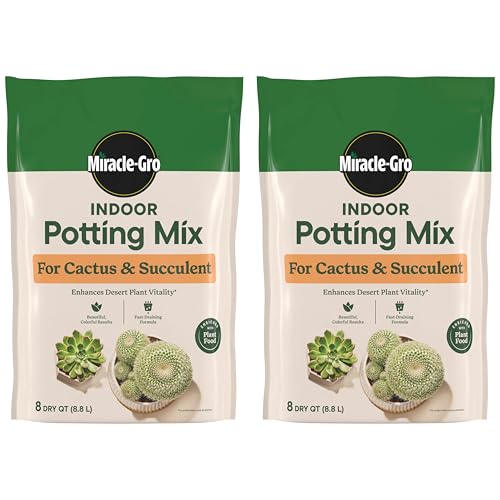
Choose a pot 1-2 inches larger than the current one with drainage holes. Use well-draining soil, ideally a cactus or succulent mix.

Pruning requirements are minimal. Simply remove any yellowing or dead leaves by cutting them at the base with clean scissors or pruning shears.

Fertilize sparingly – once every 3-4 months during spring and summer with a balanced houseplant fertilizer at half-strength.

Propagation Methods

ZZ plants can be propagated through division, leaf cuttings, or stem cuttings. Division is the fastest method and works best during repotting.

For division, gently separate the rhizomes and ensure each section has stems and roots attached. Plant each division in its own pot with fresh soil.

Leaf cuttings take longer but are simpler. Cut a healthy leaf and place the cut end in soil or water. Be patient – new growth from leaf cuttings can take several months to appear.

Stem cuttings are also effective. Cut a healthy stem with several leaves, let it callous for a day, then plant in moist soil. Both leaf and stem propagation require patience, as new rhizomes develop slowly.

Common Pests and Issues

ZZ plants rarely experience pest problems, but they can occasionally attract mealybugs, scale insects, and spider mites. Mealybugs appear as white cottony masses on stems and leaves.

Treat pest infestations by wiping leaves with isopropyl alcohol on a cotton swab or spraying with insecticidal soap. For severe infestations, isolate the plant from others to prevent spreading.


Grower's Ally Spider Mite Control Spray Ready to Use 24 oz | Natural Spider Mite & Insect Killer with Rosemary Oil - Trusted by Cultivators for Indoor and Outdoor Use, OMRI Listed

Yellow leaves usually indicate overwatering. Allow the soil to dry completely and adjust your watering schedule.

Root rot from overwatering is the most common issue. Symptoms include blackened, mushy stems and yellowing leaves. If root rot occurs, remove affected areas and repot in fresh, dry soil.

Drooping stems might indicate either over or underwatering. Check the soil moisture to determine the appropriate solution.

Zz Plant Growth Expectations

ZZ plants, also known as Zanzibar gems, are known for their relatively slow but steady growth pattern. Over several years, most indoor ZZ plants typically reach heights between 1 and 3 feet (30 to 90 centimeters).

Well-established ZZ plants can grow taller, with some reaching up to 2-3 feet in height. During active growing seasons, they may add 12-16 inches of new growth.

A ZZ plant’s growth journey is patient, taking approximately 2 to 5 years to reach its full mature height. This slow-growing nature makes it ideal for indoor spaces where rapid growth isn’t desired.

For varieties like the Raven ZZ Plant, growth occurs through new shoots. Each new shoot often grows taller than previous ones, gradually increasing the plant’s overall size over years.

ZZ plants don’t produce showy blooms as their main feature. Instead, they’re primarily grown for their attractive, glossy foliage and architectural form.

Growth Factors That Affect Height:

  • Light conditions
  • Watering frequency
  • Pot size
  • Soil quality
  • Temperature

To encourage healthy growth, provide bright, indirect light, water only when the soil is completely dry, and use well-draining soil. This supports the plant’s natural growth pattern while preventing issues that might stunt its development.

Decorative Aspects and Uses

The ZZ plant’s height of 2-3 feet makes it perfect for various decorative uses in homes and offices. Its elegant, waxy green foliage creates a striking visual impact whether placed on the floor or on elevated surfaces.

Due to its sculptural appearance, the ZZ works well as an indoor plant in modern minimalist spaces. The plant’s upright growth pattern and glossy leaves add texture and dimension to any room.


Costa Farms ZZ Live Indoor Tabletop Plant in 6-Inch Grower Pot

ZZ plants pair beautifully with decorative containers. Ceramic, metal, or woven baskets complement the plant’s natural elegance while enhancing your interior design scheme.

These versatile houseplants can be used as:

  • Statement pieces in living rooms
  • Desktop accents in home offices
  • Green additions to bathroom spaces
  • Elegant touches in entryways

The ZZ plant’s moderate height makes it ideal for filling empty corners without overwhelming the space. Its dark green foliage provides a natural contrast against light-colored walls.

Many plant delivery services now offer ZZ plants due to their popularity and decorative appeal. Their ability to thrive in low light conditions makes them suitable for interior spaces with limited natural light.

To create an indoor garden display, consider grouping ZZ plants with other houseplants of varying heights and textures for maximum decorative impact.

Frequently Asked Questions

Many plant owners wonder about the growth patterns and care needs of ZZ plants. These resilient houseplants have specific habits and requirements that affect their overall health and size.

What is the typical growth rate of a ZZ plant?

ZZ plants are known for their slow growth rate. They typically add only a few inches per year in height. This slow growth is normal and shouldn’t cause concern for plant owners. A ZZ plant may take several years to reach its full mature height of 2-4 feet. New stems often emerge from the soil rather than branching from existing growth.

Can you influence the speed of growth of a ZZ plant?

While ZZ plants naturally grow slowly, some factors can affect their growth rate. Providing bright, indirect light can encourage slightly faster growth. Proper watering and occasional fertilizing during growing seasons may also help. During spring and summer, use a balanced houseplant fertilizer at half-strength every 2-3 months. Avoid over-fertilizing as this can harm the plant rather than help it grow faster.

What are the common growth limitations of a ZZ plant indoors?

Indoor ZZ plants may be limited by pot size, light availability, and humidity levels. A pot-bound ZZ plant may slow its growth even further. Low light conditions, while tolerable for ZZ plants, will result in slower growth and potentially leggy stems. Temperature extremes can also limit growth, with the ideal range being 65-75°F (18-24°C). Overwatering is perhaps the most common growth limitation, as it can lead to root rot.

Under what conditions does a ZZ plant produce flowers?

ZZ plants rarely flower indoors, but it can happen under optimal conditions. The flowers appear as small, yellowish structures on a spadix surrounded by a spathe, similar to peace lilies. Mature plants that are slightly root-bound are more likely to flower. Good light conditions and proper care over several years increase the chances of flowering. The flowers aren’t particularly showy and may go unnoticed by many plant owners.

What are the potential advantages of having a ZZ plant at home?

ZZ plants are excellent air purifiers, removing toxins like xylene, toluene, and benzene from indoor air. Their low maintenance needs make them perfect for busy people or those new to plant care. They add a touch of greenery to low-light areas where other plants might struggle. ZZ plants are also drought-tolerant, forgiving forgotten waterings. Their glossy leaves and upright growth habit provide an attractive architectural element to home decor.

How long can one expect a ZZ plant to thrive?

With proper care, ZZ plants can live for many years, potentially decades. They’re considered long-lived houseplants when their basic needs are met. The rhizomatous root system stores water and nutrients, helping them survive through periods of neglect. Many plant owners report having the same ZZ plant for 10+ years with continued healthy growth. Dividing the plant during repotting can essentially restart the clock, allowing you to propagate new plants from the original.

How Tall Does a ZZ Plant Get

Conclusion

ZZ plants typically grow to a height of 2 to 3 feet when mature. These slow-growing houseplants usually add only 5 to 6 inches of growth per season, making them patient companions for indoor spaces.

With proper care and time, some ZZ plants can reach impressive heights of 4 to 5 feet. The plant featured in one of the search results reached 4½ feet tall when placed in a 14-inch grow pot.

Width-wise, mature ZZ plants typically spread to match their height, creating a balanced appearance of 3 to 4 feet in both dimensions. This symmetrical growth pattern contributes to their attractive presence in home or office settings.

The slow growth rate means ZZ plants don’t need frequent repotting. This characteristic and their drought tolerance make them ideal for beginners or busy plant owners.

Remember that growth rates vary based on light conditions, watering practices, and pot size. With proper care and patience, your ZZ plant can reach its full potential height over several years.

vegetable garden ideas

10 Vegetable Garden Layout Ideas