Indoor plants add life and vibrancy to any home, but when you’re a cat parent, safety becomes the top priority. Many popular houseplants can be toxic to our curious feline friends who love to nibble on leaves or bat at dangling fronds.
If you’re looking for cat-friendly indoor plants that are safe for your pets, this comprehensive guide has you covered. The best cat-friendly indoor plants include the Spider Plant, Boston Fern, Areca Palm, African Violet, Rattlesnake Plant, Cat Grass, Money Plant, Christmas Cactus, Staghorn Fern, and Bamboo Palm.
As cat owners, we understand the importance of creating an environment that’s both beautiful and safe for our furry companions. Let’s explore these 10 cat-friendly options that will satisfy your plant parent goals without compromising your cat’s safety.
1. Spider Plant (Chlorophytum comosum)
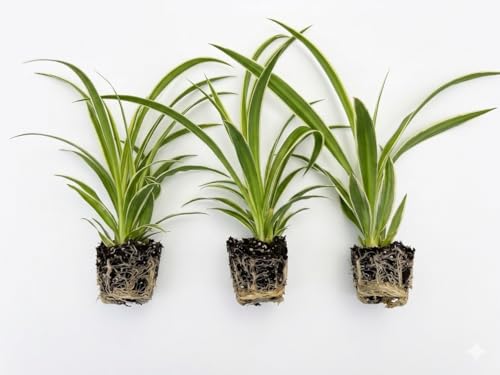
The Spider Plant tops our list as one of the most cat-friendly indoor plants available. With its arching variegated leaves and baby “spiderettes” that dangle from the mother plant, it creates visual interest in any space.
Spider Plants are incredibly versatile and can thrive in various light conditions, though they prefer bright, indirect light. They’re perfect for hanging baskets, which can help keep them slightly out of your cat’s reach, though it’s still completely safe if your feline friend manages to nibble on a leaf.
One of the most appealing aspects of Spider Plants for cat owners is their air-purifying qualities. According to NASA’s Clean Air Study, these plants help remove formaldehyde, xylene, and toluene from the air, creating a healthier environment for both you and your pets.
Spider Plants are also exceptionally easy to care for, making them ideal for beginner plant parents. They prefer to dry out between waterings and will actually produce more “babies” when slightly root-bound.
If your cat does show interest in your Spider Plant, it might be because these plants have mildly hallucinogenic properties similar to catnip for some felines. While completely non-toxic, you might notice your cat is particularly attracted to them.
Care Tips for Spider Plants:
- Light: Bright, indirect light, but adaptable to lower light conditions
- Water: Allow soil to dry between waterings
- Humidity: Average household humidity is fine
- Temperature: 65-75°F (18-24°C)
- Soil: Well-draining potting mix
Spider Plants propagate easily through their spiderettes, which can be rooted in water or soil, allowing you to expand your plant collection or share with friends. Their rapid growth and forgiving nature make them perfect starter plants for homes with curious cats.
Check out 10 Best Plant Foods for Indoor Plants
2. Boston Fern (Nephrolepis exaltata)
The Boston Fern brings a touch of lush greenery to any space with its feathery, arching fronds. These classic houseplants have been favorites since Victorian times and remain popular due to their elegant appearance.
For cat owners, Boston Ferns offer peace of mind as they’re entirely non-toxic for felines. The graceful, cascading nature of these plants makes them ideal for display in hanging baskets or on plant stands, adding dimension to your home décor.
Boston Ferns are also excellent air purifiers, removing formaldehyde and xylene from indoor environments. This makes them not just beautiful additions to your home but functional ones as well, contributing to cleaner air for your entire household.
These ferns do require specific care to thrive. They prefer consistent moisture and higher humidity than many other houseplants. In drier homes, consider placing them in naturally humid areas like bathrooms or kitchens, or use a humidifier nearby.
If your cat does show interest in your Boston Fern, the good news is that even if they bat at the fronds or take a curious nibble, there’s no risk of toxicity. However, to keep your plant looking its best, you might want to place it in an area where your cat can’t regularly access it.
Care Tips for Boston Ferns:
| Care Aspect | Requirements |
|---|---|
| Light | Bright, indirect light; avoid direct sun |
| Water | Keep soil consistently moist but not soggy |
| Humidity | High humidity (50-80%) |
| Temperature | 65-75°F (18-24°C) |
| Soil | Rich, loamy soil with good drainage |
Boston Ferns can be dramatic when their needs aren’t met, quickly dropping fronds if they get too dry. Regular misting or placing them on pebble trays with water can help maintain the humidity they crave while keeping your cat-friendly greenery looking its best.
Check out Are Boston Ferns Toxic to Cats?
3. Areca Palm (Dypsis lutescens)
The Areca Palm, also known as the Butterfly Palm or Yellow Palm, brings a tropical feel to any indoor space. With its feathery, arching fronds growing from multiple cane-like stems, it creates a lush statement piece that’s completely safe for your feline companions.
This graceful palm is native to Madagascar but has become a popular houseplant in American homes due to its air-purifying qualities and relatively easy care requirements. The Areca Palm effectively removes toxins like formaldehyde, xylene, and toluene from indoor air.
As a cat owner, you’ll appreciate that the Areca Palm is non-toxic to pets, making it a worry-free choice even if your curious cat decides to nibble on its fronds. The palm’s size also makes it an excellent room divider or corner plant, adding structure to your space.
Areca Palms prefer bright, indirect light but can tolerate medium light conditions. Direct sunlight can scorch their delicate fronds, so placing them near east or north-facing windows is ideal. They prefer to be kept consistently moist during growing seasons but can tolerate slightly drying out between waterings.
These palms can grow quite large in optimal conditions, reaching heights of 6-7 feet indoors, making them impressive statement plants. Their size can also be advantageous for cat owners, as most of the foliage will be out of your cat’s reach once the palm matures.
Care Tips for Areca Palms:
- Light: Bright, indirect light
- Water: Keep soil evenly moist; allow top inch to dry between waterings
- Humidity: Moderate to high; mist regularly in dry environments
- Temperature: 65-75°F (18-24°C); sensitive to cold drafts
- Soil: Well-draining potting mix with some sand for drainage
One thing to note about Areca Palms is that they’re sensitive to fluoride, which is often found in tap water. If possible, water your palm with rainwater, distilled water, or tap water that has been left to sit overnight to allow chlorine to dissipate.
Check out Are Areca Palms Toxic to Dogs?
4. African Violet (Saintpaulia)
African Violets bring a pop of color to your cat-friendly plant collection with their velvety leaves and charming blooms in shades of purple, pink, blue, and white. These compact plants are perfect for smaller spaces and tabletops.
Native to Tanzania, African Violets have become beloved houseplants in the United States due to their ability to bloom year-round when properly cared for. Their small size makes them ideal for apartments or homes with limited space for larger plants.
For cat owners, African Violets offer the perfect combination of visual interest and safety. These flowering plants are non-toxic to cats, so you don’t need to worry if your curious feline decides to take a taste. Their compact growth habit also means they’re less likely to be knocked over compared to larger, top-heavy plants.
African Violets thrive in bright, indirect light, making them perfect for east or west-facing windows. Too much direct sunlight can scorch their leaves, while insufficient light will result in fewer blooms. These plants prefer consistently moist soil but are sensitive to overwatering and water on their leaves.
One interesting aspect of African Violets is their preference for bottom-watering to prevent leaf spotting. This method involves placing the pot in a saucer of water and allowing the plant to absorb moisture from below, keeping the attractive foliage dry and pristine.
African Violet Care Table:
| Care Aspect | Requirements |
|---|---|
| Light | Bright, indirect light; avoid direct sun |
| Water | Keep soil lightly moist; bottom-water when possible |
| Humidity | Moderate humidity (40-60%) |
| Temperature | 65-75°F (18-24°C); avoid cold drafts |
| Soil | African violet specific soil or light, well-draining mix |
| Fertilizer | Specific African violet fertilizer, diluted to half strength |
African Violets can bloom continuously when properly cared for, bringing year-round color to your cat-friendly indoor garden. Their compact size and non-toxic nature make them perfect additions to shelves, desks, or coffee tables in homes with feline friends.
Check out 9 Ways to Get Rid of Bugs on Indoor Plants
5. Rattlesnake Plant (Calathea lancifolia)
The Rattlesnake Plant, with its distinctive wavy-edged leaves marked with dark green spots and purple undersides, makes a dramatic statement in any room. This eye-catching prayer plant is a safe and stunning addition to homes with cats.
Part of the Calathea family, the Rattlesnake Plant gets its common name from the distinctive pattern on its leaves that resembles snake skin. The plant is entirely non-toxic for cats, making it a worry-free choice for pet owners who want to add visual interest to their space.
One of the most fascinating aspects of the Rattlesnake Plant is its nyctinastic movement—the leaves rise during the day and fold down at night, as if in prayer. This natural rhythm can be a source of fascination for both you and your cat, who might enjoy watching the gentle movement.
Rattlesnake Plants prefer medium to bright indirect light but should be kept out of direct sunlight. They’re somewhat more forgiving of lower light conditions than other Calatheas, though insufficient light will result in less vibrant leaf markings.
These plants are native to the tropical rainforests of Brazil, so they appreciate higher humidity levels. In average home environments, you may need to increase humidity through misting, using a humidifier, or placing a pebble tray with water.
Care Requirements for Rattlesnake Plants:
- Light: Medium to bright indirect light
- Water: Keep soil consistently moist but not soggy; sensitive to fluoride and chlorine in tap water
- Humidity: High humidity (50% or higher)
- Temperature: 65-80°F (18-27°C); avoid cold drafts and sudden temperature changes
- Soil: Rich, well-draining potting mix that retains some moisture
The Rattlesnake Plant’s unique appearance makes it a standout in any plant collection. Its non-toxic nature combined with its visual appeal makes it an excellent choice for design-conscious cat owners who want to create a pet-safe jungle at home.
Check out What Indoor Plants Like Coffee Grounds
6. Cat Grass (Dactylis glomerata)
Cat Grass is a perfect addition to any cat-friendly home, as it’s grown explicitly for feline consumption. This isn’t a decorative houseplant in the traditional sense, but rather a functional addition that benefits your cat directly while adding a touch of greenery to your space.
Typically grown from wheat, oat, rye, or barley seeds, Cat Grass provides a safe outlet for your cat’s natural instinct to chew on plants. Many veterinarians recommend keeping Cat Grass available to help cats with digestion and potentially reduce their interest in nibbling on other houseplants.
Growing Cat Grass is remarkably simple and can be a rewarding activity for both you and your cat. Seeds sprout quickly, usually within a week, providing near-instant gratification. You can purchase ready-to-grow kits from pet stores or online retailers, or simply buy the seeds and plant them in a shallow container with potting soil.
The benefits of Cat Grass extend beyond just satisfying your cat’s plant-chewing tendencies. It contains folic acid, which supports your cat’s health and can help them naturally eliminate hairballs. Many cats also simply enjoy the texture and taste of fresh grass.
Unlike outdoor grass, which may be treated with pesticides or herbicides, homegrown Cat Grass provides a safe alternative that you can control. It’s particularly beneficial for indoor cats who don’t have access to outdoor vegetation.
Growing and Maintaining Cat Grass:
| Aspect | Details |
|---|---|
| Planting | Soak seeds for 6-8 hours before planting |
| Growing Medium | Potting soil or coconut coir |
| Water | Keep soil consistently moist until established |
| Light | Bright, indirect light |
| Growth Rate | Sprouts in 5-7 days; |
One clever approach is to maintain a rotation of Cat Grass plantings, with one available for your cat while another is sprouting. This ensures a continuous supply of fresh grass. Once the grass begins to yellow or wilt, it’s time to compost it and replace it with a fresh batch.
Cat Grass doesn’t just benefit your feline friend—it also adds a touch of living greenery to your home and can be an educational project for children to observe the quick growth cycle of plants. It’s truly a win-win addition to any cat-friendly home.
Check out 8 Best Self Watering Pots for Indoor Plants
7. Money Plant (Pilea peperomioides)
The Money Plant, also known as the Chinese Money Plant or Pancake Plant, has become a trendy houseplant favorite in recent years. With its distinctive, round, coin-shaped leaves on long stems, it brings a playful, modern aesthetic to any space while remaining completely safe for cats.
Native to China, the Pilea peperomioides has an interesting history in the United States. Rather than being commercially distributed initially, it gained popularity through plant cuttings shared between friends, earning it the nickname “Pass-it-on Plant” or “Friendship Plant.”
For cat owners, the Money Plant offers peace of mind as it’s non-toxic to felines. If your curious cat takes a nibble, there’s no cause for concern. The plant’s unique appearance also makes it a standout in your home décor, with its perfect circular leaves creating an almost sculptural effect.
Money Plants are relatively easy to care for, preferring bright, indirect light but tolerating medium light conditions. Direct sunlight can scorch their delicate leaves, so an east or north-facing window is ideal. They like to dry out slightly between waterings, making them forgiving if you occasionally forget to water.
One of the most charming aspects of the Money Plant is how readily it produces “pups” or baby plants around its base. These can be separated and potted to create new plants, allowing you to expand your collection or share with friends, continuing the tradition that made this plant popular in the first place.
Money Plant Care Guide:
- Light: Bright, indirect light; rotate regularly for even growth
- Water: Allow top inch of soil to dry between waterings
- Humidity: Average household humidity is fine
- Temperature: 65-75°F (18-24°C)
- Soil: Well-draining potting mix
Money Plants have a naturally compact growth habit, typically staying under 12 inches tall, making them perfect for tabletops, shelves, or mantels. Their distinctive appearance pairs well with mid-century modern décor or minimalist aesthetics, adding a touch of whimsy to your cat-safe plant collection.
Check out 9 Indoor Pots for Plants That Enhance Home Decor in 2025
8. Christmas Cactus (Schlumbergera)
The Christmas Cactus is a festive, flowering plant that brightens up homes with its colorful blooms during the holiday season. Despite its name and spiky appearance, it’s actually a safe option for households with curious cats.
Unlike desert cacti with sharp spines, the Christmas Cactus has smooth, flat, segmented stems that pose no danger to your feline friends. Native to the coastal mountains of Brazil, these epiphytic cacti naturally grow attached to trees in humid forest environments, quite different from the arid deserts most people associate with cacti.
For cat owners, the Christmas Cactus offers seasonal beauty without worry. The ASPCA confirms it’s non-toxic to both cats and dogs, so even if your pet takes an investigative nibble, they’ll be perfectly safe. The plant produces stunning flowers in shades of pink, red, white, or purple, typically blooming around the holiday season.
Christmas Cacti are relatively easy to care for once you understand their unique needs. They prefer bright, indirect light but can tolerate lower light conditions. Direct sunlight, especially during summer months, can burn their segments. These plants appreciate higher humidity than desert cacti and should not be allowed to dry out completely.
One of the most rewarding aspects of Christmas Cacti is their longevity—these plants can live for decades, becoming family heirlooms passed down through generations. With proper care, they’ll bloom reliably year after year, sometimes producing flowers twice annually.
Christmas Cactus Care Table:
| Care Aspect | Requirements |
|---|---|
| Light | Bright, indirect light; protect from intense afternoon sun |
| Water | Keep slightly moist during growing season; reduce in fall to encourage blooming |
| Humidity | Moderate to high humidity (50-60%) |
| Temperature | 65-70°F (18-21°C); cooler temperatures in fall to initiate blooming |
| Soil | Well-draining cactus mix with added organic matter |
To encourage blooming, Christmas Cacti need a period of shorter daylight hours (about 12-14 hours of darkness) and slightly cooler temperatures for about six weeks before their flowering season. Once buds form, it’s important to maintain consistent care, as sudden changes can cause bud drop.
Check out Liquid Fertilizer for Indoor Plants
9. Staghorn Fern (Platycerium)
The Staghorn Fern is a magnificent epiphytic plant that serves as a living sculpture in your home. With its uniquely shaped fronds resembling deer or elk antlers, it creates a dramatic focal point while being completely safe for your feline companions.
Unlike traditional potted plants, Staghorn Ferns are typically mounted on wooden boards, hung in baskets, or attached to other surfaces, mimicking their natural growth on trees in their native tropical environments. This mounting style can actually be advantageous in homes with cats, as it keeps the plant elevated and somewhat protected from curious paws.
For cat owners concerned about toxicity, the Staghorn Fern offers complete peace of mind. These impressive plants are non-toxic to cats and dogs, so there’s no need to worry if your pet shows interest in the unusual fronds. The distinctive appearance of Staghorn Ferns adds a wild, organic element to your home décor.
Staghorn Ferns have two types of fronds: the antler-shaped fertile fronds that grow outward and give the plant its name, and the shield fronds (also called sterile fronds) that are flat, rounded, and grow against the mounting surface. The shield fronds eventually turn brown and look dead, but they’re actually protective and should not be removed.
These ferns appreciate bright, indirect light and consistent moisture. Unlike many houseplants, they absorb water through their fronds as well as their minimal root system, so misting them regularly or occasionally soaking the entire plant is beneficial.
Staghorn Fern Care Essentials:
- Light: Bright, indirect light; can tolerate some morning direct sun
- Water: Soak the entire plant in water weekly, allowing it to dry between waterings; mist regularly
- Humidity: Moderate to high humidity (50-60%)
- Temperature: 65-80°F (18-27°C); protect from cold drafts
- Mounting: Wood board, wire basket, or tree bark with sphagnum moss
As your Staghorn Fern grows, it will develop “pups” or offsets that can be carefully removed and mounted to create new plants. This makes them not only beautiful, cat-safe additions to your home but also plants that can be propagated to expand your collection or share with friends.
Read 9 Ways to Get Rid of Spider Mites on Indoor Plants
10. Bamboo Palm (Chamaedorea seifrizii)
The Bamboo Palm, also known as the Reed Palm, brings a touch of tropical elegance to any indoor space. With its delicate, feathery fronds growing from multiple reed-like stems, it creates a lush, jungle-like atmosphere that’s entirely safe for your feline friends.
This graceful palm is an excellent choice for cat owners looking to add substantial greenery to their homes without worry. The Bamboo Palm is verified by the ASPCA as non-toxic to cats and dogs, making it a perfect choice for pet households. Its substantial size also makes it less likely that cats will be able to damage the entire plant, even if they bat at the lower fronds.
Bamboo Palms are renowned for their air-purifying qualities, having been featured in NASA’s Clean Air Study. They’re particularly effective at removing formaldehyde, xylene, and toluene from indoor environments, contributing to a healthier home for both you and your pets.
These palms prefer bright, indirect light but are more shade-tolerant than many other palms, making them versatile for different lighting conditions in your home. They appreciate consistent moisture but should not be left in standing water, as this can lead to root rot.
The Bamboo Palm can grow quite large indoors, typically reaching 4-7 feet in height, making it an excellent floor plant or statement piece. Its size and tropical appearance make it perfect for filling empty corners or adding privacy and structure to open-plan living spaces.
Bamboo Palm Care Guide:
| Care Aspect | Requirements |
|---|---|
| Light | Medium to bright indirect light; tolerates lower light |
| Water | Keep soil evenly moist but not soggy; allow top inch to dry between waterings |
| Humidity | Average to high humidity; benefits from occasional misting |
| Temperature | 65-80°F (18-27°C); avoid cold drafts |
| Soil | Rich, well-draining potting mix |
| Fertilizer | Balanced houseplant fertilizer at half strength during growing season |
Bamboo Palms grow relatively slowly, so they’re a long-term investment in your home décor. Their elegant appearance works well with various interior styles, from tropical to bohemian to modern, making them versatile additions to your cat-safe plant collection.
Check out Types of Indoor Palm Plants
Frequently Asked Questions About Cat-Friendly Plants
What should I do if my cat eats a plant that isn’t on this safe list?
If your cat consumes a plant that isn’t known to be cat-safe, it’s important to act quickly. First, try to identify the plant if you don’t already know what it is. Remove any plant material from your cat’s mouth if possible. Contact your veterinarian or the ASPCA Animal Poison Control Center (1-888-426-4435) immediately. Bring a sample of the plant with you if you need to visit the vet. Watch for symptoms such as vomiting, diarrhea, drooling, difficulty breathing, lethargy, or changes in behavior, which could indicate poisoning. Even with non-toxic plants, excessive consumption can cause digestive upset, so it’s always best to monitor your cat’s plant interactions.
How can I prevent my cat from digging in my houseplant soil?
Cats often find plant soil irresistible for digging or using as an alternative litter box. To discourage this behavior, try covering the soil with decorative stones, river rocks, or mesh covers that allow water to penetrate but prevent digging. Commercial products like plant soil covers are also available. Citrus peels placed on the soil can deter some cats, as many dislike the scent. Another effective approach is to provide alternative appropriate digging spots, like a dedicated cat-friendly planter filled with soil or cat grass. Consistent redirection and possibly a cat deterrent spray (ensure it’s pet-safe) around your plants can also help modify this behavior.
Can plants be beneficial for my indoor cat’s mental health?
Yes, plants can significantly benefit your cat’s mental wellbeing. Indoor cats often lack the natural stimulation they would experience outdoors, and houseplants can help enrich their environment. Cat grass or catnip provides safe plants for them to nibble, satisfying natural grazing instincts. The movement of plant leaves in response to air currents can provide entertainment and stimulate hunting instincts. Plants also create microenvironments with varying humidity and temperature that cats can explore. Additionally, plants with different textures offer sensory enrichment through touch. Creating a “cat jungle” with safe plants can help prevent boredom and associated behavioral problems in indoor cats.
Are air-purifying plants especially beneficial in homes with cats?
Air-purifying plants offer particular benefits in homes with cats. Indoor cats spend nearly 100% of their time in your home environment, so air quality directly impacts their health. Many cat-safe plants like Spider Plants, Areca Palms, and Bamboo Palms are excellent at removing volatile organic compounds (VOCs) from the air. These plants can help reduce allergens and dust particles, potentially decreasing respiratory issues for both cats and humans. Plants also naturally humidify the air, which can benefit cats prone to respiratory conditions. Additionally, they help counteract some of the carbon dioxide produced by pets and their humans. Just ensure any air-purifying plants you choose are non-toxic to cats.
How can I introduce new plants safely to my cat-friendly home?
When bringing new plants into a home with cats, start by thoroughly researching to verify the plant’s safety for felines. Place new plants in a quarantined area initially, both to check for pests and to introduce them gradually to your cat. Begin with the plants in less accessible locations, such as high shelves or hanging planters, while observing how interested your cat becomes in them.

Conclusion
Creating a lush, green oasis in your home doesn’t have to come with worry when you have feline friends. These ten cat-friendly indoor plants offer beautiful options for plant lovers who want to ensure their pets remain safe. From the dramatic Staghorn Fern to the practical Cat Grass, there’s something for every home and style preference.
Remember that even with non-toxic plants, it’s still best to monitor your cat’s interactions with them. Some cats may experience mild digestive upset if they consume large quantities of any plant material. Additionally, potting soil, fertilizers, and plant stakes can pose hazards of their own.
By choosing cat-safe plants and strategically placing them throughout your home, you can enjoy the benefits of houseplants—improved air quality, enhanced décor, and the joy of nurturing living things—while keeping your feline companions safe and happy.
Whether you’re an experienced plant parent or just starting your indoor garden journey, these ten options provide a perfect starting point for creating a cat-friendly plant paradise. Happy planting!
You may also like:

Hello there! I’m Elsa, and gardening is my passion. As an avid gardener, I created GardeningElsa.com to share my knowledge and experience with fellow enthusiasts. My website is a comprehensive resource for gardeners of all levels, offering expert advice on a wide range of topics, including plants, flowers, herbs, and vegetable gardening. Whether you’re a beginner looking to start your first garden or a seasoned pro seeking to expand your knowledge, GardeningElsa.com has something for everyone. Read more about me.