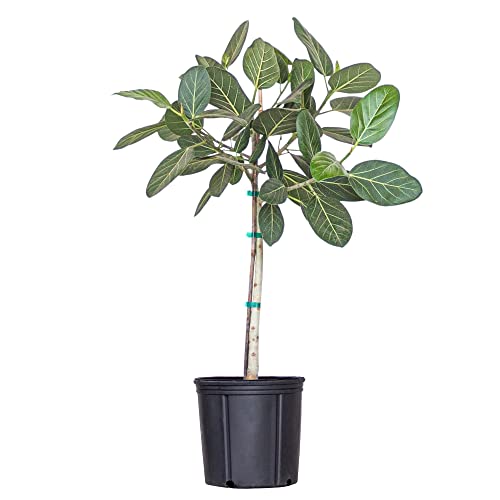
Ficus plants have become popular indoor houseplants thanks to their diverse forms and adaptability to indoor environments. These versatile plants come in many varieties, from the classic weeping fig (Ficus benjamina) to the trendy fiddle-leaf fig (Ficus lyrata) that dominates social media plant posts.
The Ficus genus includes several species that thrive as houseplants, including the rubber tree (Ficus elastica), the Chinese banyan (Ficus microcarpa), and the lesser-known but equally beautiful Ficus Audrey and Ficus Tineke. Each variety offers unique leaf shapes, sizes, and growth habits that can complement different interior styles and spaces.
Indoor ficus plants add a touch of greenery to homes while serving as striking architectural elements. Some varieties grow as bushes while others develop into small trees, making them versatile choices for various room sizes. Though specific care requirements vary slightly between species, most ficus plants appreciate bright, indirect light and consistent watering schedules to flourish indoors.
Overview of Ficus as Indoor Houseplants
Ficus plants rank among the most popular indoor houseplants due to their adaptability, variety, and aesthetic appeal. These versatile plants come in numerous shapes, sizes, and growing habits, making them suitable for virtually any indoor space.
Benefits of Growing Ficus Indoors
Ficus plants offer several advantages for indoor environments. They serve as beautiful statement pieces that can fill empty spaces with their lush foliage and interesting growth patterns. Many varieties grow into tall, dramatic specimens that become focal points in rooms.
Ficus plants also contribute to improved air quality by filtering toxins and releasing oxygen. This makes them not just decorative but functional additions to homes and offices.
These plants are generally low-maintenance once established. Most ficus varieties adapt well to typical indoor conditions, requiring moderate light and regular but not excessive watering.
Some ficus types, like the Rubber Plant (Ficus elastica), are particularly resilient and can thrive even with occasional neglect, making them excellent choices for busy households or beginning plant owners.
General Characteristics of Ficus Species
Ficus plants display remarkable diversity in appearance. Leaf shapes range from the large, violin-shaped leaves of Fiddle Leaf Fig to the small, delicate foliage of Ficus benjamina. Colors vary from deep green to variegated patterns with cream, white, or yellow markings.
Growth habits differ significantly between species. Some grow as upright trees reaching impressive heights indoors, while others form bushier shapes or even trailing vines.
Most ficus species feature glossy leaves that add a touch of elegance to indoor spaces. The leaf texture varies from thick and leathery to thin and papery depending on the variety.
Ficus plants produce a milky sap when damaged, which can cause skin irritation in sensitive individuals and is mildly toxic if ingested. This is an important consideration for homes with pets or small children.
Origins and Natural Habitat
Ficus plants originate primarily from tropical regions across Asia, Africa, Australia, and the Americas. The Fiddle Leaf Fig (Ficus lyrata), for example, comes from the rainforests of West Africa, where it grows as an understory tree.
In their natural habitats, many ficus species grow as large trees, often starting life as epiphytes that eventually become independent. Some species, like the famous Banyan trees, develop aerial roots that create impressive structures.
These plants have evolved to thrive in warm, humid environments with filtered light conditions. Understanding their natural habitat helps explain their preferences when grown indoors.
The adaptability of ficus species to diverse tropical environments has contributed to their success as houseplants, as they can adjust to the relatively stable conditions found in homes and offices.
Popular Types of Indoor Ficus Plants
Ficus plants are among the most beloved indoor trees, known for their attractive foliage and adaptability to indoor conditions. Several species have become favorites among houseplant enthusiasts for their distinct appearances and relatively straightforward care requirements.
Ficus Benjamina (Weeping Fig)
Ficus benjamina, commonly known as the weeping fig, is perhaps the most popular indoor ficus tree. It features glossy, oval-shaped leaves and gracefully arching branches that give it an elegant appearance. This versatile plant can grow as a small tabletop specimen or a full-sized indoor tree reaching 6-10 feet tall in home settings.
Weeping figs prefer bright, indirect light but can adapt to medium light conditions. They dislike sudden changes in their environment, often responding by dropping leaves when moved or exposed to drafts.
Care requirements:
- Water when the top inch of soil feels dry
- Maintain moderate humidity
- Feed with balanced fertilizer during the growing season
- Prune to maintain the desired shape
Weeping figs come in several varieties, including variegated forms with white or yellow leaf margins that add extra visual interest to indoor spaces.
Ficus Elastica (Rubber Plant)
The rubber plant features large, thick, leathery leaves that can range from deep green to burgundy depending on the variety. Its striking foliage and upright growth habit make it a bold statement piece in any room.
Popular varieties include ‘Burgundy’, with deep reddish leaves, and ‘Tineke’, which has variegated green and cream foliage.
Rubber plants are remarkably sturdy and forgiving, tolerating lower light conditions better than many other ficus species. They grow moderately fast and can reach impressive heights indoors with proper care.
Care basics:
- Allow the soil to dry slightly between waterings
- Wipe leaves occasionally to maintain shine
- Provide bright, indirect light for best growth
- Support tall plants with stakes if needed
Young rubber plants typically have one main stem, but they can be pruned to encourage branching and a bushier appearance.
Ficus Lyrata (Fiddle Leaf Fig)
The fiddle leaf fig has become incredibly trendy in recent years. Its large, violin-shaped leaves create a dramatic silhouette that works well as a focal point in modern interiors. Each leaf can grow up to 18 inches long and features prominent veining that adds textural interest.
This ficus prefers consistent conditions and requires a bit more attention than its cousins. It thrives in bright, filtered light and needs regular but moderate watering.
Key care points:
- Rotate regularly for even growth
- Avoid cold drafts and sudden temperature changes
- Clean leaves to prevent dust buildup
- Water thoroughly, but allow the soil to dry out slightly between waterings
Fiddle leaf figs typically grow in a tree-like form with a single trunk, though bush forms with multiple stems are also available. They grow relatively slowly but can eventually reach 6-10 feet tall indoors when properly cared for.
Less Common Indoor Ficus Varieties
While Ficus benjamina and Ficus lyrata get most of the attention, several lesser-known ficus varieties make excellent houseplants with unique characteristics and growth habits. These uncommon varieties can add diversity to your indoor plant collection.
Ficus Microcarpa
Ficus microcarpa, commonly known as the Chinese Banyan or Ginseng Ficus, features an interesting swollen trunk that resembles ginseng roots. This variety often appears as a bonsai in garden centers with its thick, exposed roots and small, oval, glossy leaves.
Ficus microcarpa thrives in bright, indirect light and prefers to dry out between waterings. It’s more forgiving of inconsistent watering than other ficus varieties.
The plant typically grows slowly indoors, reaching 2-3 feet tall when mature. It can be maintained at smaller sizes with regular pruning.
Common varieties include:
- ‘Green Island’ – compact with small, round leaves
- ‘Tiger Bark’ – distinctive striped bark pattern
- ‘Green Mound’ – dense, mounding growth habit
Ficus Audrey
Ficus Audrey (sometimes classified as Ficus benghalensis) has gained popularity as an alternative to the fiddle leaf fig. It features velvety, oval green leaves with light green veining and fuzzy stems.
Unlike its temperamental cousins, Ficus Audrey adapts better to home conditions and forgives occasional care mistakes. It grows upright with a tree-like structure and soft, touchable foliage.
This plant prefers bright, indirect light but tolerates medium light conditions. Water when the top inch of soil feels dry.
Ficus Audrey grows at a moderate pace, potentially reaching 6-8 feet indoors if not pruned. Its growth habit remains naturally upright with minimal staking needed.
Ficus Benghalensis
Ficus benghalensis, known as the Banyan Fig or Indian Banyan, grows into massive trees in its native India. As a houseplant, it remains much smaller but still makes an impressive specimen.
The leaves are large, leathery, and heart-shaped with a glossy finish. Young plants have an upright growth habit that becomes more spreading with age.
In nature, this ficus develops aerial roots that form new trunks, but this rarely happens indoors. The plant appreciates:
- Bright, indirect light
- Consistent moisture without soggy soil
- Regular dusting of its broad leaves
- Occasional fertilizing during the growing season
Indoor specimens typically reach 6-10 feet tall when mature but respond well to pruning.
Ficus Pumila
Ficus pumila, or Creeping Fig, differs dramatically from its tree-like relatives. This vine-like ficus has tiny heart-shaped leaves and a climbing growth habit that makes it perfect for walls, trellises, or hanging baskets.
The juvenile form features small (½-1 inch), closely spaced leaves that cling to surfaces using aerial rootlets. Mature plants develop larger, thicker leaves and a more shrubby appearance.
Ficus pumila grows quickly in favorable conditions and may need regular trimming to control its spread. It tolerates lower light than most ficus varieties but prefers bright, indirect light.
Two popular varieties include:
- ‘Minima’ – extra small leaves, compact growth
- ‘Variegata’ – cream and green variegated foliage
Unlike its larger cousins, Creeping Fig prefers consistent moisture and higher humidity.
Specialty Ficus for Indoor Bonsai
Ficus varieties make excellent indoor bonsai trees due to their adaptability and distinctive features. They tolerate indoor conditions well while creating beautiful miniature tree forms.
Ficus Ginseng
Ficus Ginseng (Ficus microcarpa) is one of the most popular bonsai choices for indoor environments. It features a thick, bulbous trunk that resembles ginger root, giving it the “ginseng” name. The trunk stores water, helping the plant survive during dry periods.
This variety produces broad, glossy, dark green leaves that grow from the upper stems. Ficus Ginseng is particularly forgiving for beginners since it tolerates irregular watering and less-than-ideal conditions better than many other bonsai species.
You can find Ficus Ginseng readily available in many garden centers and bonsai shops. Many specimens come pre-styled with exposed aerial roots and shaped trunks, making them instantly attractive even without additional training.
Bonsai Care Tips
Ficus bonsai trees need bright, indirect light when kept indoors. Place them near a window, but avoid direct afternoon sun, which may burn the leaves. These tropical plants prefer temperatures above 60°F (15°C) and should never be exposed to frost.
Watering should be done when the top of the soil begins to dry. Ficus bonsai benefit from regular misting to increase humidity around the leaves, especially in dry indoor environments.
Pruning Techniques:
- Trim new growth regularly to maintain shape
- Remove large leaves to encourage smaller foliage
- Prune in spring or summer for best results
Ficus bonsai can be kept compact through regular pruning as they continuously sprout new leaves from the top stems. This makes them particularly responsive to bonsai training techniques and ideal for creating various bonsai styles.
Essential Care Requirements for Indoor Ficus
Ficus plants need specific care to thrive indoors. These tropical beauties require balanced attention to light, temperature, water, and humidity to remain healthy and vibrant in home environments.
Ideal Growing Conditions
Ficus plants prefer bright, indirect light to grow properly. Place your ficus near east or west-facing windows where it receives filtered sunlight throughout the day. Direct southern exposure can scorch the leaves, while too little light causes leaf drop.
Temperature management is crucial for these tropical natives. Most ficus species thrive in temperatures between 70-85°F (21-29°C) during the day and no lower than 60°F (15°C) at night. Sudden temperature changes can stress the plant.
Avoid drafty areas and cold spots. Keep ficus plants away from air conditioning vents, heaters, and frequently opened doors or windows. Temperature stability helps prevent leaf drop, which is a common stress response in ficus trees.
Proper Watering Techniques
Consistent watering is essential for ficus health. Allow the top inch of soil to dry out between waterings, but never let the pot completely dry out. During active growth in spring and summer, water more frequently.
Reduce watering in winter when growth slows. Check soil moisture by inserting your finger about an inch into the soil – if it feels dry, it’s time to water. If it’s still moist, wait a few more days.
Signs of improper watering:
- Yellowing leaves = overwatering
- Brown, crispy leaf edges = underwatering
- Leaf drop = sudden changes in watering routine
Always empty drainage trays after watering to prevent root rot. Use room temperature water, as cold water can shock the root system.
Humidity Levels and Management
Ficus plants originate from tropical regions and appreciate higher humidity levels than typical homes provide. Ideal humidity ranges from 40-60% for most ficus species, though they can adapt to slightly lower levels.
Create a more humid microclimate by:
- Placing the pot on a pebble tray with water
- Grouping plants together to create a more humid zone
- Using a room humidifier during dry winter months
- Misting leaves occasionally (though this provides only temporary humidity)
Avoid placing ficus plants in extremely dry areas or near heating vents. Brown leaf edges often indicate that humidity levels are too low. Larger-leaved ficus varieties typically need more humidity than smaller-leaved types.
Fertilization Needs
Feed your ficus regularly during the growing season (spring through early fall) with a balanced, water-soluble fertilizer. A 20-20-20 NPK formula works well for most ficus species, providing essential nutrients for leaf development.
Apply fertilizer at half the recommended strength every 4-6 weeks during active growth. Over-fertilizing can damage roots and cause leaf burn, so it’s better to under-fertilize than overdo it.
Suspend fertilization completely during winter months when growth naturally slows. Resume feeding in early spring when you notice new growth emerging.
Yellowing leaves between the veins might indicate nutrient deficiencies. If this occurs despite regular fertilization, check that your soil pH is appropriate (6.0-7.0) as this affects nutrient absorption.
Practical Ficus Maintenance Tips
Keeping your ficus healthy requires regular maintenance. The right care techniques will help your plant thrive and prevent common problems that often frustrate indoor gardeners.
Pruning Methods
Ficus plants respond well to pruning, which helps maintain their shape and encourages fuller growth. Prune in spring or early summer when the plant is actively growing. Use sharp, clean shears to make cuts just above a leaf node to stimulate new growth from that point.
For leggy ficus plants, don’t be afraid to cut back by up to one-third of the total height. This may seem drastic, but it promotes bushier growth. After heavy pruning, reduce watering slightly until new growth appears.
Remove any dead, damaged, or crossing branches first. These can create entry points for pests and disease. For routine maintenance, focus on shaping the plant by selectively trimming longer branches.
Wear gloves when pruning, as ficus sap can cause skin irritation in some people. The milky white sap can also stain furniture and floors.
Repotting and Containers
Repot your ficus every 1-2 years, or when you notice roots growing through drainage holes. Spring is the ideal time for repotting as the plant enters its active growth phase.
Choose containers with proper drainage holes to prevent root rot. Terra cotta pots work well as they allow soil to dry more evenly. The new pot should be only 1-2 inches larger in diameter than the current one.
When repotting, gently loosen the root ball and trim any damaged or circling roots. Use a well-draining potting mix specifically formulated for indoor plants or create your own by mixing regular potting soil with perlite or sand.
Signs your ficus needs repotting:
- Roots growing out of drainage holes
- Water runs straight through the pot
- Slowed growth despite proper care
- Plant becomes top-heavy and unstable
Aerial Roots in Indoor Settings
Aerial roots are a natural feature of many ficus varieties, especially the fiddle leaf fig and rubber plant. These roots grow from branches or the trunk and would normally attach to surfaces in their natural habitat.
In indoor settings, you have several options for managing aerial roots. You can direct them into the soil where they’ll function as regular roots, adding stability. For a more natural look, you can let them hang freely.
If aerial roots become too numerous or unattractive, you can carefully trim them without harming the plant. Use clean, sharp scissors and cut close to where they emerge.
Misting the plant regularly helps aerial roots absorb moisture from the air. High humidity of 40-60% benefits both the aerial roots and the overall health of your ficus. During winter, when indoor air is drier, consider using a humidifier nearby.
Common Issues with Indoor Ficus Plants
Ficus plants face several challenges when grown indoors, with improper watering and sudden environmental changes being the primary culprits behind most problems. Knowing how to identify and address these issues can help your ficus thrive.
Leaf Drop Causes and Solutions
Leaf drop is the most common complaint among ficus owners. This occurs when the plant experiences stress from environmental changes. Moving a ficus to a new location, drafts from doors or windows, or sudden temperature fluctuations can trigger leaf shedding.
Improper watering is another major cause. Overwatering leads to soggy soil and root rot, while underwatering causes dehydration. Both stress the plant enough to drop leaves.
To solve this issue:
- Maintain consistent conditions – keep your ficus in a stable environment
- Water properly – allow the top inch of soil to dry between waterings
- Increase humidity – use a pebble tray or humidifier if your home is dry
- Avoid drafts – keep away from heating vents, air conditioners, and frequently opened doors
Pest and Disease Prevention
Ficus plants can attract several pests, including mealybugs, spider mites, scale, and aphids. These insects damage leaves and stems by sucking sap from the plant.
Signs of infestation include:
- Sticky residue on leaves or nearby surfaces
- Yellow or brown spots on foliage
- Visible insects or webs
- Curling or distorted new growth
Bacterial leaf spot, caused by Xanthomonas campestris, appears as water-soaked spots that turn yellow or brown.
Preventive measures include:
- Inspect new plants before bringing them home
- Wipe leaves regularly with a damp cloth
- Maintain good air circulation
- Avoid overhead watering
- Isolate affected plants immediately
For active infestations, treat with insecticidal soap or neem oil, following package instructions carefully.
Ficus and Indoor Environment Enhancement
Ficus plants contribute significantly to indoor spaces by purifying air and adding aesthetic value. These versatile plants adapt well to indoor environments while providing both functional and decorative benefits.
Air Quality Improvement
Ficus plants act as natural air purifiers in indoor spaces. They effectively filter harmful airborne contaminants, including formaldehyde and benzene, which are common in household products and furniture.
Different ficus species have varying air-cleaning abilities. The Ficus benjamina (Weeping Fig) and Ficus elastica (Rubber Plant) are particularly effective at improving indoor air quality.
These plants work by absorbing toxins through their leaves and roots as part of their natural processes. Research has shown that rooms with ficus plants have measurably cleaner air compared to those without plants.
For maximum air purification benefits, one medium-sized ficus tree (3-4 feet tall) per 100 square feet of space is recommended.
Decor and Design Versatility
Ficus plants offer exceptional design versatility for various interior styles. Their diverse growth habits—from tall tree-like forms to compact bushes—make them suitable for different spaces.
Popular design applications include:
- Statement plants in living rooms (Ficus lyrata)
- Desktop accents in offices (Ficus microcarpa)
- Corner fillers in bedrooms (Ficus benjamina)
The varied leaf colors and textures add visual interest to any space. Ficus plants with variegated leaves, like Ficus elastica ‘Tineke’, create striking focal points.
These plants can be styled in decorative pots that complement interior color schemes. Their adaptable nature allows them to thrive in various light conditions, making them suitable for different areas within a home.
Comparing Ficus to Other Indoor Fig Trees
While all indoor fig trees belong to the Ficus genus, they differ significantly in appearance, care requirements, and growth habits. Understanding these differences can help you choose the right plant for your space and lifestyle.
Key Differences with Other Fig Species
Ficus trees come in various forms, with the Fiddle Leaf Fig (Ficus lyrata) standing out for its large, violin-shaped leaves. This species grows taller with a single trunk, unlike some other ficus varieties that have multiple stems and bushier growth patterns.
The Weeping Fig (Ficus benjamina) offers a more casual appearance with smaller leaves and a fuller canopy. It’s often more forgiving than the sometimes finicky Fiddle Leaf Fig.
Banyan or strangler figs represent another distinct growth habit within the Ficus family. These unique plants develop aerial roots that eventually form additional trunks.
When comparing care needs, most ficus species prefer:
- Bright, indirect light
- Consistent watering schedules
- Protection from drafts and temperature fluctuations
Fig trees used for fruit production (Ficus carica) differ from ornamental indoor ficus plants in both appearance and care requirements, with the former needing more direct sunlight to produce fruit.

Conclusion
Ficus plants make excellent indoor trees with their diverse range of shapes, sizes, and leaf patterns. From the dramatic fiddle-leaf fig to the graceful weeping fig, there’s a ficus variety to suit any home decor style.
These versatile plants adapt well to indoor conditions when given proper care. They prefer bright, indirect light and consistent watering schedules. Most ficus varieties also appreciate higher humidity levels than typical home environments.
While ficus trees can be somewhat finicky about changes in their environment, they reward patient caretakers with beautiful foliage and impressive growth. Some varieties can live for decades as houseplants when properly maintained.
Before selecting a ficus, consider your home’s lighting conditions and the space available for the mature plant. Some varieties, like the rubber plant and fiddle-leaf fig, can grow quite tall indoors, while others remain more compact.
With their air-purifying qualities and striking appearance, ficus plants continue to be popular choices for indoor gardeners. Their distinctive looks and relatively straightforward care requirements make them excellent options for both beginners and experienced plant enthusiasts.
You may also like:
- 15 Best Indoor Plants for Air Purification
- 11 Most Expensive House Plants in the World
- 20 Best Non Flowering Plants for Low-Maintenance Indoor Decor

Hello there! I’m Elsa, and gardening is my passion. As an avid gardener, I created GardeningElsa.com to share my knowledge and experience with fellow enthusiasts. My website is a comprehensive resource for gardeners of all levels, offering expert advice on a wide range of topics, including plants, flowers, herbs, and vegetable gardening. Whether you’re a beginner looking to start your first garden or a seasoned pro seeking to expand your knowledge, GardeningElsa.com has something for everyone. Read more about me.