Indoor Tiny White Bugs on Plants [Identification and Effective Solutions]

Have you noticed small white specks on your beloved houseplants that seem to move when disturbed? Those tiny invaders are likely common plant pests that can cause significant damage to your indoor garden if left untreated. Indoor plants are susceptible to various white bugs that can drain their vitality, cause unsightly damage, and even lead to plant death in severe infestations.

If you’re dealing with tiny white bugs on your indoor plants, they’re most likely mealybugs, whiteflies, spider mites, root aphids, or scale insects. These sap-sucking pests weaken plants by extracting plant fluids, causing yellowing leaves, stunted growth, and eventual decline. Most can be treated with insecticidal soap, neem oil, or in severe cases, systemic insecticides designed for houseplants.

Common Types of White Bugs on Indoor Plants

First, let us understand the common types of white bugs on Indoor plants.

Mealybugs

Mealybugs are among the most common white pests found on houseplants. These soft-bodied insects have a distinctive appearance:

  • Covered in a white, cotton-like wax
  • Typically 2-3mm in length
  • Tend to cluster along stems, leaf joints, and under leaves
  • Leave behind sticky honeydew

Mealybugs damage plants by piercing plant tissues and sucking out the sap. This feeding behavior can weaken the plant, leading to yellowing leaves, stunted growth, and leaf drop. The honeydew they excrete can also lead to sooty mold, a black fungal growth that further harms your plants.


Big Leaf Energy (16 FL OZ) Organic Neem Oil Spray for Plants + Essential Oils : Ready to Use Plant Wash for Indoor Houseplants & Outdoor Gardens, Natural Leaf Shine

Whiteflies

Whiteflies are tiny, moth-like insects that feed on plant sap. Despite their name, they’re not actually flies but are more closely related to aphids and scales. Key characteristics include:

  • Triangular-shaped white wings
  • About 1-2mm in length
  • Fly up in clouds when disturbed
  • Often found on the undersides of leaves

Like mealybugs, whiteflies also produce honeydew as they feed, which can lead to sooty mold. Heavy infestations can cause plants to become extremely weak and may prevent them from carrying out photosynthesis effectively, ultimately leading to plant death if left untreated.


LFSYS 64 Pcs Sticky Trapz for gnat, Yellow Stick Traps for Plants, Fungus gnat Traps Double Side with Shovel, Indoor Safe for Gnat, Fruit Fly, White Fly, Aphid, Leaf Miner

Spider Mites

Spider mites are microscopic pests that can appear as tiny white, yellow, or red specks to the naked eye. When populations are large, they may create fine webbing on plants. Notable features include:

  • Nearly invisible to the naked eye (0.4mm)
  • Create fine webbing in severe infestations
  • Causes stippling or tiny dots on leaves
  • Thrive in dry, warm conditions

Spider mites damage plants by piercing individual plant cells and extracting the contents, causing a characteristic stippled appearance on leaves. Heavily infested plants may show bronzing or yellowing of leaves before they drop.


Mighty Mint Peppermint Oil Insect Repellent Spray – Natural Indoor & Outdoor Bug Control for Spiders, Ants, Roaches, and More – Plant-Based, Extra-Strong Formula - 16 oz

Check out 9 Ways to Get Rid of Spider Mites on Indoor Plants

Root Aphids

Root aphids are oval-shaped pests with woolly white bodies that primarily attack the root systems of plants. They’re often overlooked until plant health significantly declines. Identifying characteristics include:

  • Oval-shaped with woolly white coating
  • Found primarily in soil around roots
  • Causes yellowing or curling leaves
  • Lead to wilting and stunted growth

Since these pests attack below the soil line, they can be particularly difficult to detect and treat before significant damage occurs.

Scale Insects

White scale insects are small, immobile pests that attach themselves to stems and leaves. They create a protective waxy or shell-like covering that makes them challenging to control. Key features include:

  • Round or oval waxy coverings
  • Typically don’t appear to move
  • May resemble small bumps rather than insects
  • Also produce honeydew

Scale insects damage plants by inserting their straw-like mouthparts into plant tissues and extracting sap, weakening the plant over time.

Check out Types of Ficus Plants Indoor

How to Identify Which White Bug Is on Your Plant

Proper identification is crucial for effective treatment. Here’s a simple identification guide:

Pest TypeAppearanceMovementLocation on PlantSigns of Damage
MealybugsCotton-like, segmentedSlowStems, leaf jointsYellowing leaves, sticky residue
WhitefliesTiny white mothsFly when disturbedLeaf undersidesYellowing leaves, honeydew
Spider MitesTiny specks, webbingVery littleLeaf undersidesStippling, bronzing of leaves
Root AphidsOval, woolly whiteLimitedSoil, rootsWilting, poor growth
ScaleRound/oval bumpsImmobileStems, leavesYellowing, branch dieback

What Causes White Bugs on Indoor Plants?

Understanding the causes can help prevent future infestations:


Easy to Grow Houseplants (Pack of 6), Live House Plants in Containers, Growers Choice Plant Set in Planters with Potting Soil Mix, Home Décor Planting Kit or Outdoor Garden Gifts by Plants for Pets

New Plants

One of the most common ways white bugs enter your home is through the purchase of new plants. Always quarantine new plants for at least two weeks before placing them near your existing collection.

Outdoor Exposure

Houseplants that spend time outdoors during summer months often pick up pests that then come indoors with them. Always inspect and treat plants before bringing them back inside.

Poor Growing Conditions

Weak plants are more susceptible to pest infestations. Factors that can weaken plants include:

  • Improper watering (too much or too little)
  • Poor light conditions
  • Inadequate nutrition
  • Improper temperature or humidity

Contaminated Soil

Sometimes, white bugs can be present in potting soil, especially if it wasn’t properly sterilized or has been stored in a way that allowed pests to enter.

Check out 10 Best Cat Friendly Indoor Plants

Effective Treatment Methods

Depending on the type of pest and severity of infestation, several treatment options are available:

Physical Removal

For small infestations, particularly of larger pests like mealybugs:

  • Use a cotton swab dipped in rubbing alcohol to wipe away visible bugs
  • Wash plants with a strong stream of water to dislodge pests
  • Prune heavily infested areas if the plant can tolerate it
  • For mealybugs specifically, use cotton swabs dipped in alcohol to remove them

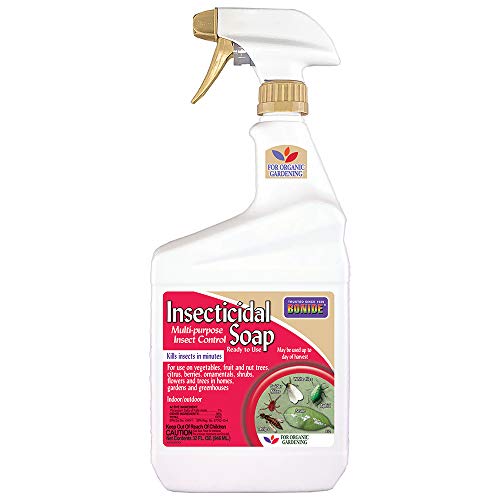
Insecticidal Soap

Insecticidal soaps are effective against soft-bodied insects:

  • Safe for most houseplants when used as directed
  • Works through direct contact with pests
  • May need repeated applications
  • Less harmful to beneficial insects than other treatments

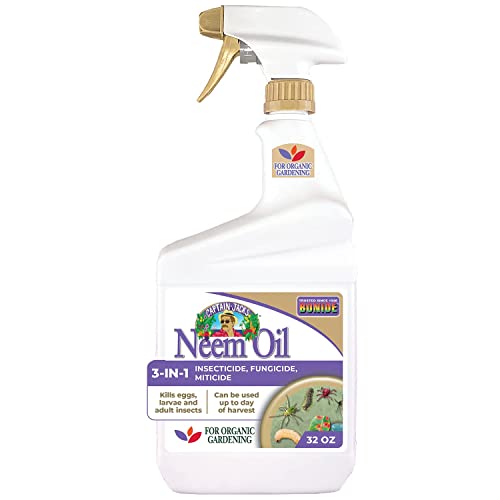
Neem Oil

Neem oil is a natural insecticide that works in multiple ways:

  • Disrupts pest feeding and reproduction
  • Has residual effects that continue to protect
  • Acts as a repellent for many pest species
  • Safe for most plants when diluted properly


Geomust Neem Oil Plant Spray with Peppermint, 16oz Ready-to-Use, Natural Plant Protection, Multi-Purpose Botanical Spray for Indoor & Outdoor Use, Safe for Vegetables & Houseplants

Systemic Insecticides

For severe infestations, particularly those affecting multiple plants:

  • Applied to the soil and absorbed by the plant
  • Kills pests when they feed on plant tissues
  • Provides longer-lasting protection
  • Should be used with caution around pets and children

Biological Controls

For ongoing prevention in larger collections:

  • Beneficial insects like ladybugs can control whiteflies and aphids
  • Predatory mites can be effective against spider mites
  • Generally not practical for small collections of houseplants

Check out 9 Ways to Get Rid of Bugs on Indoor Plants

Prevention Strategies

Preventing white bug infestations is much easier than treating them:

Quarantine New Plants

Always isolate new plants for 2-3 weeks before introducing them to your collection. This gives time for any hitchhiking pests to become visible so you can treat them before they spread.

Regular Inspection

Make plant inspection part of your regular care routine:

  • Check leaf undersides where many pests hide
  • Look at stem joints where mealybugs often cluster
  • Examine new growth, which is particularly attractive to pests
  • Watch for early signs of damage like stippling or yellowing

Maintain Plant Health

Healthy plants resist pests better:

  • Provide appropriate light for each plant species
  • Water properly – neither too much nor too little
  • Fertilize according to each plant’s needs
  • Ensure good air circulation around plants

Clean Growing Environment

Keep your plant area clean:

  • Remove fallen leaves and plant debris
  • Clean pots and saucers when repotting
  • Periodically wipe down leaves to remove dust
  • Use fresh, sterile potting mix when repotting

Regular Preventative Treatments

For valuable collections or previously infested plants:

  • Spray neem oil monthly as a preventative measure
  • Use yellow sticky traps to monitor and catch flying pests
  • Apply beneficial nematodes to the soil to prevent soil-dwelling pests
  • Consider adding earthworm castings to your soil as a natural deterrent

Treatment Plans by Pest Type

Mealybug Treatment Plan

  1. Isolate infested plants to prevent spread
  2. Remove visible bugs with alcohol-dipped cotton swabs
  3. Spray thoroughly with insecticidal soap or neem oil solution
  4. Repeat treatment weekly for 3-4 weeks
  5. Monitor for recurrence


Neem Oil Spray for Plants with Peppermint Oil, Natural Plant Wash Made for Indoor and Outdoor Plants Smart Grower 16oz Easy Ready to Use Spray

Whitefly Treatment Plan

  1. Install yellow sticky traps to reduce the adult population
  2. Spray the undersides of leaves with insecticidal soap
  3. Apply neem oil as a follow-up treatment
  4. Consider systemic insecticide for severe infestations
  5. Improve air circulation around plants

Spider Mite Treatment Plan

  1. Increase humidity around plants (mites prefer dry conditions)
  2. Spray plants thoroughly, especially leaf undersides
  3. Use miticide specifically formulated for spider mites
  4. Repeat treatments every 3-5 days for at least 2 weeks
  5. Discard severely infested plants that don’t respond to treatment

Root Aphid Treatment Plan

  1. Repot the plant, removing as much old soil as possible
  2. Rinse roots thoroughly with water
  3. Treat with systemic insecticide
  4. Monitor for signs of reinfestation
  5. Consider beneficial nematodes as a preventative measure

Scale Insect Treatment Plan

  1. Scrape off visible scale with a soft brush or fingernail
  2. Apply horticultural oil to smother remaining pests
  3. Use systemic insecticide for severe infestations
  4. Repeat oil applications every 7-10 days
  5. Be patient, as scale can be particularly difficult to eradicate

Read 10 Best Plant Foods for Indoor Plants

Common Mistakes to Avoid

When dealing with white bugs on indoor plants, avoid these common pitfalls:

  • Overreacting with pesticides: Starting with the strongest chemicals can harm your plants, and isn’t always necessary
  • Ignoring the problem: Small infestations quickly become large ones
  • Treating only once: Most treatments require multiple applications
  • Not isolating infected plants: This allows pests to spread to your entire collection
  • Improper identification: Different pests require different treatments

Special Considerations for Common Houseplants

Different houseplants have varying susceptibility to white bugs. Here are some special considerations for popular indoor plants:

Succulents and Cacti

These plants are particularly vulnerable to mealybugs, which hide in the crevices between leaves or in the woolly areas of cacti:

  • Keep succulents in bright light and avoid overwatering
  • Use a paintbrush to apply rubbing alcohol directly to mealybugs
  • Consider using diatomaceous earth around the base of the plants
  • Allow soil to dry completely between waterings


Shop Succulents Unique Succulent Plant Pack Bulk Collection - Live Mini Succulent Plants, Low Maintenance, Exceptional Colors & Textures - Wedding and Party Favors, Gift & Garden, Pack of 20

Tropical Foliage Plants

Plants like pothos, philodendron, and peace lilies often attract spider mites and mealybugs:

  • Increase humidity around these plants to discourage spider mites
  • Wipe leaves regularly with a damp cloth to remove dust and pests
  • Pay special attention to leaf undersides during inspection
  • Consider periodic preventative neem oil applications

African Violets

These delicate plants require special care when treating for pests:

  • Avoid oil-based products which can damage their fuzzy leaves
  • Use a soft brush to gently remove mealybugs
  • Apply insecticidal soap with a cotton swab rather than spraying
  • Keep violets isolated from other plants due to their susceptibility

Orchids

Orchids commonly battle mealybugs and scale:

  • Check between leaf folds and at the base of pseudobulbs
  • Use a cotton swab with 70% isopropyl alcohol for spot treatments
  • Avoid getting water on leaves and flowers when treating
  • Consider repotting in fresh media if root mealybugs are present

Natural Predators for Indoor Plant Pests

While less commonly used indoors than in gardens, beneficial insects can help control pest populations:

  • Ladybugs: Effective against aphids, mealybugs, and whiteflies
  • Lacewings: Consume mealybugs, whiteflies, and their eggs
  • Predatory mites: Specifically target spider mites
  • Parasitic wasps: Control whitefly populations

For indoor use, these are most practical in sunrooms, large indoor gardens, or greenhouse environments rather than for a few houseplants.

Read What Indoor Plants Like Coffee Grounds

When to Discard a Plant

Sometimes, the most effective pest management strategy is to discard heavily infested plants:

  • When infestation has severely compromised plant health
  • If the plant has been treated multiple times without improvement
  • When a valuable plant collection is at risk
  • If the plant is easily replaceable and not sentimentally valuable

If you decide to discard a plant, seal it in a plastic bag before disposal to prevent pests from spreading to other plants or returning to your home.

Environmental Controls

Beyond direct treatment, you can adjust growing conditions to discourage pests:

  • Temperature: Most pests reproduce more quickly in warm conditions. Keeping plants in cooler areas (65-75°F) can slow pest reproduction.
  • Humidity: Spider mites thrive in dry conditions while fungi and bacteria prefer high humidity. Maintain moderate humidity levels (40-60%).
  • Air circulation: Good airflow discourages many pests and helps prevent fungal issues that can develop from pest damage.
  • Lighting: Proper light levels keep plants healthy and better able to withstand pest pressure.


Costa Farms Anthurium, Live Indoor House Plant with Red Flowers, Easy to Care for in Modern Plant Pot, 12-Inches Tall, Housewarming Gift, Room Decor

DIY Treatment Recipes

Here are some effective homemade treatments for white bugs:

DIY Insecticidal Soap

  • 1 tablespoon mild liquid soap (like castile soap)
  • 1 quart water
  • Optional: 1 teaspoon neem oil for added effectiveness

Mix thoroughly and apply with a spray bottle, focusing on leaf undersides. Test on a small leaf area first to ensure no damage occurs.

Alcohol Spray for Mealybugs

  • 1 cup 70% isopropyl alcohol
  • 1 cup water
  • 1 tablespoon mild liquid soap

Mix ingredients and apply directly to visible mealybugs with a spray bottle or cotton swab.

Garlic-Pepper Spray

  • 4 cloves garlic, crushed
  • 1 tablespoon hot pepper flakes
  • 2 cups water
  • 1 tablespoon mild liquid soap

Combine garlic and pepper in water, let sit overnight, strain, add soap, and spray on plants. This works as both a repellent and a treatment.

Check out 8 Best Self Watering Pots for Indoor Plants

Frequently Asked Questions

Can tiny white bugs in houseplants harm humans or pets?

Most plant pests, such as mealybugs, whiteflies, and spider mites, don’t bite humans or pets and aren’t directly harmful. However, some people may experience allergic reactions to their shed skins or waste products. The pesticides used to treat them can be potentially more harmful, so always follow the safety instructions when applying treatments.

Why do my plants keep getting white bugs even after treatment?

Recurring infestations typically happen because eggs survived the initial treatment or because conditions remain favorable for pests. Ensure you’re treating multiple times to catch newly hatched bugs, addressing environmental factors that attract pests, and quarantining affected plants until completely pest-free.

Are organic treatments effective against white bugs on indoor plants?

Yes, many organic treatments like neem oil, insecticidal soap, and diatomaceous earth can be highly effective against white bugs. These treatments often work best when pest populations are still small and when applied consistently. For severe infestations, you might need to combine organic methods or consider stronger options.

How long does it take to eliminate white bugs from houseplants completely?

Complete elimination typically takes 2-4 weeks with consistent treatment. Most insect pests have life cycles of several weeks, so you need multiple treatments to catch all stages of development. Be patient and consistent with your treatment schedule, and continue to monitor for at least two weeks after you believe the pests are gone.

Will regular household cleaners kill white bugs on my plants?

Regular household cleaners like dish soap can help control some pests when appropriately diluted (1-2 teaspoons per quart of water), but commercial insecticidal soaps are formulated specifically to kill bugs without harming plants. Never use household cleaners at full strength on plants as they can cause leaf burn or other damage. Products containing bleach or ammonia should be avoided entirely.

Indoor Tiny White Bugs on Plants

Conclusion

Dealing with tiny white bugs on indoor plants requires patience, consistency, and a strategic approach. By correctly identifying the specific pest, implementing appropriate treatment methods, and maintaining good preventative practices, you can keep your houseplants healthy and pest-free.

Remember that prevention is always easier than treatment. Regularly inspect new plants before bringing them home, quarantine any suspicious specimens, and maintain optimal growing conditions to give your plants the best chance at resisting pests naturally.

With the right knowledge and tools, even severe infestations can be overcome, allowing your indoor garden to thrive. By understanding the life cycles and vulnerabilities of common white pests, you can efficiently eliminate them while minimizing stress to your beloved plants.

You may also like:

vegetable garden ideas

10 Vegetable Garden Layout Ideas