
If you want a bold look indoors, my top picks are Monstera deliciosa, fiddle leaf fig, rubber plant, bird of paradise, Alocasia, Philodendron selloum, banana and Calathea.
Each one brings broad leaves that fill a corner faster than a shelf of small plants.
For most American homes, I’d start with Monstera deliciosa, because it grows huge split leaves in bright indirect light, forgives a missed watering, and climbs up instead of out.
The catch with big foliage is that the leaves stay big only when the plant gets enough light, root room and steady watering.
Choose by the window you have and the floor space you can spare, and you’ll pick a plant that keeps putting out full-size leaves.
How Much Light and Room Do Big-Leaf Plants Need?
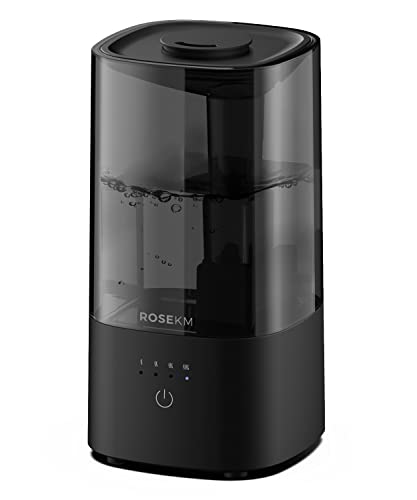
Most big-leaf houseplants need bright indirect light near a window and at least 3 to 5 feet of open floor or wall space. Large leaves take a lot of energy to build. If you are stocking up, a small room humidifier is the first thing I would pick up.
In a dim room, the plant answers with smaller, thinner leaves on long stretched stems.
Match Window Light to the Plant
I use three simple light terms. Direct sun means a sunny south or west window. Bright indirect means near a window but out of the sun’s rays. Low light means a north window or a spot deep in the room.
Here’s how the plants in this article line up:
- Direct sun to very bright: bird of paradise, banana.
- Bright indirect: Monstera, fiddle leaf fig, rubber plant, Alocasia, philodendron.
- Medium to bright indirect, no harsh sun: Calathea and Ctenanthe.
An east window gives gentle morning sun that almost every plant here enjoys. A south window in the Northeast or Midwest gets weak sun from November to February, so move sun lovers closer to the glass in winter.
If your best window is still too dim, a full-spectrum LED fixture hung a foot or two above the plant fills the gap. My picks for grow lights for indoor plants cover sizes that work for tall floor plants.
Leave Space for Leaves to Spread
Measure before you buy. A mature Monstera can spread 3 to 8 feet wide, and a true Philodendron selloum can top 5 feet across.
Keep these spacing habits:
- Give leaves 6 to 12 inches of clearance from walls and glass so they don’t rub or scorch.
- Keep plants out of busy walkways, where people and pets bruise and tear leaves.
- Check ceiling height for tree types. Fiddle leaf figs and rubber plants commonly reach 6 to 10 feet indoors.
- Keep pots at least 3 feet from heat registers, radiators and AC vents.
A heavy clay or ceramic pot keeps a top-heavy plant from tipping over, which matters once it passes 4 feet tall.
Monstera deliciosa: Large Leaves with a Climbing Habit
Monstera deliciosa is the easiest big-leaf plant for most homes, and it grows into a climber with split, holey leaves. It’s native to Central America and grows about 1 to 2 feet a year in good conditions.

Young leaves are solid hearts, and the famous splits (called fenestrations) show up as the plant matures and gets more light.
Light, Water, and Support for Monstera
Light. Set it a few feet from an east or west window, or beside a bright south window with a sheer curtain. Hot afternoon sun through glass can burn the leaves.
If new leaves come in without splits, more light is the first fix I’d try.
Water. Water when the top 2 to 3 inches of soil feel dry, then soak until water runs out the drainage holes. In summer that often works out to about once a week. In winter, stretch it to every 2 to 3 weeks.
Soil and warmth. Use a chunky, well-draining mix. A simple blend is three parts houseplant soil, two parts shredded bark and one part perlite. Monstera grows best from 65°F to 85°F and stalls near 50°F.
Support. Monstera climbs trees in the wild, so give it a moss pole or sturdy stake once it’s about 2 feet tall. Tie stems loosely with soft plant ties and tuck aerial roots toward the pole.
A plant that climbs makes bigger leaves than one sprawling across the floor.
Feeding. From spring through summer, I feed with a balanced liquid fertilizer at half strength every 2 to 4 weeks, and little or none from late fall to late winter.
Fiddle Leaf Fig and Rubber Plant: Two Tall Choices
Both of these Ficus trees grow tall with big leaves, but the rubber plant is far more forgiving than the fiddle leaf fig. The fiddle leaf has the larger, violin-shaped leaves. The rubber plant has thick, glossy oval leaves and shrugs off small mistakes.

| Fiddle Leaf Fig (Ficus lyrata) | Rubber Plant (Ficus elastica) | |
|---|---|---|
| Leaf shape | Wavy, violin-shaped | Glossy, oval |
| Indoor height | 6 to 10 feet | 6 to 10 feet |
| Light | Very bright indirect | Medium to bright indirect |
| Reaction to change | Drops leaves | Mostly steady |
| Beginner fit | Intermediate | Beginner-friendly |
Fiddle Leaf Fig: Give It Consistent Conditions
Fiddle leaf figs drop leaves when something changes, whether that’s a move across the room, a cold draft or a dry spell. My advice is to pick one bright spot and leave the plant there.
Place it within a few feet of a bright east, south or west window. Water when the top 2 inches of soil are dry, and water the same way every time so the roots don’t swing between soggy and parched.
Keep it away from exterior doors in winter. Cold air rushing in during a Northeast or Midwest January is a common cause of sudden leaf drop.
A new plant often loses a leaf or two after the trip home, so give it a month to settle before you change anything else.
Turn the pot a quarter turn every couple of weeks so the trunk grows straight. Wipe the big leaves monthly, since dust blocks the light this plant needs.
Rubber Plant: Make Room for Glossy Leaves
Rubber plants handle medium light, an occasional missed watering and the odd move without much fuss. That makes them my pick for anyone who wants a tall tree but worries about a fussy fig.

Brighter light still gives better results. In dim corners, the stem stretches and leaves get spaced far apart. Burgundy and variegated types like ‘Tineke’ need the brightest spot to keep their color.
Water when the top 2 inches dry out. If the plant gets too tall, prune just above a leaf node in spring and it branches into a fuller shape. Wear gloves, because the milky sap irritates skin.
Bird of Paradise: A Sunny Spot for Broad Leaves
Bird of paradise needs the most light of any plant here, ideally a few hours of direct sun from a south or west window.
Both common types, Strelitzia reginae (orange flowers) and Strelitzia nicolai (giant white), are tropical plants with large, dramatic leaves and a liking for bright conditions.
Indoors, S. nicolai is the one you’ll see most, with tall, paddle-like leaves that look a lot like banana foliage.
Light and Water for Indoor Bird of Paradise
Light. Put it right at your sunniest window. In a dark corner, it stops making new leaves and the older ones yellow. Indoor plants rarely bloom, and when they do, it’s because they get strong light for years.
Water. Water when the top inch or two of soil is dry. Soak the pot, then empty the saucer so the roots never sit in water. Cut back in winter when growth slows.
Splits are normal. The big leaves tear along their veins as they age. This is how the plant handles wind in nature, and it doesn’t mean anything is wrong.
Curling and brown tips. Curled leaves point to dry soil or dry winter air from heating. If brown tips show up, I’d check watering first, then try filtered or rainwater if your tap water is hard.
Temperature. Keep it above 60°F. It tolerates brief dips to 50°F but won’t grow.
Elephant Ear: Caring for Alocasia Indoors
Alocasia grows huge, arrow-shaped or heart-shaped leaves and wants warmth, humidity and bright filtered light. It’s a fast grower in summer, sometimes putting out a new leaf a week.
In a cool, dim room it sulks, so I only recommend it if you can keep the space at 65°F or warmer.
Choose a Well-Draining Potting Mix
Alocasia roots rot quickly in heavy, wet soil. Use a loose, slightly acidic mix with a pH of 5.5 to 6.5.
A peat-based or aroid mix amended with orchid bark and perlite works well, and my guide to the best soil for indoor plants shows how to blend one.
Pick a pot with large drainage holes. Water when the top 2 inches of soil feel dry. Unglazed clay dries faster, which helps if you tend to overwater.
Size matters when shopping. ‘Calidora’ can reach 8 feet tall, while compact types like ‘Polly’ and ‘Black Velvet’ stay under 2 feet and still have bold leaves.
Watch for Dormancy and Yellowing Leaves
In fall and winter, many Alocasias slow down and drop leaves. This is dormancy. The plant pulls back to its underground stem and regrows in spring.
During dormancy:
- Water lightly, only enough to keep the mix from going bone dry.
- Stop fertilizing until new growth appears in spring.
- Keep the plant warm and away from cold windows.
One yellow leaf now and then is normal as old leaves die off. Several at once in summer point to soggy soil, too little light or a pot the roots have outgrown.
Alocasia is a magnet for spider mites, especially in dry winter air. Check leaf undersides for fine webbing and speckling. My guide on spider mites on indoor plants walks through rinsing and treating them.
Philodendron: Choosing Selloum and Other Broad-Leaf Types
For the biggest leaves, I’d choose Philodendron selloum, now often labeled Thaumatophyllum bipinnatifidum. Its deeply lobed leaves can pass 2 feet long on an older plant, and it spreads more than 5 feet wide.
Other good broad-leaf picks include ‘Rojo Congo’, P. gloriosum with velvety white-veined leaves, and P. squamiferum, whose leaves can reach 18 inches.