
Most of the time, a dumb cane droops because of a water problem at the roots.
Dieffenbachia drooping is usually caused by soil that has dried out or soil that has stayed soggy long enough to rot the roots, so check the soil 2 inches down before you add any water. Dry soil means a deep soak.
Wet soil means stop watering and look at the roots.
If the soil checks out fine, the next suspects are cold drafts, low light, recent repotting, heavy top growth, or pests. Each one leaves its own clues on the leaves, stems, and pot.
Once you can read those clues, you can match the fix to the cause and avoid making a stressed plant worse.
How Can You Diagnose the Droop Before Watering?
Your fingers and the weight of the pot tell you more than the leaves do.
A drooping dieffenbachia looks the same whether it’s bone dry or drowning, so you need to test the soil, the pot, and the cane before you reach for the watering can.
Check Soil Moisture Below the Surface
The top inch of soil dries fast and can fool you. Push your finger 2 inches into the mix, near the middle of the pot.
- Dry and crumbly at 2 inches: The plant is thirsty.
- Cool and slightly damp: Moisture is fine; look at other causes.
- Wet, muddy, or sour-smelling: The roots are sitting in too much water.
For a big pot, I like a wooden chopstick. Push it to the bottom, wait a minute, and pull it out. Dark, damp wood or soil stuck to it means the lower roots are still wet.
A cheap moisture meter works too. Just treat its reading as a second opinion next to your finger test.
Compare Leaf Color, Pot Weight, and Stem Firmness
Lift the pot right after a good watering so you learn what “full” feels like. A pot that feels light as a feather later is dry; one that still feels heavy days later is waterlogged.
Then read the leaves and cane together:
| What you see | Likely cause |
|---|---|
| Limp leaves, light pot, dry soil, crispy edges | Underwatering |
| Limp leaves, heavy pot, wet soil, yellowing leaves | Overwatering or root rot |
| Soft, mushy cane near the soil line | Stem rot |
| Droop right after a cold night or move near a door | Cold stress |
| Pale, stretched stems leaning one way | Low light |
A firm cane is good news. If the base gives under gentle pressure, skip ahead to the stem rot section before you do anything else.
Is Thirsty Soil Making the Leaves Wilt?
Underwatering is the easiest droop to fix, and a dumb cane often stands back up within hours of a proper soak. The trick is getting water into soil that has dried hard, because compacted soil sheds water instead of absorbing it.

How to Recognize a Dry Root Ball
A thirsty plant gives clear signs. The leaves hang limp across the whole plant, and the edges may turn brown and crispy.
Look at the soil, too. When it dries out completely, it shrinks and pulls away from the sides of the pot, leaving a gap.

That gap is the problem. When you pour water in, it runs straight down the sides and out the drainage holes, while the center of the root ball stays dry. You may think you watered when the roots barely got a sip.
How to Rehydrate the Pot and Prevent Another Wilt
I recommend bottom watering for a badly dried pot. Here’s how:
- Set the pot in a sink or tub with 2 to 3 inches of room-temperature water.
- Let it soak for 30 to 45 minutes, until the top of the soil feels damp.
- Lift it out and let it drain fully. Never leave it sitting in a saucer of water.
- Poke a few holes in hard, crusty soil with a chopstick so future waterings soak in.
After that, water when the top 1 to 2 inches of soil are dry. Water deeply until it runs out the bottom, then let it drain. My guide on how often to water a dieffenbachia covers seasonal timing in more detail.
Plants dry out faster in summer, near sunny windows, and in small pots. In the dry Southwest or in homes with forced-air heat in winter, you may need to check every 4 to 5 days.
Is Soggy Soil Damaging the Roots?
Overwatering is the most common way dieffenbachia dies indoors. Roots need air as much as water, and in waterlogged soil they suffocate, turn mushy, and stop pulling up moisture. That’s why an overwatered dieffenbachia wilts even though its soil is wet.
How to Tell Wet Roots from Thirsty Roots
The leaves look alike, so check the soil and the pot. Wet soil several days after watering, a heavy pot, and lower leaves turning yellow and soft all point to too much water.
You can read more about dieffenbachia leaves turning yellow if yellowing is part of your picture.
Other overwatering clues:
- A sour or rotten smell from the soil
- Fungus gnats hovering over the pot
- Mold or green film on the soil surface
- Brown, water-soaked patches spreading from the stem base
Water droplets on the leaf tips in the morning are a separate thing. That’s guttation, and my post on why a dieffenbachia weeps explains it. It’s harmless, but it’s a hint to water a little less.
What to Do If You Find Root Rot
If the soil is wet and the plant is wilting, slide it out of the pot and look. Wear gloves first, since the sap irritates skin and eyes.

- Healthy roots are white to tan and firm.
- Rotted roots are brown or black, mushy, and slip apart when you pinch them.
To save the plant:
- Shake or rinse off the old wet soil.
- Cut away every soft, dark root with clean, sharp scissors. Wipe the blades with rubbing alcohol between cuts.
- Repot in fresh, well-draining potting mix with perlite and a little bark, in a pot with drainage holes.
- Choose a pot only as big as the healthy root ball. Extra soil holds extra water.
- Wait until the top 2 inches dry before watering again.
If less than about a third of the roots are healthy, I’d also root a cutting from the top as backup.
Heavy, dense mixes cause a lot of rot, and my post on cactus soil for dieffenbachia explains how blending some grit into regular mix improves drainage.
What Does a Soft, Bending Cane Mean?
A cane that bends or folds near the soil line means rot has moved up from the roots into the stem. This is the most serious kind of droop, and it’s a sign of deep root stress, so act on it quickly.
Check the Base for Stem Rot
Gently squeeze the cane just above the soil. A healthy cane feels as firm as a carrot.
Signs of stem rot:
- Soft, mushy, or hollow feel
- Brown or black discoloration that looks wet
- Bad smell at the soil line
- The cane leans or snaps under its own weight
Rot spreads fast in cold, wet soil. A plant that sat in soggy mix through a cool spell in winter is the classic case.
When to Remove Damaged Tissue or Save a Healthy Cutting
If only the very base is soft and the roots look fine, you can try trimming the damaged spot and keeping the soil drier. In my experience that rarely holds once the cane itself is mushy.
My advice is to save the healthy top. Cut the cane at least 1 to 2 inches above the last soft or discolored area, where the inside looks clean and pale green.
Then:
- Root the top section in water or moist potting mix at 70 to 80°F in bright indirect light.
- Cut extra healthy cane into 2 to 3 inch sections, each with at least one node, and lay them sideways on moist mix.
- Expect roots in about 3 to 6 weeks.
- Throw out the rotted base and old soil, and scrub the pot before reusing it.
Wear gloves for all of this and wash your hands afterward. The ASPCA lists dieffenbachia as toxic to cats, dogs, and horses because its sap holds sharp calcium oxalate crystals, so keep cuttings away from pets.
My post on whether dieffenbachia is toxic to pets covers symptoms and first aid.
Could Cold Air or Dry Heat Be the Cause?
Yes. Dumb cane is a tropical plant that grows best at 65 to 80°F, and a blast of cold air can make it droop overnight. Temperature and humidity swings from heaters and vents stress it too.
Move the Plant Away from Drafts and Vents
Cold drafts are the usual culprit from fall through spring. Check whether the plant sits near:
- An exterior door that opens often
- A single-pane or leaky window
- An air conditioner or ceiling vent blowing on it
- A heat register or radiator
Below about 50°F, leaves can suffer real cold damage, with dark, soggy patches that later turn brown. Move the plant a few feet into the room, away from glass and airflow, and keep it there.
If you summer your plant outdoors in shade, bring it in before nights drop below 55 to 60°F. In most of the Northeast and Midwest that’s early to mid September. Only gardeners in USDA zones 10 to 12 can grow it outside year-round.
Keep Indoor Conditions Steady Through Winter
Winter heat dries indoor air fast, often below 30% humidity. Dieffenbachia prefers 40 to 60% or higher.
A small room humidifier works far better than misting, which dries off in minutes. Grouping plants together helps a little as well.
In winter, the plant also uses much less water. Cold soil plus regular watering is a fast road to rot, so stretch out the time between waterings and always do the finger test first. Keep the room above 60°F where you can.
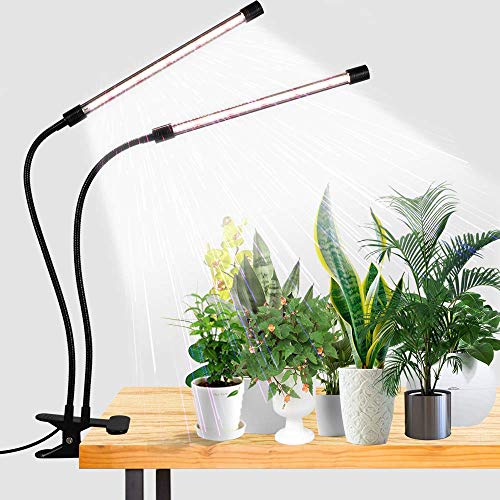
Is the Plant Stretching Toward the Light?
Low light won’t make a dieffenbachia collapse overnight, but it slowly builds a weak, floppy plant. Stems grow long and thin as they reach for a window, and they can’t hold big leaves upright.
Spot Weak Growth Caused by Dim Conditions
Signs