
Not every room in our homes gets loads of sunlight. Some spaces—especially those facing north or blocked by buildings—can feel pretty dim.
Luckily, you’ve got options. Many houseplants can thrive in low light conditions and actually do well in them.
These shade-tolerant plants learned to thrive under forest canopies where sunlight barely filters through. They use clever tricks to photosynthesize with just a hint of light.
Adding these resilient plants to your dim spots brings life and color without you worrying about sunlight every day.
1. ZZ Plant (Zamioculcas zamiifolia)
The ZZ Plant is about as tough as they come. Its glossy, deep green leaves look classy in any room, and it barely asks for attention.
This plant doesn’t mind low light at all. It’ll keep going even where most others would give up.
Coming from Eastern Africa, the ZZ Plant learned to get by with little water and not much sun. Its thick stems and waxy leaves hold onto moisture, so you don’t have to water it often.
It’ll sit happily in spots far from windows or under artificial lighting. That’s a big win for dark corners and windowless offices.

Expect slow growth, especially in dim areas, but that just means less repotting and fuss. Indoors, it typically reaches a height of 2-3 feet and becomes bushier over time.
Water when the soil’s bone dry—every couple of weeks is usually enough. Overwatering is the primary issue that can occur, so if in doubt, wait.
It’s suitable for most indoor temperatures and doesn’t mind humidity. Pests hardly ever bother it.
If you want a stylish, nearly indestructible plant for your dark spots, the ZZ Plant is a great pick. It’s especially nice for beginners or those who occasionally forget to water.
2. Golden Pothos (Epipremnum aureum)
Golden Pothos is super adaptable and tough. It’ll grow in rooms with barely any natural light—sometimes as little as 50 foot-candles.
You’ll spot it by its heart-shaped leaves splashed with yellow or gold. That pop of color can really cheer up a gloomy corner.
Let it trail from a hanging basket or sprawl off a shelf. The vines get long and add a bit of wildness to your space.
It loves humid bathrooms and helps clean the air while it’s at it.
Pair Golden Pothos with darker-leaved plants for a nice contrast. It’s happy in different pots and spots, so you can move it around as you like.

Offices often use Pothos because it handles low light without drama. Young plants are especially sturdy in dim conditions.
While it prefers a little more light, it’ll adapt if it has to. That’s probably why it’s so popular for tricky indoor spots.
3. Snake Plant (Sansevieria trifasciata)
Snake Plant is famous for thriving in low light. Its tall, upright leaves stand out and can reach three feet, making a bold statement.
As a succulent, it stores water in those thick leaves. You don’t have to water it much—just when the soil’s totally dry.
It’s also known for purifying the air. Interestingly, it releases oxygen at night, making it ideal for bedrooms.
Snake Plants aren’t picky about air quality. They’ll continue to grow in dry air that would bother other plants.

There are a bunch of different varieties. Some have yellow edges, others are striped, or all shades of green. You’ll likely find one that suits your style.
Feed it occasionally with a regular houseplant fertilizer. Even with the bare minimum of care, it’ll keep going—and might even send up new shoots.
4. Peace Lily (Spathiphyllum)
The Peace Lily does well in low light. You’ll often see it in malls and offices for exactly that reason.
It’ll even bloom in the shade, putting out those classic white flowers. Not many plants can pull that off without bright light.
Its dark green leaves bring a touch of the tropics to any dim corner. They’ve got a nice shine and really stand out.
Peace Lilies help clean the air too. That’s a nice bonus in stuffy rooms.
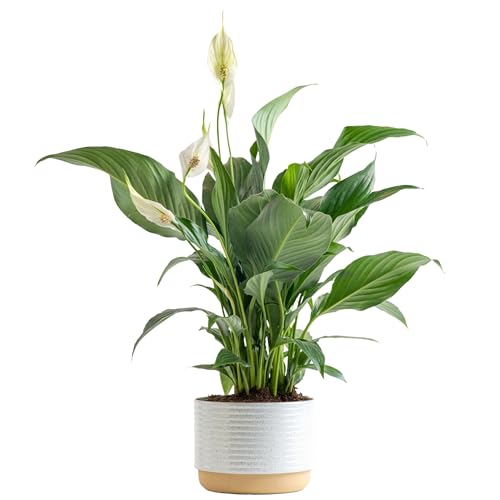
They’ll grow with very little light, but for more flowers, provide them with some filtered sunlight. In deep shade, expect more leaves than blooms.
Keep the soil moist, but don’t stress if you forget from time to time. The leaves will droop when it’s thirsty, so it gives you a heads-up.
They don’t require much fertilizer and can tolerate varying humidity levels. Great for anyone looking for a low-maintenance plant for a dark spot.
5. Philodendron
Philodendrons are a solid pick for dim rooms. They’re famous for those heart-shaped leaves and don’t mind low light at all.
Lots of types will do just fine without much sun. They’re easy to care for and don’t ask for much.
Some philodendrons climb or trail, so you can let them hang from baskets or train them up a pole. Others stay bushy and compact.
They’re also good for air quality. Not bad for something that mostly just sits there looking pretty.

Water when the top inch of soil dries out, but don’t overdo it. Too much water is worse than too little for these guys.
They’ll grow more slowly in the dark, and leaves might be smaller or less colorful. If it starts looking leggy, try moving it a bit closer to a window—even if it’s not super bright.
Heads up: philodendrons are toxic if eaten. Best to keep them away from curious pets and kids.
6. Aspidistra (Cast Iron Plant)
The Cast Iron Plant, or Aspidistra, has a reputation for being nearly indestructible. It’s perfect for those extra-dark corners where nothing else seems to work.
This plant’s been around since Victorian times, back when homes were a lot gloomier. It’s got upright, glossy, dark green leaves that look good even in the shadows.
Aspidistra shrugs off inconsistent watering, poor light, and temperature swings. It’s basically the plant version of a tank.

It grows slowly and doesn’t need much repotting. Pests usually leave it alone, too. Just wipe the leaves down every so often to keep them shiny.
It’s happy with most indoor temperatures and doesn’t care much about humidity. Unlike many tropicals, dry air isn’t a problem here.
Give it indirect light if you can, but it’ll survive in the dark. A little ambient light will help it stay healthier long-term.
Water only when the top inch of soil is dry. If you forget, it’ll forgive you. Overwatering is more of a risk than underwatering.
7. Dracaena
Dracaena is a go-to for low-light spots. It comes in a bunch of varieties and handles shade better than most.
Its long, arching leaves grow out from a central stalk, adding a bit of drama. Try placing two on either side of a doorway for a nice effect.

Dracaenas are easygoing. Water when the top inch of soil dries out and don’t let them sit in soggy dirt.
Some types have striped or colorful edges—like the Dracaena marginata with its red-tipped leaves, or the Corn Plant with yellow-striped foliage.
They can get pretty tall indoors, sometimes reaching six feet. That makes them perfect for filling empty corners or adding some height to your plant mix.
Dracaenas also help remove toxins from the air. So they’re not just pretty—they’re useful too.
They’ll do best with some indirect light, but they won’t complain if it’s a bit darker. Just know that growth might slow down and leaf colors could fade in really dim spots.
8. Bird’s Nest Fern (Asplenium nidus)
The Bird’s Nest Fern stands out among indoor plants with its unique look. Its smooth, wide fronds develop gentle ripples and waves, giving it a texture that is not typically seen in ferns.
This plant gets its name from the nest-like center where new fronds pop up. Bright green leaves grow outward in a circle, bringing a tropical vibe to any dark corner.

Bird’s Nest Ferns do well in medium to low indirect light. They prefer some filtered sun but can adapt if your place doesn’t get much natural light.
They appreciate humidity, though you don’t need to mist them all the time. If you’ve got a bathroom with a bit of moisture, that’s an ideal spot for them.
One thing I love about Bird’s Nest Ferns: they’re pet-friendly. You don’t have to worry if your cat or dog decides to investigate.
Caring for them is pretty simple. Keep the soil consistently moist (not soggy), and try not to get water in the center rosette to avoid rot.
They grow at a moderate pace and, over time, can become quite impressive. Those wavy leaves can get surprisingly long, turning the plant into a dramatic focal point if conditions are right.
9. Spider Plant (Chlorophytum comosum)
Spider Plants are everywhere for a reason. Their arching leaves and dangling baby plantlets look a bit like spiders hanging from a web—hence the name.
They’re tough and thrive in low-light conditions, which makes them perfect for those forgotten corners. Plus, they’re known for cleaning indoor air pretty efficiently.
Spider Plants are super easy to care for. Just let the soil dry out between waterings; they don’t need much fuss, which is great if you’re busy or new to plants.
The foliage is eye-catching, with green and white stripes. Some have curly leaves, others stick to a solid green—either way, they brighten up a room.

They grow quickly and produce numerous small plantlets. You can snip these off and start new plants—honestly, it’s kind of fun to share them with friends.
They’re non-toxic to pets, so you don’t have to worry if your furry companions get curious. Hanging baskets work well, letting their leaves cascade down in a really lovely way.
All in all, Spider Plants are a fantastic pick if you want greenery in darker spaces without a lot of hassle.
10. Areca Palm (Dypsis lutescens)
The Areca Palm, sometimes called the butterfly palm or golden palm, brings a tropical feel indoors. Its feathery, arching fronds make a space feel lush, even if the room doesn’t get much light.
Areca Palms prefer bright, indirect light but can tolerate lower light better than most other palms. If you have a darker room, they’ll adapt, though you might notice slower growth.
Native to Madagascar, these palms can reach 6-7 feet indoors. They make a statement in living rooms or offices—no doubt about it.

They’re not just pretty. Areca Palms work as natural air purifiers, removing chemicals like formaldehyde, xylene, and toluene. They also add moisture to dry air, which is a nice bonus.
Care is straightforward: keep the soil moist but not soggy, and mist them regularly if your air is dry.
They’re sensitive to fluoride, so it’s best to use distilled or filtered water. During the growing season, feed them with a balanced houseplant fertilizer to keep them healthy.
While they aren’t the top choice for pitch-dark rooms, Areca Palms can handle moderate, low light. Try placing them near a north-facing window or a few feet from a brighter window for best results.
Key Benefits Of Indoor Plants In Low-Light Spaces
Indoor plants offer numerous benefits, even in spaces that receive limited sunlight. They quietly improve the environment and add some life to those dim corners.
Air Purification Advantages
Plants act as natural air filters, pulling harmful toxins out of the air. NASA research found that many low-light tolerant plants can remove stuff like formaldehyde, benzene, and trichloroethylene.
ZZ plants, snake plants, and pothos are especially good at cleaning air and thrive in dim spots. They keep converting carbon dioxide to oxygen, even when it’s not that bright.
How does it work? Tiny pores on the leaves, called stomata, pull in air. Toxins get absorbed and broken down by microorganisms in the soil.
Give the leaves a quick dusting now and then to help them do their job. Even just a plant or two can make a noticeable difference in small rooms or offices with no windows.
Enhancing Mood And Well-Being
Studies say indoor plants can lower stress and help with mental health. A little greenery in a dark space really does make things feel calmer and less anxious.
Plants like philodendrons and calatheas bring life to dull areas with their different leaf shapes and patterns. It’s a simple way to make windowless or gloomy rooms feel more welcoming.
Even caring for easy plants gives you a sense of accomplishment and a little connection to nature. That small routine can lift your mood and help you pause for a moment in your day.
Plants also add humidity, which can help you sleep better and ease breathing issues. Some studies even link their presence to better focus and creativity—who couldn’t use a bit more of that?
Essential Care Tips For Low-Light Indoor Plants
Low-light plants have their own quirks. A few easy tweaks will help these shade-loving species thrive, even in the darkest corners.
Proper Watering Techniques
These plants typically require less water than sun-loving plants. Growth and evaporation slow down in low light, so it’s easy to overdo it.
Check the soil by sticking your finger in about 1-2 inches. Only water when the top feels dry.
Most low-light plants prefer to dry out slightly between watering. ZZ and snake plants can go 2-3 weeks without water, while calatheas want more consistent moisture. Always use room-temperature water to avoid shocking the roots.
Don’t forget to adjust for the seasons. Plants require less water in winter, so reduce watering by about 30-50% when the temperature drops to prevent root rot.
Choosing The Right Potting Mix
The ideal potting mix strikes a balance between moisture and drainage. Regular potting soil can hold too much water, which leads to root problems.
Mix in perlite or coarse sand—approximately 20-30%—to improve drainage. ZZ and snake plants thrive with extra perlite, while philodendrons and calatheas prefer a bit of coco coir for added moisture.
Always use pots with drainage holes. If you’re using a decorative pot without holes, keep your plant in a nursery pot inside it so water can escape.
Managing Humidity And Temperature
Most low-light plants come from tropical understories and love moderate to high humidity (40-60%). You can boost humidity by grouping plants, using pebble trays with water, or running a humidifier.
Stable temperatures matter more than hitting an exact number. Avoid drafty spots, heating vents, or AC units. Most of these plants like it between 65-75°F (18-24°C).
Watch for stress signs. Brown tips typically indicate low humidity, while yellow leaves may suggest temperature fluctuations. Misting helps a little, but it’s not a long-term fix—focus on keeping things steady around your plants.

Conclusion
You really can grow plants in the darker corners of your home if you pick the right ones. Options like Snake Plants, golden pothos, Peace Lilies, and ZZ Plants don’t require much light to thrive.
Somehow, these low-light champs manage to thrive in shadier spots. They add a bit of life to rooms that might otherwise seem a little too bland or empty.
Besides just looking nice, these plants can help freshen up your indoor air. They don’t ask for much, so they’re great if you’re busy or just starting out with plants.
Still, even the toughest low-light plants need a little indirect light from time to time. Try placing them near a north-facing window or a few feet from an east or west-facing window.
With a bit of care, these hardy plants can truly transform the ambiance of your shady spaces. It’s proof that anyone can get into indoor gardening, regardless of the type of light your home receives.

Hello there! I’m Elsa, and gardening is my passion. As an avid gardener, I created GardeningElsa.com to share my knowledge and experience with fellow enthusiasts. My website is a comprehensive resource for gardeners of all levels, offering expert advice on a wide range of topics, including plants, flowers, herbs, and vegetable gardening. Whether you’re a beginner looking to start your first garden or a seasoned pro seeking to expand your knowledge, GardeningElsa.com has something for everyone. Read more about me.